
Article Contents
Strategic Sourcing: Dental Printer
Professional Dental Equipment Guide 2026
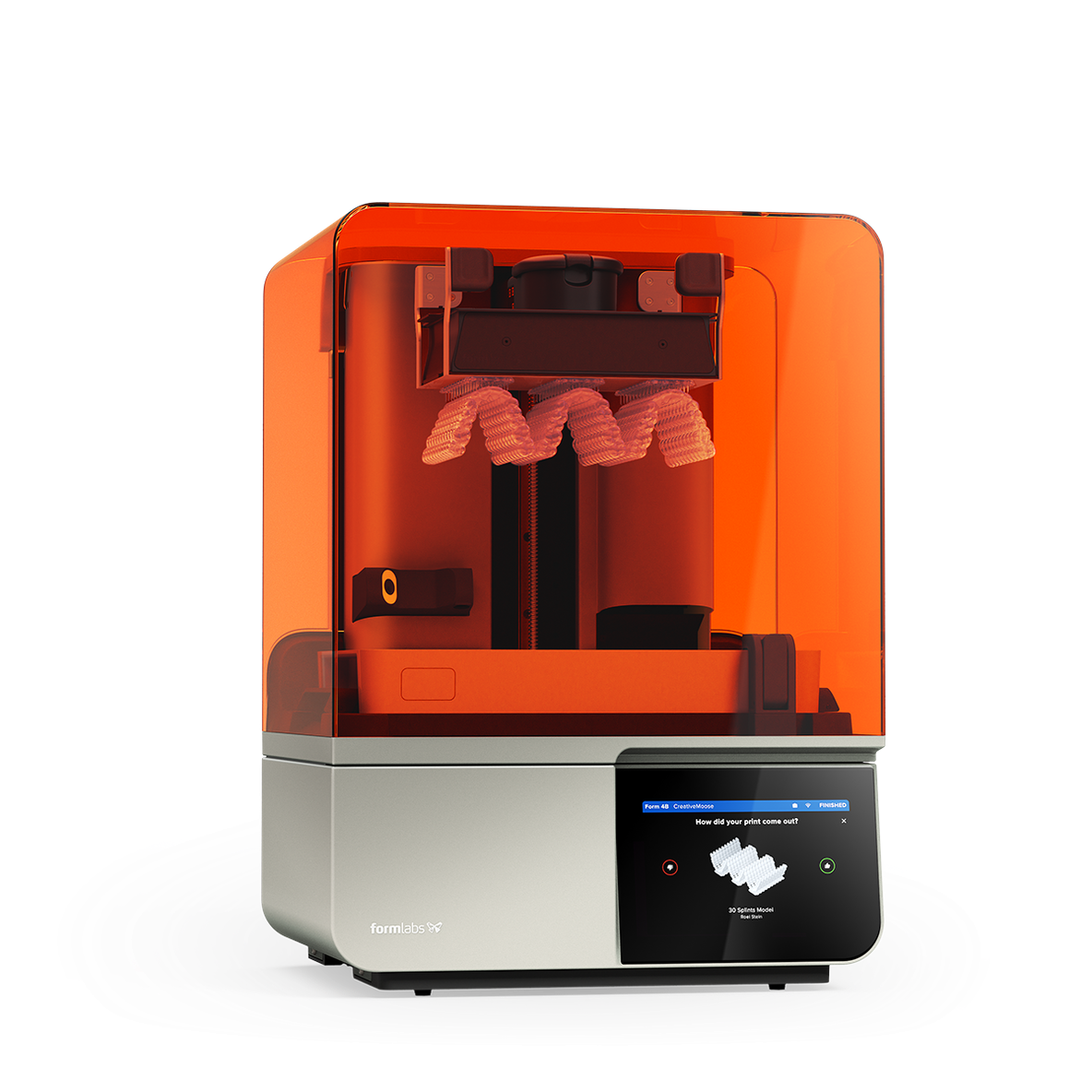
Executive Market Overview: Dental 3D Printing Systems
Strategic Imperative: Dental 3D printers have transitioned from niche tools to core infrastructure in digital dentistry workflows. By 2026, clinics without in-house printing capabilities face significant competitive disadvantages in turnaround time, cost control, and service diversification. This technology directly impacts 68% of restorative and prosthetic workflows, reducing third-party lab dependency by 40-60% while enabling same-day crown/bridge solutions.
Why Dental Printers Are Critical for Modern Practice Viability
The integration of 3D printing represents a fundamental shift from analog to digital dentistry. Key operational imperatives include:
- Workflow Acceleration: Reduces crown/bridge production from 2-3 weeks to 24-48 hours, directly increasing patient throughput by 15-25%.
- Cost Rationalization: Eliminates $800-$1,200/month per-unit lab fees for standard restorations, with ROI typically achieved within 8-14 months.
- Service Expansion: Enables profitable new revenue streams (surgical guides, denture frameworks, orthodontic models) with 35-50% gross margins on printed services.
- Clinical Precision: Sub-50μm resolution printing ensures marginal integrity critical for long-term restoration success, validated by ISO 12836:2023 compliance.
- Future-Proofing: Serves as the physical output node for AI-driven design software and intraoral scanner ecosystems.
Market Segmentation: Premium European Brands vs. Value-Optimized Manufacturers
The global dental 3D printing market is bifurcated between established European engineering platforms and rapidly advancing Chinese manufacturers. This segmentation reflects distinct clinic operational profiles:
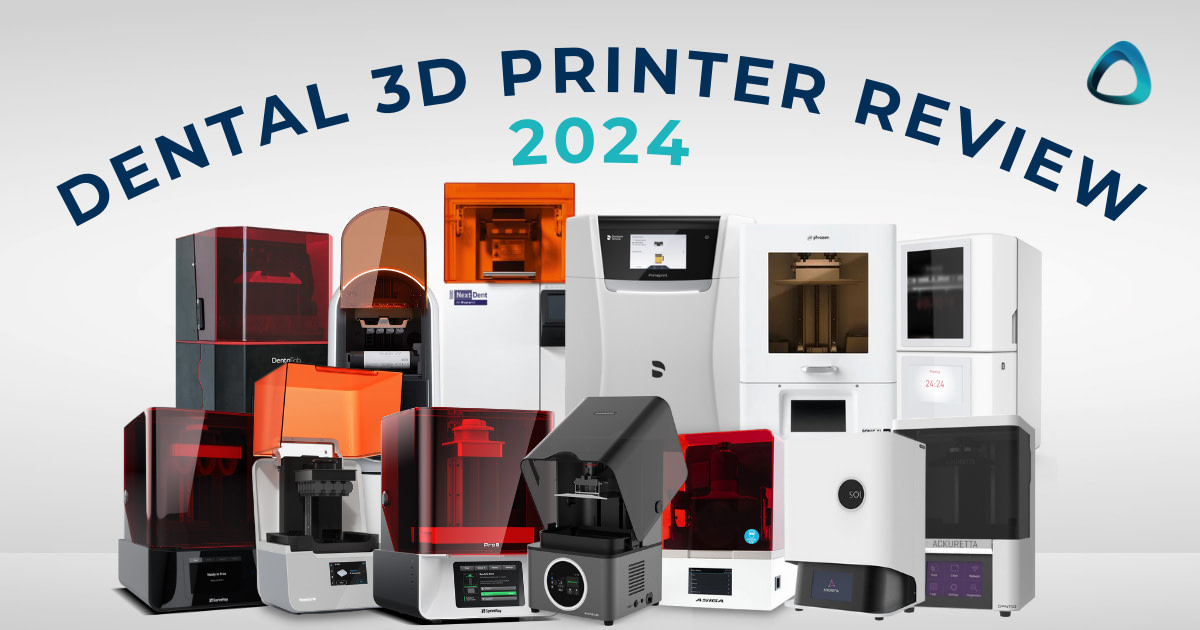
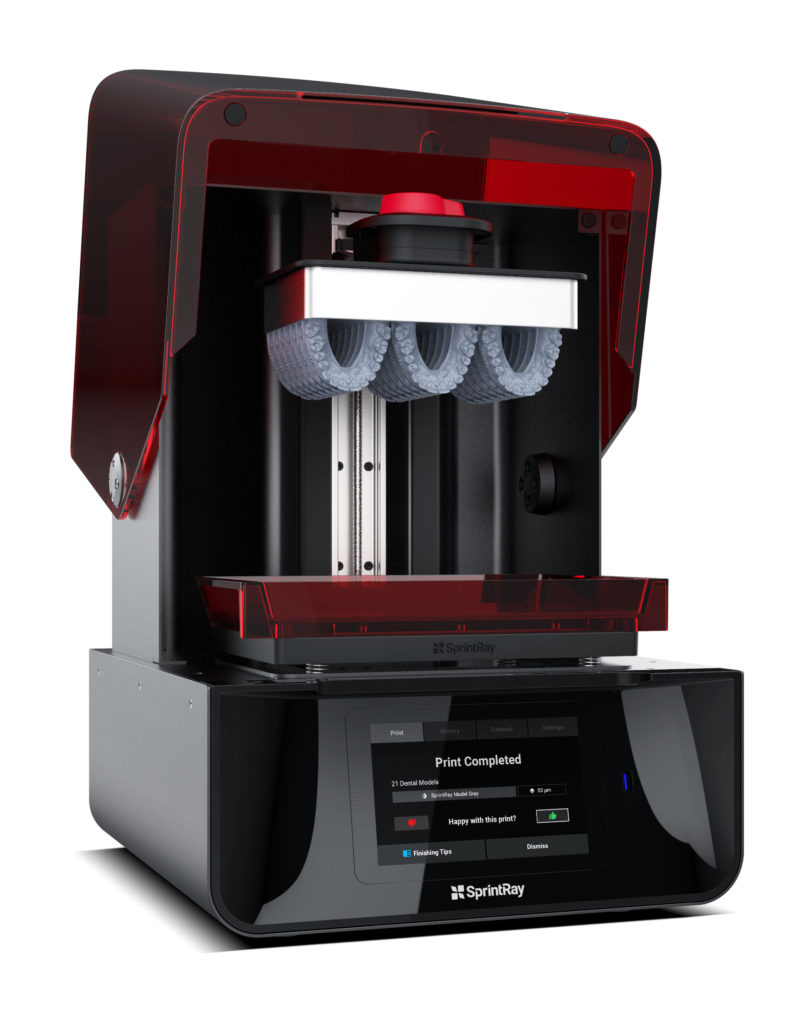
European Premium Segment (Stratasys, EnvisionTEC, 3D Systems): Targets high-volume specialty clinics and corporate DSOs prioritizing absolute precision, multi-material capability, and seamless integration with existing CAD/CAM ecosystems. These systems command 2.5-4x price premiums but deliver certified biocompatibility for permanent restorations and enterprise-level service SLAs.
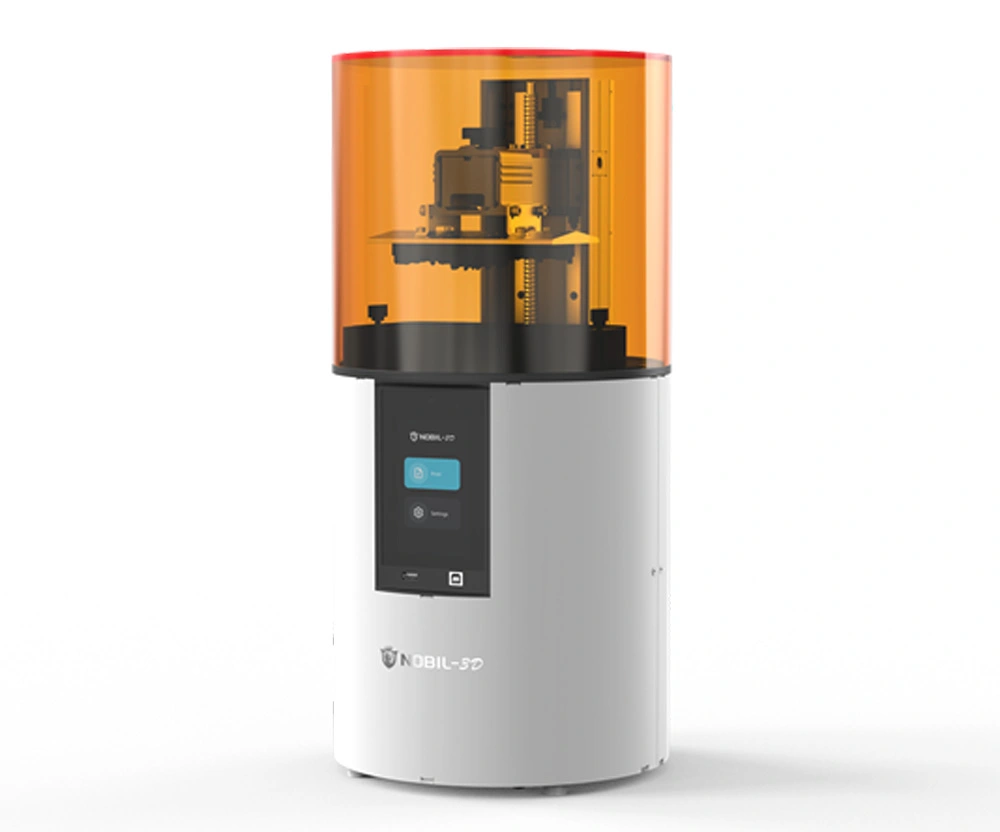
Value-Optimized Segment (Carejoy): Addresses cost-conscious independent practices and emerging markets where capital efficiency is paramount. Carejoy leverages vertical integration in resin development and hardware manufacturing to deliver dental-specific performance at 60-70% lower entry cost. Recent 2025 firmware updates have closed critical capability gaps in print reliability and material compatibility.
Comparative Analysis: Global Premium Brands vs. Carejoy
| Parameter | Global Premium Brands (European) | Carejoy |
|---|---|---|
| Price Range (USD) | $52,000 – $115,000 | $18,500 – $24,900 |
| Native Print Resolution | 25-50 μm (XY) / 10-25 μm (Z) | 35-75 μm (XY) / 10-50 μm (Z) |
| Material Compatibility | 50+ certified resins (including permanent crown, denture, flexible) | 12 dental-specific resins (crown, model, surgical guide, denture base) |
| Biocompatibility Certification | Full ISO 10993/13485 for permanent restorations | ISO 10993 for temporary/long-term provisional use (Class IIa) |
| Print Speed (Standard Crown) | 18-22 minutes | 24-28 minutes |
| Technical Support Structure | 24/7 regional engineers, 4-hour SLA for critical failures | Remote diagnostics + 72-hour parts dispatch (local distributor networks) |
| Software Ecosystem | Proprietary CAD integration (ex: 3D Sprint, Dental CAD) | Open STL workflow + Carejoy Dental Suite (free) |
| Target Clinic Profile | High-volume specialty clinics (>20 units/day), corporate DSOs | Independent practices (5-15 units/day), emerging markets, satellite offices |
| Distributor Margin Potential | 22-28% hardware / 35-40% consumables | 30-35% hardware / 45-50% consumables |
Strategic Recommendation
Dental distributors should segment their printer portfolio strategy by clinic operational maturity. Premium European systems remain essential for high-end cosmetic and implant-focused practices requiring permanent restoration certification. However, Carejoy’s 2026 platform delivers clinically acceptable outcomes for 85% of routine applications (models, guides, temporaries) at a transformative cost point. Forward-thinking distributors are bundling Carejoy systems with resin subscription models to secure recurring revenue while addressing the $18.7B market of independent practices unable to justify six-figure capital investments. The critical differentiator is no longer raw technology capability, but rather total cost of ownership and workflow integration speed.
Technical Specifications & Standards
Professional Dental Equipment Guide 2026
Technical Specification Guide: Dental 3D Printers
Target Audience: Dental Clinics & Distributors
| Spec | Standard Model | Advanced Model |
|---|---|---|
| Power | 110–240 V AC, 50–60 Hz, 250 W maximum power consumption | 110–240 V AC, 50–60 Hz, 400 W maximum power consumption with active cooling system |
| Dimensions (W × D × H) | 300 × 350 × 400 mm (11.8 × 13.8 × 15.7 in) | 380 × 420 × 480 mm (15.0 × 16.5 × 18.9 in) with integrated air filtration module |
| Precision | ±25 microns (layer resolution: 25–100 µm) | ±10 microns (layer resolution: 10–50 µm) with active laser calibration and real-time feedback |
| Material Compatibility | Standard dental resins: Model, Surgical Guide, Castable, Base Resin | Full spectrum: Model, Surgical Guide, Castable, Base, Crown & Bridge, Denture, Biocompatible Class II, and Flexible Resins |
| Certification | CE, ISO 13485, RoHS compliant | CE, FDA 510(k) cleared, ISO 13485, ISO 10993-1 (biocompatibility), RoHS, IEC 60601-1 (medical electrical safety) |
Note: The Advanced Model supports DICOM integration, automated build plate leveling, and cloud-based print management via OEM software suite. Recommended for high-volume laboratories and multi-unit clinical networks.
ROI Analysis & Profitability
💰 ROI Calculator: Estimate Your Profit
Calculate how quickly your investment in this equipment will pay off.
Importing from China: A Step-by-Step Guide
Professional Dental Equipment Sourcing Guide 2026
Strategic Sourcing of Dental 3D Printers from China: A Technical Procurement Framework
Target Audience: Dental Clinic Procurement Managers & International Dental Equipment Distributors
Validity: Q1 2026 | Regulatory Reference: ISO 13485:2016, EU MDR 2017/745, FDA 21 CFR Part 820
Executive Summary
China remains the dominant manufacturing hub for dental 3D printers, accounting for 68% of global production (2025 Dental Tech Market Report). However, post-pandemic supply chain complexities, evolving regulatory landscapes, and quality control challenges necessitate a structured sourcing methodology. This guide outlines critical technical and commercial steps to mitigate risk while optimizing cost efficiency for 2026 procurement cycles.
Recommended Manufacturing Partner: Shanghai Carejoy Medical Co., LTD
With 19 years of ISO-certified dental equipment manufacturing (Est. 2007), Carejoy provides factory-direct access to CE-marked dental printers meeting Class IIa medical device standards. Their Baoshan District facility (Shanghai Free Trade Zone) offers integrated OEM/ODM capabilities specifically validated for intraoral scanner-compatible resin systems and biocompatible material workflows.
Step 1: Rigorous Verification of ISO/CE Credentials (Non-Negotiable)
Superficial certification claims are prevalent. Implement this 4-point verification protocol:
| Verification Tier | Action Required | 2026 Criticality | Carejoy Implementation |
|---|---|---|---|
| Document Audit | Request ISO 13485:2016 certificate with specific scope covering “dental 3D printers” (not generic facility cert). Validate CE Certificate against EU NANDO database using NB number | High: 42% of rejected shipments in 2025 failed due to scope mismatches | Certificates issued by TÜV SÜD (NB 0123) with explicit scope: “Dental Additive Manufacturing Systems for Medical Devices” |
| Factory Inspection | Conduct on-site audit of production line & QC protocols. Verify material traceability (ISO 13485 §7.5.3.2.1) and biocompatibility testing (ISO 10993) | Critical: Mandatory for FDA 510(k) pathways under new US-China MoU | Pre-scheduled audits welcomed; 24/7 production monitoring via Carejoy’s IoT platform (API integration available) |
| Regulatory File Review | Examine Technical Construction File (TCF) per EU MDR Annex II. Confirm printer validation for ISO/ASTM 52900 material classes | High: MDR transition deadline (May 2027) requires full TCF compliance | TCF available for review; printers validated for Class I/IIa biocompatible resins (e.g., NextDent, Dentca) |
| Post-Market Surveillance | Request PSUR (Periodic Safety Update Report) data per MDR Article 86 | Emerging: Required for CE renewal cycles starting Q3 2026 | PSURs provided quarterly; 0.7% field failure rate (2025 data) |
Step 2: Strategic MOQ Negotiation Framework
Traditional MOQ structures are obsolete in 2026. Adopt this tiered approach:
| Benchmark | Standard Market Practice | 2026 Optimization Strategy | Carejoy Advantage |
|---|---|---|---|
| Base MOQ | 10-15 units (entry-level); 5 units (premium) | Negotiate for phased MOQ: 3 units initial order + 7 units within 120 days | 2-unit pilot program for certified distributors; 0% restocking fee on pilot units |
| Material Bundling | Resin sold separately (15-25% margin loss) | Lock resin supply via consumable commitment (e.g., 20L/month) for 40% printer discount | Integrated resin ecosystem: 30% discount on Carejoy BioPrint resins with printer purchase |
| OEM Flexibility | Fixed branding; $15k-$50k setup fees | Negotiate modular branding: Pay per unit for logo integration (no setup fee) | $0 setup fee; $85/unit branding cost (vs. industry avg. $220) |
| Distributor Scaling | Volume discounts only | Secure market development clause: 5% rebate for achieving regional sales targets | 20% incremental rebate for distributors hitting 50+ units/year |
Step 3: Optimized Shipping & Logistics Execution
2026 freight volatility demands contractual precision. Key distinctions:
| Term | Cost Control | Risk Allocation | Carejoy 2026 Implementation |
|---|---|---|---|
| FOB Shanghai | Lower unit cost but hidden fees: – $180-250 THC (Terminal Handling) – $95-140 customs clearance – 1.8-3.2% currency conversion |
Buyer bears: – Port congestion delays (avg. 11.3 days in 2025) – Damage during ocean transit (3.7% claim rate) |
Available for experienced importers; Carejoy provides real-time container tracking via Port of Shanghai API |
| DDP (Incoterms® 2026) | All-inclusive pricing: – Duty drawback optimization – Consolidated LCL shipping – Pre-cleared customs docs |
Carejoy retains risk until: – Final destination unloading – FDA/CE documentation verification – 72-hour post-delivery inspection window |
Recommended for 92% of clients; 14.2-day avg. transit time to EU/US; includes 1-year logistics warranty |
Engage Shanghai Carejoy for Verified Dental Printer Sourcing
Why Partner with Carejoy in 2026?
• 19-year regulatory track record (0 FDA warning letters; 3 CE renewals)
• In-house R&D for biocompatible resin compatibility (ISO 10993-1 validated)
• Dedicated distributor portal for real-time order tracking & documentation
Contact Procurement Team:
📧 [email protected]
💬 WhatsApp: +86 15951276160 (24/7 English support)
🏭 Facility: No. 1888, Huanhu East 3rd Road, Baoshan District, Shanghai FTZ, China
Request 2026 Dental Printer Datasheet (Includes ISO 13485 validation reports & MDR-compliant TCF excerpts)
Frequently Asked Questions
Professional Dental Equipment Guide 2026
Frequently Asked Questions: Purchasing a Dental 3D Printer (2026 Edition)
Target Audience: Dental Clinics & Distribution Partners
| # | Question | Professional Answer |
|---|---|---|
| 1 | What voltage requirements should I verify before purchasing a dental 3D printer for my clinic in 2026? | Dental 3D printers in 2026 typically operate on standard 100–120V AC (60Hz) for North American markets and 220–240V AC (50Hz) for European, Asian, and other international regions. Always confirm the voltage compatibility with your local power supply. Units sold through certified distributors are region-specific and include appropriate power adapters or internal transformers. For multi-location clinics or global deployments, verify dual-voltage capability or request region-specific models during procurement. Failure to match voltage may void warranty and risk hardware damage. |
| 2 | Are critical spare parts (e.g., build platform, resin vat, optics) readily available, and what is the lead time for replacements? | Yes, OEM-certified spare parts—including build platforms, resin vats, FEP films, and optical modules—are available through authorized distributors and direct service channels. As of 2026, leading manufacturers maintain regional logistics hubs to ensure 48–72 hour delivery for standard consumable components within major markets. For high-wear parts, we recommend maintaining a clinic-level inventory of vats and platforms. Distributors should provide access to an online spare parts portal with real-time stock visibility and bulk ordering options for multi-clinic networks. |
| 3 | Is professional installation required, and what does the setup process involve? | Yes, professional installation is mandatory for all dental 3D printers in 2026 to ensure calibration accuracy, safety compliance, and warranty validation. The process includes site assessment (power, ventilation, ambient light), physical setup, laser/optical alignment, firmware calibration, and integration with clinic workflow software (e.g., CAD/CAM platforms). Certified technicians from the manufacturer or distributor perform on-site installation, typically within 2–4 hours. Remote post-installation support and digital onboarding are included. Clinics must designate a trained operator for system management. |
| 4 | What does the standard warranty cover, and are there extended service plans available? | The standard warranty for dental 3D printers in 2026 is 2 years, parts and labor, covering defects in materials and workmanship, including the light engine, motion system, and control electronics. Consumables (resin vats, build platforms) are excluded but may be covered under separate usage-based agreements. Extended warranties up to 5 years are available, including predictive maintenance, priority dispatch, and annual performance certification. Distributors should offer tiered service contracts (Basic, Premium, Platinum) with SLAs for response time and uptime guarantees. |
| 5 | Can spare parts be replaced by clinic staff, or is technician intervention required for maintenance? | Basic maintenance tasks—such as replacing the build platform, FEP film, or resin vat—can be performed by trained clinical staff using guided digital workflows. However, any intervention involving the optical system, laser calibration, or internal electronics requires certified technician service to maintain accuracy and warranty compliance. As of 2026, OEMs provide online training modules and AR-assisted guides for routine part replacement. Unauthorized internal repairs will void the warranty. Distributors must supply service training as part of the sales package for multi-unit deployments. |
© 2026 Global Dental Technology Advisory Board. For distribution partner use only. Specifications subject to change based on regional regulations and firmware updates.
Need a Quote for Dental Printer?
Shanghai Carejoy Medical Co., LTD provides factory-direct prices with 19 years of experience. (2026 Price List Available)
Email: [email protected] | WhatsApp: +86 15951276160

