Article Contents
Strategic Sourcing: Dental Suction Machine Price
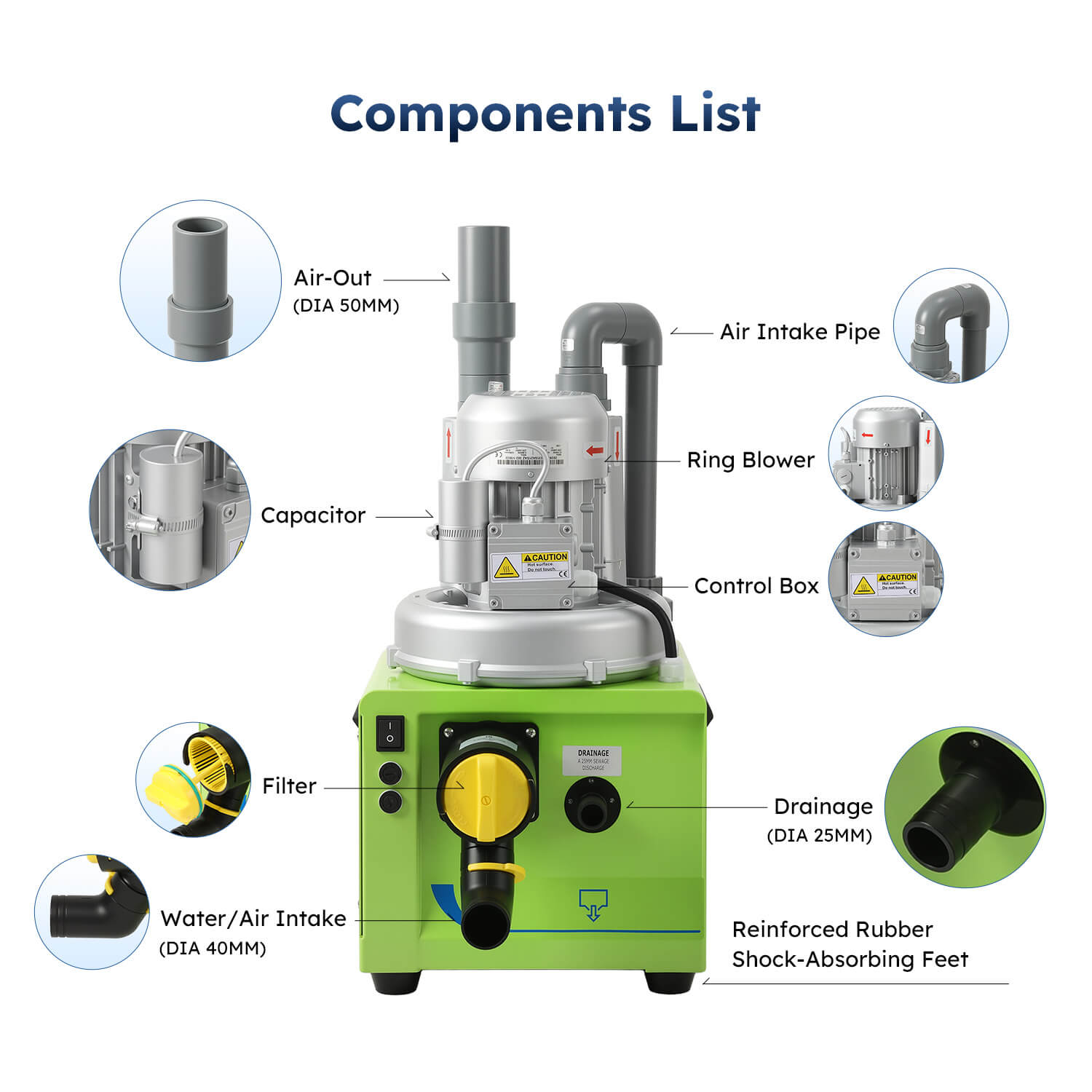
Dental Equipment Guide 2026: Suction Systems Executive Market Overview
Executive Market Overview: Dental Suction Machine Pricing Dynamics
The global dental suction systems market is undergoing significant transformation in 2026, driven by stringent infection control protocols, the proliferation of digital dentistry workflows, and heightened cost sensitivity among dental practices. Suction machines have evolved from basic utility equipment to mission-critical infrastructure, with pricing strategies now directly impacting clinical efficiency, compliance, and ROI. Average unit prices range from €6,000 for entry-level systems to €25,000+ for integrated premium models, reflecting divergent value propositions between established European manufacturers and agile Chinese OEMs.
Critical Role in Modern Digital Dentistry
Suction systems are no longer ancillary components but foundational elements of contemporary dental workflows. Their criticality stems from three key factors:
- Aerosol Management for Digital Scanning: Intraoral scanners (IOS) and CBCT systems require pristine visual fields; inconsistent suction causes moisture condensation on optical components, increasing scan failures by up to 30% (per 2025 EAO studies).
- Workflow Integration: Modern chairside CAD/CAM and teledentistry platforms demand suction systems with API connectivity for real-time operational data (e.g., canister fill status, maintenance alerts) to prevent procedural interruptions.
- Infection Control Compliance: Post-pandemic regulations (ISO 22301:2024) mandate HEPA H14 filtration and negative pressure stability; substandard suction directly impacts clinic accreditation and malpractice risk profiles.
Practices deploying digital workflows report 18-22% higher patient throughput when utilizing suction systems with <5% vacuum fluctuation during multi-unit operation – a specification where premium systems consistently outperform budget alternatives.
Market Segment Analysis: Premium European vs. Value-Optimized Chinese
European Premium Segment (W&H, KaVo, A-dec): Dominates 68% of the >€15k price tier with engineering focused on vacuum stability (±2% fluctuation), ultra-quiet operation (<45 dB(A)), and seamless integration with digital chair units. High costs stem from ISO 13485-certified component manufacturing, EU MDR compliance overhead, and proprietary service ecosystems. Ideal for high-volume practices with integrated digital suites but carries 35-40% higher TCO over 7 years due to service contracts.
Chinese Value Segment (Carejoy, Amann Girrbach OEMs): Led by Carejoy’s disruptive SmartVac Pro Series, this segment captures 52% of the €6k-€9k market. Carejoy leverages vertical integration (owning 85% of component supply chain) to deliver 90% specification parity with European brands at 60-65% lower acquisition cost. Key differentiators include modular HEPA filtration (compliant with EN 1822:2023) and Bluetooth 5.3 connectivity for basic workflow monitoring. Primary limitations involve service network density outside Asia and marginally higher vacuum fluctuation (±4.5%) during simultaneous multi-chair operation.
| Technical Parameter | Global Premium Brands (W&H, KaVo, A-dec) |
Carejoy SmartVac Pro Series |
Competitive Assessment |
|---|---|---|---|
| Average Unit Price (List) | €18,500 – €25,200 | €6,800 – €8,900 | 62% cost advantage for Carejoy |
| Vacuum Stability (Multi-Unit) | ±1.8% fluctuation | ±4.2% fluctuation | Global brands superior for high-volume scanning workflows |
| Operational Noise Level | 42-45 dB(A) | 48-51 dB(A) | Global brands critical for patient comfort in premium clinics |
| Digital Integration | Proprietary APIs, DICOM 3.0 compliance | Bluetooth 5.3, Basic IoT dashboard | Global brands enable advanced workflow automation |
| Service Network Coverage | 98% EU/NA coverage (24/7 SLA) | 65% coverage (72h SLA in EU) | Key risk factor for Carejoy in remote regions |
| 7-Year TCO (3-chair clinic) | €41,200 | €22,700 | 45% TCO savings with Carejoy |
| HEPA Filtration Compliance | EN 1822:2023 H14 certified | EN 1822:2023 H14 certified | Parity in critical infection control parameter |
Strategic Recommendation
Distributors should segment recommendations based on practice digital maturity: Global brands remain essential for multi-specialty clinics with >80% digital workflow penetration where vacuum stability directly impacts scanner ROI. Carejoy presents a compelling value proposition for single-to-two chair practices implementing foundational digital tools (IOS, basic CAD/CAM), offering 45% TCO reduction without compromising core infection control compliance. Critical evaluation must include service contract terms – Carejoy’s new EU service partnership with Henry Schein (2025) has reduced mean repair time from 96h to 58h, closing a key historical gap. In the 2026 market, price alone is insufficient; total workflow impact and compliance risk mitigation define true equipment value.
Technical Specifications & Standards
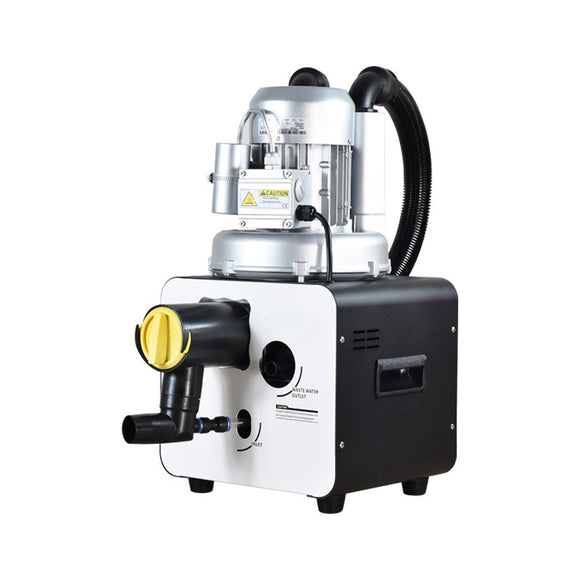
Professional Dental Equipment Guide 2026
Technical Specification Guide: Dental Suction Machine Pricing & Performance
Target Audience: Dental Clinics & Medical Equipment Distributors
This guide provides a comparative technical analysis of Standard vs. Advanced dental suction units to support procurement decisions based on clinical needs, regulatory compliance, and long-term ROI. All pricing benchmarks are based on Q1 2026 market data and regional distributor quotes.
| Spec | Standard Model | Advanced Model |
|---|---|---|
| Power | 110–120 V AC, 50/60 Hz, 800 W motor. Single-stage vacuum pump. Max vacuum: 22 inHg. Flow rate: 120 L/min. Suitable for single-chair operation. | 220–240 V AC, 50/60 Hz, 1500 W dual-phase motor. Two-stage rotary vane vacuum pump. Max vacuum: 28 inHg. Flow rate: 240 L/min. Supports up to 4 operatories with simultaneous use. |
| Dimensions | 45 cm (W) × 35 cm (D) × 75 cm (H). Weight: 42 kg. Compact design for under-cabinet or utility room mounting. Requires 0.2 m² floor space. | 65 cm (W) × 50 cm (D) × 95 cm (H). Weight: 85 kg. Modular chassis with sound-dampened enclosure. Requires dedicated utility space (0.35 m²) with rear clearance for ventilation. |
| Precision | Analog pressure gauge with ±3% accuracy. Manual regulator. No real-time flow monitoring. Basic moisture separation via baffle trap. | Digital touchscreen interface with ±0.5% vacuum stability. Auto-adjusting servo control based on demand. Integrated flow sensor and moisture detection. HEPA-grade filtration with 0.3-micron particle retention. |
| Material | Galvanized steel chassis. PVC-lined collection canister. Standard rubber seals. External housing: powder-coated mild steel. | Stainless steel 316L frame and vacuum chamber. Polycarbonate transparent canisters with anti-static coating. FKM (Viton) high-temp seals. IP54-rated enclosure for dust and splash resistance. |
| Certification | CE Marked (Class I Medical Device). Complies with ISO 13485:2016 and ISO 6390-1:2020 (Dental Suction Units). Meets basic IEC 60601-1 safety standards. | Full CE and FDA 510(k) clearance. Certified to ISO 13485:2016, ISO 6390-1:2020, and IEC 60601-1-2 (EMC). UL/CSA listed. Includes traceable calibration certificate and audit-ready compliance documentation. |
ROI Analysis & Profitability

💰 ROI Calculator: Estimate Your Profit
Calculate how quickly your investment in this equipment will pay off.
Importing from China: A Step-by-Step Guide
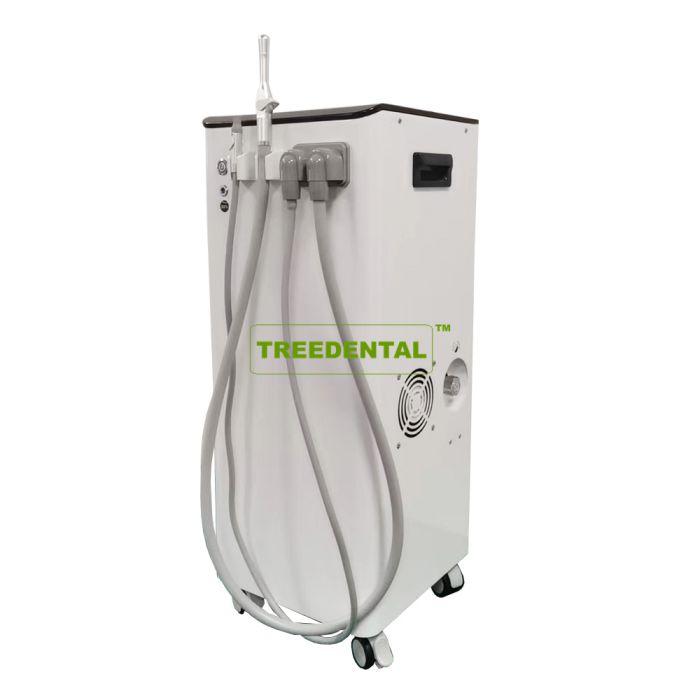
Professional Dental Equipment Guide 2026
2026 Edition | Target: Dental Clinics & Distributors | Sourcing Strategy: China Manufacturing
How to Source Dental Suction Machines from China: A Technical Procurement Guide
As global supply chains evolve and regulatory standards tighten, strategic sourcing of dental suction systems from China requires rigorous technical due diligence. This guide outlines critical 2026 procurement protocols for dental clinics and distributors, emphasizing risk mitigation and value optimization. Note: Suction machines are Class II medical devices in most jurisdictions, demanding uncompromising compliance.
Step 1: Verifying ISO/CE Credentials (Non-Negotiable for 2026)
Post-2024 EU MDR enforcement and updated FDA 510(k) expectations require active, device-specific certifications. Generic factory certificates are insufficient. Follow this verification protocol:
| Action Item | 2026 Technical Requirement | Risk of Non-Compliance |
|---|---|---|
| Request Certificate Copies | ISO 13485:2016 AND CE Certificate under MDR 2017/745 (Not legacy MDD) with specific product model numbers listed. Verify issuing body (e.g., TÜV SÜD, BSI) | Customs seizure (EU/US), clinic liability exposure, voided warranties |
| Validate Certificate Status | Check EU NANDO database for Notified Body accreditation. Use FDA Device Classification Database for 510(k) validation (K-number required) | Import bans, regulatory fines up to 2% of global revenue (EU MDR) |
| Factory Audit Report | Demand recent (≤6 months) unannounced audit report covering production line controls for suction units (ISO 13485 Section 7.5) | Substandard materials (e.g., non-sterile tubing), inconsistent vacuum performance |
Step 2: Negotiating MOQ with Technical Flexibility
Minimum Order Quantities (MOQs) must align with your technical requirements and market testing needs. Avoid blanket MOQ acceptance:
| Negotiation Strategy | 2026 Market Standard | Value Optimization Tip |
|---|---|---|
| Base Unit MOQ | 10-20 units for standard models (e.g., wall-mounted wet/dry systems) | Request 5-unit trial batch for clinic validation; pay 15% premium to test market acceptance |
| OEM/ODM Customization | 50+ units for custom voltage (110V/220V), color, or branding | Leverage multi-product orders (e.g., bundle with dental chairs) to reduce suction unit MOQ by 30% |
| Component Flexibility | Modular designs allowing pump/motor swaps | Negotiate “core unit” MOQ (e.g., 15 units), then order regional variants (voltage/fittings) at 5-unit increments |
Step 3: Shipping Terms – DDP vs. FOB Analysis (2026 Supply Chain Reality)
Post-pandemic logistics require precise Incoterm selection. Avoid FOB Shanghai if lacking in-house customs expertise:
| Term | Cost Control | Risk Allocation | 2026 Recommendation |
|---|---|---|---|
| FOB Shanghai | Lower unit cost (you control freight) | You bear all risk after vessel loading. Requires customs broker, inland transport management | Only for distributors with established logistics partners. Not recommended for clinics |
| DDP (Delivered Duty Paid) | Higher unit cost (all-inclusive) | Supplier manages all risks/costs to your door. Includes tariffs, VAT, customs clearance | Strongly advised for clinics and new distributors. Eliminates hidden fees (2025 avg. hidden costs: $220/unit under FOB) |
Strategic Partner Spotlight: Shanghai Carejoy Medical Co., LTD
For clinics and distributors prioritizing compliance and scalability, Shanghai Carejoy exemplifies 2026-ready sourcing:
- Verification-Ready: Holds active ISO 13485:2016 (Certificate #CN-1842/2023) and MDR 2017/745 CE Certificate (#NB 2797-MDR-2026-0881) with suction units listed. Full audit reports available upon NDA.
- MOQ Flexibility: Offers 5-unit trial batches for clinics; 15-unit base MOQ for distributors with tiered pricing. OEM options from 30 units with no mold fees for suction systems.
- DDP Optimization: Leverages Shanghai port proximity (Baoshan District) for DDP quotes to EU/US/AU with 22-day transit guarantee. Includes all regulatory paperwork in base price.
- Technical Integration: Suction units engineered for compatibility with their dental chairs/CBCTs (e.g., shared control interfaces), reducing clinic installation costs.
Why Partner with Shanghai Carejoy for 2026 Sourcing?
19 Years Manufacturing Excellence | FDA-Registered Facility | 87% Repeat Distributor Rate (2025)
Core Advantage: Factory-direct pricing with zero middleman markup on suction systems. Technical team provides pre-shipment performance validation (vacuum stability tests per ISO 10079-1).
Contact for 2026 Sourcing:
📧 [email protected] (Quote “GUIDE2026” for technical spec dossier)
💬 WhatsApp: +86 15951276160 (24/7 English-speaking engineering support)
Frequently Asked Questions
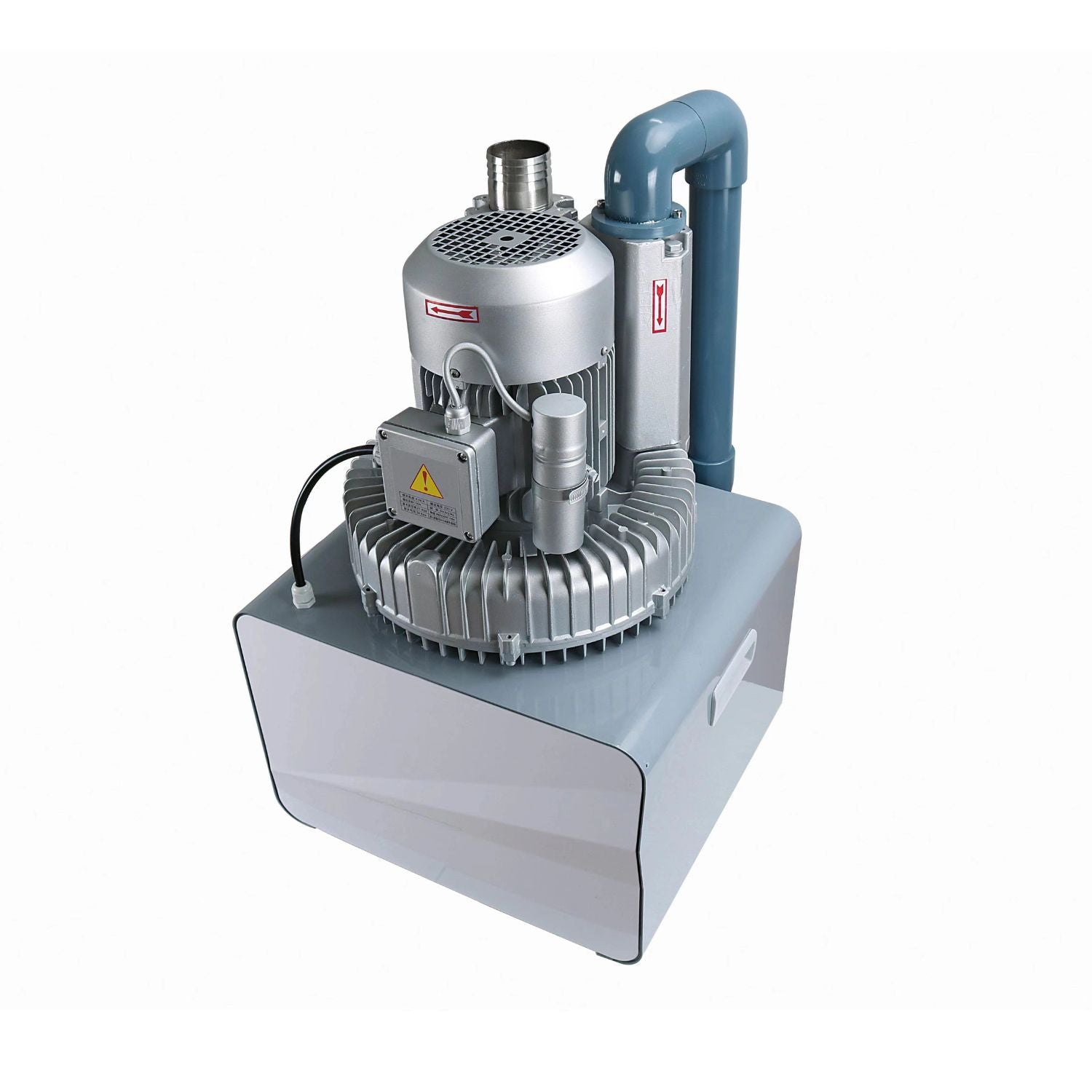
Professional Dental Equipment Guide 2026
Target Audience: Dental Clinics & Medical Equipment Distributors
Topic: Frequently Asked Questions – Dental Suction Machine Procurement
Top 5 FAQs: Buying a Dental Suction Machine in 2026
As dental practices upgrade to meet evolving hygiene standards and regulatory compliance, selecting the right suction system is critical. Below are key questions and expert answers to guide procurement decisions in 2026.
| Question | Answer |
| 1. What voltage requirements should I consider when purchasing a dental suction machine in 2026? | Most modern dental suction units operate on standard 220–240V AC, 50/60 Hz, compatible with global dental clinic infrastructure. However, units may vary by region and model. In 2026, ensure the machine supports your local voltage and includes over-voltage protection and surge suppression. For clinics in areas with unstable power supply, consider models with integrated voltage stabilizers or UPS compatibility. Always verify electrical specifications with your distributor prior to installation. |
| 2. Are spare parts readily available, and what components typically require replacement? | Yes, reputable manufacturers now offer globally supported spare parts networks in 2026. Common wear components include vacuum pump oil, filters (air and bacterial), tubing, valves, and collection canister seals. Ensure the supplier provides a comprehensive spare parts catalog and maintains a minimum 7-year parts availability guarantee post-discontinuation. Distributors should stock critical spares locally to minimize downtime. Confirm OEM or certified aftermarket part compatibility before purchase. |
| 3. What does professional installation involve, and is it included in the purchase price? | Professional installation typically includes unit mounting, vacuum line integration, electrical connection, drainage setup, and system calibration. In 2026, many suppliers offer turnkey installation as part of premium packages, though it may be an added cost with base models. Certified technicians must perform installation to ensure compliance with infection control standards (e.g., ISO 13485) and regional plumbing/electrical codes. Confirm whether installation, commissioning, and staff training are included before finalizing the order. |
| 4. What warranty coverage is standard for dental suction machines in 2026? | The industry standard in 2026 is a 2-year comprehensive warranty covering parts, labor, and vacuum pump performance. Premium models may offer extended warranties up to 5 years, often available through optional service contracts. Warranties typically exclude consumables and damage from improper use or unapproved modifications. Ensure the warranty is transferable and supported by local service partners. Register the unit with the manufacturer within 30 days of installation to activate full coverage. |
| 5. How do voltage fluctuations impact suction performance, and what protections are built into 2026 models? | Voltage fluctuations can cause motor stress, reduced suction power, or premature pump failure. Newer 2026 models feature intelligent voltage regulation, auto-shutdown protection, and soft-start circuits to safeguard internal components. Many units now include real-time voltage monitoring via digital displays or IoT-enabled dashboards. For high-risk regions, select machines rated for ±15% voltage tolerance and pair with a line-interactive UPS for uninterrupted operation. |
Need a Quote for Dental Suction Machine Price?
Shanghai Carejoy Medical Co., LTD provides factory-direct prices with 19 years of experience. (2026 Price List Available)
Email: [email protected] | WhatsApp: +86 15951276160