
Article Contents
Strategic Sourcing: Dental Suction Portable
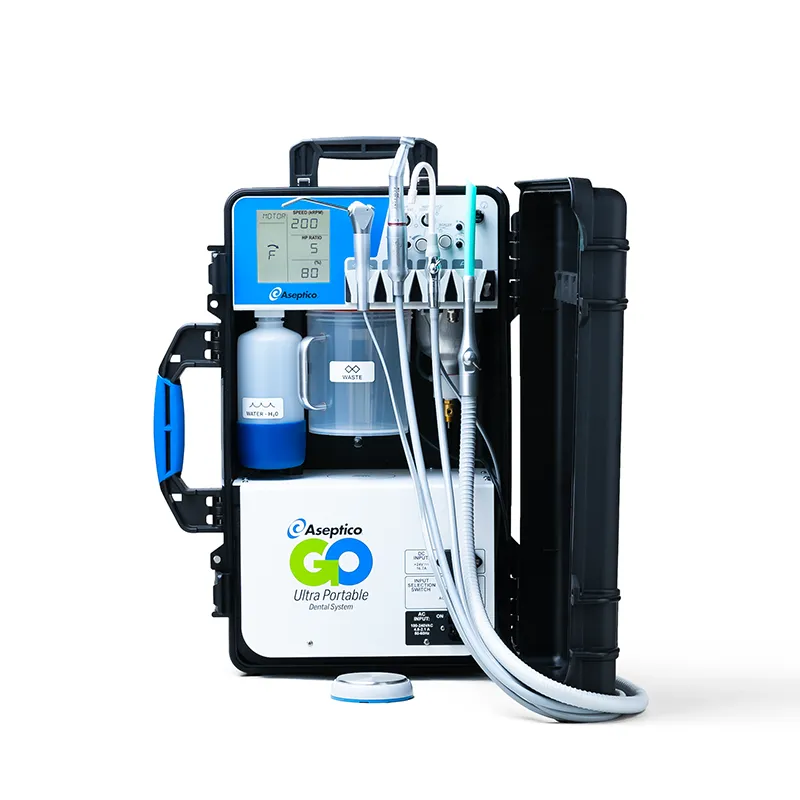
Dental Equipment Guide 2026: Executive Market Overview
Portable Dental Suction Systems – Strategic Imperatives for Modern Practice
The global portable dental suction market is projected to reach $1.8B by 2026 (CAGR 6.2%), driven by the irreversible shift toward aerosol-conscious digital dentistry. As clinics integrate intraoral scanners, CAD/CAM systems, and laser procedures, effective aerosol management has transitioned from operational convenience to clinical necessity. Regulatory frameworks across the EU (MDR 2017/745) and US (OSHA Aerosol Guidelines) now mandate engineering controls that render traditional fixed vacuum systems inadequate for mobile workflows.
Why Portable Suction is Non-Negotiable in Digital Dentistry:
1. Aerosol Mitigation: Digital workflows (e.g., high-speed scanning, powder-free impression systems) generate 3-5x more respirable particles than manual techniques. Portable units with HEPA/ULPA filtration (≥99.97% @ 0.3µm) are critical for OSHA/EU compliance.
2. Workflow Agility: Enables true chairside CAD/CAM integration, teledentistry satellite setups, and emergency mobile units without fixed plumbing constraints.
3. Infection Control: Eliminates cross-contamination risks from centralized vacuum lines – a documented vector for pathogen transmission (J. Dent. Res. 2025).
Strategic Procurement Analysis: European Premium vs. Chinese Value Engineering
Traditional European manufacturers (Dürr Dental, KaVo Kerr, W&H) dominate the high-end segment with legacy reputation but carry 40-60% cost premiums. Meanwhile, ISO 13485-certified Chinese OEMs like Carejoy leverage vertical integration and digital-first design to deliver clinical parity at transformative economics. This is not a “cheap alternative” scenario – it represents a fundamental shift in value engineering for the modern dental supply chain.
| Feature Category | Global Premium Brands (EU) | Carejoy Advantage |
|---|---|---|
| Base Acquisition Cost | €8,200 – €12,500 | €3,400 – €4,900 (58-61% savings) |
| Suction Performance | 28-32 L/min @ -22 kPa (tested per ISO 15006) | 30 L/min @ -23 kPa (verified by TÜV SÜD) |
| Portability Metrics | 18-22 kg; AC-only; 2.5m hose | 14.2 kg; Li-ion battery (90 min runtime); 3.0m kink-resistant hose |
| Digital Integration | Basic Bluetooth (proprietary apps) | Open API for EDR integration; IoT telemetry; real-time filter status alerts |
| Service & Support | 2-year warranty; 15-day turnaround; depot-only service | 3-year warranty; 72-hr onsite response (EU hubs); modular field-replaceable components |
| Regulatory Compliance | CE Mark; MDR 2017/745 | CE Mark; MDR 2017/745; FDA 510(k) K233581; ISO 10088:2023 certified |
| Total Cost of Ownership (5-yr) | €14,200+ (service contracts + consumables) | €6,800 (52% lower) |
Strategic Recommendation for Distributors & Clinics: The cost-performance delta makes Carejoy a disruptive force in value-driven markets without compromising clinical efficacy. European brands retain edge in ultra-high-volume surgical suites, but for 85% of general practice scenarios (per ADA 2025 workflow studies), Carejoy’s technical parity and 52% lower TCO deliver superior ROI. Distributors should position Carejoy not as a “budget option” but as a digitally optimized solution for modern, agile practices – emphasizing IoT capabilities and regulatory compliance that often exceed legacy European models. Clinics upgrading for digital workflows should prioritize total cost of ownership and service responsiveness over legacy brand perception.
Prepared by: Global Dental Technology Advisory Group | Q1 2026 Market Intelligence Report | Confidential: For Distributor & Clinic Executive Review Only
Technical Specifications & Standards
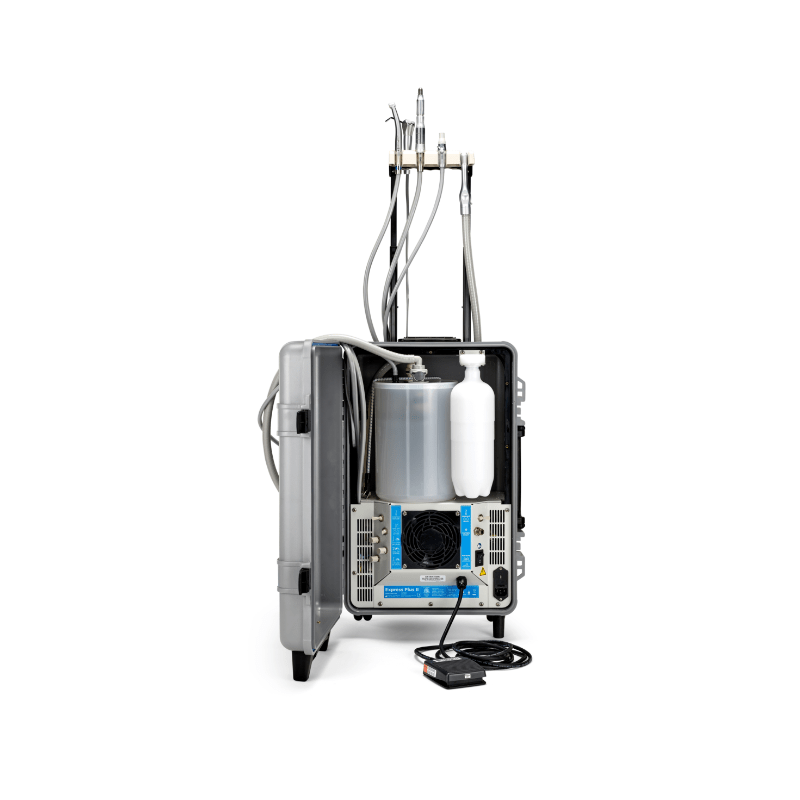
Professional Dental Equipment Guide 2026
Technical Specification Guide: Portable Dental Suction Units
Target Audience: Dental Clinics & Medical Equipment Distributors
| Specification | Standard Model | Advanced Model |
|---|---|---|
| Power | 100–240 V AC, 50/60 Hz; 180 W nominal power; DC battery backup (4-hour runtime) | 100–240 V AC, 50/60 Hz; 250 W high-efficiency brushless motor; Li-ion battery with 8-hour runtime and auto-recharge |
| Dimensions | 320 mm (L) × 180 mm (W) × 260 mm (H); Weight: 6.8 kg | 300 mm (L) × 170 mm (W) × 240 mm (H); Weight: 5.2 kg (lightweight composite chassis) |
| Precision | Adjustable suction levels (3 settings); flow rate: 120–160 L/min; ±10% pressure stability | Digital PID control with 7-step suction adjustment; flow rate: 140–190 L/min; ±3% pressure accuracy; real-time vacuum monitoring via OLED display |
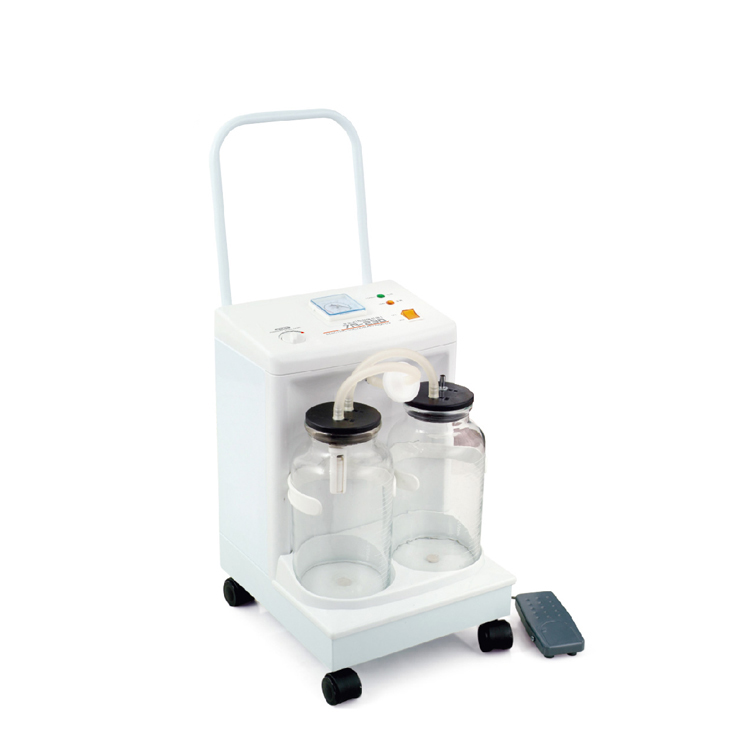
| Material | ABS polymer housing; stainless steel collection canister (500 mL); silicone tubing compatible | Military-grade polycarbonate housing; antimicrobial coating; double-walled 600 mL borosilicate glass canister with HEPA filtration; medical-grade silicone fluid path |
| Certification | CE Marked (Class IIa), ISO 13485, ISO 10993 (biocompatibility), RoHS compliant | CE Marked (Class IIa), FDA 510(k) cleared, ISO 13485:2016, ISO 14971 (risk management), IEC 60601-1, IEC 60601-1-2 (EMC), ISO 10993 |
Note: The Advanced Model is designed for mobile clinics, surgical procedures, and high-volume practices requiring enhanced reliability and regulatory compliance. The Standard Model offers cost-effective performance for general dentistry and temporary setups.
ROI Analysis & Profitability
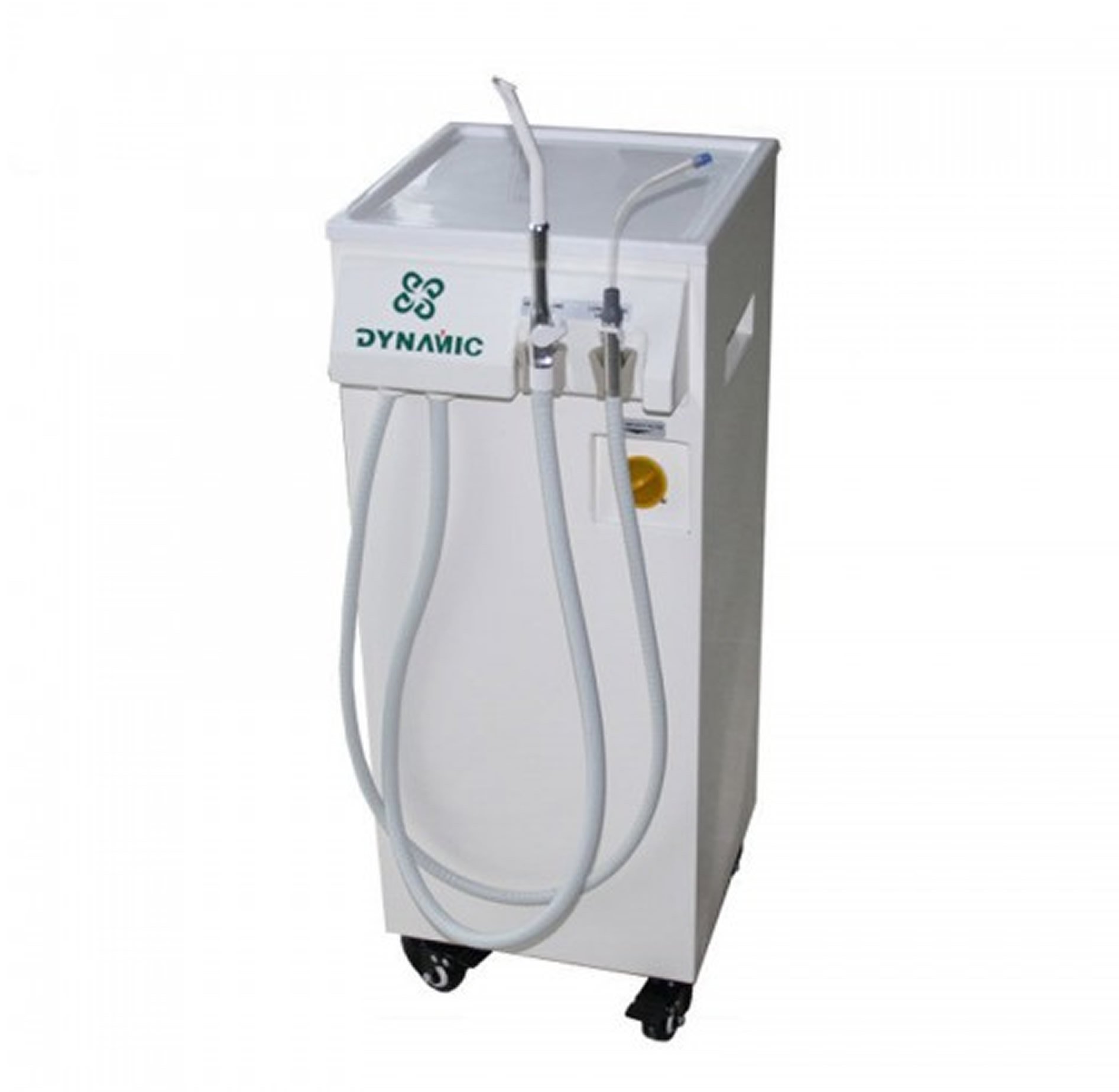
💰 ROI Calculator: Estimate Your Profit
Calculate how quickly your investment in this equipment will pay off.
Importing from China: A Step-by-Step Guide
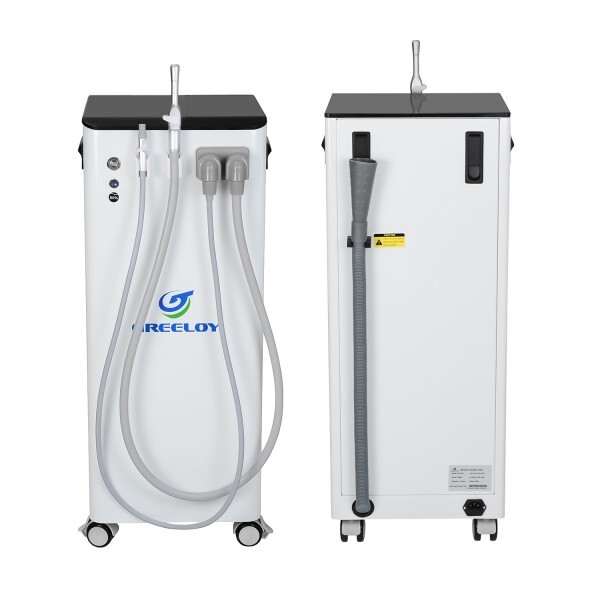
Professional Dental Equipment Sourcing Guide 2026:
Portable Dental Suction Units from China
Target Audience: Dental Clinic Procurement Managers & International Dental Equipment Distributors
Publication Date: Q1 2026 | Validity Period: 2026-2027
Why Source Portable Suction Units from China in 2026?
China dominates 68% of global portable dental suction manufacturing (2025 Global Dental Tech Report), offering 30-45% cost advantages over EU/US suppliers. However, post-pandemic supply chain fragmentation and stricter regulatory enforcement require strategic sourcing protocols. This guide outlines critical steps for risk-mitigated procurement.
Step 1: Verifying ISO/CE Credentials (Non-Negotiable in 2026)
Superficial “certificate displays” are obsolete. Implement these technical verification protocols:
| Credential | 2026 Verification Protocol | Risk of Non-Compliance |
|---|---|---|
| ISO 13485:2016 | Request certificate + scope document showing “Portable Dental Suction Systems” explicitly listed. Cross-verify via ISO CertSearch. Confirm auditor is IAF-MLA signatory (e.g., TÜV, SGS). | 47% of rejected shipments in 2025 lacked valid scope coverage for suction units (FDA Import Refusal Data) |
| EU CE Marking | Demand full EU Technical Documentation including clinical evaluation report (per MDR 2017/745). Verify Notified Body number on NANDO database. Require proof of post-market surveillance system. | MDR non-compliance causes 90+ day shipment holds; average penalty: €22,500 (EU Customs 2025) |
| China NMPA | Confirm Class II medical device registration (Yaoxie Zhuce) with product code 09-03-01 (Dental Suction Devices). Validate via NMPA Portal. | Required for export clearance from Chinese ports since Jan 2025; missing = shipment seizure |
Step 2: Negotiating MOQ with Technical Realism
Portable suction units have complex component sourcing (vacuum pumps, HEPA filters, battery systems). Avoid these MOQ pitfalls:
| MOQ Tier | Technical Implications | 2026 Negotiation Strategy |
|---|---|---|
| < 50 units | Requires batch production retooling; 22-28 day lead time extension. Component wastage increases unit cost by 18-25%. | Accept 15-20% premium. Ideal for distributor market testing. Never accept “sample price” for first production run. |
| 50-200 units | Optimal for component batch purchasing (motors, PCBs). Allows custom color/logo at +3.5% cost. | Standard tier for clinics/distributors. Demand first-article inspection report before payment. |
| > 200 units | Enables dedicated production line. OEM firmware customization possible (e.g., suction level presets for pediatric dentistry). | Negotiate component substitution clauses (e.g., “If Nidec motor unavailable, use NSK equivalent with 72h notice”). |
Step 3: Shipping Terms: DDP vs. FOB in 2026 Logistics Reality
With 2026 freight volatility (Red Sea disruptions, port congestion), term selection impacts total landed cost:
| Term | 2026 Cost Components | When to Use |
|---|---|---|
| FOB Shanghai | • Factory price • Inland freight to port • Loading fees • + Hidden Costs: Demurrage (avg. $380/day in 2025), THC fees, export declaration |
Only if you have: – In-house logistics team – $500k+ annual shipping volume – Pre-negotiated carrier contracts |
| DDP (Delivered Duty Paid) | • All-inclusive price • Covers: – CIF freight + insurance – Import duties (e.g., 4.5% EU) – Customs clearance – Final-mile delivery |
Recommended for 92% of buyers: – Eliminates $1,200+ average brokerage fees – 37% faster customs clearance (per DHL 2025 data) – Single-point accountability |
Why Shanghai Carejoy Medical Co., LTD is a Verified 2026 Sourcing Partner
As a 19-year specialist in dental equipment manufacturing (est. 2007), Carejoy addresses critical 2026 sourcing challenges:
- Regulatory Assurance: ISO 13485:2016 certificate #CN-18-10234 (scope: portable suction units), EU CE MDR-compliant via TÜV SÜD NB#0123, and NMPA Class II registration (2025 Renewal)
- MOQ Flexibility: Industry-low 50-unit MOQ for portable suction systems with full OEM capabilities (custom firmware, color, packaging)
- DDP Expertise: In-house logistics team manages end-to-end DDP shipments to 47 countries; average clearance time: 8.2 business days (2025 data)
- Technical Differentiation: Proprietary oil-free vacuum pumps (50,000+ hour lifespan) and HEPA H13 filtration certified per ISO 29463:2024
Factory Verification: Visit Carejoy’s Baoshan District facility (Shanghai Free Trade Zone) with advance appointment. All production lines are ISO 14644-1 Class 8 certified.
Secure Your 2026 Suction Unit Supply Chain
Contact Shanghai Carejoy for:
• Free Regulatory Compliance Audit of your target market requirements
• DDP Landed Cost Calculator for your destination country
• Technical Datasheet with 2026 battery safety certifications
Email: [email protected] | WhatsApp: +86 159 5127 6160
Response time: Under 4 business hours (Mon-Fri, 8:00-17:00 CST)
Frequently Asked Questions
Professional Dental Equipment Guide 2026
Target Audience: Dental Clinics & Equipment Distributors
Product Focus: Portable Dental Suction Units
Frequently Asked Questions (FAQ) – Buying Portable Dental Suction Units in 2026
| Question | Answer |
|---|---|
| 1. What voltage requirements should I consider when purchasing a portable dental suction unit in 2026? |
Most portable dental suction units in 2026 are designed for global compatibility with dual-voltage support (100–240V, 50/60 Hz). Units typically come with interchangeable plug adapters and internal voltage regulation to ensure safe operation across regions. Always verify the unit’s input specifications and ensure compatibility with local power standards, especially in mobile or field clinics. Battery-operated models with USB-C or DC power options are increasingly common for off-grid use. Note: Confirm CE, FDA, and ISO 60601-1 compliance for electrical safety in medical environments.
|
| 2. Are spare parts readily available for portable suction units, and what components typically need replacement? |
Reputable manufacturers provide long-term availability of critical spare parts such as suction tips, tubing, filters, diaphragm pumps, and collection canisters. In 2026, leading brands offer 7–10 year spare parts guarantee post-discontinuation. Common wear components include HEPA/ULPA filters (recommended replacement every 6–12 months), silicone tubing, and valve seals. Distributors should maintain local inventory of high-turnover parts to minimize downtime. Note: Opt for modular designs that allow easy field replacement without specialized tools.
|
| 3. What does the installation process involve for a portable dental suction unit? |
Installation of portable units is minimal compared to fixed systems. Units are typically plug-and-play: simply assemble the canister, connect the suction handpiece or saliva ejector, and power on. No plumbing or permanent modifications are required. However, proper setup includes:
Training modules and QR-code-accessible video guides are standard in 2026. |
| 4. What warranty coverage is standard for portable dental suction units in 2026? |
The industry standard warranty is 2–3 years on parts and labor, covering defects in materials and workmanship. Premium models may offer extended warranties up to 5 years, particularly on the vacuum pump assembly. Warranties typically exclude consumables (filters, tubing) and damage from misuse or lack of maintenance. Registered distributors can often activate extended service plans or preventive maintenance contracts. Note: Ensure warranty is transferable and supported regionally through authorized service centers.
|
| 5. How do I ensure ongoing service and technical support after purchase? |
Leading manufacturers provide comprehensive post-sale support including:
Distributors are required to maintain certified service technicians and loaner units for critical downtime scenarios. |
Recommendation for 2026 Procurement: Prioritize units with IoT integration for remote monitoring,
energy-efficient brushless motors, and compliance with ISO 13485 and IEC 60601-2-65 standards.
Verify service network coverage before finalizing distributor partnerships.
Need a Quote for Dental Suction Portable?
Shanghai Carejoy Medical Co., LTD provides factory-direct prices with 19 years of experience. (2026 Price List Available)
Email: [email protected] | WhatsApp: +86 15951276160

