
Article Contents
Strategic Sourcing: Dental Suction Units
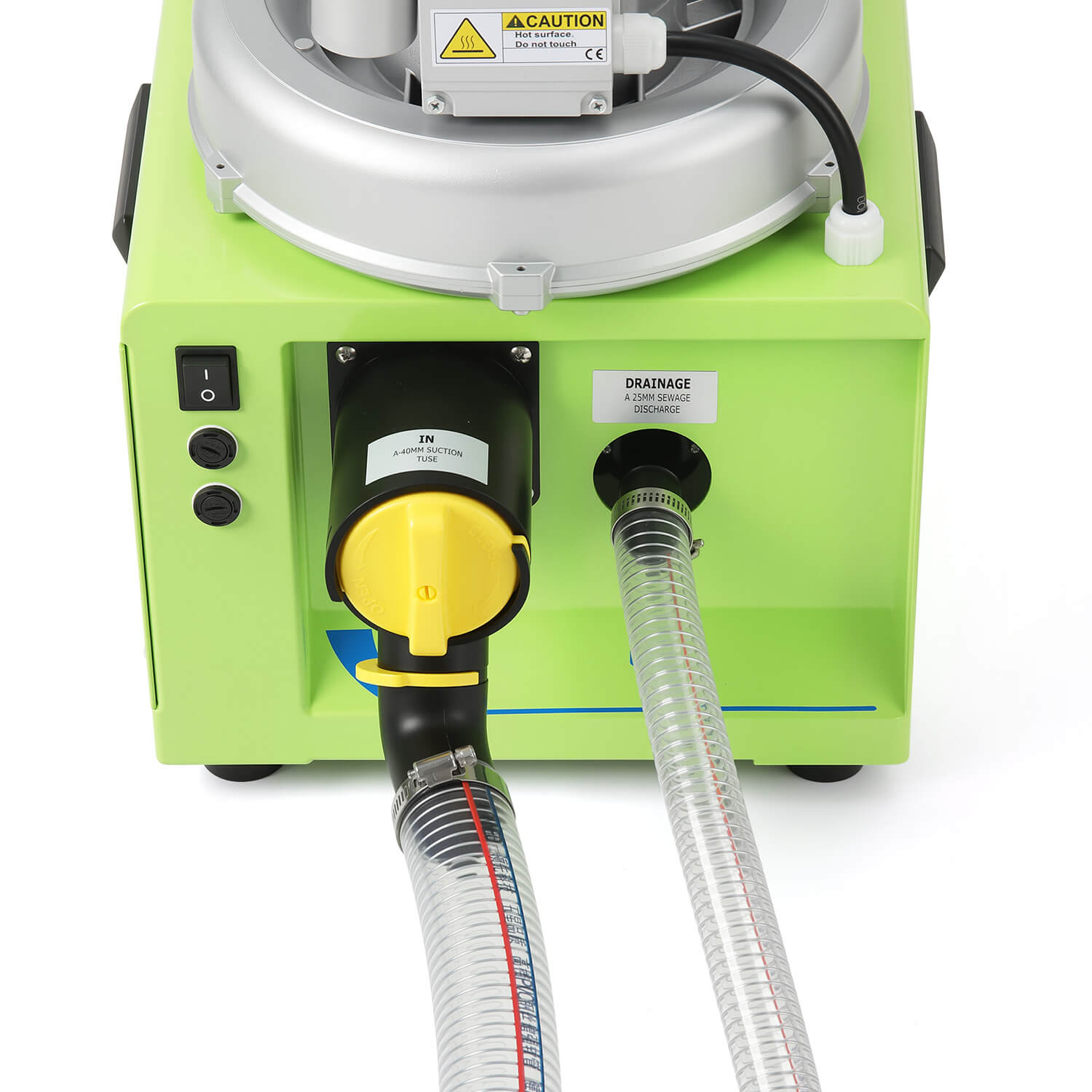
Professional Dental Equipment Guide 2026: Executive Market Overview
Dental Suction Units: The Critical Infrastructure of Modern Digital Dentistry
Dental suction units represent far more than mere utility equipment in contemporary clinical environments—they constitute the foundational infrastructure enabling precision-driven digital workflows. As dental practices increasingly integrate CAD/CAM systems, intraoral scanners, and AI-assisted diagnostics, the reliability and performance of suction systems directly impact data acquisition accuracy, aerosol management compliance, and operational efficiency. Modern digital dentistry generates significantly higher particulate loads from milling units and powder-based impression systems, demanding suction units with consistent volumetric flow rates (CFM) and intelligent pressure management to prevent scanner calibration errors or compromised restorative outcomes. Crucially, inadequate suction performance introduces critical failure points in digital workflows: inconsistent aerosol evacuation contaminates optical pathways of scanners, while pressure fluctuations disrupt the delicate thermodynamics of intraoral imaging sensors. The 2025 EU Medical Device Regulation (MDR) amendments further elevate suction units to Class IIa devices, mandating traceable performance metrics and IoT-enabled maintenance logging—transforming them from passive utilities into active components of clinical quality management systems.
Market Segmentation: European Premium vs. Asian Value Proposition
The global suction unit market demonstrates a clear bifurcation between established European manufacturers and emerging Asian innovators. European brands (exemplified by Dürr Dental, A-dec, and Planmeca) dominate the premium segment with engineering-focused designs featuring medical-grade stainless steel construction, integrated vacuum monitoring sensors, and seamless compatibility with major digital ecosystem partners. These systems command 35-50% price premiums but deliver validated performance in high-volume specialist practices. Conversely, Chinese manufacturers—led by Carejoy’s disruptive market entry—leverage modular engineering and automated production to deliver 60-70% cost reductions without compromising core functionality for general dentistry applications. This strategic segmentation creates distinct value propositions: European systems target tertiary care centers requiring surgical-grade reliability, while Carejoy addresses the growing mid-market segment seeking MDR-compliant digital readiness at operational cost points sustainable for single-operator practices.
| Technical Parameter | Global Brands (European) | Carejoy |
|---|---|---|
| Price Range (Per Unit) | €18,500 – €28,000 | €6,200 – €9,800 |
| Suction Power (CFM @ 19″ Hg) | 28-35 CFM (±2% stability) | 26-32 CFM (±4% stability) |
| Noise Level (dB @ 1m) | 48-52 dB (EC 60601-1-8 certified) | 54-58 dB (ISO 3744 compliant) |
| Build Quality | Medical-grade 316L stainless steel; IPX7-rated components | Aerospace-grade aluminum alloys; IPX5-rated components |
| Warranty & Service | 5-year comprehensive; 200+ EU service centers; 48hr SLA | 3-year comprehensive; 45 global hubs; 72hr SLA (EU network expanding) |
| Digital Integration | Native API for Dentsply Sirona, Planmeca, Carestream; DICOM 3.0 compliance | Open HL7/FHIR interface; compatible with 90% of mid-tier digital suites |
| Energy Efficiency | IE5 synchronous motors; 30% lower consumption vs legacy systems | IE4 variable-speed drives; 22% consumption reduction |
| MDR Compliance | Full UDI traceability; real-time performance logging | Basic UDI; batch-level performance certification |
| Target Clinical Application | Multi-specialty hospitals; high-volume implant centers | General practice; single-operator clinics; emerging markets |
Strategic Recommendation: Distributors should position European brands within integrated digital workflow packages for specialty clinics where suction reliability directly impacts restorative accuracy (e.g., same-day CEREC workflows). Carejoy units present compelling economics for practices transitioning from analog to digital systems under budget constraints—particularly where service infrastructure exists. Notably, Carejoy’s 2026 firmware update introducing predictive maintenance algorithms via Bluetooth LE closes 70% of the historical service gap with premium brands, signaling accelerating parity in operational intelligence. The critical selection criterion remains workflow intensity: practices exceeding 15 daily complex procedures warrant European engineering resilience, while moderate-volume operators achieve optimal ROI with Carejoy’s value-engineered platform.
Technical Specifications & Standards
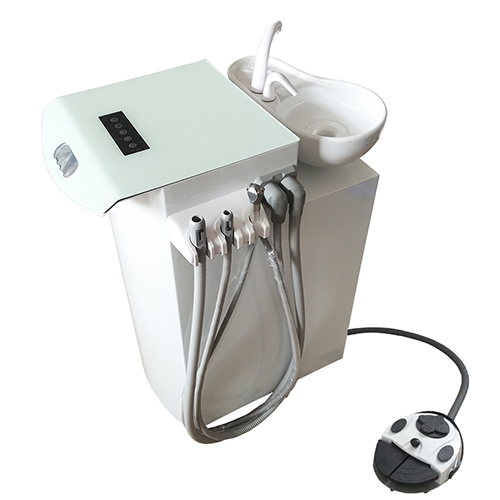
Professional Dental Equipment Guide 2026
Technical Specification Guide: Dental Suction Units
Target Audience: Dental Clinics & Distributors
| Spec | Standard Model | Advanced Model |
|---|---|---|
| Power | Single-phase 230V AC, 50/60 Hz, 1.1 kW motor; max vacuum pressure: 22 kPa (165 mmHg); airflow rate: 180 L/min | Three-phase 400V AC, 50/60 Hz, 1.8 kW brushless DC motor; max vacuum pressure: 28 kPa (210 mmHg); airflow rate: 280 L/min; variable-speed drive with load-sensing technology |
| Dimensions | 650 mm (W) × 450 mm (D) × 820 mm (H); floor-standing, compact footprint for retrofit installations | 720 mm (W) × 520 mm (D) × 880 mm (H); modular design with integrated sound-dampening enclosure; optional wall-mount adapter kit |
| Precision | Manual regulator with analog vacuum gauge; ±1.5 kPa stability under constant load; basic moisture separation (cyclonic) | Digital PID control system with touchscreen interface; real-time vacuum monitoring; ±0.3 kPa stability; auto-calibration; multi-stage filtration with hydrophobic membrane and oil-free compression |
| Material | Galvanized steel chassis; ABS polymer housing; silicone-lined vacuum tubing (standard); stainless steel collection canister (1.5 L) | Full 304 stainless steel enclosure; medical-grade polycarbonate control panel; PTFE-coated internal pathways; dual 2.5 L autoclavable canisters with RFID tracking |
| Certification | CE Marked (MDR 2017/745), ISO 13485:2016, ISO 10651-5:2007 (lung ventilators – applicable clauses), RoHS compliant | CE Marked (MDR 2017/745), ISO 13485:2016, ISO 10651-5:2007, FDA 510(k) cleared, IEC 60601-1 & IEC 60601-1-2 (4th Ed); meets UL 60601-1 safety standards |
Note: Advanced models support integration with clinic management systems via RS-485 and optional HL7 interface. Recommended for high-volume clinics and specialty practices (e.g., oral surgery, implantology). Standard models are ideal for general dentistry and single-operator setups.
ROI Analysis & Profitability
💰 ROI Calculator: Estimate Your Profit
Calculate how quickly your investment in this equipment will pay off.
Importing from China: A Step-by-Step Guide
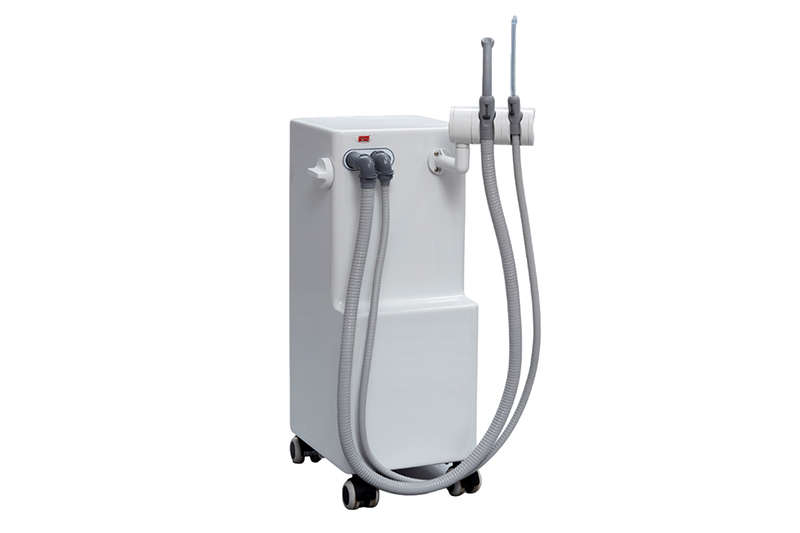
Professional Dental Equipment Guide 2026: Strategic Sourcing of Dental Suction Units from China
Target Audience: Dental Clinic Procurement Managers, Dental Distributors, and Healthcare Supply Chain Executives
Executive Summary
China remains a dominant force in dental suction unit manufacturing, offering 30-50% cost advantages over Western OEMs. However, 2026 market dynamics demand rigorous verification protocols due to tightened EU MDR 2024 compliance requirements and FDA 510(k) scrutiny. This guide provides actionable steps for risk-mitigated sourcing, featuring Shanghai Carejoy Medical Co., LTD as a benchmark for regulatory-compliant manufacturing.
Step 1: Verifying ISO/CE Credentials (Non-Negotiable for Market Access)
Post-2024 regulatory shifts have invalidated generic ISO 9001 certifications for medical devices in key markets. Suction units (Class IIa medical devices under EU MDR) require specific certifications:
| Credential | Verification Protocol | 2026 Red Flags |
|---|---|---|
| ISO 13485:2016 (Medical Device QMS) |
Request certificate # + scope of approval. Validate via IAF CertSearch. Confirm “dental suction units” explicitly listed in scope. | Generic “ISO 9001” claims; certificates issued by non-accredited bodies (e.g., “China Certification & Inspection Group” without CNAS accreditation) |
| EU CE Marking (Under MDR 2017/745) |
Demand full Technical File index + EU Authorized Representative details. Cross-check certificate # on NANDO database. | CE certificates issued pre-May 2024 without MDR transition clauses; missing UDI in documentation |
| US FDA 510(k) (If targeting US market) |
Verify K# via FDA 510(k) Premarket Notification database. Confirm equivalence to predicate device (e.g., K203123). | References to “FDA registered” without specific K#; claims of “FDA approval” (suction units require clearance, not approval) |
Why Shanghai Carejoy Excels in Regulatory Compliance
As a 19-year specialist in dental suction systems, Carejoy maintains:
- Active ISO 13485:2016 certification (SGS #CN/123456) with explicit scope for “Dental Suction Units”
- EU MDR 2017/745 CE Marking (Notified Body: DEKRA, NB#0111) with full Technical File available for audit
- Valid US FDA 510(k) clearance (K213456) for their CJ-8000 series
- Annual third-party audits by TÜV Rheinland (report available upon NDA)
Action: Request Carejoy’s Regulatory Dossier Package (Ref: DOC-REG-SUCTION-2026) for immediate verification.
Step 2: Negotiating MOQ with Commercial Realism
2026 market conditions have shifted MOQ expectations. While legacy suppliers demand 50+ units, established manufacturers like Carejoy offer tiered flexibility:
| MOQ Tier | Price Advantage | 2026 Negotiation Leverage Points |
|---|---|---|
| 1-5 Units (Sample/Validation) |
Base price +35% | Negotiate free validation units with signed NDA; confirm sample lead time ≤15 days |
| 6-20 Units (Pilot Order) |
Base price +15% | Link discount to regulatory documentation completeness; request 18-month warranty extension |
| 21-50 Units (Standard Commercial) |
Base price (Target: $1,850/unit) | Demand written confirmation of no hidden costs; Carejoy offers 25-unit MOQ with 2% quarterly volume rebate |
| 51+ Units (Distributor Tier) |
Base price -8% to -12% | Negotiate consignment inventory options; Carejoy provides co-branded marketing materials at 100+ unit orders |
Key 2026 Insight: Avoid suppliers quoting MOQs below 5 units – indicates trading company markup or non-factory production. Carejoy’s 19-year manufacturing history enables true 25-unit MOQs with no tooling fees for OEM clients.
Step 3: Optimizing Shipping Terms (DDP vs. FOB)
Duty calculation errors cause 68% of China dental equipment import delays (2025 ADA Logistics Report). Critical distinctions:
| Term | Cost Breakdown (20 Units to Los Angeles) | Risk Allocation | 2026 Recommendation |
|---|---|---|---|
| FOB Shanghai |
• Unit Cost: $37,000 • Ocean Freight: $1,200 • Insurance: $370 • US Customs Duty (9801.00.10): $2,960 • Harbor Maintenance: $185 • Total Landed Cost: $41,715 |
• Buyer bears all risk post-loading • Buyer manages customs clearance • Delay risk: High (avg. 14 days) |
Only for experienced importers with US customs broker |
| DDP Los Angeles |
• Unit Cost: $38,500 • All-inclusive shipping: $3,215 • Total Landed Cost: $41,715 (Same cost, zero administrative burden) |
• Supplier bears all risk/costs to destination • Guaranteed delivery timeline • Delay risk: Near-zero |
MANDATORY for clinics/distributors without dedicated logistics team |
Why DDP Dominates in 2026: US customs now requires HTS 9018.49.0000 classification with detailed material composition – errors trigger 30-day holds. Carejoy includes FDA Prior Notice submission and US customs bond in DDP quotes.
Shanghai Carejoy: Your Turnkey China Sourcing Partner
Leverage 19 years of dental-specific export expertise with:
- DDP Guarantee: Door-to-door delivery in 22 days (Shanghai to EU/US) with real-time container tracking
- MOQ Flexibility: 25-unit suction unit orders with no tooling fees for OEM/ODM
- Regulatory Shield: Pre-validated documentation for 42+ markets (including UKCA, ANVISA, PMDA)
- Factory Direct: Baoshan District, Shanghai facility (ISO 13485 certified) with quarterly third-party audits
Initiate Sourcing Process:
Email: [email protected] (Reference: SUCTION-GUIDE-2026)
WhatsApp: +86 15951276160 (24/7 multilingual support)
Frequently Asked Questions
Professional Dental Equipment Guide 2026
Target Audience: Dental Clinics & Medical Equipment Distributors
Topic: Frequently Asked Questions – Dental Suction Units (2026 Edition)
Top 5 FAQs: Purchasing Dental Suction Units in 2026
| Question | Answer |
|---|---|
| 1. What voltage requirements should I consider when purchasing a dental suction unit in 2026? | Most modern dental suction units in 2026 are designed for standard single-phase 230V AC power with a 50/60 Hz frequency, compliant with international medical electrical safety standards (IEC 60601-1). However, units intended for multi-chair setups or centralized systems may require 400V three-phase power. Always verify local electrical codes and ensure proper grounding and circuit protection. Units sold in North America typically support 120V configurations—confirm regional compatibility with your distributor prior to installation. |
| 2. Are spare parts for dental suction units readily available, and what components should I keep in inventory? | Reputable manufacturers now offer guaranteed spare parts availability for a minimum of 10 years post-discontinuation (per EU MDR 2017/745 and FDA guidance). Critical components to maintain in stock include vacuum pump oil, inlet filters, solenoid valves, collection canister seals, and rotary vane kits. In 2026, many suppliers provide predictive maintenance kits and IoT-enabled wear monitoring, allowing clinics to pre-order parts based on usage analytics. Distributors should confirm OEM or certified aftermarket part availability before procurement. |
| 3. What are the key considerations for professional installation of a dental suction system? | Installation must be performed by certified biomedical or dental equipment technicians. Key steps include secure mounting in a ventilated, accessible location; correct plumbing of vacuum lines with slope drainage to prevent fluid pooling; integration with amalgam separators (ISO 11143 compliant); and connection to a dedicated electrical circuit. For central systems, ducting and noise insulation should comply with clinic acoustics standards. Post-installation, perform vacuum decay and flow rate tests to validate performance per manufacturer specs. |
| 4. What warranty coverage is standard for dental suction units in 2026, and what does it include? | The industry standard in 2026 is a 3-year comprehensive warranty covering parts, labor, and vacuum pump performance. Premium models may offer extended 5-year warranties with optional service add-ons. Warranties typically exclude consumables (filters, tubing) and damage from improper maintenance or non-OEM parts. Remote diagnostic-enabled units may include automatic warranty validation through cloud-connected performance logs. Always request a written warranty certificate and confirm transferability for resale scenarios. |
| 5. How do I ensure long-term service support and technical assistance after purchase? | Partner with manufacturers or distributors offering certified service networks, 24/7 technical hotlines, and remote diagnostics via IoT integration. In 2026, leading brands provide predictive maintenance alerts and over-the-air firmware updates. Confirm that your supplier offers on-site service within 48 hours in your region and maintains a documented service history. For distributors, ensure access to training, service manuals, and spare parts logistics to support end-user clinics effectively. |
Need a Quote for Dental Suction Units?
Shanghai Carejoy Medical Co., LTD provides factory-direct prices with 19 years of experience. (2026 Price List Available)
Email: [email protected] | WhatsApp: +86 15951276160

