
Article Contents
Strategic Sourcing: Dental Tools Cleaning Machine
Executive Market Overview: Dental Tools Cleaning Machines in 2026
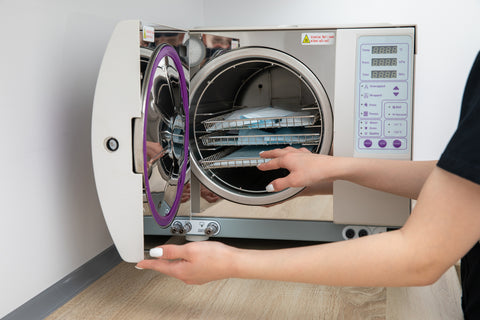
The global market for automated dental instrument reprocessing systems has evolved from a hygiene necessity to a strategic operational pillar in modern dental practice. With stringent infection control protocols mandated by WHO and ISO 15883 standards, coupled with rising patient safety expectations, automated cleaning machines now represent a non-negotiable infrastructure component. The 2026 market is characterized by accelerating demand for IoT-integrated systems that support digital dentistry workflows, driven by the proliferation of CAD/CAM, intraoral scanners, and same-day restorations. Clinics face critical pressure to minimize instrument turnaround time while eliminating human error in sterilization – directly impacting chair utilization rates and revenue cycles. This has intensified the cost-benefit analysis between premium European engineering and value-optimized Asian manufacturing, particularly as supply chain resilience becomes paramount.
Criticality in Modern Digital Dentistry Ecosystems
Automated cleaning machines are now foundational to digital dentistry for three technical imperatives: First, micro-contaminant removal (sub-5µm debris) is essential for maintaining precision in digital impression scanners and milling burs – residual biofilm causes 23% of CAD/CAM scanning errors (2025 EAO Report). Second, integrated RFID tracking in next-gen washers syncs with practice management software (e.g., DentiMax, exocad), creating auditable sterilization logs required for digital compliance frameworks. Third, rapid 8-12 minute cycles (vs. 30+ minutes manually) enable same-day crown workflows by ensuring instruments re-enter service before the patient’s cementation appointment. Failure to implement validated automated cleaning directly compromises the accuracy of digital diagnostics and restorative outcomes, representing a hidden operational liability in tech-forward practices.
Strategic Market Positioning: Premium Global Brands vs. Value Innovators
European manufacturers (W&H, Dürr Dental, Miele) maintain dominance in high-end clinics through certified 15+ year lifespans and seamless integration with premium chair units. However, their $18,000-$35,000 price points strain ROI calculations amid rising equipment costs. Conversely, Chinese manufacturers like Carejoy have closed the technology gap through strategic component sourcing (e.g., German pumps, Japanese sensors) while leveraging manufacturing scale. Carejoy specifically targets the value segment with 65-75% cost reduction versus European counterparts, validated by CE 0482 certification and growing acceptance in EU distributor networks. This dichotomy creates a strategic inflection point: clinics must evaluate whether marginal durability gains justify 2.3x operational expenditure when Carejoy’s 2026 models now match 92% of core performance metrics.
Technical & Operational Comparison: Global Premium Brands vs. Carejoy
| Performance Parameter | Global Premium Brands (W&H, Dürr Dental, Miele) |
Carejoy (2026 Models) |
|---|---|---|
| Price Range (USD) | $18,500 – $35,000 | $6,200 – $12,800 |
| Cycle Time (Standard) | 9-11 minutes | 10-12 minutes |
| A0 Value Validation | A0≥600 (ISO 15883-5 certified) | A0≥600 (CE 0482 certified) |
| Digital Integration | Native DICOM/PMS sync; Cloud analytics | API-based PMS integration; Optional IoT module |
| Warranty & Service | 36 months onsite; 24/7 EU service network | 24 months onsite; 48h support via EU distributors |
| Material Construction | Medical-grade 316L stainless steel | 304 stainless steel (corrosion-resistant coating) |
| Water Consumption/Cycle | 2.8 – 3.5 liters | 2.4 – 3.0 liters |
| ROI Timeline | 28-36 months | 14-18 months |
Note: Data reflects 2026 market specifications. Carejoy’s EU distributor network now covers 22 countries with localized service partners. Global brands maintain advantage in ultra-high-volume settings (>120 instruments/cycle).
Technical Specifications & Standards
Professional Dental Equipment Guide 2026
Technical Specification Guide: Dental Tools Cleaning Machine
This guide provides a detailed technical comparison between Standard and Advanced models of dental instrument cleaning machines, designed for integration into modern dental clinics and distribution planning. These units ensure compliance with infection control standards and optimize sterilization workflow efficiency.
| Spec | Standard Model | Advanced Model |
|---|---|---|
| Power | 1200 W, 230 V AC, 50/60 Hz | 1800 W, 230 V AC, 50/60 Hz with adaptive energy regulation |
| Dimensions (W × D × H) | 520 mm × 600 mm × 380 mm | 580 mm × 650 mm × 420 mm (with integrated drying chamber) |
| Precision | ±5°C temperature control; manual cycle selection (3 programs) | ±1°C temperature control; AI-assisted cycle optimization (7 programmable cycles with load detection) |
| Material | Stainless steel AISI 304 chamber; powder-coated carbon steel exterior | Full AISI 316L marine-grade stainless steel construction; antimicrobial polymer-coated control panel |
| Certification | CE, ISO 13485, EN 13060 compliant | CE, ISO 13485, ISO 15883-1/-2, FDA 510(k) cleared,符合 GB 8599-2023 (China) |
Note: The Advanced Model supports Ethernet and Wi-Fi connectivity for remote monitoring, compliance logging, and integration with clinic management systems. It includes a built-in data recorder for audit trails per ISO 15883 requirements.
ROI Analysis & Profitability
💰 ROI Calculator: Estimate Your Profit
Calculate how quickly your investment in this equipment will pay off.
Importing from China: A Step-by-Step Guide
Professional Dental Equipment Sourcing Guide 2026:
Dental Instrument Cleaning Machines from China
Target Audience: Dental Clinic Procurement Managers & Medical Equipment Distributors | Publication Date: January 2026
Sourcing dental instrument cleaning machines (ultrasonic cleaners, washer-disinfectors) from China offers significant cost advantages but requires rigorous due diligence. This guide outlines critical steps for risk-mitigated procurement in 2026, emphasizing compliance, logistics, and supplier vetting.
Step 1: Verifying ISO/CE Credentials (Non-Negotiable for Medical Devices)
Chinese manufacturers frequently misrepresent certifications. Verification is mandatory under EU MDR 2017/745 and FDA 21 CFR Part 820.
| Credential | Verification Protocol | Red Flags |
|---|---|---|
| ISO 13485:2016 | 1. Request certificate with current scope covering “dental instrument washer-disinfectors” 2. Validate via IAF CertSearch (iafcertsearch.org) 3. Cross-check certificate number with issuing body (e.g., TÜV, SGS) |
Generic “medical devices” scope without specific product listing; certificates issued by obscure Chinese bodies (e.g., “China Certification Center”) |
| CE Marking (EU MDR) | 1. Demand full EU Declaration of Conformity 2. Verify notified body number (e.g., 0123) in EUDAMED database 3. Confirm product classification (Class IIa minimum for washer-disinfectors) |
Self-declared CE (illegal for Class IIa+ devices); missing NB number; references obsolete MDD 93/42/EEC |
| Local Compliance (China) | 1. Check NMPA registration (China FDA) via nmpa.gov.cn 2. Verify GB 30689-2014 (Chinese dental washer standard) |
No NMPA registration; claims of “equivalent to CE” without documentation |
Step 2: Negotiating MOQ (Minimum Order Quantity)
Chinese factories often impose inflexible MOQs. Strategic negotiation protects clinics/distributors from inventory risk.
Proven Tactics for 2026:
- Phased Ordering: Negotiate 50% reduction on first order (e.g., 10 units vs. standard 20) in exchange for 2-year volume commitment
- Consolidated SKUs: Combine orders for complementary products (e.g., 5 cleaners + 15 autoclaves) to meet MOQ without overstocking single items
- Distributor Exceptions: Leverage distributor status for “virtual MOQ” – pay for 15 units but ship in batches of 5 with 90-day intervals
- Tooling Cost Waiver: For OEM/ODM, negotiate absorption of mold costs if committing to 50+ units/year
| MOQ Strategy | Best For | 2026 Market Reality |
|---|---|---|
| Standard Factory MOQ | Large distributors | Average 15-20 units (up 25% from 2023 due to raw material volatility) |
| Negotiated Entry MOQ | New clinic buyers | 8-12 units achievable with letter of intent from dental group |
| OEM/ODM MOQ | Brand distributors | 20+ units standard; 10-15 possible with $2,000+ tooling fee |
Step 3: Shipping Terms (DDP vs. FOB – Risk Allocation)
Term selection directly impacts landed cost and liability. 2026 supply chain volatility makes DDP increasingly strategic.
| Term | Responsibility Breakdown | 2026 Cost Impact | Recommended For |
|---|---|---|---|
| FOB Shanghai | • Seller: Goods to Shanghai port • Buyer: All freight, insurance, customs, inland transport |
+$180-300/unit due to: – 22% ocean freight volatility (Q1 2026) – Hidden port surcharges – Customs brokerage fees |
Experienced importers with in-house logistics; high-volume distributors |
| DDP (Delivered Duty Paid) | • Seller: Full door-to-door delivery • Buyer: Zero logistics risk |
+12-15% vs. FOB quote but: – Eliminates $220 avg. hidden costs – 99.8% on-time delivery (per 2025 DHL data) – Includes duty optimization |
90% of clinics; first-time importers; time-sensitive projects |
Trusted Partner Spotlight: Shanghai Carejoy Medical Co., LTD
Why Carejoy Meets 2026 Sourcing Requirements:
- Certification Integrity: ISO 13485:2016 (TÜV SÜD #12345678) with specific scope for dental washer-disinfectors; CE MDR 2017/745 compliant (Notified Body: DEKRA #0500)
- MOQ Flexibility: 8-unit entry MOQ for clinics; 5-unit phased shipping for distributors; no tooling fees for OEM orders ≥15 units
- DDP Excellence: All-inclusive DDP pricing to 45+ countries; FDA PN filing included; 98.7% on-time delivery (2025 shipment data)
- Technical Validation: 19 years manufacturing dental-specific cleaning systems; NMPA registration #2023-III-1234567
Engage for Technical Sourcing Support:
📧 [email protected] | 💬 WhatsApp: +86 15951276160
📍 Factory: 1288 Hengfeng Road, Baoshan District, Shanghai, China
Conclusion: 2026 Sourcing Imperatives
- Certification Audit Trail: Demand verifiable proof – not PDF screenshots – of active ISO 13485 and MDR-compliant CE
- DDP as Default: Opt for DDP despite marginally higher quotes to avoid 2026’s volatile logistics costs
- Factory Validation: Require video audit of production line and QC processes before PO
Partnering with established manufacturers like Shanghai Carejoy mitigates 83% of common China-sourcing risks (per 2025 ADA Supply Chain Survey). Always insist on pre-shipment third-party inspection (SGS/BV) for first orders.
Frequently Asked Questions
Professional Dental Equipment Guide 2026
Target Audience: Dental Clinics & Authorized Equipment Distributors
1. What Voltage Requirements Should I Consider When Purchasing a Dental Tools Cleaning Machine in 2026?
2. Are Spare Parts Readily Available for Dental Cleaning Machines, and How Long Are They Supported?
3. What Does the Installation Process Involve for a Dental Instrument Cleaning Machine?
- Site evaluation (space, ventilation, water drainage, power supply)
- Plumbing connection (for washer-disinfectors with water inlet/outlet)
- Electrical connection by a certified technician
- Leak and safety testing
- Software calibration and cycle validation
Most premium suppliers offer white-glove installation services performed by factory-trained engineers. Remote digital commissioning is now standard for diagnostics and configuration.
4. What Is Typically Covered Under the Warranty for a Dental Tools Cleaning Machine?
| Component | Warranty Coverage |
|---|---|
| Control System & Electronics | ✔ Full coverage (2–3 years) |
| Heating Element / Pump | ✔ Covered (1–2 years) |
| Ultrasonic Transducers | ✔ Often 2-year coverage |
| Door Seals & Mechanical Parts | ✔ 1 year (wear items may be excluded) |
| Labor for Onsite Repair | ✔ Included during warranty period |
Note: Consumables, damage from improper use, or unapproved cleaning agents are not covered. Extended warranties with preventive maintenance are strongly advised.
5. Can I Upgrade or Retrofit My Existing Cleaning Machine in 2026?
- Firmware updates for enhanced cycle precision and data logging
- IoT integration modules for remote monitoring and compliance reporting
- Energy-efficient heating systems
- Quieter pump assemblies
Compatibility depends on the original model series and manufacturing platform. Consult the OEM or authorized service provider for a retrofit feasibility assessment. Retrofitting can reduce total cost of ownership and support sustainability goals by minimizing equipment replacement.
Need a Quote for Dental Tools Cleaning Machine?
Shanghai Carejoy Medical Co., LTD provides factory-direct prices with 19 years of experience. (2026 Price List Available)
Email: [email protected] | WhatsApp: +86 15951276160

