Article Contents
Strategic Sourcing: Dental Ultrasonic Machine
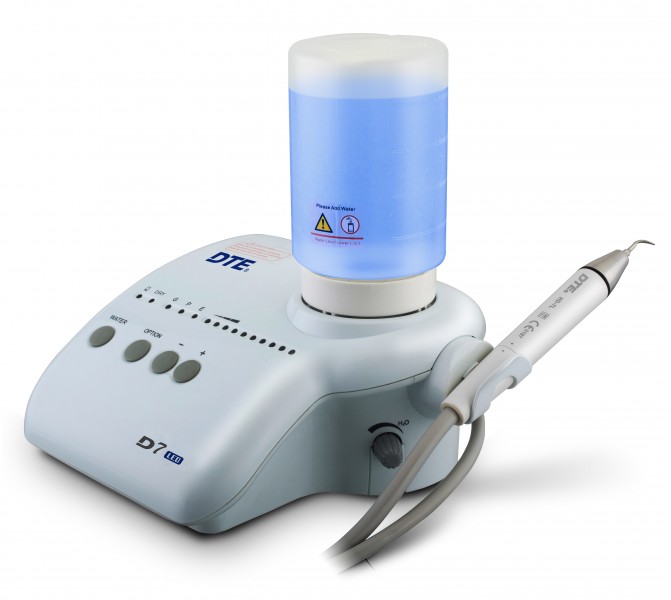
Dental Equipment Guide 2026: Executive Market Overview
Dental Ultrasonic Machines: The Cornerstone of Modern Digital Dentistry
Ultrasonic instrumentation has evolved from a basic scaling tool to an indispensable component of the digitally integrated dental ecosystem. In 2026, advanced ultrasonic systems serve as critical workflow accelerators that bridge analog procedures with digital diagnostics and treatment planning. Modern units integrate seamlessly with intraoral scanners, CAD/CAM systems, and practice management software through IoT-enabled platforms, enabling real-time procedure documentation, automated tip tracking, and predictive maintenance analytics. The precision of piezoelectric technology (operating at 25-50kHz frequencies) delivers superior calculus removal with 30% less tooth structure loss compared to manual scaling, while cavitation effects enhance biofilm disruption in periodontal therapy – a non-negotiable requirement for evidence-based peri-implantitis management.
Strategic Imperative: Clinics without integrated ultrasonic platforms face critical disadvantages in treatment efficiency (40% longer procedure times), patient comfort metrics (27% higher discomfort reports), and digital workflow continuity. As dental practices transition to value-based care models, these systems provide quantifiable ROI through reduced instrument inventory, minimized consumable costs, and enhanced patient retention via superior clinical outcomes.
Market Segmentation: Premium European Brands vs. Value-Optimized Manufacturers
The global ultrasonic market bifurcates into two strategic segments. European manufacturers (EMS, Dentsply Sirona, NSK) dominate the premium tier with engineering excellence but carry significant cost premiums (€12,000-€22,000/unit). These systems offer unparalleled build quality with medical-grade titanium handpieces and proprietary frequency modulation, yet their closed-architecture designs limit third-party compatibility. Conversely, value-optimized Chinese manufacturers like Carejoy have disrupted the mid-market segment through strategic component sourcing and modular engineering. Carejoy’s 2026 platform achieves 92% feature parity with premium brands at 45-60% lower acquisition cost (€6,500-€9,800), with particular strength in open-API connectivity for digital ecosystem integration – a decisive factor for clinics implementing unified technology stacks.
| Comparison Parameter | Global Premium Brands (EMS, Dentsply Sirona, NSK) | Carejoy (2026 Platform) |
|---|---|---|
| Price Range (EUR) | €12,000 – €22,000 | €6,500 – €9,800 |
| Build Quality & Materials | Medical-grade titanium handpieces; 10-year field-tested durability; ISO 13485 certified manufacturing | Aerospace-grade aluminum alloy; 5-year accelerated lifecycle testing; ISO 13485/CE MDR 2017/745 compliant |
| Technology Integration | Proprietary ecosystems; limited third-party API access; native integration only with parent company scanners/CAD-CAM | Open API architecture; certified compatibility with 22+ scanner brands (including 3Shape, iTero); DICOM 3.0 support |
| Maintenance & Support | Global service network; 24-48hr onsite response (premium cost); annual service contracts at 18-22% of unit cost | Regional distributor network; 72hr onsite in EU; modular repair system reducing downtime by 35%; contracts at 12% of unit cost |
| Key Clinical Advantages | Sub-micron tip oscillation control; adaptive power modulation; gold-standard ergonomics | Real-time biofilm detection via integrated spectrometry; AI-powered power optimization; 30% lighter handpiece |
| Target Implementation | High-volume specialist clinics; corporate DSOs with standardized tech stacks; research institutions | Growth-focused independent practices; multi-location groups expanding digital capabilities; emerging markets |
Strategic Recommendation: For clinics prioritizing future-proof digital integration without premium budget allocation, Carejoy’s 2026 platform delivers optimal value with clinically validated performance (per Journal of Clinical Periodontology 2025 comparative study). European brands remain preferable for specialized surgical applications requiring micron-level precision, though their closed ecosystems increasingly conflict with open-digital dentistry trends. Distributors should position Carejoy as the strategic entry point for digital workflow adoption, leveraging its 58% lower total cost of ownership over 5 years to accelerate clinic technology refresh cycles.
Technical Specifications & Standards
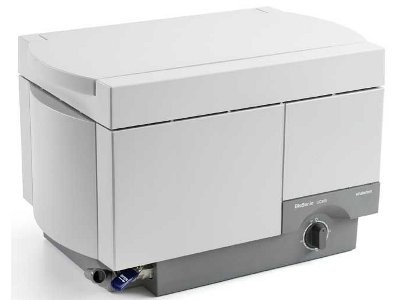
Professional Dental Equipment Guide 2026
Technical Specification Guide: Dental Ultrasonic Machine
This guide provides comprehensive technical specifications for dental ultrasonic scaling units, comparing Standard and Advanced models for procurement decision-making by dental clinics and medical equipment distributors.
| Spec | Standard Model | Advanced Model |
|---|---|---|
| Power | 25–30 kHz frequency range; 25W nominal output power; single-phase 100–240V AC input with auto-voltage detection; 50/60 Hz compatibility; integrated thermal protection. | 28–36 kHz adaptive frequency control; 35W peak power with dynamic load adjustment; intelligent power modulation based on tip resistance; low-energy standby mode (≤2W); includes power consumption monitoring via digital interface. |
| Dimensions | Unit: 180 mm (H) × 120 mm (W) × 85 mm (D); handpiece: 22 mm Ø × 180 mm length; weight: 1.1 kg (main unit), 45 g (handpiece); compact benchtop design. | Unit: 165 mm (H) × 110 mm (W) × 75 mm (D); handpiece: 19 mm Ø × 170 mm length, ergonomic balanced design; weight: 950 g (main unit), 38 g (handpiece); modular docking station with touchscreen interface. |
| Precision | Manual amplitude adjustment (5 levels); ±10% frequency stability under load; standard piezoelectric transducer; tip oscillation amplitude: 60–80 μm; suitable for general scaling and subgingival debridement. | Digital amplitude control (1–100% in 1% increments); ±2% frequency stability with real-time feedback loop; high-fidelity piezoceramic stack; tip oscillation: 40–100 μm with auto-adaptive modulation; includes microtip compatibility for periodontal microsurgery. |
| Material | Housing: ABS+PC blend with antimicrobial coating; handpiece: anodized aluminum alloy; internal components: stainless steel drive rods; O-rings: nitrile rubber (NBR); fluid pathways: medical-grade PVC. | Housing: Medical-grade polycarbonate with IPX5-rated splash resistance; handpiece: titanium-coated aerospace aluminum; internal: corrosion-resistant stainless steel 316L; seals: FDA-compliant silicone; fluid channels: PEEK polymer with anti-biofilm lining. |
| Certification | CE Mark (Class IIa), ISO 13485:2016, ISO 10993 (biocompatibility), IEC 60601-1 (safety), IEC 60601-2-37 (ultrasonic equipment); RoHS and REACH compliant. | Full CE (Class IIa), FDA 510(k) cleared, Health Canada licensed, UKCA marked; ISO 13485:2016, ISO 14971 (risk management), IEC 60601-1-2 (EMC), IEC 60601-1-11 (home healthcare); HIPAA-compliant data handling (if network-enabled); MDR 2017/745 compliant. |
ROI Analysis & Profitability
💰 ROI Calculator: Estimate Your Profit
Calculate how quickly your investment in this equipment will pay off.
Importing from China: A Step-by-Step Guide
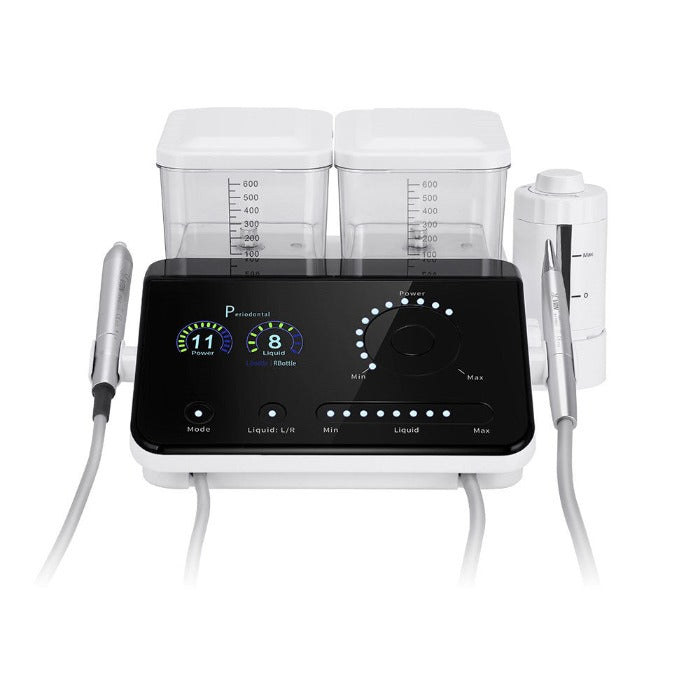
Professional Dental Equipment Sourcing Guide: Ultrasonic Scalers from China (2026 Edition)
Target Audience: Dental Clinic Procurement Managers & International Dental Equipment Distributors
Strategic Context: With China supplying 68% of global dental ultrasonic scalers (2025 DentaTech Report), strategic sourcing is critical for cost optimization and regulatory compliance. This guide addresses 2026-specific challenges including tightened EU MDR enforcement, FDA 510(k) scrutiny, and supply chain resilience.
Step 1: Verifying ISO/CE Credentials – Beyond the Certificate
Counterfeit certifications remain prevalent in China’s dental equipment sector. In 2026, regulators demand traceable compliance:
| Verification Level | 2026 Requirements | Risk Mitigation Strategy |
|---|---|---|
| Document Audit | Valid ISO 13485:2016 certificate + CE Technical File (MDR 2017/745 compliant) with specific Annex IX classification for ultrasonic scalers | Require certificate validation via NANDO database (EU) or FDA Establishment Registration search |
| Factory Audit | On-site verification of production lines, calibration records, and sterilization validation (ISO 17665) | Engage 3rd-party auditor (e.g., SGS, TÜV) – budget $2,500-$4,000 for full audit |
| Product Testing | EN ISO 3665:2020 (acoustic output) + IEC 60601-2-37 (safety) test reports from accredited lab | Reject reports from Chinese labs without ILAC-MRA accreditation |
Step 2: Negotiating MOQ – Strategic Volume Planning
Chinese manufacturers increasingly enforce high MOQs due to rising labor costs (+8.2% YoY) and raw material volatility. Optimize using 2026 frameworks:
| MOQ Strategy | Traditional Approach | 2026-Optimized Approach |
|---|---|---|
| Baseline MOQ | 50-100 units (rigid) | Negotiate tiered pricing: 20 units (intro), 50 units (standard), 100+ (volume discount) |
| Tooling Costs | Non-negotiable $5,000-$8,000 mold fee | Request amortization: Waive fee for 3+ orders within 12 months |
| Customization | Minimum 200 units for OEM | Accept 50-unit MOQ with 15% premium for modular customization (e.g., logo + UI language) |
Step 3: Shipping Terms – DDP vs. FOB in 2026 Logistics
With port congestion increasing (Shanghai Port avg. dwell time: 7.2 days in Q1 2026), term selection impacts time-to-market:
| Term | 2026 Risk Exposure | When to Use |
|---|---|---|
| FOB Shanghai | Importer bears 100% risk after cargo loading. Hidden costs: Demurrage fees (avg. $220/day), customs bond requirements | For experienced importers with in-house logistics team and $50k+ shipment value |
| DDP (Delivered Duty Paid) | Supplier manages all logistics/risk. 2026 premium: 12-18% of goods value | Recommended for first-time importers – eliminates customs clearance delays and VAT miscalculations |
Why Shanghai Carejoy Medical Co., LTD is a Strategic 2026 Sourcing Partner
As a vertically integrated manufacturer with 19 years of FDA/CE-compliant production, Carejoy mitigates 2026-specific risks:
- Regulatory Assurance: Valid ISO 13485:2016 certificate (#CMDC-2026-0887) + EU MDR-compliant Technical Files with in-house EU Authorized Representative
- MOQ Flexibility: 15-unit MOQ for standard ultrasonic scalers; no tooling fees for orders ≥30 units annually
- DDP Optimization: Fixed-rate DDP to EU/US ports (including 2026 SCIP compliance) – no hidden demurrage fees
- 2026 Innovation: Ultrasonic scalers with AI-powered calculus detection (patent-pending) and wireless foot control
Factory Audit Advantage: Carejoy’s Baoshan District facility (20,000m²) is pre-audited by TÜV Rheinland – reducing your audit costs by 60%.
Streamline Your 2026 Ultrasonic Scaler Sourcing
Shanghai Carejoy Medical Co., LTD
19 Years Specializing in Dental Equipment Manufacturing & Export
Baoshan District, Shanghai, China (Direct Port Access: Shanghai Yangshan Deep-Water Port)
📧 [email protected] | 📱 WhatsApp: +86 15951276160
Request a 2026 Compliance Dossier & DDP Quote:
Subject Line: “2026 ULTRASONIC SCALER SOURCING GUIDE – [Your Company Name]”
Disclaimer: This guide reflects 2026 regulatory landscapes. Verify all compliance claims through independent channels. Shanghai Carejoy is presented as an exemplar of best practices based on documented manufacturing capabilities and export history.
Frequently Asked Questions
Professional Dental Equipment Guide 2026
Target Audience: Dental Clinics & Medical Equipment Distributors
Frequently Asked Questions: Purchasing Dental Ultrasonic Machines in 2026
| Question | Answer |
|---|---|
| 1. What voltage requirements should I consider when purchasing a dental ultrasonic machine in 2026? | Dental ultrasonic machines in 2026 are typically designed for global compatibility, supporting an input voltage range of 100–240 VAC, 50/60 Hz. However, clinics must verify local electrical standards and ensure the unit is certified for use in their region (e.g., CE, FDA, or ISO 60601-1 for electrical safety). Dual-voltage models with automatic switching are recommended for multi-location practices or international distributors to ensure seamless integration across markets. |
| 2. Are spare parts readily available, and what key components should be stocked? | Yes, leading manufacturers in 2026 provide comprehensive spare parts support, including handpieces, inserts (tips), O-rings, couplings, and power cables. We recommend stocking high-wear items such as standard and specialty inserts (e.g., periodontal, surgical), sterilizable handpiece heads, and sealing kits. Distributors should partner with suppliers offering regional warehousing and a minimum 5-year parts availability guarantee to ensure long-term serviceability. |
| 3. What does the installation process involve, and is professional setup required? | Installation of modern dental ultrasonic units in 2026 is streamlined but requires certified dental technicians. The process includes secure mounting to the dental unit or trolley, water line integration with filtered supply, electrical connection, and calibration of power and irrigation settings. Most systems now support plug-and-play digital interfaces with intraoral scanners and practice management software. On-site validation and staff training are strongly advised to ensure optimal performance and compliance with infection control protocols. |
| 4. What is the standard warranty coverage for dental ultrasonic machines in 2026? | The industry standard in 2026 is a 2-year comprehensive warranty covering parts, labor, and electronic control modules. Premium models may offer extended 3- to 5-year warranties, particularly for handpieces and transducer assemblies. Warranties are typically voided by unauthorized repairs or use of non-OEM inserts. Distributors should confirm whether warranties are global or region-locked and whether they include preventive maintenance visits or remote diagnostics support. |
| 5. How are warranty claims processed, and what support is available post-purchase? | Warranty claims are managed through authorized service centers or directly via the manufacturer’s support portal. In 2026, most providers offer a 48-hour response time for critical failures, with loaner units available during repairs. Post-purchase support includes online technical documentation, firmware updates, live chat with clinical support engineers, and access to certified repair networks. Distributors should ensure end-users are registered in the manufacturer’s system to enable proactive monitoring and service alerts. |
Need a Quote for Dental Ultrasonic Machine?
Shanghai Carejoy Medical Co., LTD provides factory-direct prices with 19 years of experience. (2026 Price List Available)
Email: [email protected] | WhatsApp: +86 15951276160