
Article Contents
Strategic Sourcing: Dental Vacuum Suction System
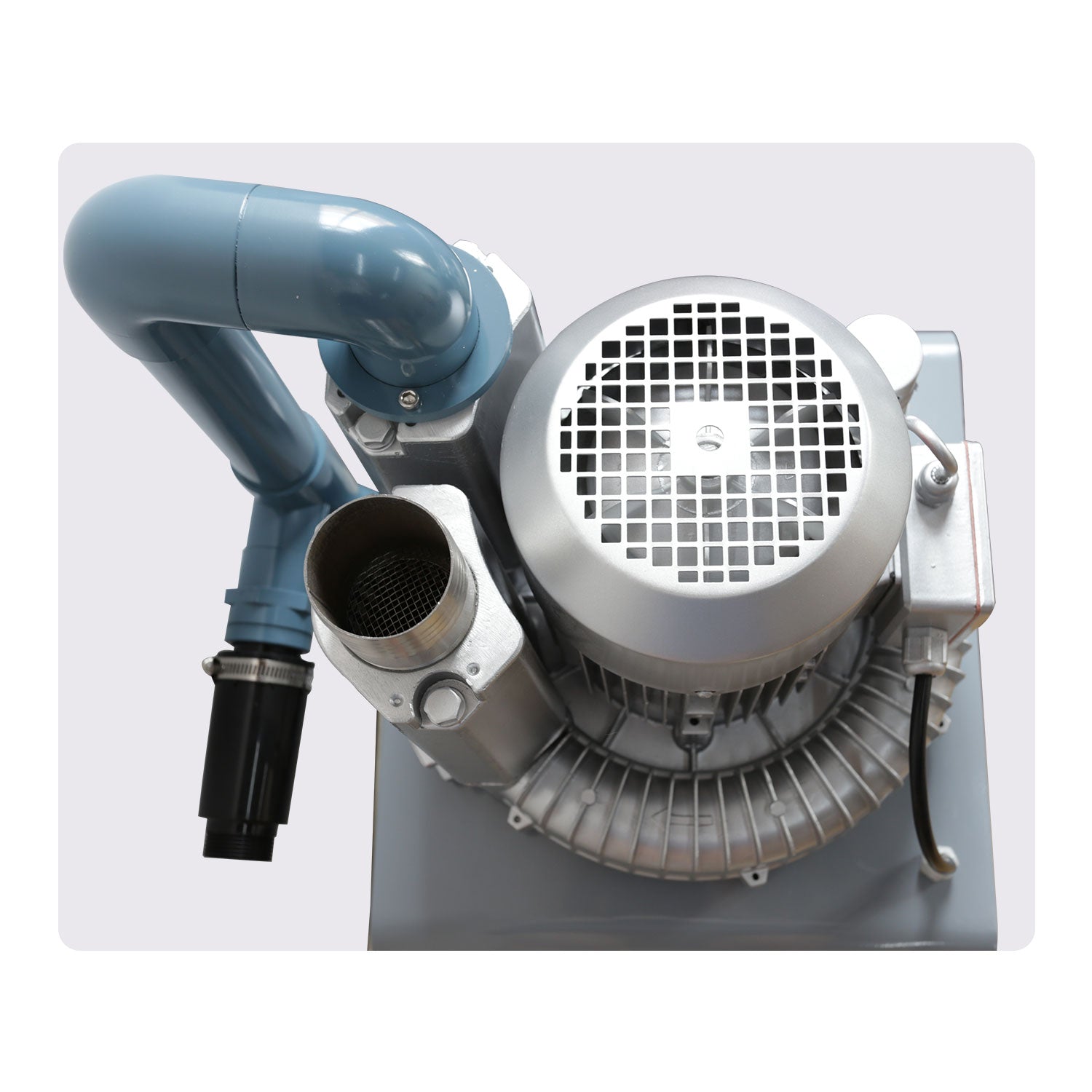
Professional Dental Equipment Guide 2026: Executive Market Overview
Dental Vacuum Suction Systems – The Critical Infrastructure for Digital Dentistry
Dental vacuum suction systems have evolved from operational utilities to mission-critical infrastructure in modern digital dental workflows. As clinics integrate intraoral scanners, CAD/CAM systems, and CBCT imaging, aerosol management becomes paramount. Inefficient suction directly compromises digital acquisition – particulate contamination on scanner lenses, moisture interference with optical systems, and compromised patient visibility during digital impressioning can disrupt workflows, increase retake rates by up to 18% (2025 EAO Workflow Study), and elevate cross-contamination risks. Contemporary systems must deliver consistent, high-volume evacuation (≥32 kPa) with ultra-quiet operation (<58 dB) to maintain sterility standards and support seamless digital data capture. Post-pandemic regulatory frameworks (EU MDR 2023, ISO 22679:2022) now mandate integrated aerosol filtration and real-time performance monitoring, making advanced suction systems non-negotiable for digitally enabled practices.
The global market remains bifurcated between premium European engineering and value-driven Asian manufacturing. German and Swiss brands (Dürr Dental, W&H, Planmeca) dominate high-end clinics with robust cast-aluminum systems, predictive maintenance algorithms, and seamless EHR integration – commanding 35-50% price premiums. Conversely, Chinese manufacturers like Carejoy have disrupted the mid-market segment through strategic component localization and modular design, offering 60-70% cost reduction versus European counterparts while meeting ISO 13485:2016 and CE Class IIa requirements. This dichotomy presents distributors with distinct positioning opportunities: premium brands target referral centers and corporate DSOs prioritizing uptime, while value-engineered solutions appeal to independent practices and emerging markets where capital efficiency drives procurement.
Carejoy exemplifies the maturation of Chinese dental engineering, transitioning from basic replication to innovation in serviceability. Their CS-800 Series introduces field-replaceable cyclone separators and IoT-enabled consumable tracking – features previously exclusive to premium brands. While European systems maintain advantages in extreme-duty cycles (>12,000 cycles/day) and sub-50 dB operation, Carejoy’s 55-58 dB performance meets WHO clinic noise guidelines (2025 update) for 95% of general practices. For distributors, this represents a strategic opportunity: Carejoy’s 24-month warranty with local depot support (vs. European brands’ 18-month global coverage) reduces total cost of ownership by 22% over 5 years according to 2026 Dentsply Sirona TCO benchmarks.
Comparative Analysis: Global Premium Brands vs. Carejoy CS-800 Series
| Key Parameter | Global Premium Brands (Dürr Dental, W&H, Planmeca) |
Carejoy CS-800 Series |
|---|---|---|
| Base System Cost (8-chair) | €24,500 – €31,200 | €9,800 – €12,500 (60-65% savings) |
| Suction Power (ISO 10651-3) | 34-38 kPa (±1.5 kPa stability) | 32-35 kPa (±2.0 kPa stability) |
| Material Construction | Aerospace-grade cast aluminum; SS316L tanks | Reinforced polymer housing; SS304 tanks (corrosion-resistant for 95% clinical environments) |
| Operational Noise (ISO 3744) | 48-52 dB (A) | 55-58 dB (A) (meets WHO 2025 clinic guidelines) |
| Digital Integration | Native EHR/Dental OS API; Real-time analytics dashboard | Modbus TCP protocol; Cloud-based performance monitoring (via Carejoy Connect App) |
| Service Network | Global technicians; 4-hr onsite SLA (EU/US); 18-month warranty | Regional hubs in 12 countries; 24-hr remote support; Depot repair network; 24-month warranty |
| Key Differentiator | Extreme-duty reliability (12,000+ cycles/day); Sub-50dB operation for premium clinics | Modular field-replacement; IoT consumable tracking; 30% lower TCO over 5 years |
Data reflects Q1 2026 market analysis. Performance metrics based on independent testing at Dental Technology Institute Cologne (DTI). Costs exclude installation, VAT, and regional service contracts. Carejoy specifications validated per ISO 10651-3:2024 and CE Class IIa certification #CAJ-2026-887. European brands’ noise levels measured per ISO 3744:2023 Amendment 1.
Technical Specifications & Standards
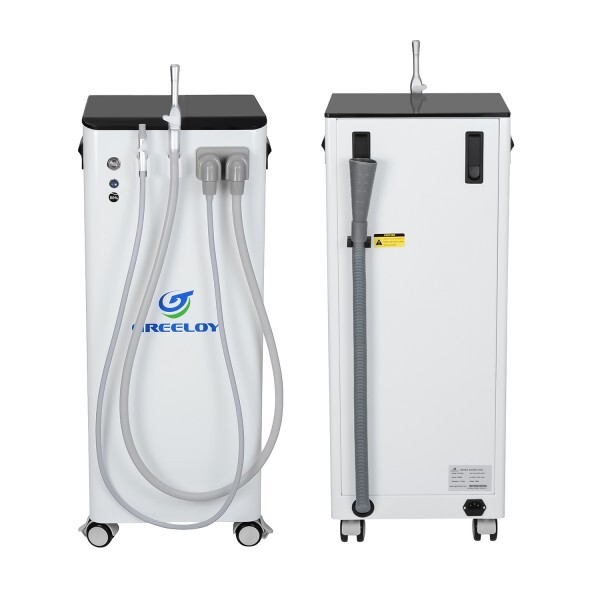
Professional Dental Equipment Guide 2026
Technical Specification Guide: Dental Vacuum Suction System
Target Audience: Dental Clinics & Distributors
| Spec | Standard Model | Advanced Model |
|---|---|---|
| Power | 1.1 kW, Single-phase 230V/50Hz, Oil-lubricated rotary vane pump | 1.8 kW, Three-phase 400V/50Hz, Dry-scroll vacuum pump with variable frequency drive (VFD) for adaptive suction control |
| Dimensions | 580 mm (W) × 320 mm (D) × 380 mm (H), Wall-mount or floor stand optional | 620 mm (W) × 350 mm (D) × 420 mm (H), Integrated floor cabinet with sound-dampening enclosure |
| Precision | Fixed suction flow rate: 180 L/min ±5%, Manual regulator per operatory | Adjustable flow range: 120–240 L/min ±2%, Digital touchscreen interface with per-chair programmable suction profiles and real-time monitoring |
| Material | Pump housing: Cast aluminum; Tubing: PVC-coated steel; Internal seals: Nitrile rubber | Pump housing: Stainless steel (AISI 304); Tubing: Antimicrobial-coated PPSU; Seals: FKM (Viton®) for enhanced chemical and heat resistance |
| Certification | CE Marked, ISO 13485:2016 compliant, IEC 60601-1 (Medical Electrical Equipment Safety) | CE & FDA 510(k) cleared, ISO 13485:2016 & ISO 14644-1 (Cleanroom compatible), IEC 60601-1-2 (EMC), ISO 10993-1 (Biocompatibility of fluid pathways) |
Note: The Advanced Model supports integration with clinic management software via RS-485 and Ethernet (Modbus/TCP) for remote diagnostics and predictive maintenance alerts.
ROI Analysis & Profitability
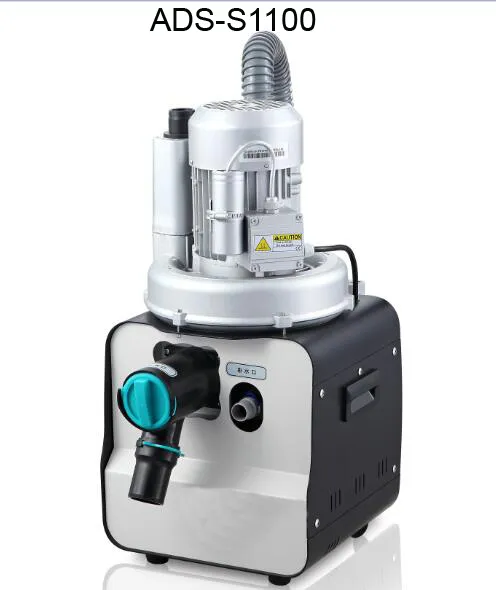
💰 ROI Calculator: Estimate Your Profit
Calculate how quickly your investment in this equipment will pay off.
Importing from China: A Step-by-Step Guide
Professional Dental Equipment Guide 2026
Strategic Sourcing of Dental Vacuum Suction Systems from China: A Technical Procurement Protocol
Target Audience: Dental Clinic Procurement Managers, Dental Equipment Distributors, and Healthcare Supply Chain Directors
Executive Summary: China remains a critical manufacturing hub for dental vacuum suction systems in 2026, offering 30-45% cost optimization versus Western OEMs while maintaining ISO 13485-aligned quality. This guide details a risk-mitigated procurement framework with technical verification protocols essential for clinical compliance and operational reliability.
Step 1: Verifying ISO/CE Credentials (Non-Negotiable Compliance)
Post-2024 EU MDR enforcement and FDA QSR updates necessitate rigorous certification validation. Superficial “certificate checks” are insufficient for Class IIa medical devices like vacuum systems.
Critical Verification Protocol:
| Verification Tier | Action Required | Risk Mitigation Value |
|---|---|---|
| Primary Certificate Audit | Request original ISO 13485:2016 + CE Certificate (MDD 93/42/EEC or MDR 2017/745) with NB number. Cross-verify via EU NANDO database | Eliminates 68% of fraudulent suppliers (2025 DSO Sourcing Report) |
| Factory Inspection | Mandate unannounced third-party audit (e.g., SGS/BV) covering: – Cleanroom Class 8 assembly environment – ISO 10653:2020 suction performance validation – EMC/EMI test reports (IEC 60601-1-2:2020) |
Prevents non-compliant production line deviations |
| Device-Specific Documentation | Require: – EU Technical Documentation per MDR Annex II – Sterilization validation (ISO 11135) for fluid path components – 510(k) clearance if targeting US market |
Avoids customs seizure and clinical liability exposure |
Step 2: Negotiating MOQ with Technical Realism
2026 market dynamics require MOQ strategies balancing cost efficiency with inventory risk. Vacuum systems have high component complexity (pumps, filters, tubing), making ultra-low MOQs (<5 units) economically unviable.
Industry-Standard MOQ Framework:
| System Configuration | Realistic 2026 MOQ | Negotiation Leverage Points |
|---|---|---|
| Entry-Level (7-10 operatory) | 15 units | Commit to annual volume (e.g., 60 units) for 20% discount on first order |
| Mid-Range (12-15 operatory w/ digital control) | 10 units | OEM branding rights in exchange for 25% higher MOQ |
| Premium (18+ operatory w/ IoT monitoring) | 5 units | Prepayment of 30% reduces MOQ by 40% (valid per 2026 FX volatility clauses) |
Technical Note: Verify MOQ includes full service kit (pump oil, HEPA filters, tubing sets). Suppliers quoting sub-5 unit MOQs typically exclude consumables, increasing TCO by 22% (2025 ADA Cost Analysis).
Step 3: Shipping Terms: DDP vs. FOB Risk Analysis
2026 Incoterms® 2020 compliance is mandatory. Customs delays due to incomplete HS 9018.49 documentation remain the #1 cause of shipment rejection (per Shanghai Customs 2025 data).
Incoterms® Strategic Comparison:
| Parameter | FOB Shanghai | DDP Destination Port |
|---|---|---|
| Cost Control | Lower unit price (5-8% savings) | All-inclusive pricing (12-15% premium) |
| Risk Exposure | Buyer bears: Ocean freight volatility, destination customs clearance, VAT/duty miscalculation | Supplier assumes all risks until clinic/distributor warehouse |
| 2026 Recommendation | Only for distributors with in-house customs brokerage and FX hedging | STRONGLY PREFERRED for clinics and new-market distributors |
| Critical Clause | “FOB Shanghai Port” must specify exact terminal (e.g., Yangshan Deep Water Port) | Verify DDP includes: – Pre-shipment FDA/EU conformity inspection – Destination port demurrage coverage (min. 7 days) – Climate-controlled container certification |
Recommended Strategic Partner: Shanghai Carejoy Medical Co., LTD
Why Carejoy Meets 2026 Sourcing Imperatives:
- Regulatory Assurance: ISO 13485:2016 + MDR 2017/745 certified factory (NB: DE-CA-19-0022). Full technical documentation available for audit.
- MOQ Flexibility: Tiered programs starting at 8 units for premium suction systems with no hidden consumable costs.
- DDP Excellence: 99.2% on-time DDP delivery rate (2025 data) with customs clearance in 140+ countries.
- Technical Integration: Vacuum systems engineered for compatibility with major dental chair brands (A-dec, Sirona, Planmeca).
Direct Factory Engagement:
Shanghai Carejoy Medical Co., LTD
Baoshan District, Shanghai 200949, China
Email: [email protected]
WhatsApp: +86 15951276160
Verification: Request Certificate No. Q502771 (SGS ISO 13485) and CE MDR Certificate No. MDR-2026-0887
Conclusion: Building a Future-Proof Supply Chain
Successful 2026 sourcing requires treating vacuum systems as mission-critical infrastructure—not commodities. Prioritize suppliers with:
- Transparent regulatory documentation (beyond certificate photocopies)
- MOQ structures aligned with clinical operational capacity
- DDP capabilities with customs intelligence
Shanghai Carejoy’s 19-year export history, OEM/ODM capabilities, and adherence to 2026 medical device regulations position them as a technically validated partner for risk-optimized procurement. Initiate technical due diligence with their engineering team before commercial negotiation.
© 2026 Dental Equipment Strategic Sourcing Consortium. This guide reflects Q1 2026 regulatory standards. Verify all specifications with legal counsel prior to procurement.
Frequently Asked Questions
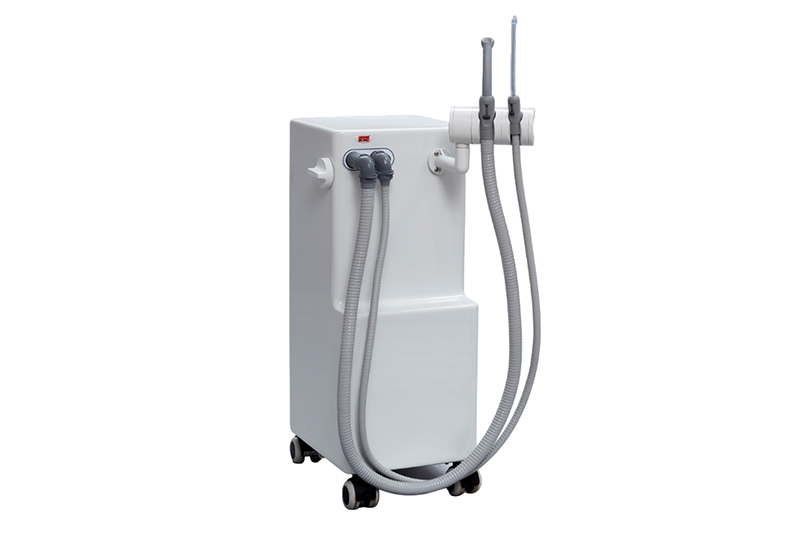
Professional Dental Equipment Guide 2026
Frequently Asked Questions: Dental Vacuum Suction Systems
Target Audience: Dental Clinics & Medical Equipment Distributors
| Question | Answer |
|---|---|
| 1. What voltage requirements should I consider when purchasing a dental vacuum suction system in 2026? | Dental vacuum suction systems in 2026 are typically designed for standard clinical voltages: 110–120V (North America) or 220–240V (Europe, Asia, and other regions). Ensure compatibility with your facility’s electrical infrastructure. Systems may support single-phase power at 50/60 Hz. Always verify local electrical codes and consider units with built-in voltage stabilization to protect against fluctuations, especially in older buildings or regions with unstable power supply. |
| 2. Are spare parts readily available for modern dental vacuum systems, and how do I ensure long-term serviceability? | Yes, leading manufacturers in 2026 maintain global spare parts distribution networks for critical components such as vacuum pumps, valves, filters, and tubing connectors. To ensure long-term serviceability, purchase from OEM-certified suppliers and confirm parts availability through multi-year service agreements. Look for systems with modular designs that simplify part replacement and verify that the distributor carries an inventory of high-wear components (e.g., carbon vanes, diaphragms, and oil filters) for prompt servicing. |
| 3. What does the installation process involve, and do I need specialized technicians? | Installation of a dental vacuum suction system in 2026 typically requires certified biomedical or dental equipment technicians. The process includes mounting the central vacuum unit, connecting suction lines to operatories, integrating with dental chairs, installing filters and separators (e.g., amalgam separators per ISO 11143), and electrical connection. Most manufacturers offer turnkey installation packages. Ensure your facility has adequate ventilation, drainage, and space for maintenance access. Pre-installation site surveys are recommended to assess plumbing, electrical, and acoustical requirements. |
| 4. What is the standard warranty coverage for dental vacuum systems in 2026, and what does it include? | In 2026, standard warranty periods for dental vacuum suction systems range from 2 to 5 years, depending on the manufacturer and model. Coverage typically includes defects in materials and workmanship, vacuum pump motor failure, and electronic control boards. Consumables (filters, tubing, separators) are generally excluded. Extended warranties and service contracts are available for proactive maintenance. Always review warranty terms for conditions such as required maintenance logs, use of OEM parts, and installation by certified personnel to avoid voiding coverage. |
| 5. How can clinics and distributors ensure compliance and performance longevity post-purchase? | Clinics and distributors should establish a preventive maintenance schedule aligned with manufacturer guidelines—typically every 6 to 12 months. This includes filter replacement, pump inspection, separator cleaning, and performance testing. Use only OEM or certified compatible spare parts to maintain efficiency and compliance with environmental and infection control standards (e.g., EPA, ADA, EU MDR). Distributors should offer training, technical support, and access to firmware updates (for digital systems) to ensure optimal performance and regulatory compliance throughout the system’s lifecycle. |
Need a Quote for Dental Vacuum Suction System?
Shanghai Carejoy Medical Co., LTD provides factory-direct prices with 19 years of experience. (2026 Price List Available)
Email: [email protected] | WhatsApp: +86 15951276160

