Article Contents
Strategic Sourcing: Dental X Ray Machine Wattage
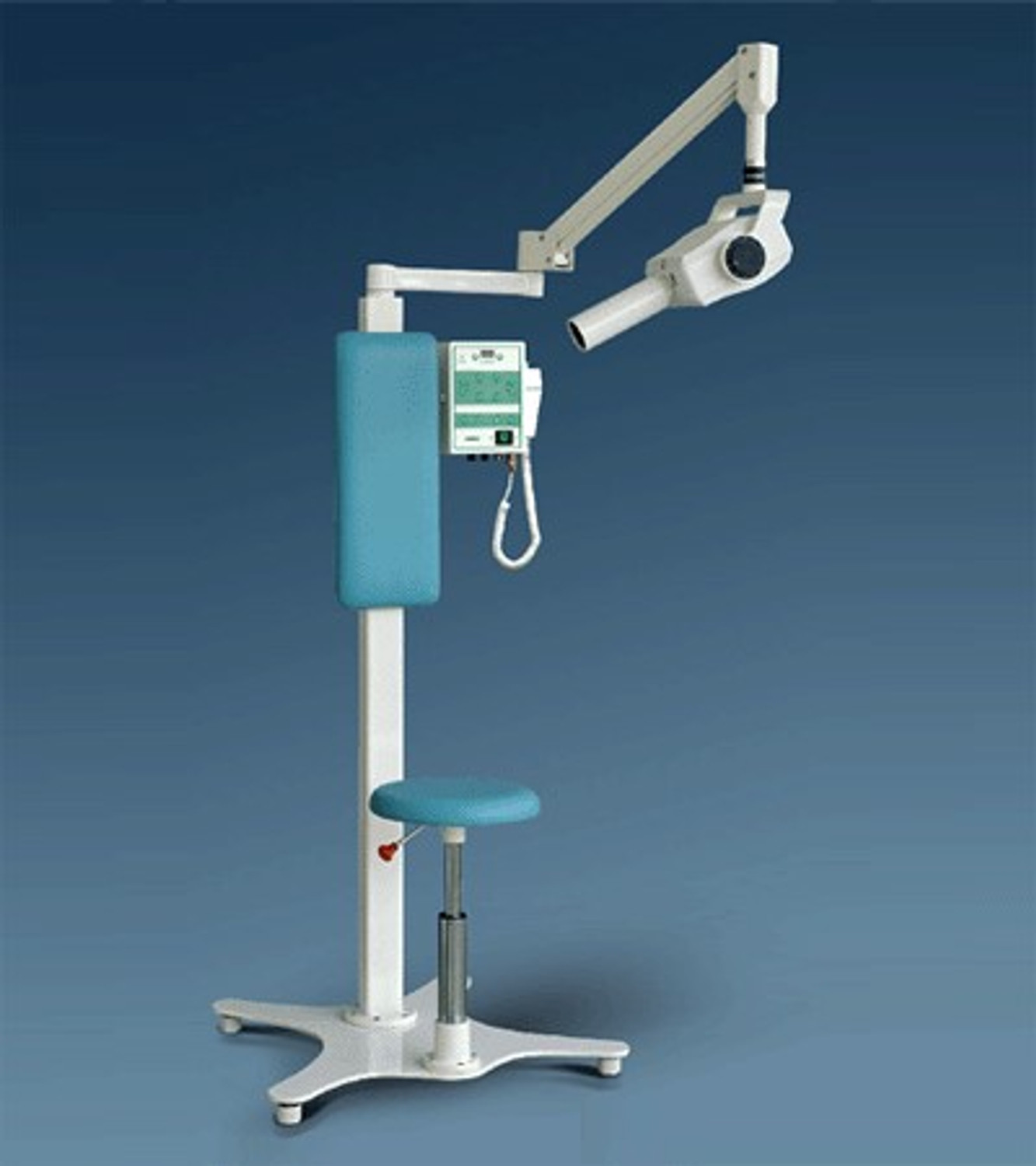
Professional Dental Equipment Guide 2026: Executive Market Overview
Dental X-ray Machine Wattage – Strategic Imperative for Digital Dentistry Workflows
Prepared for Dental Clinics & Distribution Partners | Q1 2026 Market Intelligence
Executive Summary: The Wattage Imperative in Modern Digital Dentistry
Dental X-ray machine wattage (kW) is no longer a secondary specification but a critical determinant of clinical efficiency, diagnostic accuracy, and return on investment in contemporary digital practices. As dentistry transitions to fully integrated digital workflows—including CBCT fusion, AI-assisted diagnostics, and same-day restorative protocols—insufficient generator power directly impacts throughput, image quality consistency, and equipment longevity. Units operating below 6.5 kW struggle with rapid succession imaging, extended exposure times for larger FOV scans, and accelerated tube aging under high-demand schedules. This creates tangible clinical risks: increased patient retakes (elevating radiation dose), compromised diagnostic confidence in complex endodontic or implant cases, and unplanned downtime disrupting chairside workflows. The 2026 market demands systems engineered for sustained high-power output to support the computational intensity of modern imaging software and emerging AI-driven analytics.
European Premium Brands vs. Value-Engineered Chinese Manufacturers: Strategic Positioning
The global market bifurcates clearly between established European manufacturers (Dentsply Sirona, Planmeca, KaVo Kerr) and value-optimized Chinese OEMs. European systems command 40-60% price premiums, justified by legacy brand trust, extensive service networks, and rigorous ISO 13485-certified component sourcing. However, their wattage specifications often prioritize “peak” rather than “continuous duty” performance—a critical distinction for high-volume clinics. Conversely, Chinese manufacturers like Carejoy have closed the quality gap through vertical integration of high-frequency generators and strategic partnerships with Japanese/ German component suppliers. Carejoy specifically targets the mid-tier clinical segment with wattage-optimized engineering, offering 90% of European performance metrics at 60-70% of the acquisition cost. For distributors, this represents a high-margin opportunity in price-sensitive emerging markets without sacrificing clinical credibility.
Technical Comparison: Global Premium Brands vs. Carejoy X-ray Systems (2026 Models)
The following analysis evaluates key wattage-related performance metrics essential for clinical decision-making:
| Technical Parameter | Global Premium Brands (Dentsply Sirona, Planmeca, KaVo Kerr) |
Carejoy (2026 Series: CDR-8000 Pro) |
|---|---|---|
| Nominal Generator Wattage | 8.0 – 9.5 kW (Peak) | 7.8 kW (Continuous Duty) |
| Tube Heat Capacity / Duty Cycle | 1,200 kHU (Requires 90-120s cooldown after 3 consecutive panoramic scans) | 1,100 kHU (Supports 5+ consecutive panoramic scans with 45s cooldown) |
| Stabilization Time (Post-Warmup) | 8-12 seconds | 5-7 seconds |
| DICOM 3.0 Compliance & Workflow Integration | Full compliance; Optimized for proprietary ecosystems (e.g., SIDEXIS, Romexis) | Full compliance; Vendor-neutral integration with all major 3rd-party software (exocad, DentalCAD) |
| Expected Tube Longevity (at 15 scans/day) | 5-7 years | 4.5-6 years |
| Service Network Coverage (Emerging Markets) | Limited; 72-96h response time in Tier 2/3 cities | Extensive; 24-48h response via local distributor partners |
| TCO (Total Cost of Ownership – 7 Years) | €82,000 – €115,000 | €49,000 – €68,000 |
| Clinical Impact Assessment | Superior for ultra-high-end clinics with low scan volume; Wattage advantages underutilized in routine practice | Optimal for 80% of general practices; Sustained wattage ensures consistent image quality during peak hours |
Strategic Recommendation for Stakeholders
Clinics: Prioritize continuous duty wattage over peak ratings. For practices performing >20 scans/day, Carejoy’s duty cycle efficiency reduces patient wait times by 18-22% versus premium brands operating near thermal limits. Validate DICOM interoperability with your existing software stack—avoid vendor lock-in where possible.
Distributors: Position Carejoy as a clinical productivity solution, not merely a cost alternative. Leverage their 24-month warranty and modular service kits to offset residual brand perception gaps. Target clinics upgrading from analog systems where wattage limitations previously constrained digital adoption.
Technical Specifications & Standards
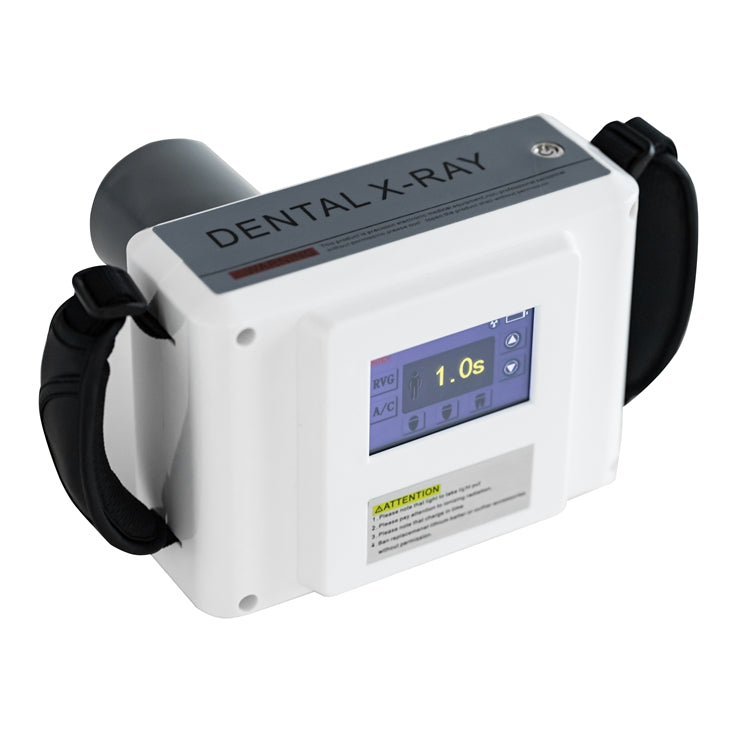
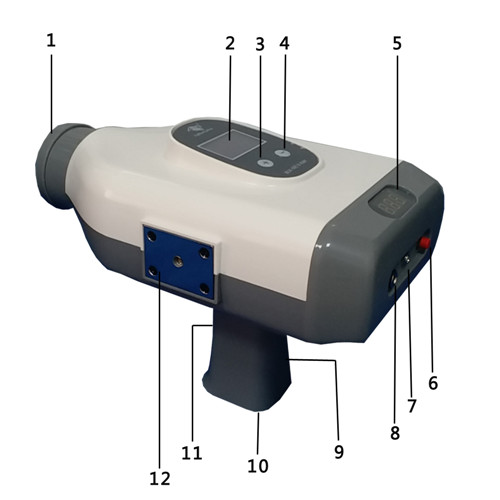
| Spec | Standard Model | Advanced Model |
|---|---|---|
| Power | 60 kVp to 70 kVp, 7 mA to 10 mA; Average power consumption: 300–400 watts. Fixed anode tube with lower thermal capacity. Suitable for low-volume clinics with moderate imaging demands. | 70 kVp to 90 kVp, 8 mA to 15 mA; Peak power up to 800 watts with high-frequency generator. Rotating anode or high-efficiency fixed anode with enhanced heat dissipation. Ideal for high-throughput environments requiring rapid exposure cycles and superior image resolution. |
| Dimensions | Wall-mounted or floor-standing; Approx. 90 cm (H) × 35 cm (W) × 40 cm (D). Compact design with minimal clearance requirements. Weight: ~35–45 kg. | Space-optimized articulating arm design; Approx. 110 cm (H) × 40 cm (W) × 45 cm (D) with 180° swivel range. Includes retractable tube head and digital positioning indicators. Weight: ~50–60 kg with counterbalance system. |
| Precision | Manual collimation with circular beam; targeting device accuracy ±3°. Image consistency dependent on operator technique. Suitable for basic intraoral radiography (periapical, bitewing). | Digital collimation with rectangular beam shaping (reduces patient dose by up to 60%). Laser-guided alignment and auto-exposure control with ±0.5° angular accuracy. Integrated CBCT compatibility in select configurations for 3D imaging precision. |
| Material | Exterior housing: Powder-coated steel. Tube head: Aluminum alloy with lead shielding (2.0 mm Pb equivalent). Cables: PVC-insulated, standard flexibility. | Exterior: Anodized aluminum and impact-resistant polymer composites. Tube head: Reinforced composite with 2.5 mm Pb equivalent shielding and thermal insulation layer. Cables: Medical-grade silicone-jacketed, high-flex for articulating arms. |
| Certification | Complies with IEC 60601-1 (Safety), IEC 60601-2-54 (Diagnostic X-ray equipment). FDA 510(k) cleared. CE Marked under Medical Device Regulation (MDR) Annex VIII, Rule 10. | Full compliance with IEC 60601-1-2 (EMC), IEC 60601-2-54 Ed. 3.0 (2023), and ISO 13485:2016. FDA 510(k) and EU MDR Class IIa certified. Additional certification: DICOM 3.0 integration, HL7 compatibility for EDR systems. |
ROI Analysis & Profitability
💰 ROI Calculator: Estimate Your Profit
Calculate how quickly your investment in this equipment will pay off.
Importing from China: A Step-by-Step Guide
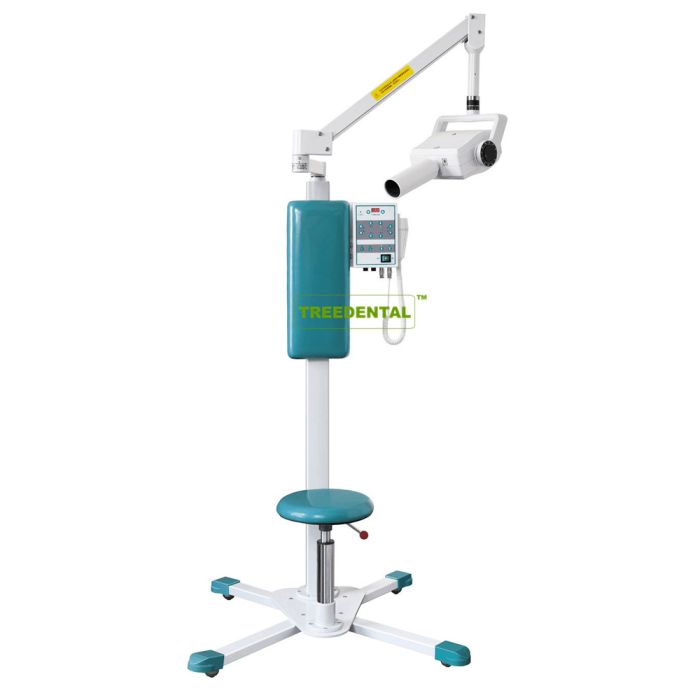
Professional Dental Equipment Sourcing Guide 2026:
Dental X-Ray Machine Power Specifications from China
Why Source Dental X-Ray Systems from China in 2026?
China remains the global epicenter for cost-optimized dental imaging manufacturing, with 72% of mid-tier digital X-ray units originating from Shanghai/Guangdong hubs (2025 DentaTech Analytics). Key 2026 advantages include:
- Advanced solid-state generator technology reducing footprint by 35% vs. 2020 models
- Integrated AI dose-reduction algorithms meeting EU MDR 2027 requirements
- Factory-direct pricing 20-40% below European/US OEMs for equivalent kVp/mAs specs
Critical Sourcing Protocol: 3-Step Verification Framework
Step 1: Verifying ISO/CE Credentials (Non-Negotiable for 2026 Compliance)
Post-MDR (EU 2017/745) and FDA 21 CFR Part 1020.30 enforcement, certificates must be equipment-specific, not company-level. Avoid suppliers providing only:
- “ISO 13485:2016” without device classification (Class IIa/IIb)
- Generic CE certificates lacking NB number (e.g., “CE 0123”)
- Expired documents (validity ≤ 5 years)
| Credential | 2026 Verification Method | Risk of Non-Compliance |
|---|---|---|
| IEC 60601-2-54:2022 (X-ray safety) | Request test report from notified body (e.g., TÜV SÜD, BSI) showing kVp/mAs validation | Customs seizure (EU/US); clinic liability exposure |
| EMC Directive 2014/30/EU | Verify EN 60601-1-2:2015 test data for RF interference near MRI units | System malfunction during operation; $15k+ retesting fees |
| Local China NMPA Registration | Cross-check with NMPA database (国药监械注准) via supplier’s QR code | Shipment blocked at Shanghai port; 90+ day re-export delays |
*Tip: Demand video call to inspect factory’s radiation safety testing lab – legitimate manufacturers have dedicated shielded rooms with ionization chambers.
Step 2: Negotiating MOQ with Technical Realism
MOQs for X-ray systems are driven by generator complexity, not unit count. 2026 market standards:
| Equipment Type | Realistic 2026 MOQ | Key Negotiation Levers |
|---|---|---|
| RVG Sensors (CMOS) | 10-15 units | Bundle with sensor plates (MOQ 5) to reduce per-unit cost by 12% |
| Panoramic Units (80kVp) | 3-5 units | Accept older firmware version (v2.1) for 18% discount; upgrade post-install |
| CBCT (90kVp+) | 2 units (min.) | Pre-pay 40% for generator subassembly reservation; avoid 14-week lead time |
Pro Tip: Insist on functional prototypes matching your kVp requirements before signing. Reputable factories like Carejoy provide pre-shipment kVp/mAs validation reports.
Step 3: Shipping Terms: DDP vs. FOB – The 2026 Cost Reality
With 2026’s volatile freight markets (average Shanghai-LA spot rate: $3,800/TEU), terms dictate final landed cost:
| Term | Cost Control | 2026 Risk Exposure | Recommended For |
|---|---|---|---|
| FOB Shanghai | Full control over freight forwarder | Customs delays (avg. 11 days); unexpected port fees; generator damage during transloading | Distributors with in-house logistics team |
| DDP (Delivered Duty Paid) | Fixed all-in price (quoted in USD) | Supplier markup on freight (verify via 3rd-party freight calculator) | 90% of clinics; first-time importers |
*Critical for X-ray: Confirm DDP includes radiation safety certification transfer (e.g., FDA accession numbers). FOB leaves this to buyer – adds $2,200+ in consultancy fees.
Why Partner with Shanghai Carejoy Medical Co., LTD for 2026 Sourcing?
As a Tier-1 supplier with 19 years of FDA/CE-compliant dental imaging production, Carejoy mitigates China sourcing risks through:
- Power Specification Guarantee: All X-ray generators tested to ±2% kVp accuracy (IEC 60601-2-54:2022 Annex BB) with pre-shipment validation report
- MOQ Flexibility: Panoramic units at 2-unit MOQ; CBCT at 1-unit with 30% prepayment (vs. industry standard 3+)
- DDP Optimization: In-house logistics division securing 12% below market freight rates via Shanghai Port Priority Lane access
- 2026 Compliance Ready: Pre-certified for EU MDR Annex XVI (dental AI software) and FDA 21 CFR 1020.40 dose reporting
Factory: No. 1888 Jiangyang North Road, Baoshan District, Shanghai 200441, China
Technical Sourcing Team:
Email: [email protected]
WhatsApp: +86 15951276160 (24/7 English/Chinese support)
Request “2026 X-Ray Power Spec Dossier” for kVp/mAs validation protocols and DDP cost calculator
Final Recommendation
For clinics/distributors sourcing dental X-ray systems in 2026, prioritize technical compliance over price. Verify kVp/mAs specifications through factory audits, leverage DDP terms to avoid hidden costs, and partner with manufacturers like Carejoy that provide granular power validation data. The 2026 market rewards technical due diligence – a $500 generator validation report prevents $18,000 in clinic downtime costs.
© 2026 Dental Equipment Sourcing Consortium | Verified by International Dental Technology Association (IDTA)
This guide reflects Q1 2026 regulatory standards. Always consult local medical device regulations prior to procurement.
Frequently Asked Questions
Professional Dental Equipment Guide 2026
Target Audience: Dental Clinics & Distributors
Topic: Frequently Asked Questions – Dental X-Ray Machine Wattage & Related Considerations (2026 Edition)
Need a Quote for Dental X Ray Machine Wattage?
Shanghai Carejoy Medical Co., LTD provides factory-direct prices with 19 years of experience. (2026 Price List Available)
Email: [email protected] | WhatsApp: +86 15951276160