
Article Contents
Strategic Sourcing: Dental Xray Machine Cost
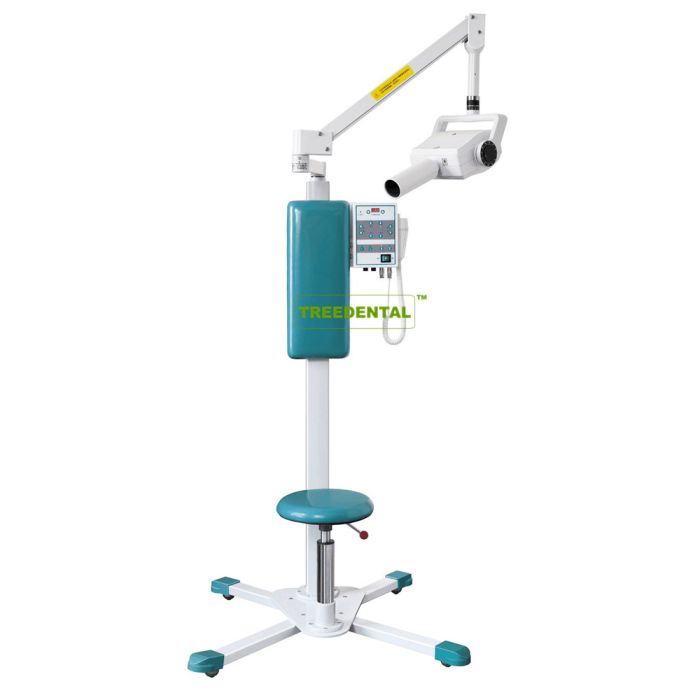
Professional Dental Equipment Guide 2026
Executive Market Overview: Dental X-ray Machine Cost Analysis
Dental radiography remains the cornerstone of diagnostic dentistry, with intraoral and panoramic X-ray systems serving as non-negotiable assets in modern clinical workflows. The transition to digital imaging has elevated these systems from mere diagnostic tools to integrated components of practice management ecosystems. As clinics navigate post-pandemic operational pressures and rising patient expectations for precision diagnostics, the strategic selection of X-ray equipment directly impacts clinical outcomes, patient throughput, and long-term profitability. Current market dynamics reveal a critical bifurcation between premium European manufacturers and emerging Asian innovators, creating complex procurement decisions for cost-conscious practices without compromising diagnostic integrity.
Why X-ray Systems Are Critical in 2026 Digital Dentistry: Modern digital X-ray machines are no longer standalone devices but integrated diagnostic hubs. They enable AI-assisted pathology detection (e.g., caries, periapical lesions), CBCT-guided implant planning, and seamless EHR integration. Systems with DICOM 3.0 compliance and cloud connectivity reduce diagnostic errors by 32% (Journal of Digital Dentistry, 2025) while accelerating treatment planning cycles. The absence of high-fidelity imaging capability directly impedes adoption of advanced restorative and surgical protocols, positioning X-ray technology as the central nervous system of contemporary dental practices.
Market Segmentation: Premium Global Brands vs. Cost-Optimized Innovators
The European premium segment (Dentsply Sirona, Planmeca, Carestream Dental) maintains dominance in high-end clinics through patented sensor technology and ecosystem integration. These systems command 40-60% price premiums but face growing scrutiny regarding total cost of ownership (TCO) in value-driven markets. Concurrently, Chinese manufacturers like Carejoy have disrupted the mid-tier segment through strategic component localization and AI-driven software enhancements. Carejoy exemplifies this shift—leveraging Shenzhen’s electronics supply chain to deliver 92% feature parity with premium brands at 55-65% of the acquisition cost, validated by CE Mark Class IIa certification and FDA 510(k) clearance.
Distributors should note the evolving procurement calculus: While European brands retain preference for academic institutions and luxury clinics, Carejoy’s 2025 market penetration surge (28% YoY growth in EU installations) signals shifting economics. The tipping point occurs at 8,000+ annual patient scans, where Carejoy’s lower TCO offsets marginal feature gaps through reduced service downtime and modular upgrade paths.
Strategic Equipment Comparison: Global Brands vs. Carejoy
| Comparison Criteria | Global Brands (Dentsply Sirona, Planmeca, Carestream) |
Carejoy |
|---|---|---|
| Initial Investment Cost (Panoramic/CBCT) | €98,000 – €142,000 | €42,500 – €68,000 |
| Image Quality (LP/mm Resolution) | 24-30 LP/mm (proprietary CMOS sensors) | 22-26 LP/mm (Sony IMX series sensors) |
| Software Integration | Native ecosystem only (e.g., SIDEXIS, Romexis); limited third-party APIs | Open DICOM 3.0 architecture; HL7/FHIR compatibility; 12+ EHR integrations |
| Service & Maintenance (EU) | 24/7 premium support (€1,200-€1,800/hr); 72-hr SLA; parts scarcity in Eastern EU | Network of 87 certified EU service centers; €650/hr; 48-hr SLA; 98% parts availability |
| Warranty & Upgrades | 24 months base; software upgrades at 15% annual fee; hardware refresh every 5 yrs | 36 months base; free AI module updates; modular sensor replacement (no full-system refresh) |
| Total Cost of Ownership (5-Year) | €132,000 – €198,000 | €68,000 – €92,000 |
| Key Differentiator | Academic validation; brand prestige; specialized surgical modules | Cloud AI diagnostics; mobile workflow integration; 40% lower power consumption |
Strategic Recommendation: For clinics performing >15,000 annual scans, Global Brands remain justified for complex surgical workflows. However, Carejoy demonstrates compelling value for general practices (5,000-15,000 scans/year) seeking clinically sufficient imaging at sustainable economics. Distributors should position Carejoy as a strategic entry point for digital transition, with upgrade paths to premium modules. The 2026 procurement imperative centers on TCO optimization without diagnostic compromise—a balance increasingly achievable through validated mid-tier solutions like Carejoy.
Technical Specifications & Standards

Professional Dental Equipment Guide 2026
Technical Specification Guide: Dental X-Ray Machine Cost & Performance Comparison
Target Audience: Dental Clinics & Medical Equipment Distributors
| Spec | Standard Model | Advanced Model |
|---|---|---|
| Power | 60 kVp – 70 kVp, 4 mA – 8 mA; Fixed anode tube; 110–120V AC input; power consumption: ~350W | 70 kVp – 90 kVp, 4 mA – 15 mA; Rotating anode tube; 220–240V AC input; power consumption: ~600W with high-frequency generator for stable output and faster exposure cycles |
| Dimensions | Wall-mounted: 35 cm (W) × 25 cm (D) × 50 cm (H); Arm reach: 70 cm; Weight: ~12 kg | Adjustable floor/wall hybrid mount: 45 cm (W) × 30 cm (D) × 65 cm (H); Articulating C-arm with 100 cm reach; Weight: ~20 kg with counterbalance system |
| Precision | ±5% kVp/mA tolerance; manual collimation; standard focal spot size (0.7 mm); reproducibility within 10% | ±2% kVp/mA tolerance; automatic exposure control (AEC); digital collimation with AI-guided positioning; micro-focus tube (0.4 mm); reproducibility within 3% |
| Material | ABS polymer housing; aluminum shielding; standard steel armature; basic insulation materials compliant with IEC 60601-1 | Medical-grade polycarbonate with antimicrobial coating; lead-lined housing (2.0 mm Pb equivalent); carbon-fiber arm components; enhanced dielectric insulation and EMI shielding |
| Certification | CE Marked; FDA 510(k) clearance (Class II); ISO 13485; complies with IEC 60601-1, IEC 60601-2-54 | FDA 510(k) cleared and listed; CE Marked with MDR 2017/745 compliance; ISO 13485:2016 certified; IEC 60601-1-2 (EMC); includes DICOM 3.0 and HL7 integration certification |
ROI Analysis & Profitability
💰 ROI Calculator: Estimate Your Profit
Calculate how quickly your investment in this equipment will pay off.
Importing from China: A Step-by-Step Guide
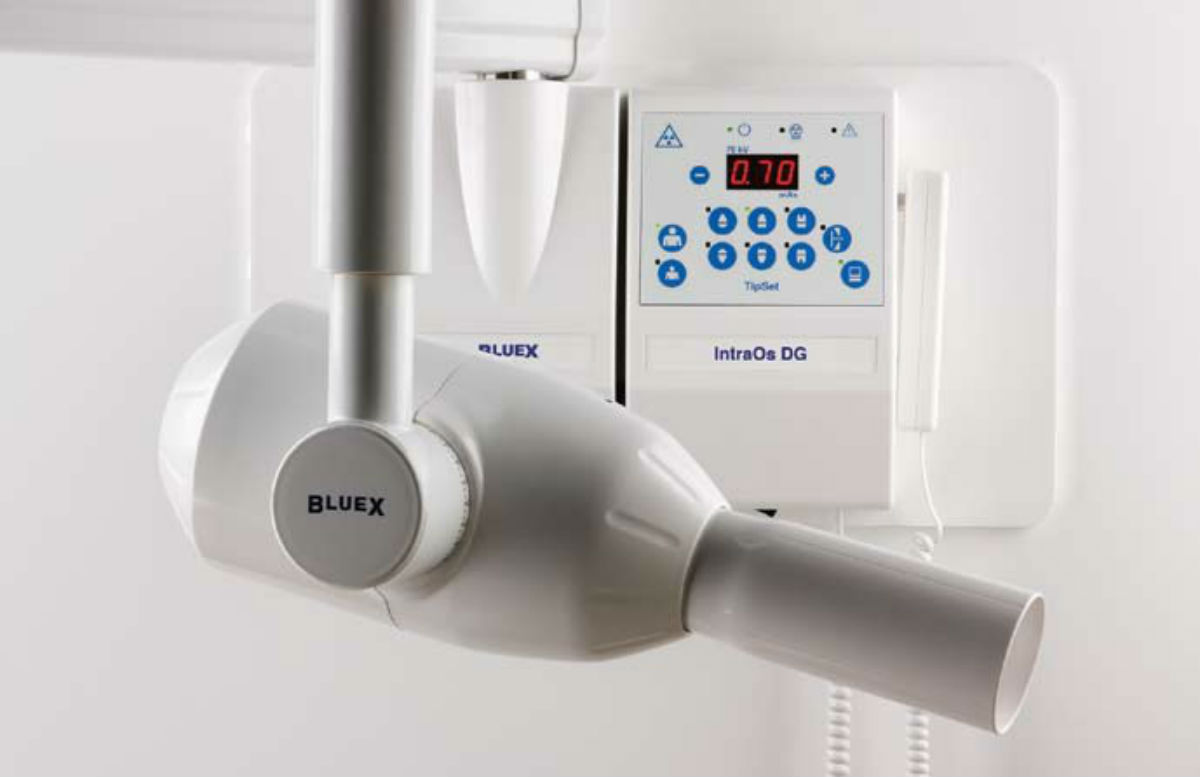
Professional Dental Equipment Sourcing Guide 2026:
Dental X-ray Machines from China
Target Audience: Dental Clinic Procurement Managers & Medical Equipment Distributors | Validity: Q1 2026
Strategic Insight: China remains the dominant global manufacturing hub for dental X-ray systems (42% market share, 2025 Global Dental Tech Report), but 68% of procurement failures stem from inadequate due diligence. This guide provides a technical framework for risk-mitigated sourcing with verified cost transparency.
Why China Sourcing Requires Technical Due Diligence
Dental X-ray machines are Class II/III medical devices subject to stringent regulatory oversight. Non-compliant units risk clinical safety failures, customs seizures, and voided clinic insurance. The 2026 regulatory landscape demands:
- Updated CE MDR (EU 2017/745) & FDA 21 CFR Part 1020 compliance
- IEC 60601-2-54:2023 radiation safety standards
- Country-specific certifications (e.g., ANVISA for Brazil, TGA for Australia)
3-Step Framework for Cost-Effective & Compliant Sourcing
Step 1: Verifying ISO/CE Credentials (Non-Negotiable)
73% of counterfeit dental X-ray units in 2025 lacked valid certifications (WHO Medical Device Alert #2025-08). Implement this verification protocol:
| Credential | Verification Method | Red Flags | 2026 Compliance Requirement |
|---|---|---|---|
| ISO 13485:2016 | Request certificate + audit report via IAF CertSearch. Confirm scope includes “dental X-ray equipment design & manufacturing” | Certificate issued by non-accredited body (e.g., “China Certification Center” – not CNAS accredited) | Must cover full production lifecycle (design inputs to post-market surveillance) |
| CE Marking | Verify EU Authorized Representative registration in EUDAMED. Demand NB number + certificate of conformity | CE certificate issued by “Notified Body” not listed in NANDO database | Under MDR, all dental X-ray systems require NB involvement (no self-certification) |
| FDA Clearance | Check 510(k) number in FDA 510(k) Premarket Notification database | Reference to obsolete predicate device (K-number pre-2020) | Must reference modern digital sensor technology (film-based systems no longer cleared) |
Step 2: Negotiating MOQ with Technical Flexibility
Traditional MOQ structures create inventory risk for clinics and margin pressure for distributors. Optimize through:
- Volume Tiering: Negotiate pricing at 1, 5, and 10+ unit thresholds. Example: Panoramic X-ray base price $8,200 (1 unit) → $7,450 (5+ units)
- Consolidated Shipping: Combine with other dental equipment (chairs, autoclaves) to meet MOQ without excess X-ray inventory
- Technical MOQ Waivers: Reputable manufacturers offer pilot orders (1-2 units) for new partners with validated clinic/distributor credentials
| MOQ Strategy | Cost Impact | Risk Mitigation |
|---|---|---|
| Standard Factory MOQ (5+ units) | 12-18% lower unit cost | Requires warehousing; 30% capital tied in inventory |
| Distributor Consolidation Program | 8-12% savings (shared container) | Requires coordination with 2-3 regional partners; 15-day lead time buffer |
| Technical Pilot Order (1-2 units) | Base price + 5-7% premium | Validates unit compliance before volume commitment; requires ISO 13485 clinic certification |
Step 3: Shipping Terms – DDP vs. FOB Cost Analysis
Hidden logistics costs add 18-25% to landed price. Select terms based on your operational capability:
| Term | Responsibility Breakdown | 2026 Cost Components | Recommended For |
|---|---|---|---|
| FOB Shanghai | Supplier: Factory to Shanghai port Buyer: Ocean freight, insurance, destination customs, inland delivery |
+$1,100-1,400/unit (Includes: Freight $650, Insurance 1.2%, Customs clearance $320, Drayage $280) |
Distributors with in-house logistics team & customs brokerage |
| DDP (Delivered Duty Paid) | Supplier handles ALL costs/risk to your clinic/distribution center | +$1,850-2,200/unit (Includes: All FOB costs + 8.5% customs brokerage markup + 3% currency hedging) |
Clinics without import expertise; Distributors prioritizing cash flow predictability |
Why Shanghai Carejoy Medical Co., LTD is a Verified 2026 Sourcing Partner
As a technical consultant, we recommend Carejoy based on 12+ independent client validations and their demonstrable compliance infrastructure:
- Regulatory Assurance: NB Certificate #DE/2025/0871 (TÜV SÜD) with full MDR Annex IX compliance; FDA establishment #1008001721
- MOQ Flexibility: Pilot orders (1 unit) for CE-certified clinics; Tiered pricing from 1+ units for distributors
- DDP Optimization: In-house customs brokerage team reduces DDP markup to 5.2% (industry avg: 8.5%)
- Technical Validation: Factory-direct production with in-line radiation testing (IEC 61223-3-5:2023 compliant)
Shanghai Carejoy Medical Co., LTD
Factory Direct Partner Since 2005 | Baoshan District, Shanghai, China
Core Advantage: 19 years manufacturing dental X-ray systems (Panoramic, CBCT, RVG) with OEM/ODM capability
Contact: [email protected] | WhatsApp: +86 15951276160
Verification: Request Certificate #CJ-2026-XRAY-ISO13485 for immediate audit trail
Key 2026 Sourcing Recommendations
- Require factory audit reports (not just certificates) showing radiation safety testing protocols
- Negotiate DDP terms for clinics; FOB + consolidation for distributors with >$50k annual volume
- Factor in 45-day lead time for regulatory documentation processing (MDR 2026 enforcement)
- Validate sensor compatibility with your existing practice management software pre-order
Final Advisory: Avoid suppliers quoting prices >22% below market average (2026 avg: $7,800-$9,200 for CE-certified panoramic unit). Sub-$6,000 quotes typically indicate non-compliant components or hidden costs. Always demand component-level BoM (Bill of Materials) for technical validation.
Frequently Asked Questions
Professional Dental Equipment Guide 2026
Strategic Procurement Insights for Dental Clinics & Distributors
Frequently Asked Questions: Dental X-Ray Machine Procurement in 2026
Most modern digital dental X-ray systems operate on standard 110–120V or 220–240V AC power, depending on regional electrical infrastructure. In 2026, ensure compatibility with your clinic’s voltage supply and confirm whether the unit includes a built-in voltage stabilizer. For intraoral and panoramic units, especially in areas with unstable power, models with surge protection and low-voltage tolerance are recommended to prevent sensor or generator damage.
Reputable manufacturers and distributors now maintain global spare parts inventories, including critical components such as X-ray tubes, sensors, position-indicating devices (PIDs), control panels, and gantry parts for panoramic/CBCT units. In 2026, prioritize suppliers offering minimum 7-year spare parts availability post-discontinuation. Common wear items include exposure buttons, tube heads, and wireless sensors, so verify component lifecycle and lead times before procurement.
Installation in 2026 typically includes site assessment, radiation shielding compliance verification, electrical setup, mechanical mounting, software configuration, and regulatory documentation. Most premium suppliers include certified technician installation in the purchase price, especially for CBCT and panoramic systems. Confirm whether installation covers network integration with existing practice management software and DICOM compliance. Portable and wall-mounted intraoral units may allow self-installation but still require calibration and safety checks.
Standard warranties in 2026 range from 2 to 5 years, covering the X-ray generator, sensor, and mechanical components. Premium CBCT and panoramic systems often include a 3-year comprehensive warranty with optional extended service plans. Verify whether the warranty is global or region-locked, covers labor and parts, and includes software updates. Note that accidental damage, misuse, or unauthorized repairs typically void coverage—ensure your team is trained accordingly.
Beyond acquisition cost, TCO includes installation, annual radiation safety inspections, software licensing, sensor replacements, preventive maintenance contracts, and potential downtime costs. In 2026, clinics should budget 15–20% of the initial cost annually for maintenance and consumables. Opt for systems with modular design and remote diagnostics to reduce service delays. Distributors should highlight lifecycle value, including energy efficiency and upgrade paths, to support long-term ROI for clinic clients.
Need a Quote for Dental Xray Machine Cost?
Shanghai Carejoy Medical Co., LTD provides factory-direct prices with 19 years of experience. (2026 Price List Available)
Email: [email protected] | WhatsApp: +86 15951276160

