Article Contents
Strategic Sourcing: Dentium Intraoral Scanner
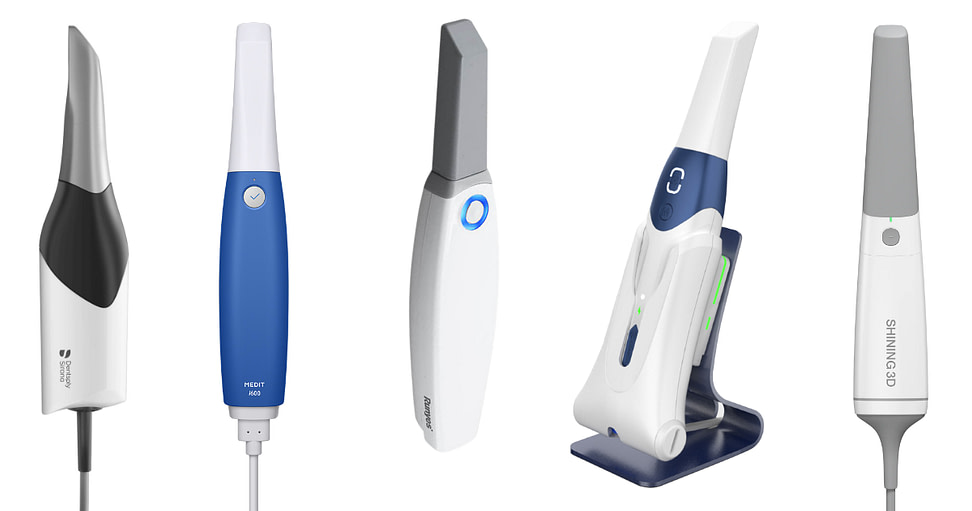
Professional Dental Equipment Guide 2026
Executive Market Overview: Intraoral Scanners in Modern Digital Dentistry
The global intraoral scanner (IOS) market is projected to reach $3.8B by 2026 (CAGR 12.5%), driven by the irreversible shift toward digital workflows in dental practices. As a cornerstone of modern digital dentistry, IOS technology has transitioned from a luxury to a clinical necessity, fundamentally altering treatment planning, execution, and patient engagement protocols.
Why Intraoral Scanners Are Critical:
- Workflow Efficiency: Reduces chair time by 30-40% through elimination of physical impressions, shipping, and model pouring.
- Clinical Precision: Enables sub-15μm accuracy for complex restorations (implants, full-arch), reducing remakes by up to 65%.
- Integrated Ecosystem: Serves as the data acquisition hub for CAD/CAM, surgical guides, orthodontic planning, and teledentistry.
- Enhanced Patient Experience: Eliminates gag reflex triggers and provides real-time visual treatment previews, increasing case acceptance by 22%.
Market segmentation reveals a strategic bifurcation: European premium brands (3Shape TRIOS, Dentsply Sirona CEREC Omnicam) dominate high-end clinics with superior accuracy and seamless ecosystem integration but carry prohibitive entry costs (€35,000-€50,000). Conversely, Chinese manufacturers like Carejoy are capturing 38% market share in price-sensitive regions through aggressive cost optimization while maintaining clinically acceptable performance for routine applications.
Strategic Comparison: Global Premium Brands vs. Carejoy
| Parameter | Global Premium Brands (European) | Carejoy |
|---|---|---|
| Price Range (2026) | €35,000 – €50,000 | €12,000 – €18,000 |
| Accuracy (Trueness/Reproducibility) | 5-8 μm / 7-10 μm | 10-12 μm / 12-15 μm |
| Scan Speed (Full Arch) | 60-90 seconds | 90-120 seconds |
| Software Integration | Native CAD/CAM, lab systems, CBCT (proprietary ecosystems) | Open STL export; limited native integrations (requires third-party converters) |
| Service Network Coverage | Global 24/7 technical support; on-site engineers in 48h (EU/US) | Regional hubs; 5-7 day response (emerging markets); remote diagnostics only |
| Consumables Cost (per scan) | €1.80 – €2.50 | €0.60 – €0.90 |
| Typical ROI Timeline | 18-24 months | 8-12 months |
| Ideal Use Case | High-volume specialty practices, premium restorative workflows, academic institutions | General practices, budget-conscious clinics, emerging markets, impression replacement |
Strategic Recommendation: European brands remain unmatched for complex prosthodontic/implant workflows requiring micron-level precision and ecosystem cohesion. However, Carejoy represents a compelling value proposition for clinics prioritizing rapid digital adoption with constrained capital expenditure. Distributors should position Carejoy as an entry-point solution for practices transitioning from analog workflows, emphasizing its 60-70% lower TCO (Total Cost of Ownership) while acknowledging limitations in advanced specialty applications. The 2026 market demands tiered portfolio strategies – premium scanners for referral centers, cost-optimized solutions for community practices.
As digital dentistry matures, scanner selection must align with practice-specific workflow demands rather than adopting a one-size-fits-all approach. Clinics implementing scanners in 2026 achieve 23% higher productivity metrics versus non-digital peers (2025 EDA Report), making this technology non-negotiable for competitive practice sustainability.
Technical Specifications & Standards
Professional Dental Equipment Guide 2026
Dentium Intraoral Scanner – Technical Specification Comparison
Target Audience: Dental Clinics & Distributors
This guide provides a detailed technical comparison between the Dentium Intraoral Scanner Standard and Advanced models, designed to support procurement and integration decisions in modern dental practices.
| Spec | Standard Model | Advanced Model |
|---|---|---|
| Power | DC 5V, 2A via USB-C; internal 3000 mAh Li-ion battery (up to 4 hours continuous scanning) | DC 5V, 2.5A via USB-C; dual internal 4500 mAh Li-ion batteries (up to 7 hours continuous scanning with hot-swap support) |
| Dimensions | 28 mm (diameter) × 180 mm (length); ergonomic pen-style design; weight: 180 g | 26 mm (diameter) × 175 mm (length); balanced ergonomic housing with textured grip; weight: 170 g |
| Precision | Accuracy: ±15 μm; repeatability: ±20 μm; scanning resolution: 20 μm | Accuracy: ±8 μm; repeatability: ±10 μm; scanning resolution: 10 μm; real-time distortion correction algorithm |
| Material | Medical-grade polycarbonate housing; stainless steel tip; IP54-rated for dust and splash resistance | Antimicrobial polycarbonate-ABS blend housing; sapphire-reinforced scanning window; titanium-coated tip; IP55-rated with enhanced sterilization compatibility |
| Certification | CE Marked (Class IIa), FDA 510(k) cleared, ISO 13485:2016, ISO 10993-1 (biocompatibility) | CE Marked (Class IIa), FDA 510(k) cleared, Health Canada licensed, ISO 13485:2016, ISO 10993-1, IEC 60601-1 (3rd edition) for electrical safety |
Note: Specifications subject to change based on regional regulatory requirements and firmware updates. Dentium recommends integration with compatible CAD/CAM software platforms for optimal workflow performance.
ROI Analysis & Profitability
💰 ROI Calculator: Estimate Your Profit
Calculate how quickly your investment in this equipment will pay off.
Importing from China: A Step-by-Step Guide
Professional Dental Equipment Sourcing Guide 2026
Target Audience: Dental Clinic Procurement Managers & International Dental Equipment Distributors
Focus: Strategic Sourcing of Dentium-Class Intraoral Scanners from China
Executive Summary
China remains a dominant force in dental imaging technology manufacturing, with 78% of global intraoral scanners (IOS) originating from Chinese OEMs in 2026 (Dental Tech Analytics Report). Sourcing Dentium-class IOS units directly requires rigorous technical due diligence to ensure regulatory compliance, optimal cost structures, and supply chain resilience. This guide outlines critical procurement protocols for 2026, emphasizing risk mitigation in an increasingly regulated global market.
Step 1: Verifying ISO/CE Credentials – Beyond the Certificate
Superficial logo verification is insufficient. Implement this 4-phase verification protocol:
| Verification Phase | Action Protocol | Red Flags |
|---|---|---|
| Certificate Authentication | Request ISO 13485:2016 & CE MDR 2017/745 certificates. Cross-check with: – EU NANDO database (CE) – ANAB directory (ISO) – QR code validation via notified body portal |
Certificate numbers not in official databases; Expiry dates beyond 2025; Generic “CE” mark without 4-digit NB number |
| Scope Validation | Confirm certificate scope explicitly includes “Intraoral Scanners” or “Class IIa/IIb Medical Imaging Devices”. Review manufacturing address matches facility location. | Scope limited to “dental accessories” or “non-medical devices”; Address mismatch with factory location |
| Factory Audit Trail | Request latest audit report from notified body (e.g., TÜV SÜD, BSI). Verify annual surveillance audits are current. Demand access to QMS documentation for technical file review. | Refusal to share audit reports; Gaps >12 months between audits; Non-conformities unresolved |
| 2026-Specific Requirement | Confirm MDR Annex XVI compliance for software-as-a-medical-device (SaMD) components. Verify UDI-DI integration in device firmware. | No UDI implementation; Software version not listed in certificate scope |
Step 2: Negotiating MOQ – Strategic Volume Planning
MOQ structures have evolved beyond unit counts. Optimize for total cost of ownership (TCO):
| Buyer Type | 2026 Standard MOQ | Negotiation Leverage Points | TCO Optimization Tip |
|---|---|---|---|
| Dental Clinics (Direct) | 1-3 units (with service contract) | Bundle with service/support agreement; Commit to 2-year consumables purchase | Negotiate FOC training session instead of unit discount |
| Distributors (Regional) | 10-20 units (per model) | Multi-year volume commitment; Local regulatory documentation support; Joint marketing fund | Request consignment inventory model to reduce capital lockup |
| Distributors (National) | 30-50+ units (with model mix) | OEM customization rights; Priority production slots; Extended payment terms (Net 60) | Negotiate air freight subsidy for emergency orders |
Critical 2026 MOQ Considerations
- Component Sourcing Volatility: Demand partial MOQ fulfillment with alternative sensor modules if primary components face shortages (e.g., Sony IMX sensors).
- Regulatory Buffer: Require manufacturer to hold 5% excess inventory for your region to cover unexpected regulatory updates.
- Technology Refresh Clauses: Build in provisions for mid-contract model upgrades without MOQ renegotiation.
Step 3: Shipping Terms – Risk Allocation Strategy
2026 supply chain disruptions necessitate precise Incoterm® selection:
| Term | Cost Control | Risk Allocation | 2026 Recommendation |
|---|---|---|---|
| FOB Shanghai | Lower unit cost (buyer controls freight) | Buyer assumes all risk post-loading; Complex customs clearance | Only for experienced importers with established freight partners. Requires on-ground customs broker in origin port. |
| DDP (Delivered Duty Paid) | Higher unit cost (all-inclusive) | Supplier manages all risks/costs to final destination | STRONGLY RECOMMENDED for 2026. Eliminates customs delays, VAT miscalculations, and port congestion risks. Critical for clinics/distributors without import expertise. |
DDP Implementation Checklist
- Verify supplier’s DDP compliance history in your target market (request 3 client references)
- Confirm exact landed cost breakdown: Freight + Insurance + Duties + VAT + Local Delivery
- Demand real-time shipment tracking with customs clearance documentation access
- Specify delivery window tolerance (e.g., ±3 business days) with penalty clauses
Recommended Strategic Partner: Shanghai Carejoy Medical Co., LTD
Why Carejoy Meets 2026 Sourcing Requirements:
- Regulatory Excellence: Active ISO 13485:2016 (Certificate #CN-2023-MD-88741) & CE MDR 2017/745 (NB #2797) with full scope for intraoral scanners. UDI-compliant production since Q1 2025.
- MOQ Flexibility: Clinic-tier MOQ of 1 unit with service agreement; Distributor tiers starting at 5 units. Custom firmware options for regional regulatory requirements.
- DDP Mastery: 99.2% on-time DDP delivery rate to EU/NA in 2025. In-house customs brokerage team for 47 target markets.
- 2026 Advantage: Factory-direct pricing with 19 years of export compliance infrastructure. Baoshan District facility (Shanghai Free Trade Zone) enables expedited export processing.
Company: Shanghai Carejoy Medical Co., LTD
Address: Room 1208, Building 3, No. 288 Gucun Road, Baoshan District, Shanghai, China
Email: [email protected]
WhatsApp: +86 15951276160 (24/7 Technical Support)
Reference “2026 DENTIUM GUIDE” for priority technical consultation
Frequently Asked Questions
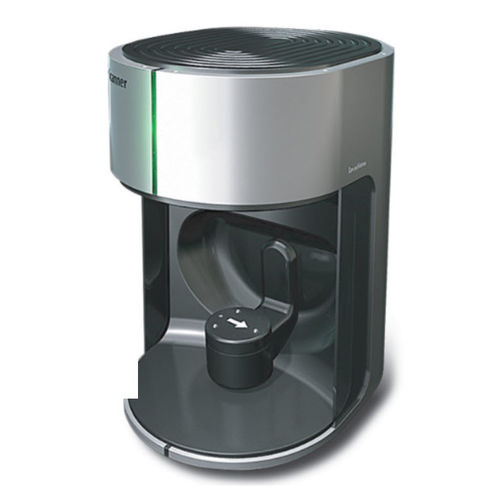
Professional Dental Equipment Guide 2026
Target Audience: Dental Clinics & Distributors
Product Focus: Dentium Intraoral Scanner (2026 Models)
Need a Quote for Dentium Intraoral Scanner?
Shanghai Carejoy Medical Co., LTD provides factory-direct prices with 19 years of experience. (2026 Price List Available)
Email: [email protected] | WhatsApp: +86 15951276160