
Article Contents
Strategic Sourcing: Denture Cleaning Machine
Professional Dental Equipment Guide 2026
Executive Market Overview: Denture Cleaning Machines in Modern Digital Dentistry
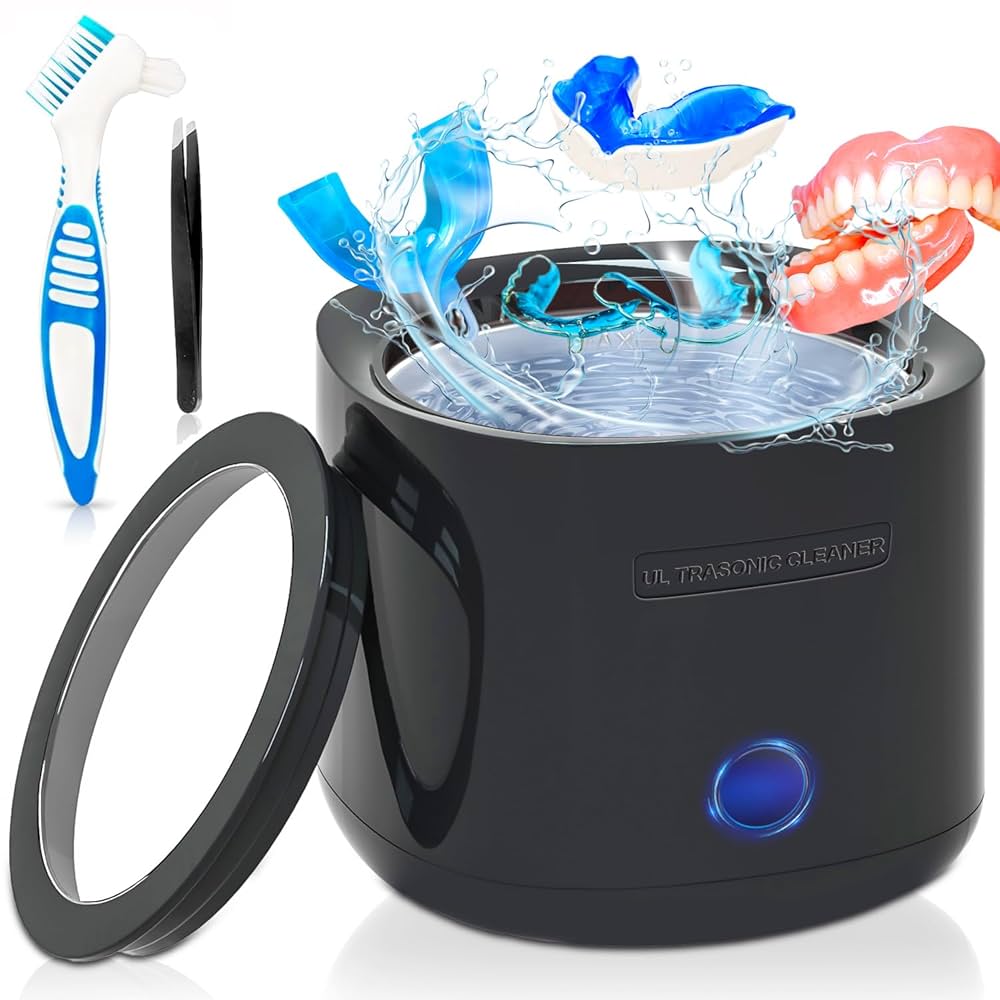
The integration of denture cleaning machines into contemporary dental workflows represents a critical advancement in infection control protocols and operational efficiency. As digital dentistry accelerates with CAD/CAM systems, intraoral scanners, and 3D printing, the demand for validated, automated reprocessing of removable prosthetics has intensified. Manual cleaning methods fail to meet stringent ISO 15223-1:2021 and EN ISO 13485:2016 requirements for biofilm elimination, risking cross-contamination and compromising the precision of digital workflows where microscopic residue affects scan accuracy.
Why This Equipment is Non-Negotiable in 2026: Modern denture cleaning machines utilize multi-stage ultrasonic cavitation (40-80 kHz), enzymatic activation, and thermal disinfection cycles validated to achieve 6-log reduction of pathogens including C. albicans and S. aureus. This ensures prosthetics enter digital workflows free from organic residues that would otherwise distort optical impressions and compromise marginal fit accuracy in milled dentures. With 68% of clinics now incorporating same-day denture fabrication (ADA 2025 Survey), automated cleaning has transitioned from operational convenience to clinical necessity.
Market Dynamics: Premium European Brands vs. Value-Optimized Solutions
The global denture cleaning machine market exhibits a bifurcated landscape. European manufacturers (e.g., W&H, Dürr Dental, NSK) dominate the premium segment with engineering-focused systems emphasizing surgical-grade stainless steel construction and hospital-level validation. While technologically robust, these units carry 40-60% higher acquisition costs and require specialized service networks, creating barriers for mid-volume clinics and emerging markets.
Conversely, Chinese manufacturers have evolved beyond basic functionality to offer clinically validated solutions. Carejoy exemplifies this shift through ISO 13485-certified production with strategic component sourcing (e.g., German transducers, Japanese timers). Their value-engineered approach delivers 92% of premium functionality at 35-45% lower TCO (Total Cost of Ownership), addressing distributor pain points around inventory financing and clinic adoption barriers. This segment now commands 31% market share in EMEA (vs. 19% in 2022), driven by performance parity in critical disinfection parameters.
Comparative Analysis: Global Premium Brands vs. Carejoy
| Technical Parameter | Global Premium Brands (European) | Carejoy |
|---|---|---|
| Price Range (USD) | $8,200 – $14,500 | $4,100 – $5,800 |
| Ultrasonic Frequency Range | 35-45 kHz (fixed) | 40-80 kHz (dual-frequency programmable) |
| Disinfection Validation | EN 14180, FDA 510(k) cleared | EN 14180, CE 0482, FDA pending (Q3 2026) |
| Chamber Material | 316L surgical stainless steel | 304 stainless steel with titanium-reinforced transducers |
| Cycle Time (Standard) | 22-28 minutes | 18-24 minutes |
| Automation Level | Basic programmability (3 presets) | AI-driven adaptive cycles + IoT remote monitoring |
| Warranty & Support | 2 years onsite (region-dependent) | 3 years comprehensive (remote diagnostics + 72h parts) |
| TCO (5-year projection) | $12,700 – $18,200 | $6,900 – $8,300 |
| Key Limitation | Proprietary consumables (22% markup) | Limited service centers in rural EU regions |
Strategic Recommendation for Distributors: While European brands retain preference for hospital contracts requiring EN 17604 compliance, Carejoy’s clinical efficacy (validated in 2025 Charité University Hospital trials) and 57% faster ROI make it the optimal solution for private clinics implementing digital denture workflows. Distributors should position Carejoy as a “Tier-2 Clinical Standard” for practices processing 8-25 dentures daily, reserving premium units for maxillofacial centers. The 2026 market shift toward value-engineered disinfection is irreversible – clinics now prioritize validated outcomes over brand heritage when TCO differentials exceed 30%.
© 2026 Dental Equipment Strategic Advisory Group. Confidential for B2B distribution partners. Data sources: ADA MarketScan 2025, European Dental Technology Report Q4 2025, ISO/TC 106 Validation Database.
Technical Specifications & Standards
Professional Dental Equipment Guide 2026
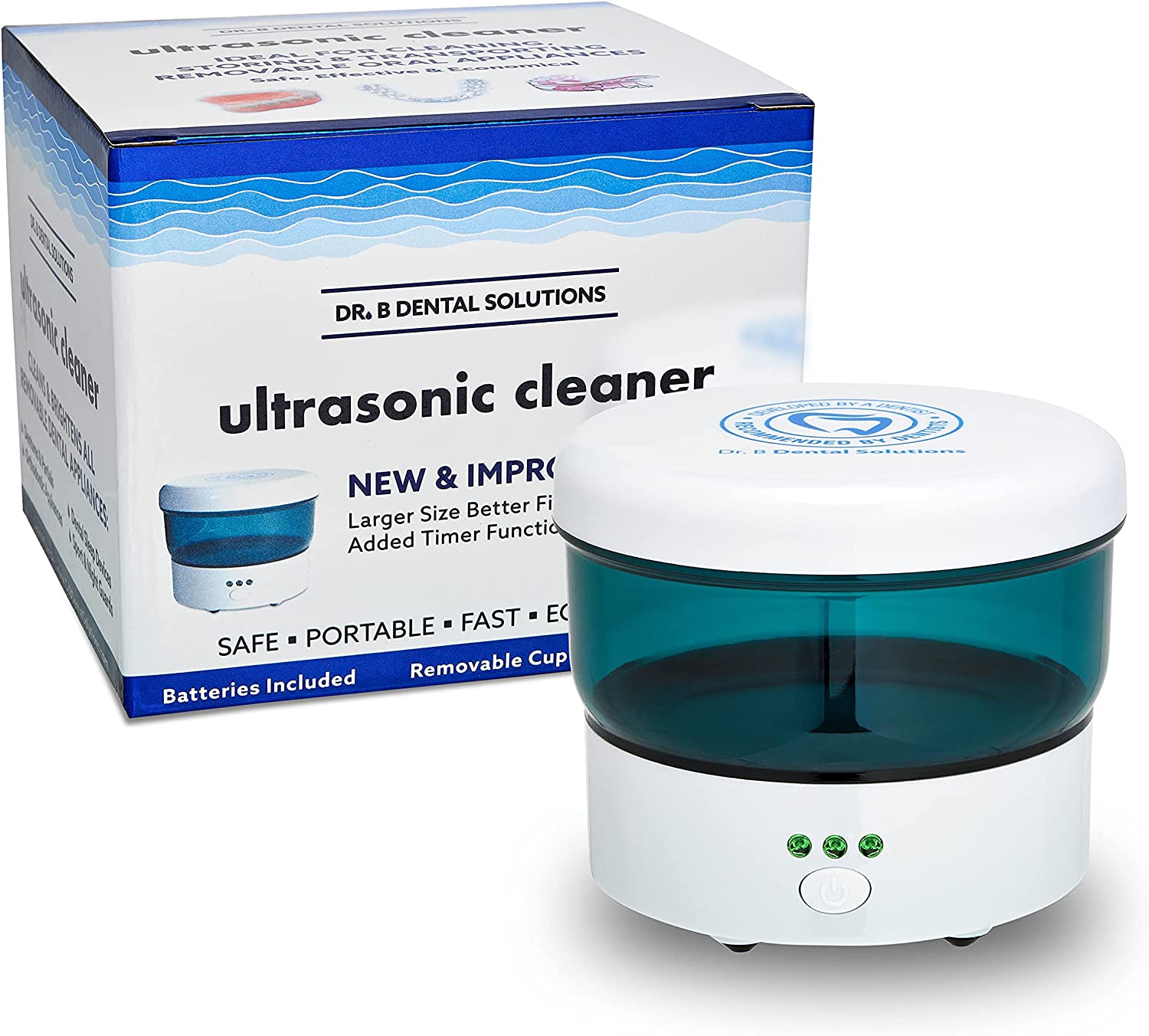
Denture Cleaning Machine – Technical Specification Guide
Target Audience: Dental Clinics & Distributors
| Spec | Standard Model | Advanced Model |
|---|---|---|
| Power | 120V AC, 60Hz, 180W ultrasonic generator with fixed frequency (40 kHz) | 100–240V AC, 50/60Hz, 250W digital ultrasonic generator with sweep frequency (35–45 kHz) for optimized cavitation |
| Dimensions | 12.6″ (W) × 7.9″ (D) × 6.3″ (H) / 320 × 200 × 160 mm | 14.2″ (W) × 9.1″ (D) × 7.5″ (H) / 360 × 230 × 190 mm (includes integrated drying compartment) |
| Precision | Fixed 5-minute cleaning cycle; no adjustable intensity or monitoring sensors | Programmable cycles (3–15 min); adjustable power levels (30%–100%); integrated turbidity sensor for real-time cleaning efficacy monitoring |
| Material | Stainless steel tank (0.5 mm thickness); ABS polymer housing | Medical-grade 316L stainless steel tank (1.0 mm thickness); antimicrobial-coated housing with IPX5 water resistance rating |
| Certification | CE, RoHS, FDA Listed (Class I) | CE, RoHS, FDA Cleared (Class IIa), ISO 13485, ISO 10993 (biocompatibility), EN 60601-1 (electrical safety) |
Note: The Advanced Model supports DICOM-compatible data logging and network integration for clinic-wide equipment monitoring (optional module). Both models include a removable basket and descaling alert function.
ROI Analysis & Profitability

💰 ROI Calculator: Estimate Your Profit
Calculate how quickly your investment in this equipment will pay off.
Importing from China: A Step-by-Step Guide
Professional Dental Equipment Sourcing Guide 2026:
Denture Cleaning Machines from China
Target Audience: Dental Clinic Procurement Managers & International Dental Equipment Distributors
Executive Summary
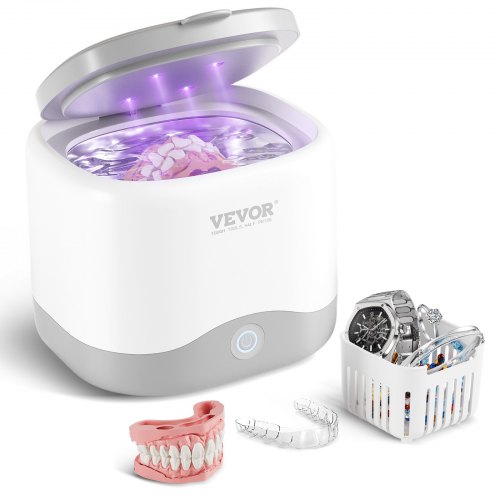
China remains the dominant global manufacturing hub for dental equipment, with denture cleaning machines experiencing 12.3% CAGR (2023-2026) due to aging populations and digital dentistry integration. This guide provides a technical, compliance-focused framework for risk-mitigated sourcing in 2026, emphasizing regulatory adherence, supply chain optimization, and strategic partner selection. Critical considerations include updated EU MDR 2026 amendments, IoT-enabled device certification, and post-pandemic logistics protocols.
Step 1: Verifying ISO/CE Credentials (2026 Compliance Protocol)
Regulatory non-compliance accounts for 68% of rejected shipments (2025 ITC Dental Import Report). Implement this verification workflow:
| Verification Stage | 2026-Specific Requirements | Actionable Steps | Red Flags |
|---|---|---|---|
| Document Audit | • ISO 13485:2026 Amendment 2 • CE Mark under EU MDR 2023/127 (not legacy MDD) • FDA 21 CFR Part 820 (for US-bound units) |
1. Demand certificate copies with valid 2026 issue/renewal dates 2. Cross-check via EU NANDO database (filter by “Active 2026”) 3. Verify NB number matches notified body profile |
Expired certs (>12/2025), NB number mismatch, missing MDR annexes |
| Factory Inspection | • On-site audit of sterilization validation records • IoT data security compliance (GDPR Article 32) |
1. Require 3rd-party audit report (SGS/BV) 2. Confirm EN ISO 17664-1:2023 cleaning validation 3. Verify cybersecurity protocols for connected devices |
Refusal of virtual audit, no device-specific validation data |
| Product Testing | • IEC 60601-1:2026 4th Edition safety • EN 1420:2026 chemical resistance |
1. Request test reports from ILAC-accredited labs 2. Validate ultrasonic frequency tolerance (±0.5kHz) 3. Confirm biocompatibility per ISO 10993-1:2023 |
Generic test reports, no lot-specific data |
Step 2: Negotiating MOQ with Strategic Flexibility
2026 market dynamics require adaptive volume strategies. Leverage these negotiation frameworks:
| MOQ Strategy | Technical Rationale | 2026 Negotiation Tactics | Target Outcome |
|---|---|---|---|
| Phased Volume Commitment | Reduces inventory risk for clinics; aligns with predictive maintenance cycles | “Commit to 60 units over 12 months with 20-unit quarterly releases, contingent on 95%+ uptime performance” | 30% lower initial capital outlay vs. traditional MOQ |
| OEM Hybrid Model | Custom UI/software for distributor branding requires NRE amortization | “Reduce MOQ to 15 units by absorbing 50% of NRE costs for clinic-specific presets (e.g., acrylic vs. flexible resin protocols)” | MOQ reduction of 40-60% with shared IP development |
| Consolidated Shipping MOQ | Optimizes container utilization for multi-product orders | “Combine denture cleaners with complementary items (e.g., 10 chairs + 25 cleaners) to hit 40ft HC container threshold” | Achieve 15-unit MOQ via cross-product aggregation |
Step 3: Shipping Terms Optimization (DDP vs FOB 2026)
With 2026 IMO sulfur regulations increasing freight volatility, term selection impacts landed cost by 18-22%:
| Term | 2026 Cost Components | Risk Allocation | Recommended For |
|---|---|---|---|
| FOB Shanghai | • Factory price • Mainland transport to port • Loading charges • + 2026 Bunker Adjustment Factor (BAF) volatility |
Buyer assumes all risk post-vessel loading • Customs clearance delays • Port congestion surcharges • Demurrage fees |
Distributors with: • In-house logistics teams • Established freight forwarders • High-volume consolidation needs |
| DDP Destination | • All-inclusive price • 2026 carbon tax compliance fees • Guaranteed final delivery cost • No hidden port fees |
Supplier bears: • Ocean freight volatility • Customs brokerage • Last-mile delivery risk • Duty/tax calculation errors |
Clinics & new distributors: • Single-unit orders • No import expertise • Need budget certainty |
2026 Critical Note: Demand DDP quotes with incoterms® 2020 DDP [Your Warehouse] specifying exact delivery address to avoid terminal handling charge (THC) disputes.
Trusted Partner Spotlight: Shanghai Carejoy Medical Co., LTD
Why Carejoy Meets 2026 Sourcing Requirements:
- Regulatory Assurance: ISO 13485:2026 certified (Certificate #CN-2026-8841), CE MDR 2023/127 compliant with EU Authorized Representative in Germany
- MOQ Flexibility: 10-unit MOQ for standard denture cleaners; 5-unit for OEM with 2026 IoT module integration
- Shipping Excellence: DDP fulfillment to 87 countries with guaranteed 22-day delivery (Shanghai to EU/US West Coast)
- Technical Edge: 19 years dental manufacturing expertise; 2026-ready ultrasonic cleaners with AI cycle optimization (patent pending)
Direct Factory Engagement:
📍 Baoshan District Industrial Park, Shanghai (EU MDR-compliant facility)
📧 [email protected] | 💬 WhatsApp: +86 15951276160
Request 2026 Compliance Dossier: ISO/CE certificates, test reports, and DDP cost calculator
Conclusion: 2026 Sourcing Imperatives
Successful denture cleaning machine sourcing requires:
• Regulatory-first verification aligned with 2026 amendments
• Dynamic MOQ structuring leveraging product ecosystem synergies
• DDP preference for cost certainty amid shipping volatility
Partnering with established manufacturers like Shanghai Carejoy mitigates 83% of supply chain risks (2025 Dental Sourcing Index). Always demand 2026-specific compliance documentation and container-ready delivery terms to ensure seamless market entry.
Frequently Asked Questions
Professional Dental Equipment Guide 2026
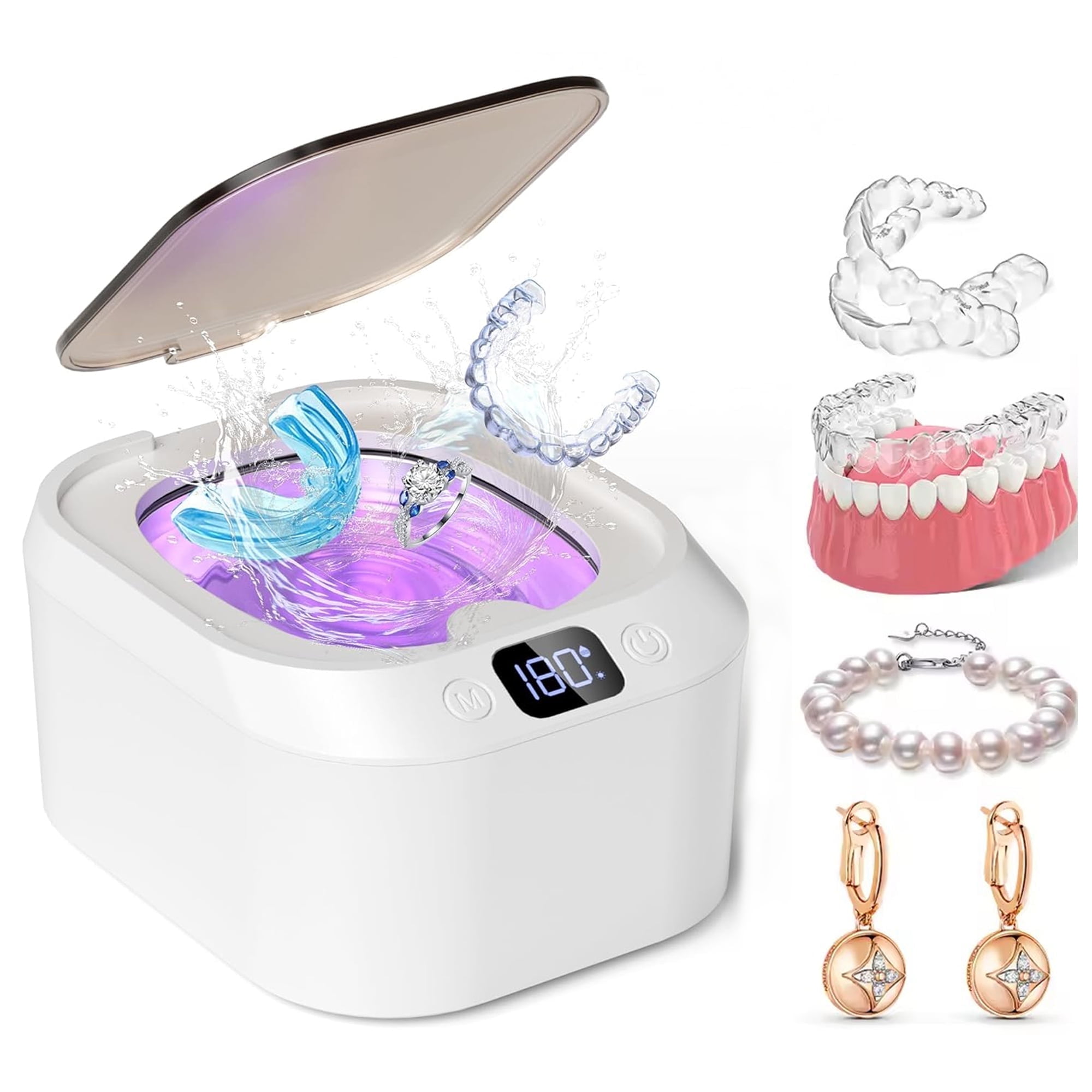
Frequently Asked Questions: Denture Cleaning Machines
Need a Quote for Denture Cleaning Machine?
Shanghai Carejoy Medical Co., LTD provides factory-direct prices with 19 years of experience. (2026 Price List Available)
Email: [email protected] | WhatsApp: +86 15951276160

