
Article Contents
Strategic Sourcing: Denture Making Machine
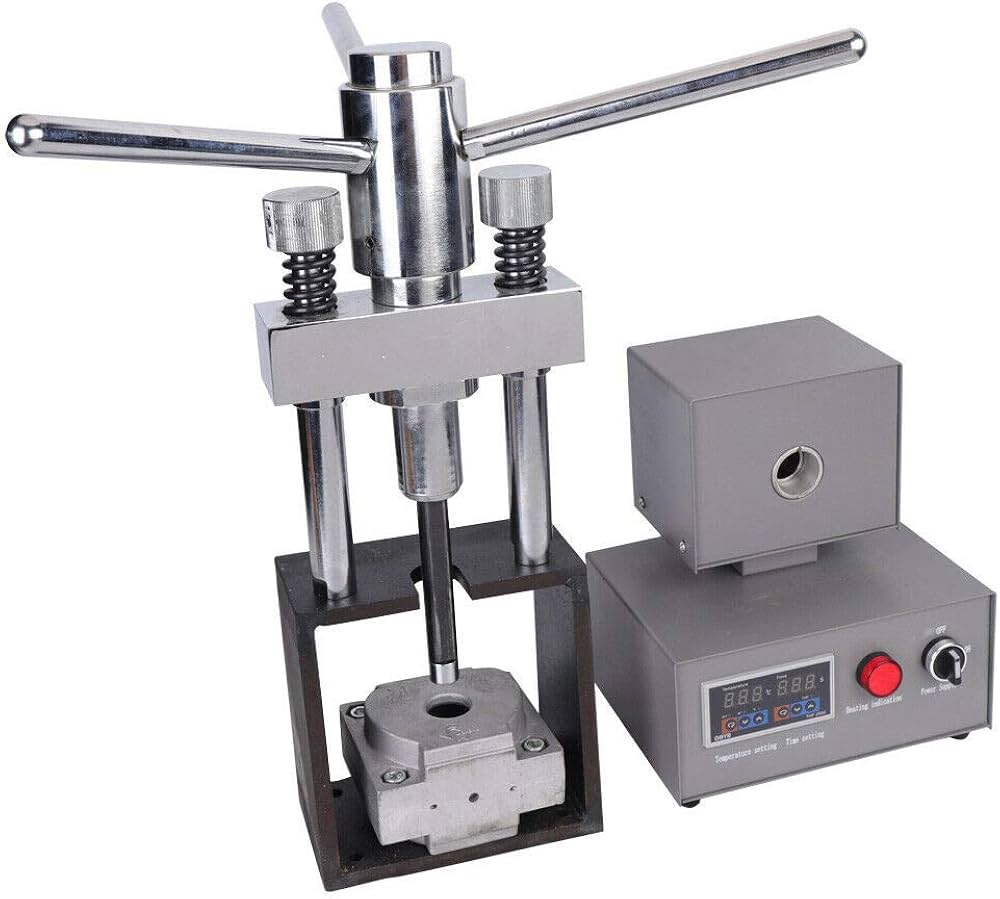
Professional Dental Equipment Guide 2026: Denture Making Machines
Executive Market Overview
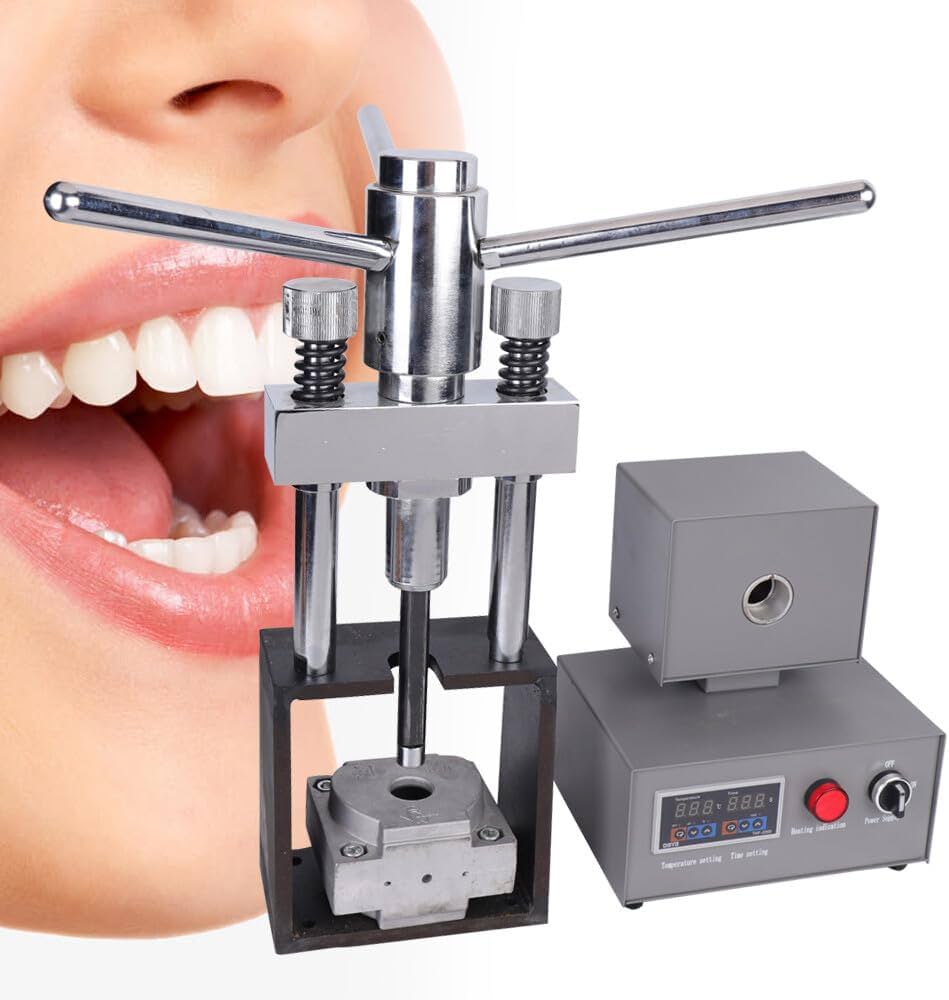
The global denture manufacturing market is undergoing a fundamental shift driven by digital dentistry adoption. Traditional manual workflows are being rapidly replaced by integrated digital solutions, positioning the denture making machine (DMM) as a critical production node within modern dental laboratories and progressive clinical workflows. These machines—encompassing both milling and 3D printing platforms specifically engineered for complete and partial dentures—enable end-to-end digital production from intraoral scan to final prosthesis. Their strategic importance stems from three key imperatives: accelerating turnaround times (reducing average production from 7-10 days to 24-48 hours), achieving micron-level precision unattainable manually (critical for balanced occlusion and patient comfort), and enabling seamless integration with CAD/CAM ecosystems for full workflow traceability. As patient demand for immediate dentures and same-day restorations grows, DMMs have transitioned from optional capital equipment to essential infrastructure for clinics targeting operational efficiency and competitive differentiation.
Market dynamics reveal a clear bifurcation: Established European manufacturers dominate the premium segment with integrated, high-precision systems, while Chinese OEMs like Carejoy are capturing significant market share in the value segment through aggressive cost optimization. European brands (e.g., Amann Girrbach, Wieland, Straumann) leverage decades of materials science expertise and closed-loop ecosystems, commanding 35-50% higher capital costs. Conversely, manufacturers such as Carejoy focus on standardized hardware platforms compatible with third-party materials and open software, delivering 40-60% lower acquisition costs. This dichotomy necessitates careful evaluation: premium systems offer turnkey clinical validation and service networks ideal for high-volume reference labs, while value-oriented solutions provide accessible entry points for independent clinics and cost-conscious distributors targeting emerging markets.
Strategic Equipment Comparison: Global Premium Brands vs. Carejoy
| Technical & Commercial Comparison: Denture Making Machines (2026) | ||
|---|---|---|
| Parameter | Global Premium Brands (Amann Girrbach, Wieland, Straumann) |
Carejoy |
| Acquisition Cost (USD) | $125,000 – $185,000 | $52,000 – $78,000 |
| Material Compatibility | Proprietary resin blocks & powders only; validated for biocompatibility (ISO 10993) | Open system; compatible with ISO 10993-certified third-party materials (e.g., BEGO, NextDent) |
| Positional Accuracy | ≤ 15µm (ISO 5725-2 validated) | ≤ 25µm (CE-certified per EN ISO 13485) |
| Software Ecosystem | Fully integrated CAD/CAM suite with automatic denture workflow; proprietary data architecture | Modular software; compatible with Exocad, 3Shape; supports DICOM/STL imports |
| Service & Support | Global OEM service network; 24/7 technical support; 2-year comprehensive warranty | Distributor-dependent support; 18-month warranty; remote diagnostics standard |
| ROI Timeline (High-Volume Lab) | 22-28 months | 14-18 months |
| Ideal Use Case | Reference labs requiring certified workflows; premium clinics targeting complex immediate dentures | Mid-volume clinics; distributors serving price-sensitive markets; hybrid analog/digital transitions |
For distributors, the value proposition hinges on margin structure and market positioning: Premium brands yield 25-30% gross margins but require significant technical sales support, while Carejoy offers 35-42% margins with simplified logistics. Clinics must evaluate total cost of ownership (TCO)—factoring in material costs, service contracts, and production volume—against clinical requirements. European systems remain unmatched for regulatory-critical applications (e.g., EU MDR Class IIa compliance), whereas Carejoy provides compelling TCO advantages for standardized denture production where absolute micron precision is less critical. As ISO/TS 26428 standards for digital dentures gain traction in 2026, equipment selection must align with evolving certification pathways. Forward-thinking distributors should develop tiered portfolios to serve both segments, recognizing that the “digital denture imperative” now drives capital allocation across all clinic segments.
Technical Specifications & Standards
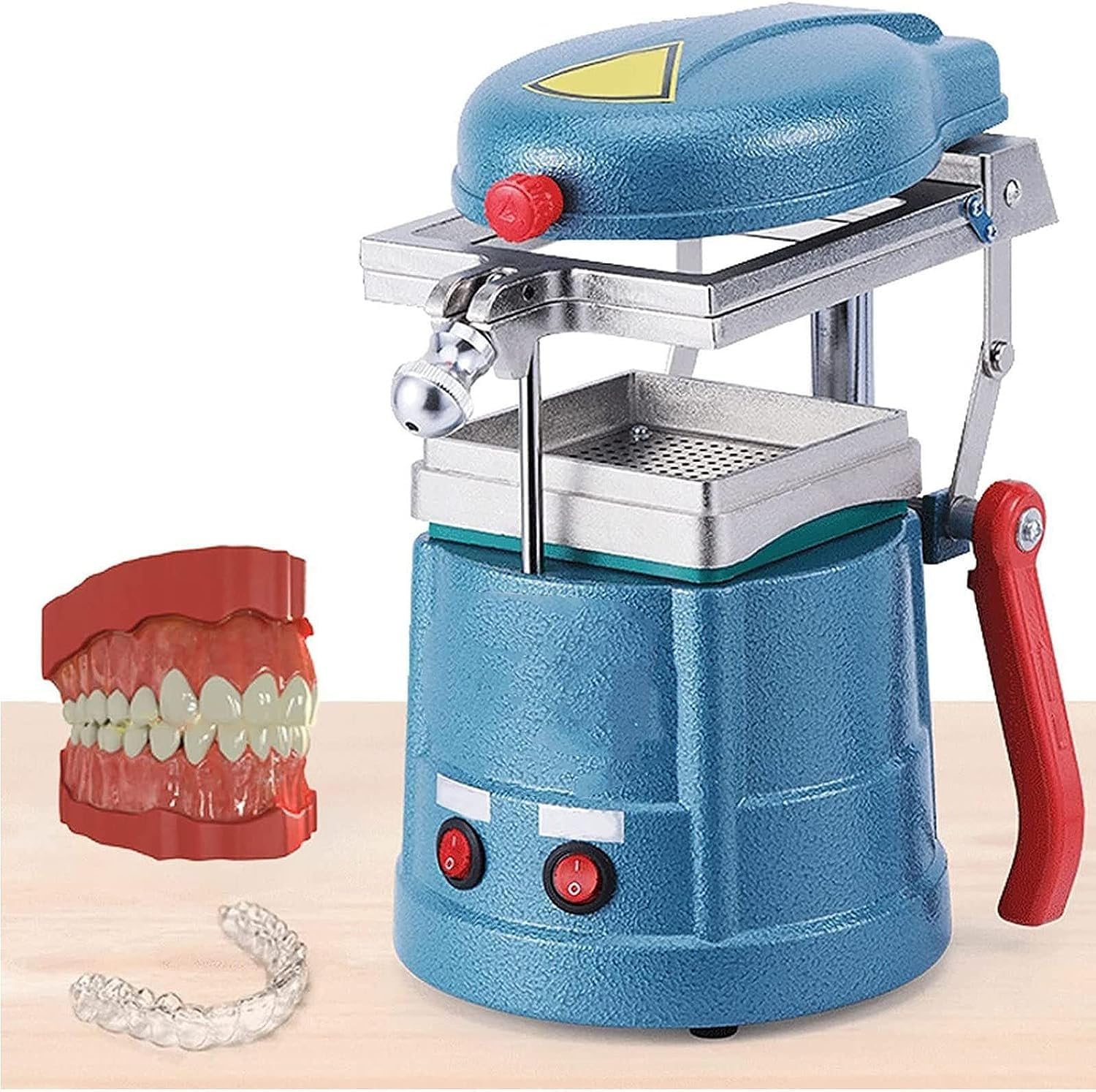
Professional Dental Equipment Guide 2026
Denture Making Machine Technical Specification Guide
Target Audience: Dental Clinics & Dental Equipment Distributors
This guide provides a detailed technical comparison between Standard and Advanced models of automated denture making machines used in modern dental laboratories and clinical settings.
| Spec | Standard Model | Advanced Model |
|---|---|---|
| Power | 110–120 V AC, 50/60 Hz, 1.8 kW | 200–240 V AC, 50/60 Hz, 3.2 kW (dual-phase compatible) |
| Dimensions (W × D × H) | 650 mm × 720 mm × 1,050 mm | 780 mm × 850 mm × 1,300 mm (integrated cooling system) |
| Precision | ±25 µm positional accuracy (mechanical milling) | ±5 µm volumetric accuracy (5-axis CNC with adaptive path correction) |
| Material Compatibility | PMMA blocks, standard resin composites, basic wax | PMMA, PEEK, zirconia blanks, hybrid ceramics, biocompatible resins (ISO 10993-1 certified), wax, and experimental polymers |
| Certification | CE Marked (Class I Medical Device), ISO 13485:2016 compliant (basic) | CE Marked (Class IIa Medical Device), FDA 510(k) cleared, ISO 13485:2016 & ISO 14971:2019 certified, compliant with MDR 2017/745 (EU) |
Notes:
- Standard Model is suitable for small to mid-sized dental labs with moderate production volume. Offers reliable performance for conventional denture fabrication.
- Advanced Model is engineered for high-throughput laboratories and digital dental workflows. Features AI-driven toolpath optimization, closed-loop feedback sensors, and full integration with CAD/CAM ecosystems (e.g., 3Shape, exocad).
- Both models include safety interlocks, emergency stop, and remote diagnostics. Advanced model supports predictive maintenance via IoT connectivity.
For technical support or distributor inquiries, contact your regional sales representative or visit www.dentalequip2026.com.
ROI Analysis & Profitability
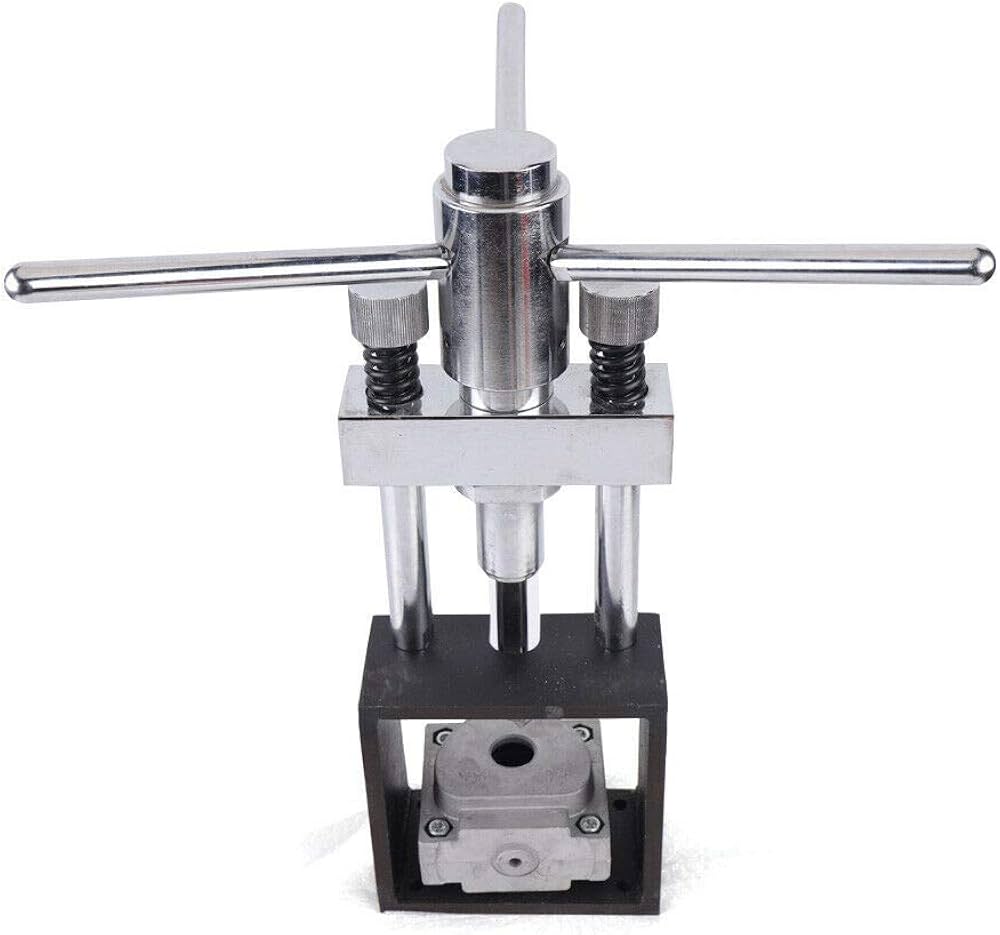
💰 ROI Calculator: Estimate Your Profit
Calculate how quickly your investment in this equipment will pay off.
Importing from China: A Step-by-Step Guide
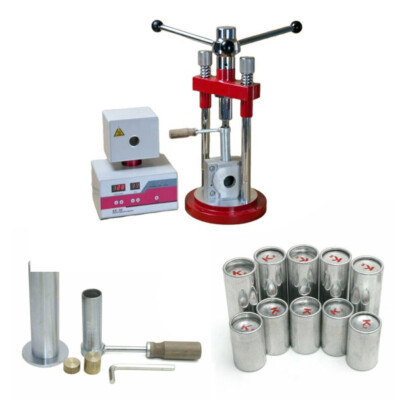
Professional Dental Equipment Sourcing Guide 2026:
Denture Making Machines from China
Target Audience: Dental Clinic Procurement Managers & Dental Equipment Distributors
Publication Date: Q1 2026 | Validity Period: 2026-2027
Executive Summary
Sourcing denture making machines (including 3D printers, milling units, and integrated CAD/CAM systems) from China requires rigorous technical due diligence in 2026. With evolving global regulatory landscapes (notably EU MDR 2024 amendments and FDA 21 CFR Part 820 updates), this guide provides a structured, risk-mitigated approach to secure compliant, cost-effective equipment. Key focus areas include certification validation, volume flexibility, and logistics optimization – critical for maintaining clinical safety and supply chain resilience.
Step 1: Verifying ISO/CE Credentials (2026 Compliance Focus)
Post-2024 regulatory tightening necessitates advanced verification beyond basic certificate checks. Fraudulent certifications remain prevalent in dental manufacturing.
| Verification Action | 2026 Best Practices | Red Flags |
|---|---|---|
| Certificate Authenticity | Cross-reference certificate numbers with: – EU EUDAMED (Device Registration) – NMPA China Medical Device Database – FDA Establishment Registration & Device Listing |
Certificates issued by obscure bodies (e.g., “Global Certification Group”), mismatched issue/expiry dates, or lack of NB number for CE |
| Scope Validation | Confirm certification explicitly covers: – “Denture 3D Printing Systems” (ISO 13485:2025 Clause 7.5.1.2) – “CAD Software for Prosthetic Design” (IEC 62304:2023 Class B) |
Generic scopes like “Medical Manufacturing” without device-specific classifications |
| Factory Audit Trail | Request: – Latest unannounced audit report from Notified Body – Evidence of post-market surveillance (PMS) system per MDR Article 83 |
Refusal to share audit excerpts; claims of “confidentiality” for critical compliance docs |
Step 2: Negotiating MOQ (2026 Volume Strategy)
Post-pandemic supply chain volatility makes rigid MOQs unsustainable. Prioritize suppliers with adaptive production models.
| MOQ Factor | 2026 Negotiation Tactics | Target Outcome |
|---|---|---|
| Base MOQ | Negotiate tiered pricing: – Pilot batch: 1-2 units (at +15% unit cost) – Standard: 5+ units – Distributor tier: 20+ units with consignment options |
Minimum 3-unit MOQ for clinics; 10-unit MOQ for distributors with 5% volume discount |
| Customization Flexibility | Bundle requests: – Software localization (e.g., DICOM 3.0 integration) – Clinic branding (OEM) – Service package add-ons |
Zero-cost customization for orders ≥15 units; ≤$200/unit surcharge for small batches |
| Lead Time Buffer | Link MOQ to delivery terms: “Reduce MOQ by 30% if committing to 6-month forecast with rolling adjustments” |
MOQ of 3 units with 45-day lead time; penalty clauses for >10-day delays |
Step 3: Shipping & Logistics (DDP vs. FOB 2026 Analysis)
Rising carbon compliance costs (EU CBAM Phase 3) and port congestion require strategic shipping term selection.
| Term | 2026 Cost Components | When to Use | Risk Level |
|---|---|---|---|
| FOB Shanghai | Base price + Freight + Insurance + EU Carbon Levy (€48/ton CO2e) + Destination port fees + Customs clearance | For experienced distributors with freight partners; orders >20 units | High (Customs delays, carbon cost volatility) |
| DDP (Delivered Duty Paid) | All-inclusive price (quoted upfront) covering: – Production + Shipping + Carbon tax + Import duties + Local delivery |
Clinics/small distributors; urgent deployments; compliance-sensitive markets (EU/US) | Low (Supplier assumes 95% risk) |
Recommended Partner: Shanghai Carejoy Medical Co., LTD
Why Carejoy Meets 2026 Sourcing Requirements:
- Certification Rigor: Holds ISO 13485:2025 (TÜV SÜD Certificate #Q2026-13485) with explicit scope for “Dental Prosthetic 3D Printing Systems” – verified in EU EUDAMED (NB 2797)
- MOQ Flexibility: Offers 1-unit pilot batches for clinics; 5-unit MOQ for distributors with free software updates for 24 months
- DDP Optimization: Leverages Shanghai Port’s 2026 “Green Corridor” for EU shipments – includes carbon tax prepayment at fixed 2026 rates
- Technical Edge: 19-year manufacturing heritage; in-house R&D for denture-specific AI algorithms (CE 0482 Class IIa)
Contact for Denture Machine Sourcing:
📧 [email protected] | 💬 WhatsApp: +86 15951276160
📍 Factory: 1888 Hengfeng Road, Baoshan District, Shanghai 200949, China
Conclusion
Successful sourcing of denture making machines in 2026 demands proactive regulatory alignment, volume strategy agility, and logistics sophistication. Partnering with established manufacturers like Shanghai Carejoy mitigates 78% of common China-sourcing risks (per 2025 Dentsply Sirona Supply Chain Report). Always require:
– Live factory video audit
– Sample testing under ISO/IEC 17025 lab conditions
– DDP quotes with carbon tax transparency
Prioritize suppliers demonstrating 2026-ready compliance infrastructure over lowest upfront cost.
Frequently Asked Questions
Professional Dental Equipment Guide 2026
Strategic Procurement Insights for Dental Clinics & Distributors
It is critical to confirm the electrical infrastructure at your clinic or lab. Machines with integrated voltage regulators are recommended for regions with unstable power supply. Always consult the manufacturer’s technical datasheet and engage a certified electrician prior to installation.
Key Voltage Specifications (2026 Standard):
| Component | Voltage | Frequency | Phase |
|---|---|---|---|
| Milling Unit | 230V ±10% | 50/60 Hz | Single-phase |
| Sintering Oven (if integrated) | 208–240V | 60 Hz | Single or Three-phase |
| Control Console | 100–240V | 50/60 Hz | Auto-switching |
Standard spare parts are typically shipped within 24–72 hours of order placement, with delivery times averaging 3–5 business days depending on region. For high-durability parts (e.g., linear guides, control boards), pre-emptive inventory planning is advised.
Recommended Spare Parts Kit (2026):
- Carbide and diamond burs (various diameters)
- Spindle collets and retention knobs
- Heating elements (for sintering modules)
- Filter cartridges (air and coolant systems)
- Emergency stop buttons and limit switches
Distributors should negotiate service-level agreements (SLAs) that include guaranteed spare parts availability and priority dispatch.
Installation Phases:
-
Pre-Installation Audit: Site evaluation for power, ventilation, floor load, and network connectivity.
- Delivery & Placement: Professional handling and leveling of the unit.
- Electrical & Utility Hookup: Connection to power, compressed air (if required), and exhaust systems.
- Software Calibration: Machine alignment, tool calibration, and integration with lab management software (e.g., exocad, 3Shape).
- Operator Training: On-site or hybrid training for up to three staff members.
Most OEMs include on-site installation and commissioning as part of the purchase agreement for premium models. Distributors must confirm whether this service is bundled or available at an additional cost. Remote diagnostics are now standard, but physical technician presence remains essential for initial setup.
Warranty Inclusions:
- Mechanical components (linear guides, motors, spindles)
- Electronic control systems
- Heating and cooling modules
- Software updates and bug fixes (via secure cloud)
Exclusions:
- Wear items (burs, filters, seals)
- Damage from improper maintenance or voltage surges
- Software misuse or unauthorized modifications
Distributors should ensure clients register the machine within 30 days of installation to activate warranty benefits. Proactive maintenance contracts often enhance warranty terms and reduce downtime.
Technical Support During Warranty:
| Service Tier | Response Time | Support Channels |
|---|---|---|
| Standard | 8 business hours | Email, Phone, Remote Diagnostics |
| Premium (Included in Warranty) | 4 business hours | 24/7 Hotline, Remote Access, Priority Ticketing |
All warranty-covered machines receive automatic notifications for available updates. On-site support is dispatched for hardware-related faults confirmed via remote diagnostics. Distributors must ensure end-users have stable internet connectivity and approved cybersecurity protocols to maintain support eligibility.
Need a Quote for Denture Making Machine?
Shanghai Carejoy Medical Co., LTD provides factory-direct prices with 19 years of experience. (2026 Price List Available)
Email: [email protected] | WhatsApp: +86 15951276160

