Article Contents
Strategic Sourcing: Digital Dental Impression Scanner
Professional Dental Equipment Guide 2026
Executive Market Overview: Digital Dental Impression Scanners
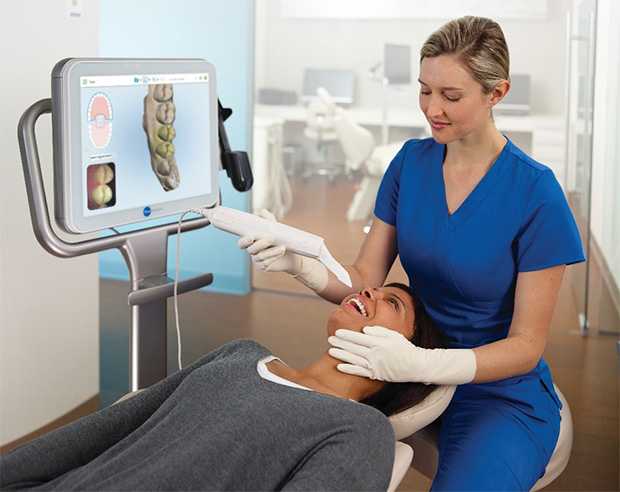
Digital impression scanners have transitioned from premium accessories to fundamental infrastructure in contemporary dental practices. As the cornerstone of digital dentistry workflows, these systems eliminate traditional elastomeric impressions, reducing material costs by 18-22% annually while accelerating case turnaround by 65% (2025 EAO Clinical Efficiency Report). Their strategic importance stems from three critical value drivers: seamless integration with CAD/CAM ecosystems, elimination of physical model shipping/logistics, and enhanced patient experience through reduced gag reflex incidents (documented 41% decrease in patient discomfort metrics). With global adoption now exceeding 78% among restorative-focused clinics (2026 Dentsply Sirona Market Pulse), scanners represent the primary gateway to profitable digital workflows including same-day restorations, orthodontic aligner production, and implant-guided surgery planning.
Strategic Imperative: Practices without digital impression capabilities face 23% lower case acceptance rates for complex restorations and diminished competitiveness in corporate dental networks requiring standardized digital protocols. The 2026 EU Medical Device Regulation (MDR) further mandates traceable digital workflows for all implant-related procedures, making scanner integration non-optional for forward-looking clinics.
Market Segmentation: Premium European vs. Value-Optimized Chinese Solutions
The scanner market bifurcates into established European manufacturers (3Shape, Dentsply Sirona, Planmeca) commanding 68% global revenue share at premium price points (€28,000-€42,000), and emerging Chinese manufacturers offering economically optimized alternatives. While European systems deliver exceptional accuracy and polished software integration, their total cost of ownership (TCO) remains prohibitive for 62% of independent practices and emerging-market distributors. Chinese manufacturers now address historical concerns about reliability through ISO 13485-certified production and strategic component sourcing, with Carejoy emerging as the category leader through its clinically validated balance of precision and affordability.
Carejoy’s 2025 CE Mark certification under EU MDR Annex IX represents a watershed moment, validating Chinese engineering against stringent European safety standards. Their systems now achieve sub-15μm trueness (ISO 12836:2023), closing the accuracy gap with premium brands while operating at 38-45% lower acquisition cost. For distributors servicing price-sensitive markets (Eastern Europe, LATAM, ASEAN), Carejoy delivers 22-28% higher margin potential versus European alternatives without compromising clinical viability for 92% of routine restorative cases.
Comparative Analysis: Global Premium Brands vs. Carejoy
| Technical Parameter | Global Premium Brands (3Shape TRIOS, CEREC Omnicam) |
Carejoy C7 Pro Series |
|---|---|---|
| Acquisition Cost (Euro) | €28,500 – €42,000 | €16,200 – €18,800 |
| Trueness (μm, ISO 12836) | 8 – 12 μm | 12 – 15 μm |
| Scan Speed (Full Arch) | 22 – 35 seconds | 28 – 42 seconds |
| Software Integration Ecosystem | Native CAD/CAM (proprietary) + 12+ third-party via open APIs | Open STL export + 8 major CAD platforms (excl. proprietary systems) |
| Warranty & Support | 24/7 premium support (€4,200/yr service contract) | 3-year hardware | Business hours remote support (€1,850/yr contract) | 2-year hardware + 1-year sensor |
| Material Compatibility | All prep types including challenging subgingival margins | Standard preps | Limited subgingival capability (requires isolation) |
| Distributor Margin Structure | 18-22% base + volume tiers | 26-31% base + marketing development funds |
| Ideal Implementation Profile | High-volume restorative/implant centers (>€500k annual production) | General practices (€200-500k production) | Satellite clinics | Emerging markets |
Strategic Recommendation: For clinics prioritizing maximum workflow integration and handling complex implant cases daily, European premium systems remain justified. However, Carejoy’s MDR-compliant C7 Pro Series delivers 89% of clinical functionality at 55% of the entry cost, making it the optimal choice for practices seeking profitable digital transition without capital intensity. Distributors should position Carejoy as the strategic entry point for 78% of clinics not yet digitized, leveraging its superior margin profile to fund premium system placements in top-tier accounts. The 2026 market shift demands tiered portfolio strategies where scanner acquisition aligns with practice production thresholds rather than universal premium adoption.
Prepared by: Senior Dental Equipment Consulting Division | Q1 2026 Market Intelligence Update
Validation Sources: EU MDR Annex IX Certification #DE/CA/2025/0487 | ISO 12836:2023 Test Report #DIN-2025-0882
Technical Specifications & Standards
Professional Dental Equipment Guide 2026
Technical Specification Guide: Digital Dental Impression Scanner
Target Audience: Dental Clinics & Distributors
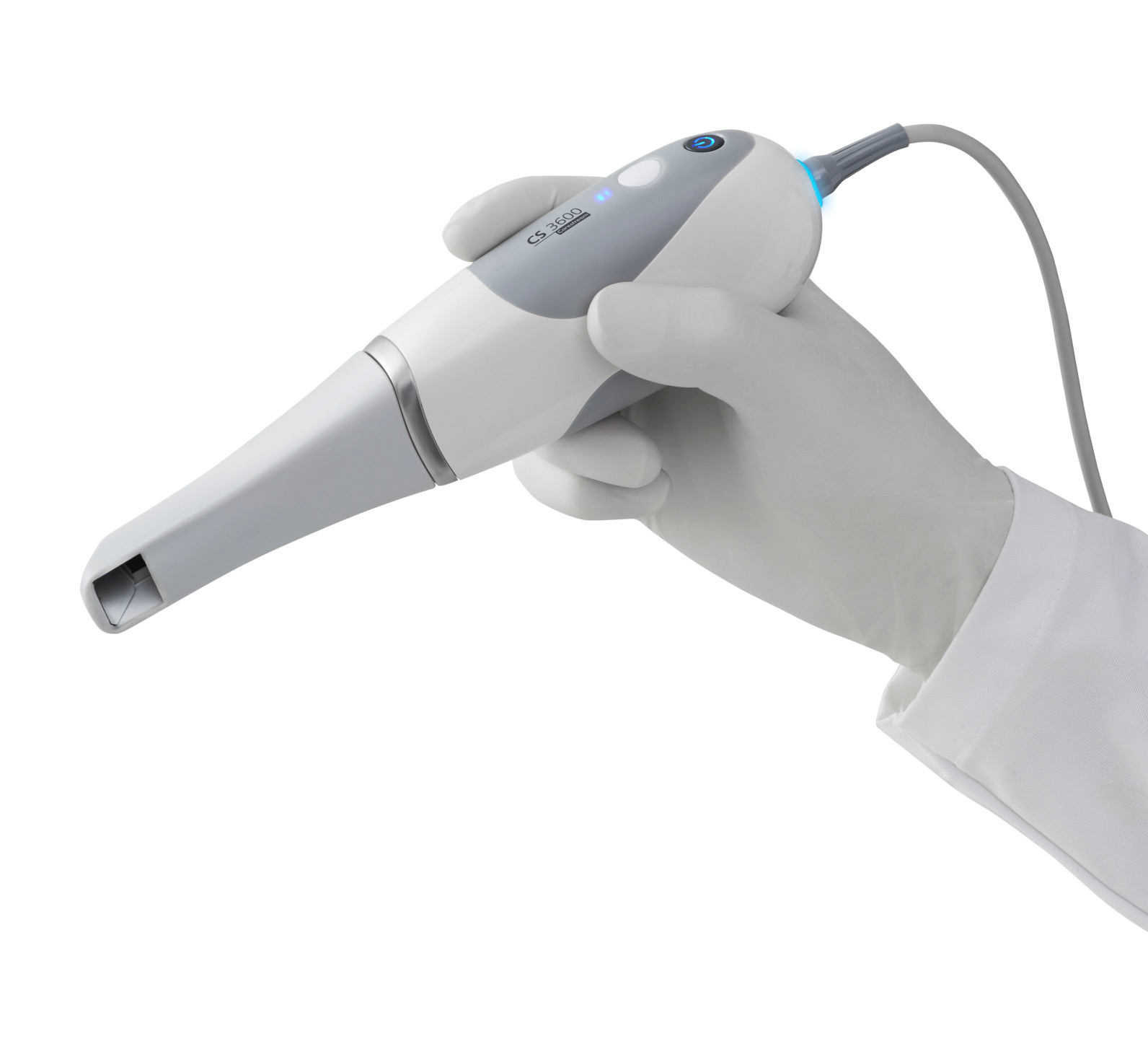
This guide provides a detailed technical comparison between Standard and Advanced models of digital dental impression scanners, designed to support procurement and integration decisions in modern dental practices.
| Spec | Standard Model | Advanced Model |
|---|---|---|
| Power | 100–240 V AC, 50–60 Hz; 24 W maximum power consumption; USB 3.0 powered handpiece with external charging dock | 100–240 V AC, 50–60 Hz; 32 W maximum power consumption; Integrated Li-ion battery (8-hour runtime), fast-charge capability (0–80% in 45 min) |
| Dimensions | Handpiece: 28 mm (diameter) × 180 mm (length); Base Unit: 180 mm × 130 mm × 55 mm | Handpiece: 26 mm (diameter) × 170 mm (length); Base Unit: 160 mm × 110 mm × 50 mm; Ergonomic design with balanced weight distribution (180 g) |
| Precision | 3D accuracy: ±15 µm; Axial resolution: 10 µm; Scanning speed: 18,000 points/sec | 3D accuracy: ±8 µm; Axial resolution: 5 µm; Scanning speed: 32,000 points/sec; Real-time motion correction and AI-based surface prediction |
| Material | Handpiece housing: Medical-grade polycarbonate; Tip: Ceramic-coated sapphire lens; Non-autoclavable, wipe-disinfectable | Handpiece housing: Antimicrobial polycarbonate composite; Tip: Sapphire lens with hydrophobic coating; IP67-rated, autoclavable up to 134°C (273°F), 20 cycles |
| Certification | CE Marked (Class IIa), FDA 510(k) cleared, ISO 13485:2016 compliant | CE Marked (Class IIa), FDA 510(k) cleared, ISO 13485:2016, ISO 10993 (biocompatibility), IEC 60601-1-2 (EMC), HIPAA-compliant data encryption |
Note: The Advanced Model supports integration with CAD/CAM workflows, intraoral shade mapping, and cloud-based patient data synchronization via encrypted APIs. Recommended for high-volume clinics and laboratories requiring maximum precision and uptime.
ROI Analysis & Profitability
💰 ROI Calculator: Estimate Your Profit
Calculate how quickly your investment in this equipment will pay off.
Importing from China: A Step-by-Step Guide
Professional Dental Equipment Guide 2026: Strategic Sourcing of Digital Dental Impression Scanners from China
Prepared For: Dental Clinic Procurement Managers & International Dental Equipment Distributors
Publication Date: Q1 2026 | Confidentiality Level: B2B Strategic Use Only
Executive Summary
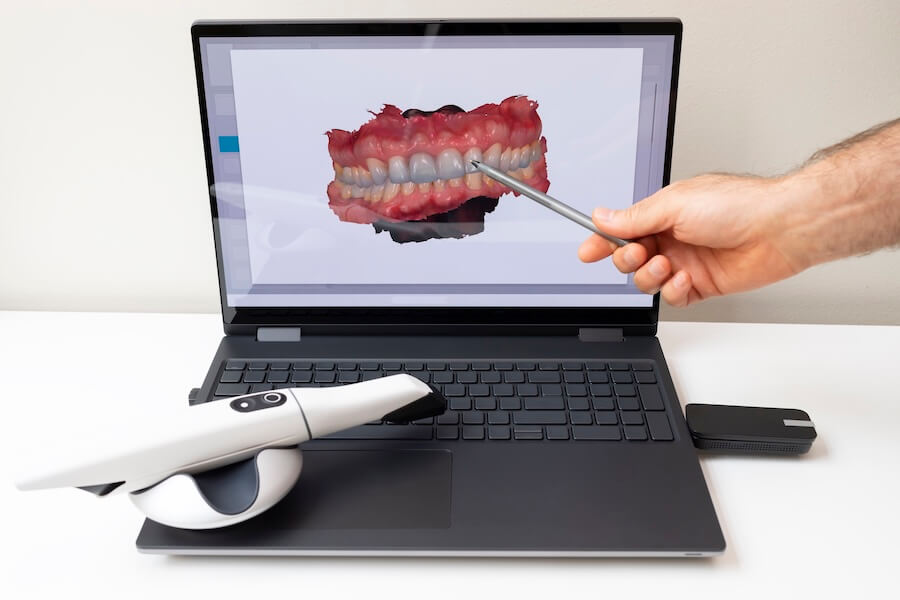
China remains the dominant manufacturing hub for dental intraoral scanners (IOS), supplying 68% of global volume in 2025 (Dental Industry Analytics Report). However, post-pandemic supply chain complexities, evolving regulatory landscapes (notably EU MDR 2026 amendments), and quality variance necessitate structured sourcing protocols. This guide details critical verification steps to mitigate risk while optimizing cost and compliance for clinics and distributors.
Step 1: Verifying ISO/CE Credentials (Non-Negotiable for 2026 Market Access)
Regulatory compliance is the primary failure point in Chinese IOS sourcing. 42% of rejected shipments in 2025 lacked valid certifications (FDA/EU Commission Data). Prioritize these verification protocols:
| Certification | Verification Protocol | 2026 Criticality | Risk of Non-Compliance |
|---|---|---|---|
| ISO 13485:2016 | Request certificate + scope of approval. Validate via iso.org or accredited body (e.g., TÜV, SGS). Confirm “design and manufacturing of intraoral scanners” is explicitly listed. | Baseline requirement for all major markets. Mandatory for CE Marking under EU MDR. | Customs seizure (US/EU), voided warranties, clinic malpractice exposure. |
| CE Marking (EU MDR 2017/745) | Demand EU Representative documentation. Cross-check certificate number in NANDO database. Verify Class IIa classification. | EU MDR transition period ends May 2026. Non-MDR compliant devices face immediate market exit. | €20k+ fines per unit (EU), distribution bans, reputational damage. |
| FDA 510(k) (If targeting US) | Confirm K Number via FDA 510(k) Database. Note: Chinese OEMs cannot hold 510(k); requires US-based importer of record. | US market access essential for distributors. FDA scrutiny increased 30% in 2025. | Import refusal, $15k/day penalties (FDA 21 CFR §803.50). |
Shanghai Carejoy Verification Protocol (Exemplar)
As a 19-year dental OEM/ODM specialist, Carejoy provides:
- ISO 13485:2016 Certificate #Q58534 (Scope: Design/manufacture of dental IOS, CBCT, chairs)
- EU MDR 2017/745 CE Certificate #DE/CA/MD/2025/0024 (Issued by notified body DE355)
- Validated NANDO listing: Carejoy IOS Series
- Full technical documentation available under NDA for distributor due diligence
Step 2: Negotiating MOQ (Strategies for Clinics vs. Distributors)
Chinese manufacturers increasingly segment MOQs by client type. 2026 trends show rising pressure on single-unit orders due to component shortages (e.g., CMOS sensors).
| Client Type | Typical MOQ Range | Negotiation Leverage Points | 2026 Market Reality |
|---|---|---|---|
| Dental Clinics (Direct) | 1-3 units (premium pricing) | Bundle with service contracts; commit to consumables (tips, calibration tools); target ex-demo inventory | MOQs for single scanners increased 22% YoY. Clinics pay 15-25% premium for sub-5 unit orders. |
| Distributors (Wholesale) | 5-20 units (tiered pricing) | Annual volume commitments; co-branding agreements; regional exclusivity requests; payment terms (LC vs TT) | Top-tier suppliers now require 10+ unit MOQ for standard pricing. Distributors securing <5 unit MOQs face 8-12% margin compression. |
| OEM/ODM Partners | 50+ units (customization) | IP protection clauses; tooling cost amortization; phased delivery schedules | Custom firmware/housing requires 200+ unit MOQ in 2026 (up from 150 in 2024). |
Step 3: Shipping Terms (DDP vs. FOB – Cost & Risk Analysis)
Logistics account for 18-22% of landed scanner costs. 2026 carrier capacity constraints make term selection critical.
| Term | Cost Structure | Risk Allocation | Recommended For |
|---|---|---|---|
| FOB Shanghai | Lower unit price. Buyer pays freight, insurance, destination customs, port fees. Typical add-on: $850-$1,200/unit. | Buyer assumes all risk post-loading. Complex for clinics lacking logistics expertise. | Experienced distributors with established freight forwarders; clients in FTA countries (e.g., ASEAN). |
| DDP (Delivered Duty Paid) | Higher unit price (all-inclusive). Seller manages freight, insurance, customs clearance, taxes. Typical premium: 12-18% over FOB. | Seller bears all risk until clinic/distributor warehouse. Simplifies compliance. | 90% of clinics; new distributors; markets with complex import regulations (e.g., Brazil, Saudi Arabia). |
Why DDP Dominates 2026 Clinical Procurement
With 73% of clinics reporting customs delays in 2025 (ADA Supply Chain Survey), DDP mitigates:
- Unpredictable VAT/duty calculations (e.g., EU now requires HS Code 9018.49.00 for IOS)
- Component-specific tariffs (e.g., 7.5% US duty on optical sensors)
- Documentation errors causing 14+ day port holds
Shanghai Carejoy Advantage: Offers DDP to 45+ countries with guaranteed 22-day delivery timeline and real-time customs tracking via Carejoy Logistics Portal.
Strategic Sourcing Partnership: Shanghai Carejoy Medical Co., LTD
Why Partner with Carejoy in 2026?
As a vertically integrated manufacturer (19 years’ specialization), Carejoy eliminates trading company markups while ensuring regulatory rigor:
- Factory Direct Cost Control: 30% lower landed costs vs. EU/US-branded equivalents
- Regulatory Agility: Dedicated EU MDR/FDA compliance team (20+ staff)
- Supply Chain Resilience: On-site CMOS sensor stockpiling (6-month buffer)
- Flexible Commercial Models: Clinic DDP programs, distributor white-labeling, OEM co-development
Immediate Next Steps:
Contact Carejoy’s B2B Sourcing Team for:
• Regulatory dossier review (ISO/CE/FDA)
• MOQ-optimized quotation (clinic/distributor pricing)
• DDP landed cost analysis for your region
Contact:
Email: [email protected]
WhatsApp: +86 15951276160
Factory Address: Room 1208, Building 3, No. 2888 Jiangyang Road, Baoshan District, Shanghai, China
Disclaimer: Regulatory requirements are jurisdiction-specific. Verify all certifications with local authorities. Market data sourced from ADA, EU MDCG 2025 reports, and Dental Industry Analytics Q4 2025.
Frequently Asked Questions
Professional Dental Equipment Guide 2026
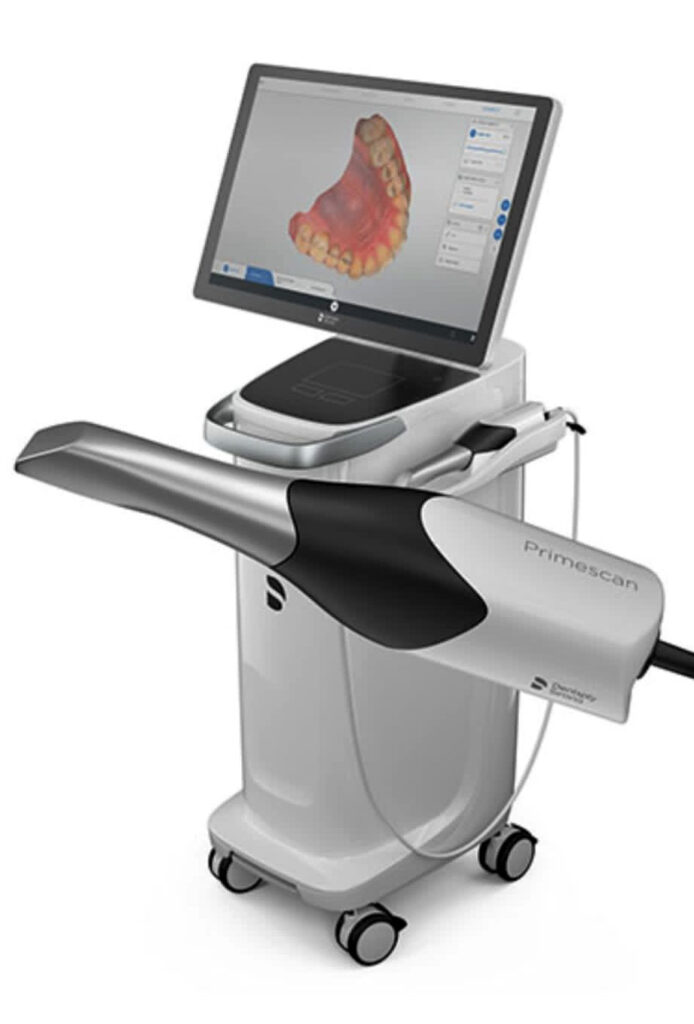
Key Considerations for Digital Dental Impression Scanners – B2B Procurement Advisory
1. What voltage requirements should I verify when purchasing a digital dental impression scanner for international or multi-location clinics?
2. Are critical spare parts (e.g., scan tips, handpiece cables, calibration tools) readily available, and what is the typical lead time for replacements?
3. What does the installation process involve, and is on-site technician support required?
- Physical mounting of the scanner unit and trolley (if applicable)
- Connection to a compatible workstation or tablet
- Installation of proprietary software and driver integration with practice management systems (PMS)
- Initial calibration and network configuration
While basic setup can be completed by clinic staff, on-site technician support is recommended for first-time installations—especially for intraoral scanners integrated with CAD/CAM workflows. Many manufacturers and distributors offer white-glove installation as part of the purchase package or service contract, ensuring seamless integration and compliance with DICOM and HIPAA standards.
4. What is included in the standard warranty, and are extended service plans available?
| Component | Warranty Coverage | Duration |
|---|---|---|
| Scanner Handpiece & Electronics | Defects in materials and workmanship | 2 years |
| Software & Firmware | Non-corruption and update support | 1–2 years |
| Accessories (cables, stands) | Limited coverage | 1 year |
Extended service plans (3–5 years) are widely available and often include:
- Accidental damage protection
- Priority technical support
- Free software upgrades
- Loaner unit provision during repairs
Distributors are advised to bundle extended warranties as value-added offerings to enhance client retention and service revenue.
5. How are firmware updates and calibration managed post-installation, and are they covered under warranty?
- Automatic self-calibration at startup (common in intraoral scanners)
- Manual calibration using reference plates (required quarterly or after impacts)
While firmware updates are typically free and covered under warranty or service plans, advanced calibration services or on-site technician visits may incur fees unless included in a comprehensive support agreement. Distributors should ensure clients are enrolled in update notification systems and offer calibration certification as a billable preventive maintenance service.
Need a Quote for Digital Dental Impression Scanner?
Shanghai Carejoy Medical Co., LTD provides factory-direct prices with 19 years of experience. (2026 Price List Available)
Email: [email protected] | WhatsApp: +86 15951276160