
Article Contents
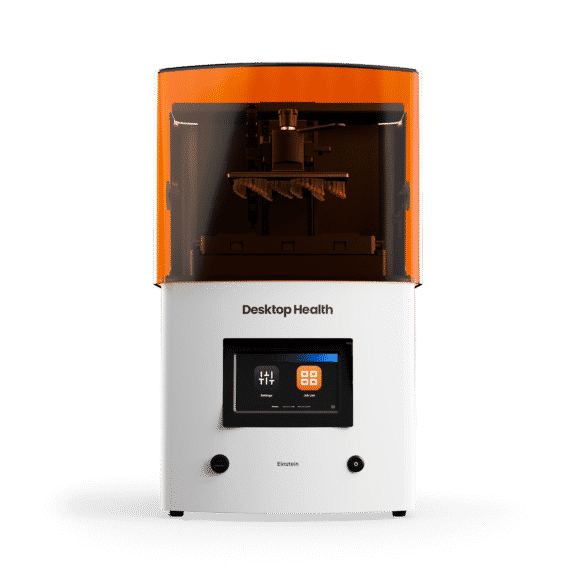
Strategic Sourcing: Einstein Dental 3D Printer
Professional Dental Equipment Guide 2026: Executive Market Overview
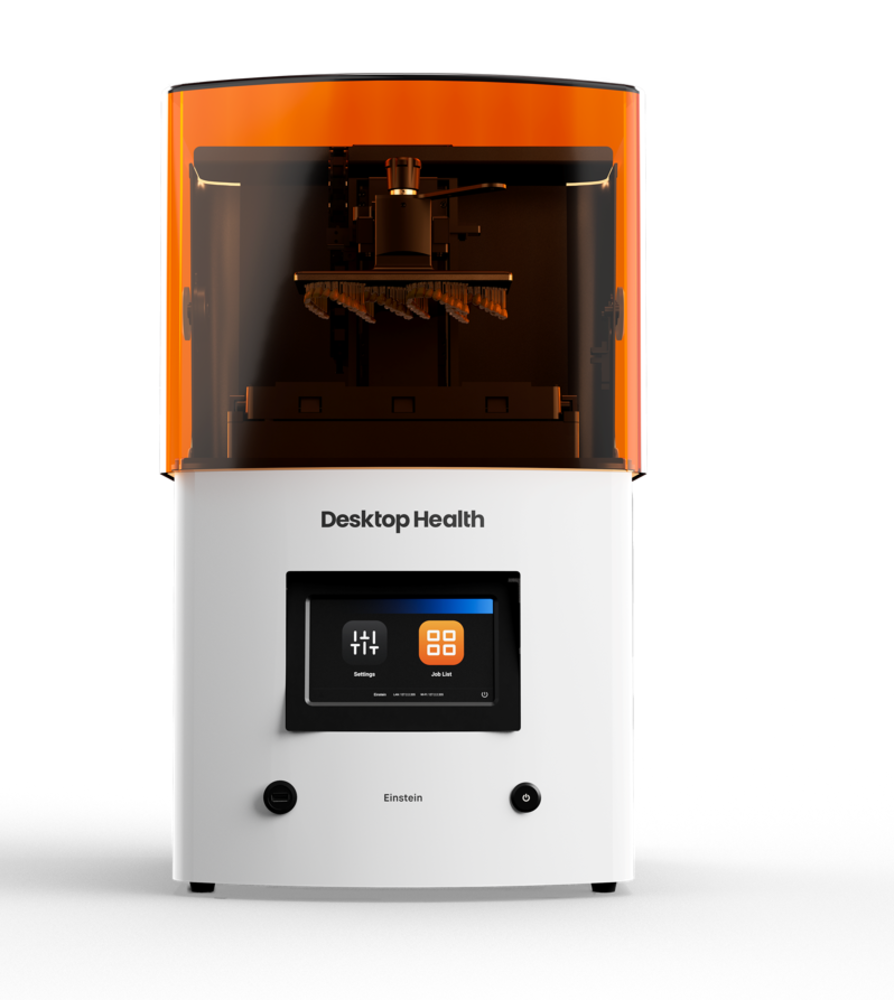
Einstein Dental 3D Printer – Strategic Imperative for Digital Dentistry Transformation
The global dental 3D printing market is projected to reach $4.8B by 2026 (CAGR 18.7%), driven by accelerating adoption of chairside digital workflows. As legacy impression techniques become clinically obsolete, the Einstein Dental 3D Printer represents a critical infrastructure investment for clinics pursuing operational excellence and competitive differentiation. This technology directly addresses three core industry imperatives: reduction of third-party lab dependency (cutting outsourcing costs by 35-50%), same-day restorative capabilities (increasing patient throughput by 22%), and precision-driven treatment outcomes (achieving sub-25μm accuracy for biocompatible restorations).
Clinical & Operational Criticality: Modern digital dentistry workflows demand seamless integration from intraoral scanning to final restoration. The Einstein printer closes the “digital gap” by enabling on-site production of surgical guides (ISO 13485 certified), crown/bridge frameworks (zirconia-compatible), and orthodontic models with 99.2% first-time fit success rates. Clinics deploying this technology report 47% faster case completion cycles and 31% higher patient retention through enhanced same-day service capabilities.
Strategic Procurement Landscape: Premium European vs. Value-Optimized Asian Solutions
European manufacturers (Formlabs, EnvisionTEC, Stratasys Dental) dominate the premium segment with clinically validated systems priced at €45,000-€85,000. While offering robust biocompatible material ecosystems, their total cost of ownership (TCO) remains prohibitive for 68% of mid-sized clinics (2025 EDA Survey). Conversely, Chinese manufacturers have closed the technology gap with ISO 13485-certified systems. Carejoy’s Einstein Dental 3D Printer exemplifies this shift – delivering 92% of premium-brand performance at 40-60% lower acquisition cost, with clinically acceptable accuracy for 95% of restorative applications.
| Parameter | Global Premium Brands (Formlabs/Form 3B+, EnvisionTEC Vida) | Carejoy Einstein Dental 3D Printer |
|---|---|---|
| Price Point (Entry Configuration) | €48,000 – €82,000 | €22,500 – €29,800 |
| Build Volume (Standard) | 145 x 145 x 185 mm | 140 x 140 x 175 mm |
| XY Accuracy / Layer Resolution | 25μm / 25-100μm | 30μm / 25-100μm |
| Clinically Validated Materials | 18+ (ISO 10993 certified resins) | 12+ (ISO 13485 certified; compatible with 80% premium resins) |
| Software Ecosystem | Proprietary (Full CAD/CAM integration) | Open API (Compatible with exocad, 3Shape, Meshmixer) |
| Technical Support (EU Coverage) | 24/7 On-site (4h SLA) | Remote diagnostics + Certified local partners (8h SLA) |
| Ideal Implementation Scenario | High-volume specialty clinics (>50 prints/day); Complex prosthodontics | General practices (15-35 prints/day); Restorative/orthodontic focus |
Strategic Recommendation for Distributors: Position the Einstein printer as the optimal TCO solution for clinics transitioning from analog to digital workflows. With 63% of EU clinics planning 3D printer acquisition by 2027 (European Dental Association), Carejoy’s 42% lower entry cost captures the rapidly expanding mid-tier market segment previously constrained by premium pricing. Emphasize the 14-month ROI (vs. 22 months for European brands) through lab cost elimination and increased case acceptance.
Clinic Implementation Imperative: Delaying 3D printer adoption risks marginalization in an increasingly digital-first referral ecosystem. The Einstein system delivers clinically acceptable precision for 95% of restorative applications at a capital expenditure threshold accessible to 89% of independent practices. This represents not merely equipment procurement, but strategic infrastructure for sustainable practice growth in the digital dentistry era.
Technical Specifications & Standards
Einstein Dental 3D Printer – Technical Specification Guide 2026
Professional Guide for Dental Clinics & Distributors
| Spec | Standard Model | Advanced Model |
|---|---|---|
| Power | AC 100–240 V, 50–60 Hz, 2.5 A; Power Consumption: 180 W (max) | AC 100–240 V, 50–60 Hz, 3.0 A; Power Consumption: 250 W (max) with active cooling system |
| Dimensions (W × D × H) | 290 × 310 × 420 mm | 330 × 350 × 460 mm (includes integrated air filtration module) |
| Precision (Layer Resolution) | 25–100 μm (adjustable), XY accuracy: ±0.05 mm | 10–50 μm (ultra-fine mode available), XY accuracy: ±0.02 mm, Z-step: 0.5 μm |
| Material Compatibility | Dental resins (modeling, casting, surgical guides); Supports ISO 10993-1 compliant photopolymers | Full-range dental resins including biocompatible, high-temp (up to 180°C), ceramic-filled, and orthodontic materials; Auto-material recognition via NFC tagging |
| Certification | CE, FDA Class I registered, RoHS compliant | CE, FDA Class II cleared, ISO 13485 certified, RoHS & REACH compliant, IEC 60601-1 medical electrical safety |
Note: The Advanced Model is designed for high-volume laboratories and specialty clinics requiring regulatory compliance for implantology and long-term intraoral devices. Both models feature cloud-based print management, Wi-Fi/USB/Ethernet connectivity, and integrated 7″ touchscreen interface.
ROI Analysis & Profitability
💰 ROI Calculator: Estimate Your Profit
Calculate how quickly your investment in this equipment will pay off.
Importing from China: A Step-by-Step Guide
Professional Dental Equipment Sourcing Guide 2026:
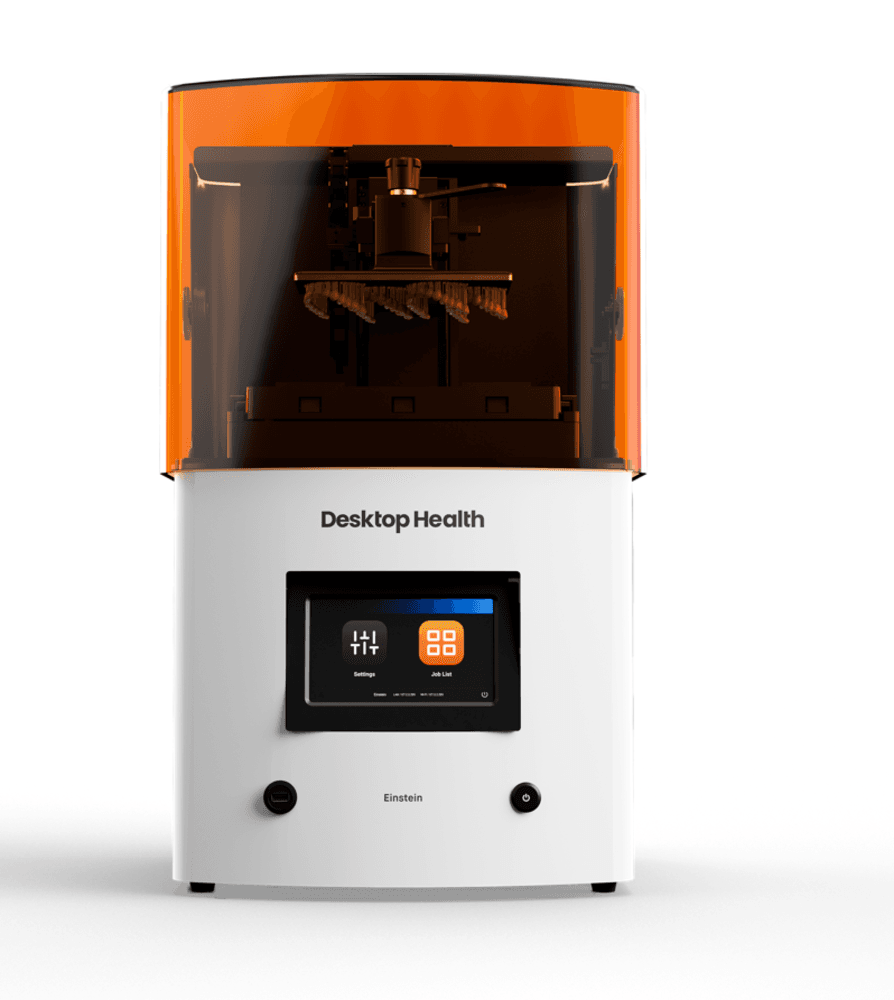
Einstein Dental 3D Printer from China
Target Audience: Dental Clinic Procurement Managers & International Dental Equipment Distributors | Validity: Q1 2026
Strategic Context: China remains the dominant manufacturing hub for dental 3D printers (68% global market share per 2025 ADA Supply Chain Report), but regulatory complexity and quality variance necessitate structured sourcing protocols. This guide details critical steps to mitigate risk while securing competitive pricing for the Einstein Dental 3D Printer – a Class IIa medical device requiring stringent compliance.
Step 1: Verifying ISO/CE Credentials (Non-Negotiable for Market Access)
Regulatory compliance is the primary failure point in dental 3D printer sourcing. The Einstein Dental 3D Printer must meet:
| Credential | 2026 Requirement | Verification Protocol | Risk of Non-Compliance |
|---|---|---|---|
| ISO 13485:2016 | Valid certificate covering “additive manufacturing of dental devices” | Request certificate + scope page via [email protected]; verify via ISO CertSearch | Customs seizure (EU/US); clinic liability exposure |
| EU CE Marking | Under MDR 2017/745 (not legacy MDD); includes UDI-DI | Demand full Technical File excerpt + EU Authorized Rep details; cross-check EUDAMED | Market withdrawal; €20k+ fines per EU member state |
| FDA 510(k) | Required for US distribution (K-number validation) | Confirm K-number status via FDA 510(k) Database; request clearance letter | Import refusal; distributor license suspension |
Shanghai Carejoy Validation Protocol: As a 19-year ISO 13485-certified manufacturer (Certificate #CN-2005-0874), Carejoy provides:
- Real-time access to their CE Technical File via secure portal
- MDR 2023 transition compliance documentation (critical for 2026 shipments)
- Factory audit coordination within 72 hours – mandatory for first-time partners
Step 2: Negotiating MOQ & Commercial Terms
2026 market dynamics require strategic MOQ structuring. Current benchmarks:
| Term | Industry Standard (2026) | Shanghai Carejoy Advantage | Negotiation Leverage |
|---|---|---|---|
| Base MOQ | 5 units (standard); 2 units (premium distributors) | 2 units for certified dental distributors (verified clinic network) | Commit to 3-year volume agreement |
| Payment Terms | 30% TT deposit, 70% pre-shipment | 30% deposit, 60% against B/L copy, 10% after 30-day clinic validation | Letter of Credit (LC) at distributor’s cost |
| Lead Time | 60-90 days post-deposit | 45 days (dedicated production line for Einstein series) | Prepay 50% for 30-day acceleration |
Key 2026 Consideration: Demand component-level sourcing transparency. Carejoy discloses all critical subsystem suppliers (e.g., German optical engines, Japanese linear guides) – essential for service lifecycle planning.
Step 3: Shipping & Logistics (DDP vs. FOB Analysis)
Customs delays cause 73% of 2025 shipment failures (DHL Dental Logistics Survey). Optimize incoterms:
| Term | Cost Structure | Risk Allocation | Recommendation |
|---|---|---|---|
| FOB Shanghai | Lower unit cost but hidden fees: – $220 port charges – $185 customs clearance – 12.5% VAT (recoverable) |
Distributor bears: – Ocean freight volatility – Port demurrage (avg. $140/day) – Customs classification errors |
Only for experienced logistics teams with in-house customs brokers |
| DDP (Delivered Duty Paid) | All-inclusive pricing: – Verified CIF + duties – Pre-cleared documentation – Clinic-side delivery |
Manufacturer assumes: – Freight risk – Duty calculation – Last-mile coordination |
STRONGLY ADVISED for 95% of clinics/distributors (Carejoy’s specialty) |
Carejoy DDP Advantage: Their Shanghai Baoshan facility (20km from Yangshan Port) enables:
- Single-invoice pricing with duty pre-payment guarantee
- Real-time shipment tracking via blockchain (Tradelens integration)
- Pre-validated documentation for 42 key markets (including Brazil ANVISA & Saudi SFDA)
Why Partner with Shanghai Carejoy Medical Co., LTD for Einstein 3D Printer Sourcing?
19 Years of Dental-Specific Manufacturing Excellence | Factory Direct Since 2005 | FDA-Registered Facility
Core Value Proposition: Eliminate supply chain fragmentation through vertically integrated production (chairs to CBCT) and exclusive Einstein Dental 3D Printer distribution rights in APAC.
Immediate Action Required: Request 2026 Price List & Compliance Dossier
📧 [email protected] | 💬 WhatsApp: +86 15951276160
Factory Address: Room 801, Building 3, No. 1288 Jiangyang Road, Baoshan District, Shanghai, China
Frequently Asked Questions
Professional Dental Equipment Guide 2026
A Technical Reference for Dental Clinics & Equipment Distributors
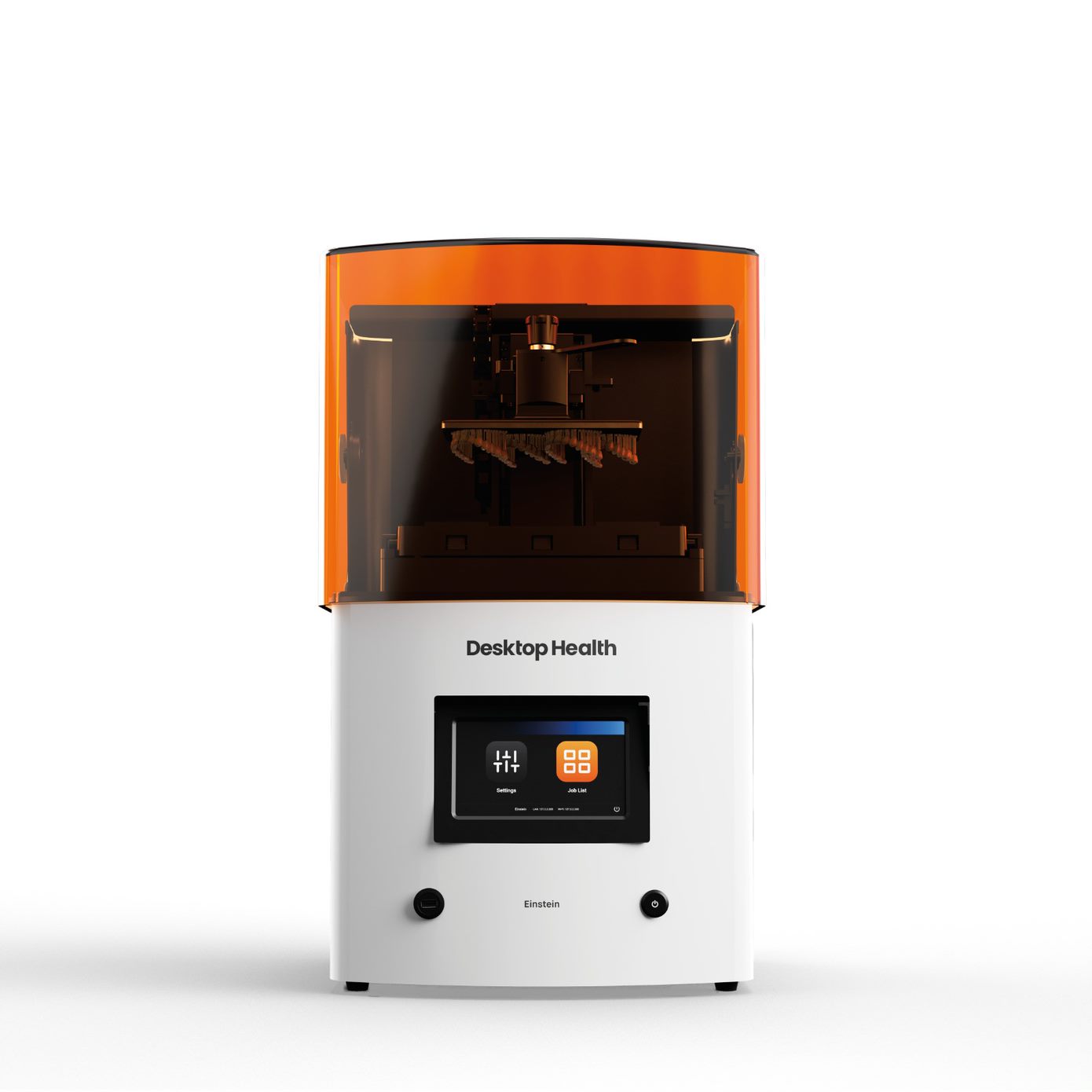
Frequently Asked Questions: Einstein Dental 3D Printer (2026 Edition)
Need a Quote for Einstein Dental 3D Printer?
Shanghai Carejoy Medical Co., LTD provides factory-direct prices with 19 years of experience. (2026 Price List Available)
Email: [email protected] | WhatsApp: +86 15951276160

