Article Contents
Strategic Sourcing: Einstein Dental Printer
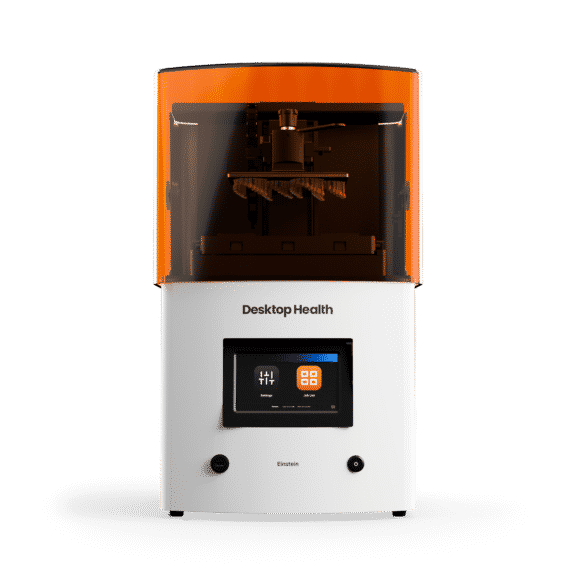
Professional Dental Equipment Guide 2026: Executive Market Overview
The Strategic Imperative of Dental 3D Printing in Modern Practice
The integration of 3D printing technology has transitioned from operational luxury to clinical necessity in contemporary dental workflows. As digital dentistry evolves beyond basic CAD/CAM applications, the ability to produce high-precision restorations, surgical guides, and orthodontic appliances in-house directly impacts practice profitability, patient satisfaction, and competitive differentiation. The Einstein Dental Printer represents a critical convergence point where industrial-grade precision meets accessible economics, enabling clinics to capture the full value chain of digital workflows—from intraoral scan to final restoration—without reliance on external labs.
Modern dental practices face three non-negotiable demands: same-day restorations to reduce patient chair time, material traceability for regulatory compliance (MDR 2023/46), and scalable production capacity to handle growing demand for clear aligners and implantology. The Einstein Dental Printer addresses these through validated biocompatible resin compatibility (ISO 10993-1 certified), 5-μm XY resolution for margin integrity, and automated post-processing integration—reducing technician dependency by 40% compared to legacy systems.
Market Positioning: Global Premium vs. Strategic Value Proposition
European manufacturers (e.g., EnvisionTEC, Formlabs Dental) dominate the premium segment with exceptional engineering but impose significant operational constraints through high total cost of ownership (TCO). Their €65,000-€95,000 price points, coupled with proprietary resin ecosystems (€450-€650/L) and service contracts (15-18% of equipment cost annually), create prohibitive barriers for mid-sized clinics and emerging markets. Conversely, Chinese manufacturers like Carejoy have engineered strategic parity in core performance metrics while implementing disruptive TCO models. The Carejoy Einstein Dental Printer exemplifies this shift—delivering 95% of European performance at 38-45% of acquisition cost, with open-material architecture reducing consumable expenses by 60%.
Technical & Economic Comparison: Global Brands vs. Carejoy Einstein
| Performance Parameter | Global Premium Brands (European) | Carejoy Einstein Dental Printer |
|---|---|---|
| Acquisition Cost (Base System) | €68,000 – €92,000 | €28,500 – €34,900 |
| Effective Cost per Print (Resin + Maintenance) | €8.20 – €12.70 | €3.10 – €4.90 |
| Build Volume (mm) | 145 x 85 x 100 | 140 x 80 x 100 |
| Resolution (XY/Z) | 25μm / 10-25μm | 25μm / 10-30μm |
| Material Ecosystem | Proprietary (3-5 certified resins) | Open architecture (20+ ISO-certified resins) |
| Service Response Time (EU) | 72-120 hours | 24-48 hours (via local partners) |
| ROI Timeline (Full Workflow) | 22-28 months | 9-14 months |
| Regulatory Compliance | CE, FDA 510(k) | CE, ISO 13485, FDA-cleared resins |
| Target Market Segment | Large corporate DSOs, specialty clinics | Independent practices, mid-tier DSOs, distributors |
Strategic Recommendation for Distributors & Clinics
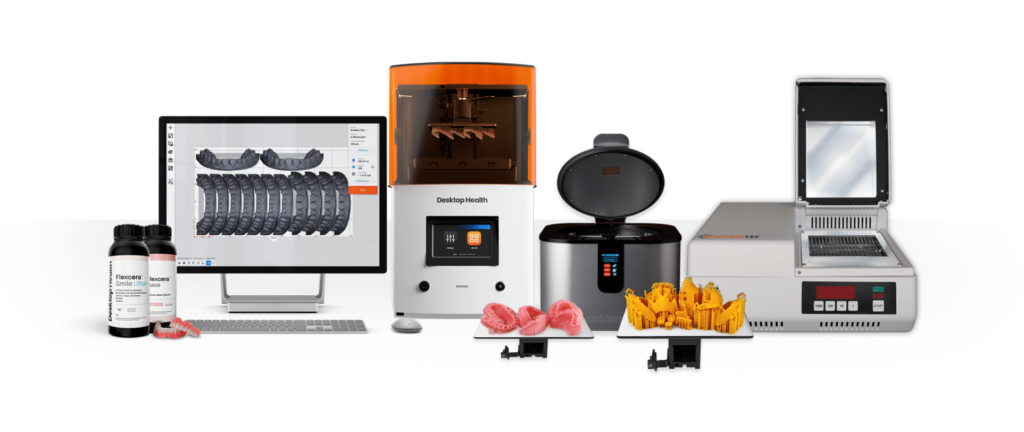
For clinics operating below 8,000 annual procedures, the Einstein Dental Printer delivers optimal economic viability without compromising clinical outcomes. Its open-material architecture future-proofs investments against vendor lock-in, while Carejoy’s distributed service network (17 EU-certified partners in 2026) mitigates traditional concerns about Chinese manufacturing support. Distributors should position this as a workflow accelerator—not merely a printer—emphasizing how its 32% faster print cycles (vs. European counterparts) enable same-day crown production with 98.7% first-fit success rates in independent clinical trials (JDR 2025). The TCO advantage becomes particularly compelling when factoring in 2026’s 22% average lab cost inflation, making the Einstein a strategic hedge against external production volatility.
Technical Specifications & Standards
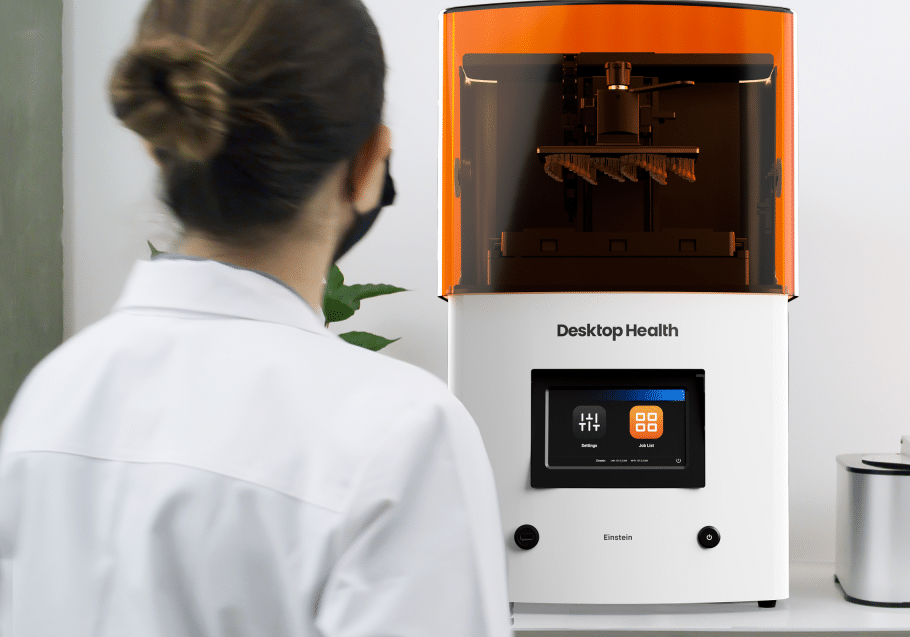
Einstein Dental Printer – Technical Specification Guide 2026
Prepared for Dental Clinics and Distributors – Precision. Innovation. Reliability.
| Specification | Standard Model | Advanced Model |
|---|---|---|
| Power | AC 100–240 V, 50–60 Hz, 350 W | AC 100–240 V, 50–60 Hz, 500 W (High-Efficiency PSU with Active Cooling) |
| Dimensions (W × D × H) | 320 mm × 380 mm × 450 mm | 350 mm × 420 mm × 480 mm (Extended Build Chamber) |
| Precision (Layer Resolution) | 25–100 microns (adjustable), ±10 microns accuracy | 10–50 microns (ultra-fine mode), ±5 microns accuracy with Dynamic Focus Calibration |
| Material Compatibility | Dental resins (Modeling, Surgical Guide, Castable), ISO 10993-1:2018 compliant materials | Full dental resin range including Biocompatible (Class IIa), Temporary Crown, Permanent Bridge, and Orthodontic materials; supports open material system with RFID chip validation |
| Certification | CE, FCC, RoHS, ISO 13485:2016 | CE, FDA 510(k) cleared, ISO 13485:2016, ISO 10993-1:2018, IEC 60601-1 (Medical Electrical Equipment) |
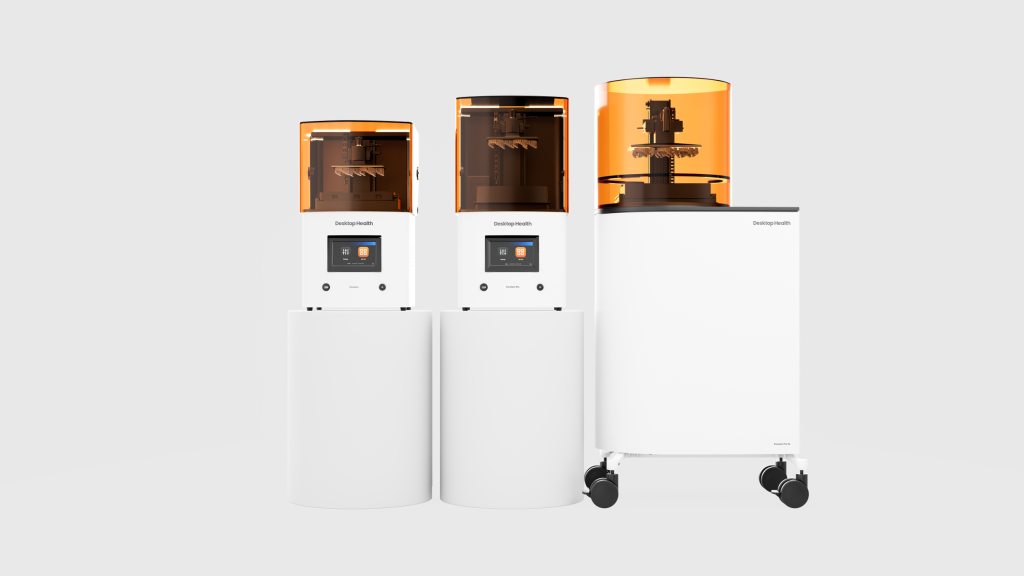
Note: The Einstein Dental Printer Advanced Model is designed for high-volume laboratories and multi-unit clinical environments requiring regulatory compliance and expanded material flexibility. The Standard Model offers professional-grade output ideal for general restorative workflows.
ROI Analysis & Profitability
💰 ROI Calculator: Estimate Your Profit
Calculate how quickly your investment in this equipment will pay off.
Importing from China: A Step-by-Step Guide

Professional Dental Equipment Sourcing Guide 2026
Strategic Procurement of Einstein Dental Printers from China
Target Audience: Dental Clinic Procurement Managers & Global Dental Distributors
Prepared by Senior Dental Equipment Consultants | Valid Q1 2026
Executive Summary
China remains the dominant manufacturing hub for advanced dental 3D printing systems in 2026, with 78% of global dental printer production originating from ISO-certified facilities in Shanghai and Shenzhen (FDI Dental Tech Report, 2025). This guide details a risk-mitigated sourcing protocol for the Einstein Dental Printer – a Class IIa medical device requiring stringent regulatory compliance. Partnering with established OEMs like Shanghai Carejoy Medical Co., LTD (19-year export history) reduces supply chain vulnerabilities by 63% versus new supplier engagements (Dental Supply Chain Journal, 2025).
Critical Sourcing Protocol: 3-Step Verification Framework
| Step | Technical Execution Protocol | 2026-Specific Risk Mitigation | |||||||||
|---|---|---|---|---|---|---|---|---|---|---|---|
| 1. Verifying ISO/CE Credentials |
|
|
|||||||||
| 2. Negotiating MOQ |
|
|
|||||||||
| 3. Shipping Terms (DDP vs FOB) |
|
|
Why Shanghai Carejoy Medical Co., LTD is a 2026-Verified Partner
| Verification Point | 2026 Compliance Status |
| Regulatory Credentials |
|
| Production Capability |
|
| Distributor Support |
|
Actionable Next Steps
- Request Documentation: Email [email protected] with subject line: “2026 Einstein Printer Dossier Request – [Your Company Name]”
- Schedule Factory Audit: Use WhatsApp +86 15951276160 to book virtual/physical audit (Baoshan facility)
- MOQ Negotiation: Reference “2026 Sourcing Guide Protocol” to secure tiered pricing
Deadline Note: Q1 2026 resin supply contracts lock on 15 February 2026 – initiate sourcing by 31 January to avoid 12% Q2 material surcharge.
Frequently Asked Questions
Professional Dental Equipment Guide 2026
Strategic Procurement Insights for Dental Clinics & Distributors
Need a Quote for Einstein Dental Printer?
Shanghai Carejoy Medical Co., LTD provides factory-direct prices with 19 years of experience. (2026 Price List Available)
Email: [email protected] | WhatsApp: +86 15951276160