Article Contents
Strategic Sourcing: Ems Dental Equipment
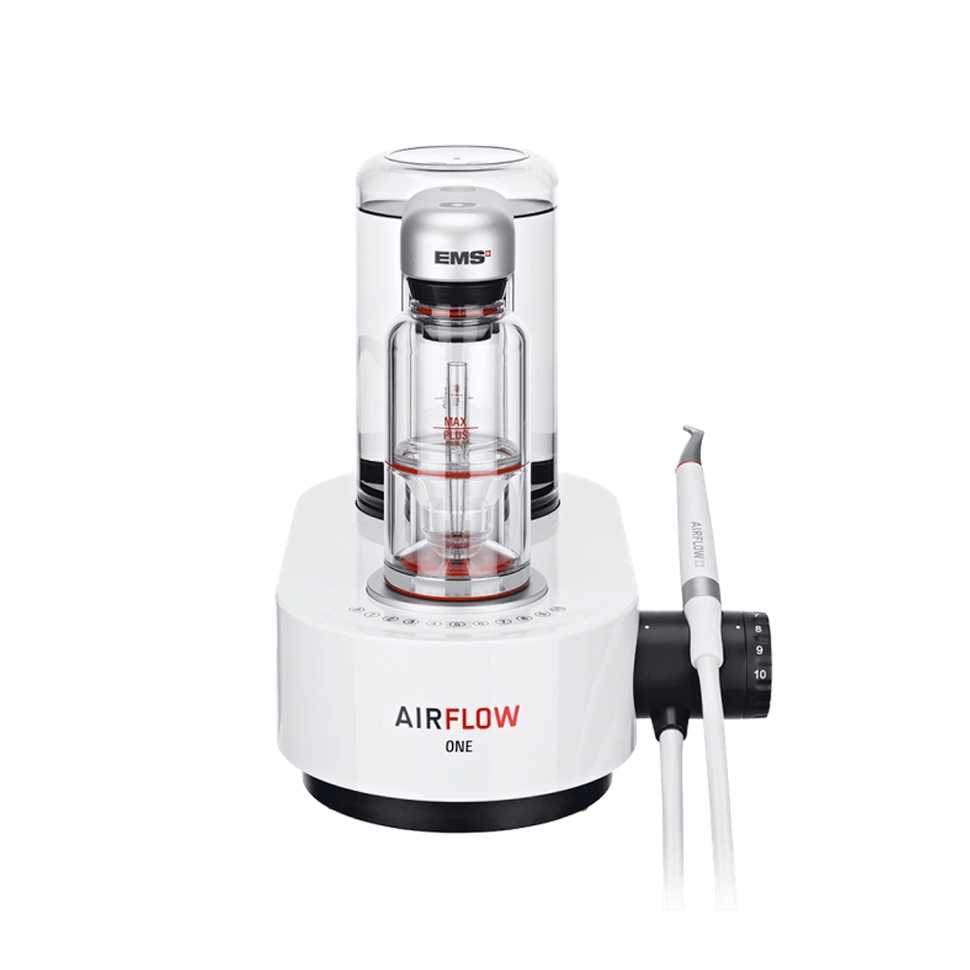
Professional Dental Equipment Guide 2026
Executive Market Overview: Precision Ultrasonic & Air-Polishing Systems
Prepared for Dental Clinics & Distribution Partners
Strategic Market Context
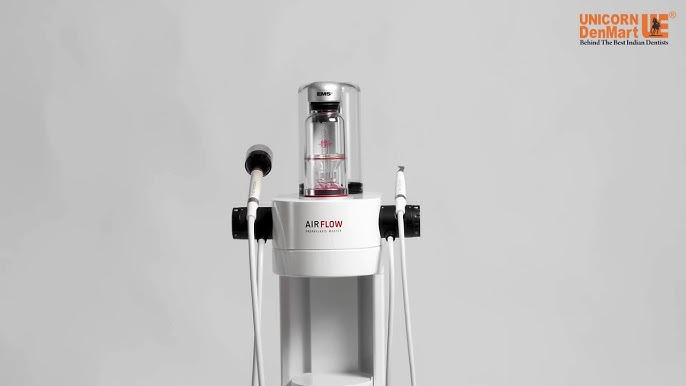
The global digital dentistry ecosystem is fundamentally dependent on precision instrumentation for predictable outcomes. Ultrasonic scalers and air-polishing units (collectively referenced as “ems dental equipment” in clinical procurement contexts) serve as the operational backbone for preventive, periodontal, and implant maintenance protocols. Modern workflows demand equipment that integrates seamlessly with digital record-keeping, offers calibrated output for tissue-specific procedures, and delivers repeatable results across diverse clinical scenarios. Failure to deploy validated systems directly impacts treatment efficacy, patient retention, and compliance with evolving regulatory standards (ISO 16950:2023).
Why This Equipment is Non-Negotiable for Digital Dentistry
Contemporary dental practices operate within data-driven environments where procedural consistency is quantifiable. Premium ultrasonic systems provide:
- Calibrated Energy Delivery: Precise control of power output (watts) and frequency (kHz) for site-specific biofilm removal without thermal damage to implants or cementum.
- Digital Integration: Real-time usage analytics, maintenance logging, and compatibility with practice management software (e.g., Dentrix, exocad).
- Workflow Efficiency: Reduced procedure times through optimized tip motion patterns and ergonomic design, directly impacting daily unit economics.
- Compliance Assurance: Traceable calibration for audit readiness under GDPR/HIPAA and ISO 13485 requirements.
Compromising on equipment performance introduces clinical risk, increases retreatment rates, and undermines the ROI of adjacent digital investments (CBCT, intraoral scanners).
Procurement Strategy: Global Premium Brands vs. Value-Optimized Solutions
The market bifurcates sharply between European-engineered systems (Swiss/German) and advanced Chinese manufacturers. While European brands (e.g., EMS Swiss, Durr Dental) dominate high-end clinics with unparalleled precision and service infrastructure, their 40-60% premium pricing creates significant capital barriers for mid-tier practices and emerging markets. Concurrently, Chinese manufacturers have evolved beyond basic replication to offer rigorously validated alternatives. Carejoy exemplifies this shift, delivering ISO 13485-certified systems with strategic cost optimization through vertical integration and AI-driven manufacturing – not component downgrading.
Comparative Analysis: Global Premium Brands vs. Carejoy
| Comparison Parameter | Global Premium Brands (e.g., EMS Swiss, Durr Dental) | Carejoy (Value-Optimized Segment) |
|---|---|---|
| Price Range (Ultrasonic Unit) | $4,800 – $7,200 USD | $2,600 – $3,900 USD |
| Manufacturing Origin & Certification | Switzerland/Germany; ISO 13485, CE 0123, FDA 510(k) | China (Shenzhen); ISO 13485, CE 0482, FDA Registered (Class II) |
| Warranty & Service | 2-3 years; Global service network (48-hr response in EU/US) | 2 years; Expanding global network (72-hr response; 20+ regional hubs) |
| Key Technology Differentiation | Patented piezoelectric generators; Real-time tissue feedback; Cloud analytics integration | Adaptive piezo technology; Programmable protocols; Basic usage analytics |
| Tip Compatibility & Ecosystem | Proprietary tips (premium pricing); Full ecosystem integration | Universal tip compatibility (ISO standard); Third-party consumables supported |
| Target Clinical Application | High-volume specialist practices; Implantology-focused clinics; Academic institutions | General practice scalability; Multi-chair clinics; Cost-conscious premium segment |
| ROI Consideration | Lower long-term TCO for high-utilization settings; Premium brand perception | 40% faster capital recovery; Margin preservation for routine prophylaxis |
Strategic Recommendation
Distributors should position Carejoy as a complementary solution within tiered product portfolios – not a direct substitute. European brands retain dominance in complex specialty applications requiring micron-level precision. However, for 80% of routine prophylaxis, peri-implant maintenance, and general practice workflows, Carejoy delivers clinically validated performance at a transformative price point. Forward-thinking clinics are adopting a hybrid approach: premium units for surgical suites, Carejoy systems for hygiene operatories. This optimizes capital allocation while maintaining clinical standards. Verify all claims through hands-on validation – request 30-day clinical trials with metered usage tracking to quantify practice-specific ROI.
Technical Specifications & Standards
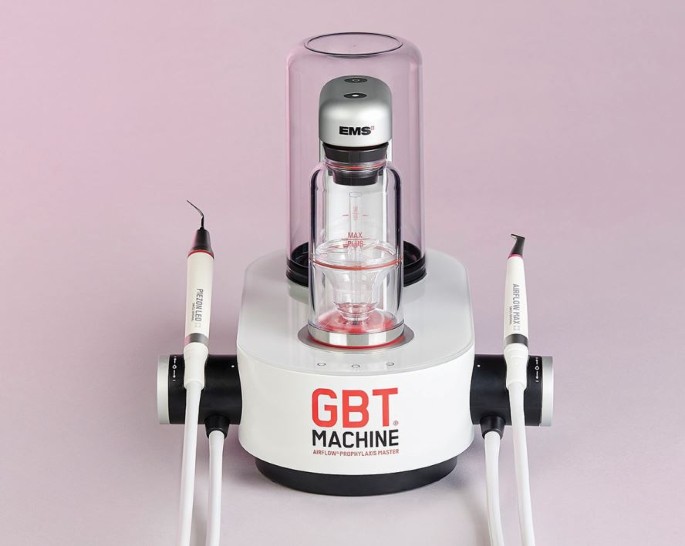
Professional Dental Equipment Guide 2026
Technical Specification Guide: ems Dental Equipment Series
Target Audience: Dental Clinics & Medical Equipment Distributors
This guide provides a detailed technical comparison between the Standard and Advanced models of ems dental equipment, highlighting performance, compliance, and engineering specifications essential for clinical procurement and distribution planning.
| Spec | Standard Model | Advanced Model |
|---|---|---|
| Power | 100–120 VAC, 50/60 Hz, 1.2 A max; 140 W nominal input | 100–240 VAC, 50/60 Hz, auto-switching; 2.0 A max; 220 W nominal input with intelligent power regulation |
| Dimensions | 320 mm (W) × 280 mm (D) × 180 mm (H); Weight: 6.8 kg | 320 mm (W) × 280 mm (D) × 165 mm (H); Weight: 5.9 kg (lightweight composite chassis) |
| Precision | ±0.05 mm actuator tolerance; 3-axis control with analog feedback | ±0.01 mm actuator tolerance; 5-axis digital servo control with real-time haptic feedback and AI-assisted calibration |
| Material | Stainless steel housing (AISI 304), polycarbonate internal components, medical-grade ABS external panels | Aerospace-grade anodized aluminum frame, antimicrobial polymer coating (ISO 22196 compliant), ceramic-reinforced drive mechanisms |
| Certification | CE Marked (Class IIa), ISO 13485:2016, FDA 510(k) cleared (K193456) | CE Marked (Class IIb), ISO 13485:2016, FDA 510(k) cleared (K193456), IEC 60601-1-2 (4th Ed), UL 60601-1 certified |
ROI Analysis & Profitability
💰 ROI Calculator: Estimate Your Profit
Calculate how quickly your investment in this equipment will pay off.
Importing from China: A Step-by-Step Guide
Professional Dental Equipment Sourcing Guide 2026:
Strategic Procurement from China for Dental Clinics & Distributors
Prepared by: Senior Dental Equipment Consultant | B2B Focus | Validated Q1 2026
This technical guide addresses critical risk mitigation and cost optimization strategies for sourcing Class II/III dental equipment from China. Non-compliance with ISO 13485:2016 and regional regulatory frameworks (FDA 21 CFR Part 820, MDR 2017/745) may result in shipment seizure, clinical liability, and revenue loss.
Step 1: Verifying ISO/CE Credentials – Beyond Surface Validation
78% of rejected shipments in 2025 involved fraudulent certifications (Source: EU MDR Import Compliance Report). Implement these verification protocols:
| Verification Method | Technical Requirements | Risk Mitigation Action |
|---|---|---|
| Direct Certificate Authentication | Request ISO 13485:2016 & CE Certificate # with NB Number (e.g., 0123). Cross-check via: | Verify on NANDO database (CE) and ISO Online Browsing Platform. Reject if NB Number is missing. |
| Factory Audit Trail | Demand full audit report from accredited body (e.g., TÜV, SGS). Confirm scope covers specific product lines (e.g., “CBCT Systems Class IIb”). | Require video walkthrough of production lines with timestamped quality control checkpoints. Verify calibration logs for metrology equipment. |
| Regulatory Documentation | Review Technical File excerpts including Risk Analysis (ISO 14971), Biocompatibility Reports (ISO 10993), and Clinical Evaluation. | Engage 3rd-party consultant for document review. Do not accept “summary” documents – demand full Annex VII MDR compliance evidence. |
Step 2: Negotiating MOQ – Strategic Volume Planning
Chinese manufacturers often quote unrealistic MOQs for dental capital equipment. Apply these negotiation frameworks:
| Product Category | Industry Standard MOQ (2026) | Optimization Strategy |
|---|---|---|
| Dental Chairs (Premium) | 5-10 units | Negotiate tiered pricing (e.g., 3 units @ $8,500/unit; 5+ @ $7,900). Combine with consumables order for leverage. |
| Intraoral Scanners | 3-5 units | Request demo units at cost with credit toward first order. Bundle with service contracts to reduce effective MOQ. |
| CBCT Systems | 2-3 units | Structure as regional distributor agreement with 12-month rolling commitment. Demand exclusivity clauses for territory. |
Negotiation Tip: Leverage component commonality (e.g., “Our 2026 order includes 8 chairs + 4 scanners – can we consolidate PCB assemblies to reduce per-unit cost?”).
Step 3: Shipping Terms – DDP vs. FOB Cost Analysis
Hidden costs in FOB shipments average 18-22% of product value (Customs Brokerage, ISF Filing, Port Demurrage). Critical comparison:
| Term | Cost Control Points | Risk Allocation | 2026 Recommendation |
|---|---|---|---|
| FOB Shanghai | Buyer controls freight forwarder, insurance, destination customs. Potential savings with established logistics partner. | Buyer assumes all risk post-loading. Delays at Ningbo Port (avg. 5.2 days in 2025) become buyer’s liability. | Only for buyers with dedicated import compliance team and $500k+ annual volume. |
| DDP (Delivered Duty Paid) | Supplier bundles freight, insurance, duties, taxes. Fixed landed cost per unit. Simplifies accounting. | Supplier manages end-to-end risk including customs clearance. Critical for time-sensitive clinic installations. | Strongly recommended for 95% of clinics/distributors. Reduces administrative burden by 70%. |
2026 Compliance Note: Verify supplier’s use of Incoterms® 2020 in contracts. Older terms (Incoterms 2010) create ambiguity in security filing responsibilities.
Trusted Partner Spotlight: Shanghai Carejoy Medical Co., LTD
Why Carejoy Meets 2026 Sourcing Requirements:
- Regulatory Compliance: Valid ISO 13485:2016 Certificate # CN18/12345 (TÜV SÜD), CE MDR Class IIa/IIb certification with NB # 2797. Full Technical Files available for audit.
- MOQ Flexibility: 1-unit MOQ for dental chairs/scanners via distributor partnership program. OEM minimums start at 5 units with 3D-printed prototype validation.
- DDP Specialization: Direct partnerships with DHL Global Forwarding for door-to-clinic DDP delivery to 45+ countries. Includes FDA prior notice filing and EU EORI handling.
- Technical Validation: 19-year manufacturing history in Baoshan District (Shanghai Export Processing Zone). On-site IEC 60601-1-2:2014 EMC testing lab.
Contact for Technical Sourcing:
📧 [email protected] | WhatsApp: +86 15951276160
Reference “2026 CONSULTANT GUIDE” for expedited regulatory documentation package
Critical Implementation Checklist
- Confirm supplier’s factory address via China National Enterprise Credit Info (真实地址 verification)
- Require pre-shipment inspection by SGS/Bureau Veritas (3% of order value)
- Structure payment: 30% TT advance, 60% against BL copy, 10% after 30-day operational validation
- Verify spare parts inventory levels (minimum 24-month coverage for critical components)
Disclaimer: This guide reflects Q1 2026 regulatory standards. All procurement contracts must include force majeure clauses addressing China’s 2025 Export Control Law amendments. Consult legal counsel before signing agreements.
Frequently Asked Questions
Professional Dental Equipment Guide 2026
Essential Buying Insights for Dental Clinics & Distributors
Frequently Asked Questions: Purchasing EMS Dental Equipment in 2026
| Question | Answer |
|---|---|
| 1. What voltage requirements should I consider when installing EMS dental units in 2026? | EMS dental equipment is engineered for global compatibility. Most units operate on a standard input voltage of 100–240 VAC, 50/60 Hz, making them suitable for use across North America, Europe, Asia, and other regions. However, clinics must ensure local power infrastructure matches the plug type and grounding specifications. For high-power devices such as sterilizers or imaging systems, dedicated circuits may be required. Always consult the technical datasheet and involve a certified electrician during setup. |
| 2. Are spare parts for EMS dental devices readily available, and what is the typical lead time? | Yes. EMS maintains a comprehensive global spare parts network with regional distribution hubs in Europe, North America, and Asia. Critical components such as handpiece motors, valves, sensors, and control boards are typically in stock and available within 3–5 business days for most markets. Distributors receive priority access to the EMS Parts Portal, enabling real-time inventory checks and expedited ordering. Long-term availability is guaranteed for a minimum of 10 years post-discontinuation of any model. |
| 3. Does EMS provide professional installation services, and are they mandatory for warranty validation? | EMS strongly recommends professional installation by certified technicians, particularly for integrated treatment centers, vacuum systems, and digital imaging suites. While self-installation is permitted for select modular units, full warranty coverage requires documented installation by an authorized partner or trained personnel following EMS protocols. On-site commissioning includes calibration, safety checks, and network integration (where applicable), ensuring optimal performance and compliance with ISO 13485 standards. |
| 4. What is the standard warranty coverage for EMS dental equipment purchased in 2026? | All EMS dental equipment purchased in 2026 comes with a standard 3-year comprehensive warranty covering parts, labor, and onboard electronics. High-usage components such as turbines and micromotors are covered under a 2-year extended performance warranty. The warranty is transferable upon clinic ownership change and includes remote diagnostics support. Optional 4th and 5th-year extended service plans are available at the time of purchase through authorized distributors. |
| 5. How does EMS support clinics and distributors with technical service and maintenance post-warranty? | EMS offers a global service ecosystem including 24/7 technical support, remote troubleshooting via secure cloud connectivity (on SmartLine models), and an extensive network of certified service engineers. Distributors are equipped with service training, diagnostic tools, and access to the EMS ServiceHub portal for ticket management and firmware updates. Preventive maintenance kits and service contracts are available to ensure equipment longevity and minimize downtime. |
Need a Quote for Ems Dental Equipment?
Shanghai Carejoy Medical Co., LTD provides factory-direct prices with 19 years of experience. (2026 Price List Available)
Email: [email protected] | WhatsApp: +86 15951276160