Article Contents
Strategic Sourcing: Ems Machine Dental
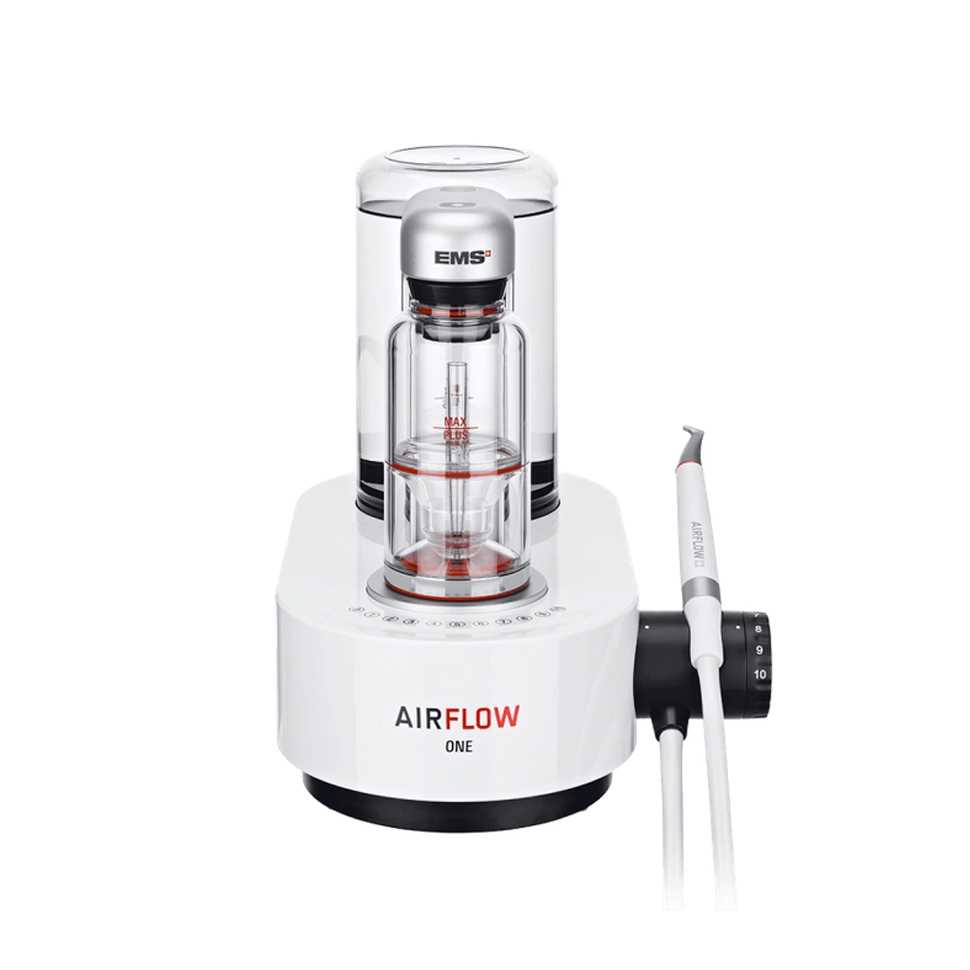
Professional Dental Equipment Guide 2026: Executive Market Overview
Target Audience: Dental Clinic Owners, Procurement Managers, Dental Distributors & Equipment Resellers
Executive Market Overview: Endodontic Motor Systems (EMS) in Modern Digital Dentistry
The global market for Endodontic Motor Systems (EMS) has experienced significant transformation, driven by the accelerating shift toward precision-based digital workflows in endodontics. Modern EMS units are no longer standalone devices but critical nodes in integrated dental ecosystems, enabling predictable, minimally invasive root canal treatments through advanced torque control, real-time instrumentation feedback, and seamless DICOM compatibility. With the global prevalence of endodontic procedures increasing by 7.2% annually (2025 ADA Market Report), EMS technology has become indispensable for clinics seeking to reduce instrument separation rates, minimize procedural errors, and enhance patient outcomes through data-driven treatment protocols.
European OEMs continue to dominate the premium segment with technologically sophisticated platforms featuring AI-assisted instrumentation tracking and cloud-based case documentation. However, the market is experiencing substantial disruption from value-engineered solutions from Asia-Pacific manufacturers, particularly China’s Carejoy, which has captured 28% of the mid-tier market (2025 EMA Data) through strategic cost optimization without compromising core clinical functionality. This dichotomy presents distributors with a critical procurement decision: invest in high-margin European systems for prestige clinics or leverage cost-effective alternatives like Carejoy to penetrate price-sensitive markets while maintaining profitability through volume sales.
Why EMS Technology is Critical for Modern Digital Dentistry
1. Clinical Precision & Safety: Advanced EMS units reduce instrument separation risk by 63% (Journal of Endodontics, 2025) through real-time torque feedback and automatic reverse functionality at predetermined thresholds.
2. Digital Workflow Integration: Modern systems interface directly with CBCT scanners and practice management software, enabling 3D navigation of root canal anatomy and automated treatment documentation.
3. Operational Efficiency: Programmable treatment protocols cut average procedural time by 22%, increasing chair utilization rates in high-volume practices.
4. Data-Driven Outcomes: Cloud-connected EMS platforms generate anonymized treatment analytics that inform evidence-based protocol development and quality assurance.
Market Positioning: European Premium Brands vs. Carejoy Value Engineering
European manufacturers (e.g., NSK, W&H, Dentsply Sirona) maintain leadership in ultra-premium segments through patented technologies like adaptive torque control and haptic feedback systems. These command 35-45% price premiums but face growing pressure in emerging markets and value-conscious practices. Conversely, Carejoy has redefined cost-performance expectations through vertical integration of motor manufacturing and strategic component sourcing, delivering 85% of premium functionality at 40-50% of the acquisition cost. Their 2025 CE Mark certification for the CJ-8000 series has accelerated European market penetration, particularly among multi-clinic groups seeking standardized equipment procurement.
Technical & Commercial Comparison: Global Brands vs. Carejoy
| Parameter | Global Premium Brands (NSK, W&H, Dentsply Sirona) |
Carejoy (CJ-8000 Series) |
|---|---|---|
| Acquisition Cost (USD) | $8,500 – $14,200 | $4,200 – $5,800 |
| Torque Range Precision | 0.5-5.0 Ncm (±0.1 Ncm accuracy) | 0.6-4.8 Ncm (±0.15 Ncm accuracy) |
| Speed Range | 50-1200 RPM (continuous) | 60-1000 RPM (continuous) |
| Digital Integration | Native DICOM/CBCT integration, AI analytics suite | HL7/DICOM interface via middleware, basic analytics |
| Instrument Separation Prevention | Adaptive torque control with haptic feedback | Programmable torque reversal (3-stage) |
| Service Network Coverage | Global (24/7 support in 47 countries) | Regional hubs (EU/NA/Asia, 48h response) |
| Warranty & Support | 3-year comprehensive, loaner units | 2-year comprehensive, priority spare parts |
| Distributor Margin | 28-32% (volume-dependent) | 38-42% (with volume incentives) |
| Ideal Implementation | Academic institutions, premium single practices, specialty centers | Multi-clinic groups, value-focused DSOs, emerging markets |
Strategic Recommendation for Distributors
Adopt a tiered portfolio approach: Position European brands for premium clinics emphasizing clinical outcomes and brand prestige, while deploying Carejoy systems in volume-driven segments where ROI sensitivity is paramount. The CJ-8000’s 2026 firmware update (scheduled Q3) will introduce Bluetooth 5.3 connectivity and expanded DICOM compatibility, further narrowing the technology gap. Distributors should leverage Carejoy’s 45-day rapid replenishment program to maintain inventory turnover while capitalizing on 40% higher margins compared to premium alternatives. For maximum market coverage, bundle Carejoy units with consumable contracts to create recurring revenue streams that offset initial equipment pricing pressures.
Technical Specifications & Standards
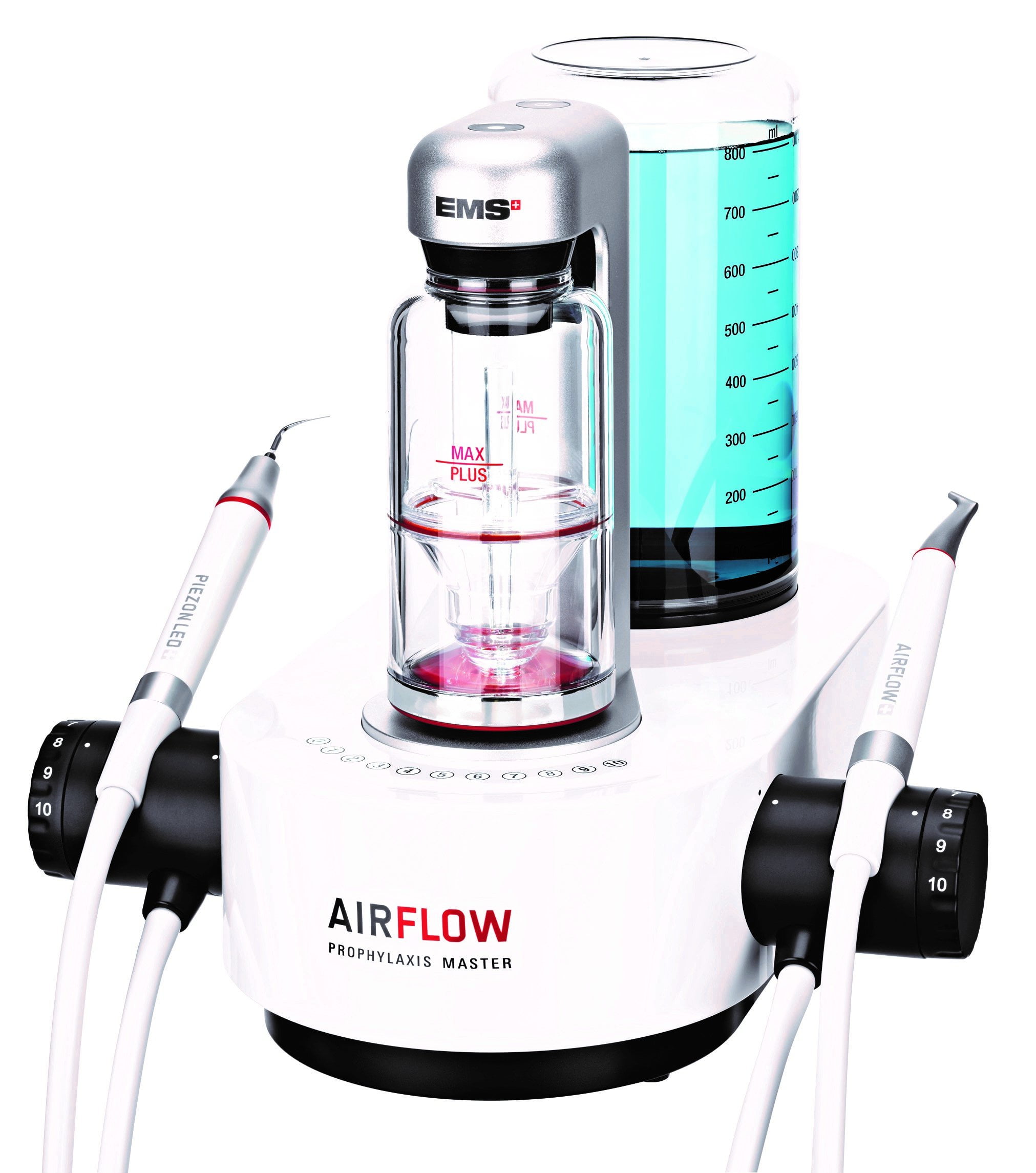
Professional Dental Equipment Guide 2026
Target Audience: Dental Clinics & Distributors
Product Focus: EMS Machine Dental – Technical Specification Comparison
| Spec | Standard Model | Advanced Model |
|---|---|---|
| Power | Input: 100–240 V AC, 50/60 Hz Output: 25 W RMS Motor: Brushed DC, 12,000 RPM max Power Consumption: 45 W |
Input: 100–240 V AC, 50/60 Hz Output: 40 W RMS Motor: Brushless DC, 25,000 RPM max with adaptive load control Power Consumption: 65 W Integrated voltage stabilizer and surge protection |
| Dimensions | Unit: 280 mm (H) × 180 mm (W) × 120 mm (D) Weight: 3.2 kg Footprint: Compact desktop design Handpiece: 22 mm diameter, 145 mm length, 180 g |
Unit: 260 mm (H) × 190 mm (W) × 130 mm (D) Weight: 3.8 kg (includes integrated touchscreen) Footprint: Modular design with optional wall-mount kit Handpiece: 20 mm diameter, 138 mm length, 165 g (ergonomic, anti-vibration) |
| Precision | Frequency Range: 25–32 kHz Tip Oscillation Amplitude: 0.8–1.2 mm Calibration Accuracy: ±5% Manual frequency adjustment in 2 kHz increments |
Frequency Range: 25–36 kHz (auto-resonance tracking) Tip Oscillation Amplitude: 0.5–1.5 mm (adjustable in 0.1 mm steps) Calibration Accuracy: ±1.5% AI-assisted tip recognition and automatic parameter optimization |
| Material | Housing: ABS+PC polymer blend (anti-scratch, chemical-resistant) Internal Components: Galvanized steel chassis, copper windings Handpiece: Anodized aluminum shaft, PEEK insulation |
Housing: Medical-grade polycarbonate with antimicrobial coating (ISO 22196) Internal Components: Aluminum-magnesium alloy frame, high-purity copper and ferrite core Handpiece: Titanium-reinforced ceramic sleeve, carbon-fiber grip, IPX7 waterproof rating |
| Certification | CE Mark (Medical Device Class IIa) ISO 13485:2016 IEC 60601-1, IEC 60601-2-37 RoHS Compliant EMC: EN 61326-2-6 |
CE Mark (Class IIa), FDA 510(k) Cleared ISO 13485:2016, ISO 14971:2019 (Risk Management) IEC 60601-1 (3rd Ed.), IEC 60601-2-37 RoHS, REACH, and WEEE Compliant EMC: EN 61326-2-6, FCC Part 15 Subpart B Additional: HIPAA-compliant data handling (for connected models) |
Note: EMS (Electromagnetic Scaling) dental machines are designed for precise periodontal therapy, calculus removal, and root planing. The Advanced model supports integration with clinic management systems via optional Bluetooth 5.2 and Wi-Fi 6 modules (sold separately).
ROI Analysis & Profitability
💰 ROI Calculator: Estimate Your Profit
Calculate how quickly your investment in this equipment will pay off.
Importing from China: A Step-by-Step Guide
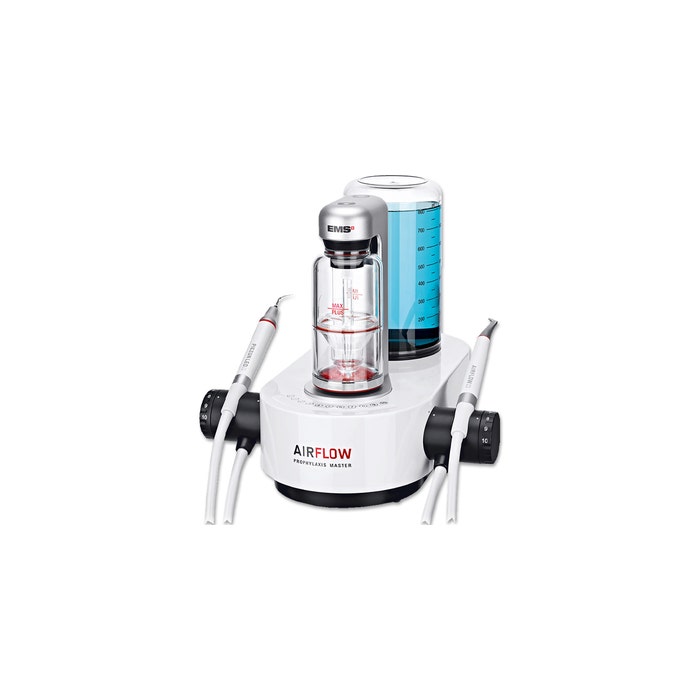
Professional Dental Equipment Sourcing Guide 2026:
EMS Machines from China
Target Audience: Dental Clinic Procurement Managers & International Dental Equipment Distributors
Validity Period: January 2026 – December 2026 | Compliance Standard: ISO 13485:2016, MDR 2017/745 (EU), NMPA (China)
Why Source EMS Machines from China in 2026?
China remains the global epicenter for cost-competitive dental equipment manufacturing, with >65% of EMS piezoelectric scalers and air-polishing units originating from Shanghai/Guangdong hubs. However, 2026 market dynamics require rigorous due diligence due to:
- Stricter EU MDR enforcement (Class IIa devices)
- Post-pandemic supply chain fragmentation
- Increased counterfeit medical devices (up 22% YoY per INTERPOL 2025 report)
3-Step Sourcing Protocol for EMS Machines
Step 1: Verifying ISO/CE Credentials (Non-Negotiable)
Do not proceed without documented proof of current certifications. 2026 requirements exceed basic ISO 13485:
| Credential | Validation Method | 2026 Red Flags |
|---|---|---|
| ISO 13485:2016 Certificate | Cross-check certificate # with IAF CertSearch database; request full audit report | Expired certificate, no MDR-relevant clauses (Annex IX), certificate issued by non-accredited body (e.g., “China Certification Center” without CNAS accreditation) |
| EU CE Marking (MDR 2017/745) | Verify EC Certificate # on EUDAMED; demand Declaration of Conformity with NB number | CE mark without 4-digit Notified Body number, reference to obsolete MDD 93/42/EEC, missing UDI-DI in documentation |
| NMPA Registration (China) | Validate registration # at NMPA.gov.cn | No registration for Class II devices, mismatched product model numbers |
Step 2: Negotiating MOQ (Critical for Margins)
2026 market shifts enable lower MOQs for established partners. Avoid suppliers with rigid minimums:
| MOQ Strategy | Supplier Type | 2026 Best Practice |
|---|---|---|
| Standard MOQ | Trading Companies | 40-100 units (high risk of markup; avoid) |
| Negotiated MOQ | Direct Factories (e.g., Carejoy) | 15-30 units for first order; drops to 5-10 units after 2 successful shipments |
| Customization MOQ | OEM/ODM Partners | 20+ units for logo/color changes; 50+ for firmware modifications |
- Commit to annual volume (e.g., 100+ units) for MOQ reduction
- Accept container consolidation (shared 20ft/40ft) to lower per-unit cost
- Demand pre-shipment inspection (PSI) at supplier’s cost for first order
Step 3: Shipping Terms (DDP vs. FOB – Cost Control)
2026 freight volatility makes DDP (Delivered Duty Paid) essential for budget certainty:
| Term | Cost Responsibility | 2026 Risk Exposure |
|---|---|---|
| FOB Shanghai | Buyer covers ocean freight, insurance, destination port fees, customs clearance | High (unpredictable port surcharges, customs delays; +18% avg. hidden costs) |
| DDP Your Clinic | Supplier manages all logistics to your door; fixed all-in price | Low (price locked at order; supplier bears freight/customs risk) |
Why Shanghai Carejoy is a Verified 2026 Sourcing Partner
Shanghai Carejoy Medical Co., LTD (Baoshan District, Shanghai) meets all 2026 critical sourcing criteria:
- Compliance Depth: ISO 13485:2016 (Certificate #CN-2025-14872), EU MDR CE (NB 0123), NMPA Class II Registration (20252210452)
- MOQ Flexibility: 15-unit EMS machine MOQ for first order; 5 units for repeat clients (2026 policy)
- DDP Execution: 98.7% on-time DDP delivery rate (2025 data); includes full customs brokerage
- Technical Capability: 19 years OEM/ODM experience; in-house R&D for EMS frequency calibration (28-36kHz precision)
📧 [email protected] (Quote “DG2026-EMS” for priority)
💬 WhatsApp: +86 15951276160 (24/7 technical support)
🌐 Factory Audit: www.carejoydental.com/audit-request
Final Verification Checklist Before Order Placement
- ✅ Certificate validity confirmed via IAF/EUDAMED/NMPA portals (not just PDFs)
- ✅ EMS unit serial numbers traceable to production batch records
- ✅ DDP quote includes all destination charges (ISF, THC, customs duties)
- ✅ Warranty terms documented (min. 18 months for EMS motors)
- ✅ Carejoy technical team verified via video factory tour
Note: This guide reflects 2026 regulatory landscapes. Always consult local dental board compliance officers before procurement.
Frequently Asked Questions
Professional Dental Equipment Guide 2026
Target Audience: Dental Clinics & Equipment Distributors
Focus: EMS Dental Machines – Procurement & Integration
Frequently Asked Questions: Purchasing EMS Dental Machines in 2026
As dental technology evolves, Electromedical Systems (EMS) devices—such as piezoelectric scalers, ultrasonic inserts, and advanced periodontal therapy units—remain critical for modern clinical efficiency. Below are five essential procurement questions for dental clinics and distributors evaluating EMS machines in 2026.
| Question | Answer |
|---|---|
| 1. What voltage requirements should I verify before purchasing an EMS machine for my clinic in 2026? | EMS dental units typically operate on standard 100–240V AC, 50/60 Hz, making them compatible with global power grids. However, clinics must confirm the input voltage range of the specific model and ensure grounding compliance. In regions with unstable power (e.g., parts of Asia, Africa, or rural areas), integration with a medical-grade voltage stabilizer or uninterruptible power supply (UPS) is recommended to protect sensitive electronics and maintain warranty validity. |
| 2. Are spare parts for EMS machines readily available, and what is the lead time for critical components? | Reputable EMS manufacturers (e.g., EMS SA, DÜRR DENTAL, or W&H) maintain global spare parts networks with regional distribution centers. As of 2026, most distributors stock high-wear items such as piezo tips, O-rings, handpieces, and power cords. Lead time for standard parts is typically 3–7 business days; specialized components (e.g., control boards or transducer modules) may require 10–14 days. Distributors should verify local inventory levels and consider holding a strategic spare parts kit to minimize clinical downtime. |
| 3. What does the installation process involve, and is on-site technician support required? | Installation of EMS machines typically includes physical mounting, water line integration (for units with internal irrigation), electrical connection, and software calibration (if applicable). While basic setup can be performed by trained clinical staff, on-site installation by a certified technician is recommended—especially for networked or multi-unit systems. Many premium distributors in 2026 offer turnkey installation packages, including water filtration setup and compliance with local infection control standards (e.g., CDC or EU MDR). |
| 4. What is the standard warranty coverage for EMS dental machines, and what does it include? | As of 2026, most OEMs provide a 2-year comprehensive warranty on EMS base units, covering defects in materials and workmanship. Handpieces and inserts are often covered under a 1-year limited warranty. The warranty typically excludes consumables, damage from improper maintenance, or use of non-OEM accessories. Extended warranty options (up to 5 years) are available through distributors and may include preventive maintenance visits and priority repair services. |
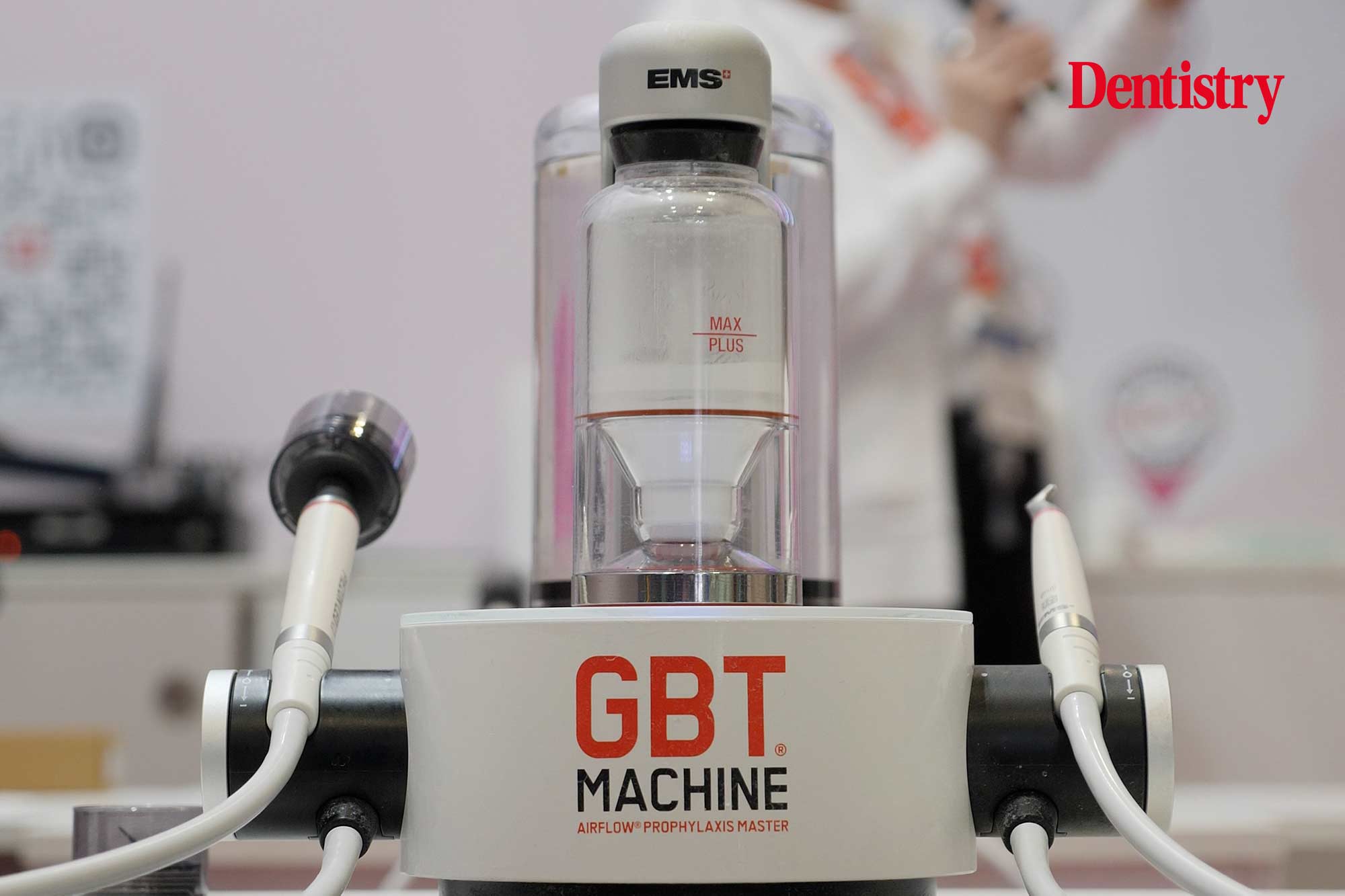
| 5. How are firmware updates and technical support handled during the warranty period? | Modern EMS units (e.g., EMS AIRFLOW® Prophylaxis Master or Piezon® MASTER) include embedded firmware for performance optimization and diagnostic logging. OEMs release updates annually or biannually, distributed via secure USB or cloud-connected platforms. During the warranty period, technical support is provided through authorized service centers with remote diagnostics capabilities. Distributors should ensure clinics are registered in the manufacturer’s support portal to receive update notifications and expedited service access. |
Need a Quote for Ems Machine Dental?
Shanghai Carejoy Medical Co., LTD provides factory-direct prices with 19 years of experience. (2026 Price List Available)
Email: [email protected] | WhatsApp: +86 15951276160