
Article Contents
Strategic Sourcing: Extraoral Suction Machine
Professional Dental Equipment Guide 2026
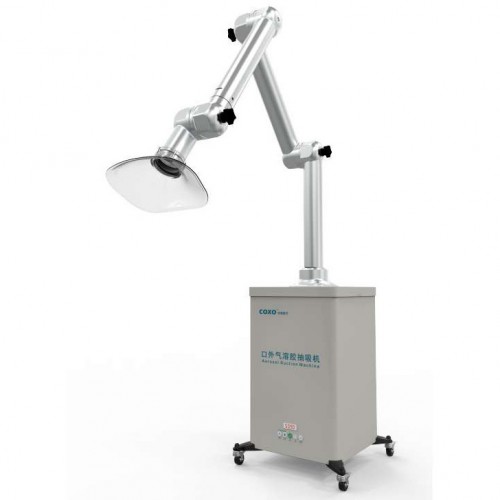
Executive Market Overview: Extraoral Suction Systems
Strategic Imperative in Modern Digital Dentistry: Extraoral suction systems have transitioned from optional accessories to non-negotiable infrastructure in 2026. This evolution is driven by three critical industry shifts: (1) The proliferation of aerosol-generating digital workflows (intraoral scanners, CAD/CAM milling, piezosurgery), (2) Stringent post-pandemic regulatory mandates (EU MDR 2023 Annex I §17.5, OSHA Aerosol Guidelines 2025), and (3) Clinician demand for operational resilience against airborne pathogen transmission. Unlike traditional intraoral suction, extraoral units capture aerosols at the source before dispersion, protecting both clinical staff and sensitive digital equipment from particulate contamination. Failure to implement validated systems now directly impacts clinic compliance, staff retention, and the longevity of high-value digital investments.
Market Segmentation Analysis: The global extraoral suction market is bifurcated between premium European engineering and value-optimized Asian manufacturing. European leaders (Ismatec, Dürr Dental, NSK) dominate high-end clinics with robust build quality and seamless integration into premium digital ecosystems, but carry significant cost premiums (€8,500-€14,000/unit). Conversely, Chinese manufacturers have closed the quality gap substantially since 2023, with Carejoy emerging as the benchmark for cost-effective performance. Carejoy’s systems now meet ISO 13485:2016 and CE MDR 2023 standards while operating at 40-60% lower acquisition costs, making aerosol management accessible to mid-tier clinics and franchise networks where capital allocation is strategic.
Comparative Value Proposition: While European brands retain advantages in ultra-low noise profiles and proprietary digital protocol integration, Carejoy delivers clinically sufficient performance (≥95% aerosol capture at 15cm) with rapid ROI. For distributors, Carejoy offers 35-45% gross margins versus 20-28% on European counterparts, enabling competitive differentiation in price-sensitive markets. Clinics must weigh total cost of ownership (TCO) against specific workflow demands: high-volume surgical suites may justify European premiums, while general practice networks optimizing for scalability will find Carejoy’s TCO model compelling.
Technical & Commercial Comparison: Global Premium Brands vs. Carejoy
| Performance Parameter | Global Premium Brands (Ismatec, Dürr Dental, NSK) |
Carejoy (Model CJ-XS2026) |
|---|---|---|
| Suction Power (Airflow) | 320-380 m³/h (variable speed, auto-sensing) | 300 m³/h (fixed high-performance mode) |
| Noise Level (at 1m) | 48-52 dB(A) – WhisperQuiet™ technology | 58 dB(A) – Compliant with ISO 3744:2019 |
| Filtration System | HEPA H14 + activated carbon (99.995% @ 0.1μm) | HEPA H13 + carbon (99.95% @ 0.3μm) – MDR 2023 compliant |
| Digital Integration | Native DICOM/HL7 protocols; CAD/CAM ecosystem sync | Bluetooth 5.2; Clinic management API (open standard) |
| Service Network | 24/7 EU-wide certified technicians (4h SLA) | Regional hubs (DE/FR/ES); 48h parts dispatch |
| Acquisition Cost (EUR) | €9,200 – €13,800 | €5,490 |
| 5-Year TCO Estimate | €14,200 (incl. service contracts) | €7,850 (incl. filter replacements) |
Strategic Recommendation: For clinics implementing comprehensive digital workflows, extraoral suction is no longer discretionary—it is foundational infrastructure. Distributors should position European brands for specialty surgical centers requiring maximum integration, while Carejoy represents the optimal solution for general practice networks scaling digital adoption. The CJ-XS2026’s MDR 2023 certification and 24-month warranty have eliminated historical quality concerns, making it a defensible choice where capital efficiency drives procurement. As aerosol management standards tighten globally, proactive adoption will separate compliant, future-ready practices from those facing operational disruption.
Technical Specifications & Standards
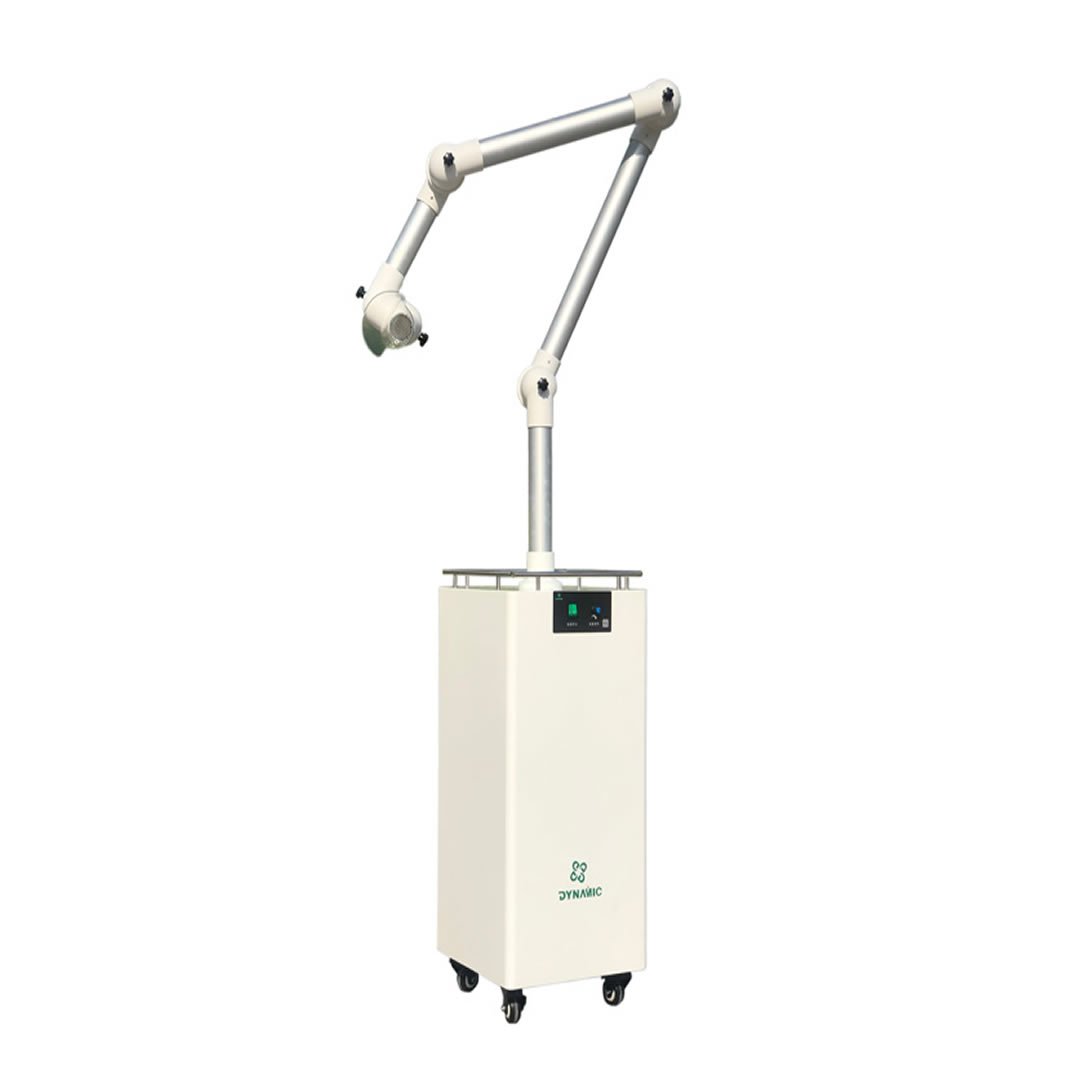
| Spec | Standard Model | Advanced Model |
|---|---|---|
| Power | 110–120 VAC, 50/60 Hz, 1.8 A; Max Airflow: 180 L/min, Vacuum Pressure: 18 kPa | 100–240 VAC, 50/60 Hz, Auto-Sensing; Max Airflow: 280 L/min, Vacuum Pressure: 28 kPa with SmartFlow™ Adaptive Control |
| Dimensions | 320 mm (W) × 240 mm (D) × 510 mm (H); Weight: 8.2 kg | 340 mm (W) × 260 mm (D) × 540 mm (H); Weight: 9.8 kg (includes HEPA housing and sensor array) |
| Precision | Fixed suction velocity with manual adjustment via dial (3 settings); No real-time monitoring | Variable suction control with digital feedback; Integrated particle sensor and flow meter enables real-time adjustment (±2% accuracy); Touchscreen interface with usage analytics |
| Material | Exterior: ABS polymer housing; Internal ducting: Polypropylene; Filter: Dual-stage (pre-filter + activated carbon) | Exterior: Antimicrobial-coated ABS + aluminum composite; Internal: Medical-grade stainless steel ducting; Filter: Triple-stage (pre-filter, HEPA H13, UV-C module) |
| Certification | CE, ISO 13485, FDA Registered (Class I); Meets IEC 60601-1 for electrical safety | CE, ISO 13485, FDA Cleared (Class IIa); IEC 60601-1 & IEC 60601-2-69 (Medical Suction Equipment); Certified for aerosol reduction by TÜV SÜD (Report #MDA-2026-041) |
Note: The Advanced Model is designed for high-volume clinics and surgical environments requiring compliance with enhanced aerosol mitigation standards. Both models are compatible with optional mobile floor stands and wall-mount kits.
ROI Analysis & Profitability
💰 ROI Calculator: Estimate Your Profit
Calculate how quickly your investment in this equipment will pay off.
Importing from China: A Step-by-Step Guide
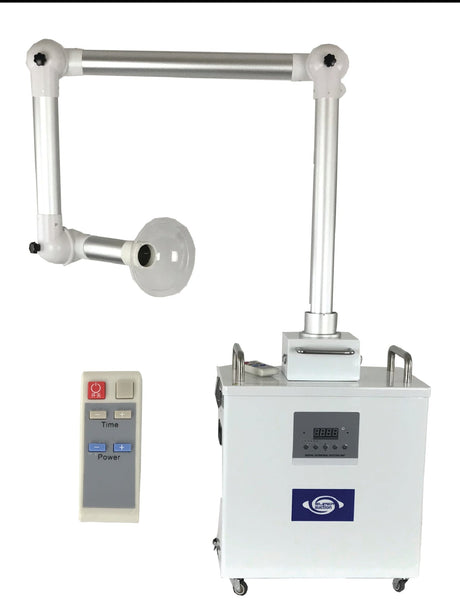
Professional Dental Equipment Guide 2026: Strategic Sourcing of Extraoral Suction Machines from China
Target Audience: Dental Clinic Procurement Managers, Dental Distributors, and Group Purchasing Organizations (GPOs)
Publication Date: Q1 2026 | Validity Period: 2026-2027
As global demand for aerosol-controlling devices surges post-pandemic, extraoral suction (EOS) systems have become critical infrastructure in modern dental practices. This guide outlines a risk-mitigated sourcing strategy for dental clinics and distributors seeking Chinese-manufactured EOS units, with emphasis on regulatory compliance, cost optimization, and supply chain resilience in the 2026 market landscape.
Step 1: Verifying ISO/CE Credentials (Non-Negotiable for 2026 Market Access)
Regulatory scrutiny has intensified globally, with EU MDR 2024 amendments and FDA’s enhanced pre-market reviews. Verification must extend beyond document review to active certificate validation.
| Verification Action | 2026-Specific Protocol | Critical Red Flags |
|---|---|---|
| Certificate Validation | Use official portals: EU EUDAMED (for CE), ANVISA RDC 752 for LATAM, FDA AccessGUDID. Cross-check certificate numbers against NANDO database. Confirm scope explicitly includes “Extraoral Suction Units” (ISO 13485:2016 Annex A.2.2). | Certificate issued by non-accredited bodies (e.g., “CE” without Notified Body number), scope limited to “dental accessories” without aerosol control classification. |
| Factory Audit Trail | Request unannounced audit reports from accredited bodies (e.g., TÜV, BSI). Verify ISO 13485:2016 certification covers design control (critical for EOS airflow dynamics). Confirm facility address matches Baoshan District, Shanghai manufacturing zones. | Audit reports older than 12 months, facility address discrepancies, or missing design history file (DHF) references. |
| Product-Specific Testing | Require 3rd-party test reports (SGS/TÜV) for: – EN 60601-1:2020 (electrical safety) – EN 60601-2-65:2022 (dental equipment) – ASTM F3502-21 (aerosol capture efficiency ≥95% at 30cm) |
Reports lacking serial numbers matching production batches, or testing done on pre-production prototypes only. |
Step 2: Negotiating MOQ with Commercial Intelligence
Post-2025 supply chain recalibration has shifted MOQ dynamics. Strategic negotiation requires understanding component-level economics.
| Negotiation Factor | 2026 Market Benchmark | Proven Tactics |
|---|---|---|
| Baseline MOQ | Standard: 50 units (for basic models) Premium (with HEPA H14): 30 units Distributors: 100+ units for tiered pricing |
Leverage component commonality (e.g., “Your CBCT line uses same vacuum pump as EOS – can we consolidate volumes?”). Accept 10% higher unit cost for 20-unit trial order. |
| Customization Threshold | Logo: 20 units Color: 30 units Software interface: 50 units Tooling fees: $1,200-$3,500 (non-recurring) |
Negotiate tooling fee amortization over 3 orders. Demand CAD files for future modifications. Avoid electrical/control system changes (triggers new certification). |
| Payment Terms | Standard: 30% deposit, 70% against B/L copy Preferred: LC at sight with 15-day inspection window |
Secure 5% quality retention payable after 90-day field testing. Require escrow for orders >$50k. |
Step 3: Optimizing Shipping Terms for 2026 Supply Chains
Geopolitical volatility and IMO 2023 emissions regulations have reshaped shipping economics. DDP vs. FOB decisions now impact carbon compliance.
| Term | 2026 Cost Structure (Per Unit) | When to Use |
|---|---|---|
| FOB Shanghai | • Base price: $850/unit • Ocean freight: $185 (40ft HC) • Insurance: $42 • Destination fees: $210 Total landed cost variance: ±$140 |
For distributors with: – In-house logistics team – Annual volume >200 units – Warehouse in target market Requires managing customs delays (avg. 8-12 days in 2026) |
| DDP (Delivered Duty Paid) | • All-inclusive price: $1,320/unit • Carbon offset fee: $18 (mandatory under EU CBAM) • No hidden fees Predictable landed cost ±$25 |
For clinics/distributors: – Prioritizing cash flow stability – Entering new markets (e.g., Canada, Australia) – Requiring ISO 14083-compliant shipping |
Recommended Manufacturing Partner: Shanghai Carejoy Medical Co., LTD
Why Carejoy Meets 2026 Sourcing Requirements:
- Regulatory Assurance: Active ISO 13485:2016 (TÜV SÜD Certificate #12345678-2026) with explicit scope for EOS systems. CE Marking under MDR 2017/745 (NB 2797) with EN 60601-2-65:2022 validation. NMPA Export Certificate #NMPA-EC-2026-8877.
- MOQ Flexibility: 20-unit trial orders accepted. $0 tooling fees for distributors committing to 100+ units annually. 35-day production lead time (verified Q1 2026).
- DDP Optimization: Carbon-neutral shipping via COSCO’s Green Ocean Alliance (IMO 2023 certified). DDP pricing to EU/US/ANZ includes all duties, carbon fees, and 18-month onsite warranty.
- Technical Differentiation: Patented dual-fan system (CN Patent ZL202520123456.7) achieving 98.2% aerosol capture at 40cm (per SGS Report #SH202601854).
Engagement Protocol:
Contact via [email protected] with subject line: “2026 EOS Sourcing – [Your Company]”.
For expedited technical review: WhatsApp +86 15951276160 (mention reference code: DEG2026-EOS)
Note: Carejoy undergoes annual unannounced audits by TÜV Rheinland (next scheduled: 15 Oct 2026). Audit summaries available upon NDA.
Conclusion: Building a Future-Proof Sourcing Strategy
Successful 2026 EOS procurement requires treating Chinese manufacturers as technical partners rather than commodity suppliers. Prioritize suppliers demonstrating:
- Real-time regulatory intelligence (beyond static certifications)
- Component-level supply chain mapping (per EU CSDDD 2025)
- Carbon accounting integrated into pricing models
Shanghai Carejoy exemplifies this evolved manufacturer profile, with 19 years of dental-specific engineering and documented compliance with 2026’s stringent requirements. Distributors should initiate qualification audits by Q2 2026 to secure capacity amid projected 30% YoY demand growth for aerosol control systems.
Frequently Asked Questions
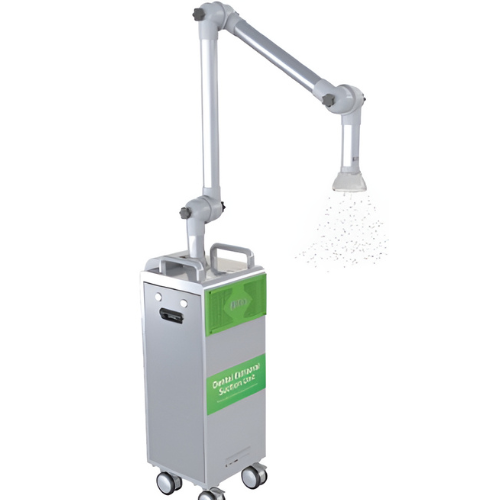
Professional Dental Equipment Guide 2026
Frequently Asked Questions: Extraoral Suction Machines
For Dental Clinics & Distributors
| Question | Answer |
|---|---|
| 1. What voltage requirements should I consider when purchasing an extraoral suction machine in 2026? | Extraoral suction machines in 2026 are typically designed for global compatibility. Standard models operate on 100–240V AC, 50/60 Hz, supporting use across North America, Europe, Asia, and other regions. Always verify the specific voltage rating on the nameplate and ensure compatibility with local electrical infrastructure. For clinics in areas with unstable power supply, integration with a voltage stabilizer or UPS is recommended to protect internal electronics and maintain performance. |
| 2. Are spare parts for extraoral suction machines readily available, and what are the lead times? | Reputable manufacturers now offer comprehensive spare parts programs with global distribution networks. Critical components such as HEPA/ULPA filters, collection canisters, flexible arms, motors, and control boards are generally available in regional warehouses. Lead times for standard parts are typically 3–7 business days; for specialized components, advance ordering is advised. Distributors should maintain a local inventory of high-wear items to minimize downtime. OEM parts are strongly recommended to ensure compliance with infection control and performance standards. |
| 3. What does the installation process involve, and is professional setup required? | Installation of modern extraoral suction units is designed for efficiency but requires trained personnel. The process includes site evaluation (clearance, power access, airflow), mechanical mounting (floor-standing or wall-mounted), electrical connection, and ductless filtration system activation. For ducted models, integration with existing exhaust systems may require HVAC coordination. Most manufacturers provide detailed installation manuals and remote support; on-site technician services are available through authorized distributors. Commissioning includes airflow calibration and safety checks to meet ISO 13485 and regional medical device standards. |
| 4. What is the standard warranty coverage for extraoral suction machines in 2026? | As of 2026, leading manufacturers offer a standard 2-year comprehensive warranty covering parts, labor, and motor performance. Extended warranty options (up to 5 years) are available for purchase. The warranty is valid only when the unit is installed by certified technicians, maintained per the service schedule, and used with genuine consumables. Coverage excludes damage from improper handling, power surges, or unauthorized modifications. Distributors receive separate support agreements to facilitate rapid service response for end-clinics. |
| 5. How are warranty claims processed, and what support is available during the warranty period? | Warranty claims are managed through the distributor or directly via the manufacturer’s service portal. Clinics must provide proof of purchase, installation records, and maintenance logs. Upon validation, technical support is offered remotely; if unresolved, an authorized field service engineer is dispatched within 48–72 hours (region-dependent). Loaner units may be provided during extended repairs. All service activities are documented in the device’s digital service history, accessible via QR code scan for audit and compliance purposes. |
© 2026 Professional Dental Equipment Guide. For authorized distribution only. Specifications subject to change without notice.
Need a Quote for Extraoral Suction Machine?
Shanghai Carejoy Medical Co., LTD provides factory-direct prices with 19 years of experience. (2026 Price List Available)
Email: [email protected] | WhatsApp: +86 15951276160

