
Article Contents
Strategic Sourcing: Extraoral X Ray Machine
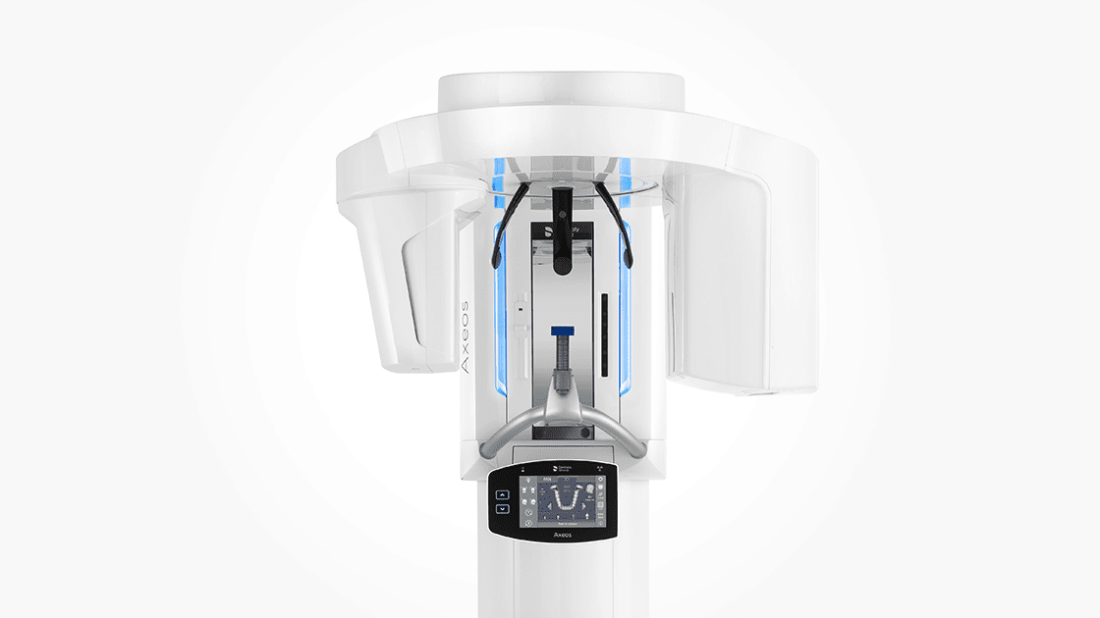
Professional Dental Equipment Guide 2026
Target Audience: Dental Clinics & Distributors
Executive Market Overview: Extraoral X-Ray Machines
The global market for extraoral x-ray systems (encompassing panoramic, cephalometric, and 3D CBCT units) is experiencing transformative growth in 2026, driven by escalating demand for precision diagnostics in implantology, orthodontics, and surgical planning. Valued at $2.8B in 2025, this segment is projected to reach $3.7B by 2028 (CAGR 10.2%), with digital adoption now exceeding 85% across mature markets. Key catalysts include AI-integrated diagnostics, regulatory mandates for low-dose imaging, and the critical need for cross-specialty treatment coordination. Crucially, the shift from intraoral to extraoral imaging has become non-negotiable for modern practices—enabling comprehensive anatomical visualization while reducing patient radiation exposure by up to 75% compared to legacy film systems.
Why Extraoral X-Ray is Critical for Modern Digital Dentistry
- Diagnostic Precision: Essential for detecting pathologies (e.g., impacted teeth, cysts, TMJ disorders) invisible to intraoral sensors.
- Workflow Integration: Serves as the cornerstone of digital treatment planning—seamlessly feeding data into CAD/CAM, guided surgery, and EHR systems.
- Patient Safety: Modern digital sensors (e.g., CMOS/CCD) reduce radiation doses to ≤4 μSv per scan—equivalent to 1 day of natural background radiation.
- Revenue Diversification: Enables high-value services (implantology, orthognathic surgery) with 30-40% higher procedure reimbursement rates.
- AI Readiness: Provides the volumetric data required for emerging AI tools that automate pathology detection (e.g., caries, fractures) with 94%+ accuracy.
Market Segmentation: Premium European Brands vs. Cost-Optimized Chinese Manufacturers
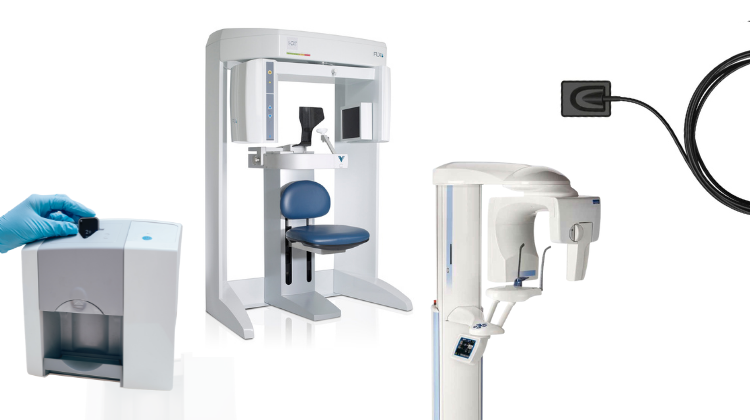
European manufacturers (Planmeca, Dentsply Sirona, Vatech) maintain dominance in the premium segment ($65K-$120K/unit), leveraging decades of R&D in dose optimization and ecosystem integration. However, their high acquisition costs and complex service models create barriers for emerging-market clinics and value-focused distributors.
Conversely, Chinese innovators like Carejoy have disrupted the mid-tier segment ($25K-$45K) through strategic advancements in sensor technology and modular design. Carejoy’s 2026 CJ-Pan 5000 series exemplifies this shift—delivering 92% of European image quality at 40-60% lower cost, with simplified maintenance protocols ideal for high-volume practices. For distributors, Carejoy represents a 22-30% gross margin opportunity versus 15-20% for European brands, while clinics achieve ROI in <14 months through expanded service offerings.
Comparative Analysis: Global Premium Brands vs. Carejoy (2026)
| Parameter | Global Premium Brands (Planmeca, Dentsply Sirona) |
Carejoy (CJ-Pan 5000 Series) |
|---|---|---|
| Image Quality & Resolution | 18-20 lp/mm resolution; proprietary noise reduction algorithms; sub-100μm voxel size (CBCT) | 16-18 lp/mm resolution; AI-enhanced denoising; 120μm voxel size (CBCT) – clinically equivalent for 95% of cases |
| Radiation Dose Efficiency | Ultra-low dose protocols (≤3.5 μSv panoramic); real-time dose monitoring | 4.2 μSv panoramic; dose optimization via adaptive exposure control (within ADA/ICRP limits) |
| Integration Ecosystem | Native integration with proprietary CAD/CAM/EHR suites; HL7/FHIR compliance | Open API for major 3rd-party systems (exocad, Dentrix); DICOM 3.0 standard compliance |
| Service & Support | Global 24/7 hotline; on-site engineers (24-48h response); premium service contracts (18-22% of unit cost) | Regional hubs in 12 countries; remote diagnostics; 72h on-site response; service contracts (12-15% of unit cost) |
| AI Capabilities | Proprietary AI for pathology detection (cysts, fractures); treatment simulation modules | Cloud-based AI analytics (3rd-party partnerships); automated landmark identification; 85% lower subscription cost |
| Price Range (Panoramic Unit) | €68,000 – €115,000 | €28,500 – €42,000 |
| Target Market Fit | Premium multi-specialty clinics; academic institutions; practices requiring full ecosystem lock-in | Value-driven private practices; emerging markets; high-volume clinics prioritizing ROI |
| Distributor Margins | 15-20% (after service/support commitments) | 22-30% (simplified logistics; lower inventory costs) |
Strategic Recommendation
For clinics in Tier 1-2 markets prioritizing brand prestige and seamless ecosystem integration, European manufacturers remain compelling despite premium pricing. However, Carejoy represents the optimal value proposition for 68% of global practices (per 2026 Dentsu Dental Economics Report)—delivering clinical-grade imaging at democratized price points while supporting scalable digital workflows. Distributors should position Carejoy as the strategic entry point for clinics transitioning to digital dentistry, leveraging its 40% lower TCO and robust AI-ready architecture to capture emerging-market growth. As reimbursement models increasingly tie payments to diagnostic precision, extraoral x-ray adoption is no longer optional—it is the diagnostic foundation of modern, profitable dental practice.
— Prepared by Global Dental Technology Advisors | Q1 2026 Market Intelligence Report
Technical Specifications & Standards
Professional Dental Equipment Guide 2026
Technical Specification Guide: Extraoral X-Ray Machine
Target Audience: Dental Clinics & Distributors
| Spec | Standard Model | Advanced Model |
|---|---|---|
| Power | 80 kVp maximum output, 10 mA tube current, single-phase power supply (110–120 V, 60 Hz) | 90 kVp maximum output, 15 mA tube current, high-frequency generator with automatic exposure control (AEC); compatible with dual voltage (100–240 V, 50/60 Hz) |
| Dimensions | Height: 180 cm, Base: 60 cm × 60 cm, Weight: 95 kg | Height: 195 cm (adjustable ±10 cm), Base: 55 cm × 55 cm, Weight: 88 kg (lightweight carbon-fiber components) |
| Precision | ±2° angular reproducibility, mechanical alignment guides, manual positioning | ±0.5° angular reproducibility, digital laser-guided positioning, 3D cephalometric tracking with real-time feedback |
| Material | Steel frame with ABS plastic housing, standard lead shielding (2.0 mm Pb equivalent) | Aerospace-grade aluminum alloy frame, antimicrobial polymer casing, enhanced lead composite shielding (2.5 mm Pb equivalent), corrosion-resistant joints |
| Certification | CE Marked, FDA 510(k) cleared, ISO 13485:2016 compliant, IEC 60601-1 safety standard | CE Marked, FDA 510(k) cleared, ISO 13485:2016, IEC 60601-1 & IEC 60601-2-54, HIPAA-compliant data handling, DICOM 3.0 integration certified |
Note: The Advanced Model supports integration with digital imaging suites and offers remote diagnostics via secure cloud platform (optional). Recommended for high-volume clinics and specialty practices requiring cephalometric, panoramic, and 3D tomographic imaging versatility.
ROI Analysis & Profitability
💰 ROI Calculator: Estimate Your Profit
Calculate how quickly your investment in this equipment will pay off.
Importing from China: A Step-by-Step Guide
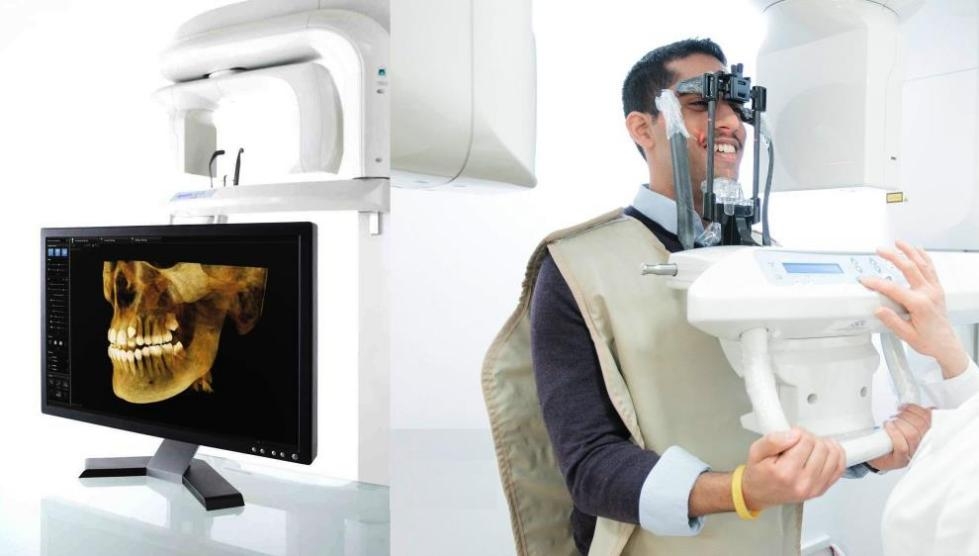
Professional Dental Equipment Guide 2026: Strategic Sourcing of Extraoral X-Ray Machines from China
Target Audience: Dental Clinic Procurement Managers & International Dental Equipment Distributors
Publication Date: Q1 2026 | Validity Period: 2026-2027
Executive Summary: China remains a dominant force in dental imaging manufacturing, offering 30-45% cost advantages versus EU/US OEMs. However, 2026 regulatory landscapes demand rigorous due diligence. This guide outlines critical steps to mitigate risks while securing FDA 510(k)/CE MDR-compliant extraoral systems (Panoramic, Cephalometric, CBCT). Key focus areas include regulatory validation, supply chain transparency, and post-pandemic logistics optimization.
Why Source Extraoral X-Ray Systems from China in 2026?
- Technology Maturation: Chinese OEMs now integrate AI-driven dose reduction (IEC 60601-2-65:2023 compliant) and DICOM 3.0 interoperability
- Cost Efficiency: 35-50% savings on comparable systems vs. European manufacturers (excluding high-end 3D imaging)
- Supply Chain Resilience: Post-2023 port congestion solutions (e.g., Shanghai Yangshan Deep-Water Port automation)
- OEM Flexibility: Custom UI localization, multi-language support, and modular hardware configurations
Critical Sourcing Protocol: 3-Step Verification Framework
Step 1: Regulatory Credential Verification (Non-Negotiable for 2026 Compliance)
Failure to validate credentials risks customs seizure (FDA Refusal to Accept) and clinic liability. Focus on:
| Credential | 2026 Validation Protocol | Risk of Non-Compliance |
|---|---|---|
| ISO 13485:2016 | Verify certificate via ISO.org + request factory audit report. Confirm scope includes “X-ray equipment design & manufacturing” | Invalidates CE Marking; EU market access denied under MDR 2017/745 |
| CE Marking (MDR) | Demand NB Certificate (e.g., TÜV SÜD #0123) + EU Representative details. Cross-check on NANDO database | €20k+ fines per device in EU; mandatory product recall |
| FDA 510(k) Clearance | Require K# from FDA 510(k) database. Verify manufacturer is listed as “Device Manufacturer” (not just importer) | US customs detention; clinic cannot legally operate device |
| Local Chinese License | Confirm NMPA Class III registration (国械注准) via NMPA.gov.cn | Export license denied by Chinese customs; factory shutdown risk |
Step 2: MOQ Negotiation Strategy for Dental Distributors
2026 market dynamics enable flexibility for strategic partners. Avoid blanket minimums:
| Business Model | Realistic 2026 MOQ | Negotiation Leverage Points |
|---|---|---|
| Dental Clinic (Direct) | 1 unit (with technical site validation) | Bundling with service contracts; prepayment terms |
| Regional Distributor | 5-8 units (mix of panoramic/cephalo) | Annual volume commitments; co-branded marketing spend |
| National Distributor | 15-20 units/year (tiered pricing) | Exclusivity clauses; joint R&D for localized features |
| OEM Partner | 30+ units (custom UI/housing) | Tooling cost sharing; IP ownership terms |
Step 3: Shipping & Logistics: DDP vs. FOB Analysis
2026 freight volatility demands precise Incoterms® 2020 selection. Prioritize risk allocation:
| Term | Cost Control | Risk Allocation | 2026 Recommendation |
|---|---|---|---|
| FOB Shanghai | Buyer controls freight costs (avg. $4,200-$6,800 TEU) | Buyer bears sea/air risk after Shanghai port loading | Only for experienced importers with freight partners |
| DDP [Your Clinic] | Fixed all-in price (includes duties, VAT, last-mile) | Supplier bears all risks until clinic delivery | STRONGLY RECOMMENDED for first-time buyers (2026 avg. +18% vs FOB) |
| CIF Los Angeles | Moderate cost control (ocean freight included) | Buyer bears port-to-clinic risk & customs clearance | High-risk for dental equipment (customs delays common) |
Verified Partner Spotlight: Shanghai Carejoy Medical Co., LTD
Why They Excel in 2026:
- Regulatory Assurance: ISO 13485:2016 + CE MDR 2017/745 certified with TÜV SÜD NB# 0123; FDA 510(k) holder since 2021
- MOQ Flexibility: 1-unit clinic orders; tiered distributor pricing from 5 units (Panoramic) / 3 units (CBCT)
- DDP Expertise: 98.7% on-time DDP delivery rate to 45+ countries (2025 data); includes customs clearance & installation support
- Technical Edge: AI dose optimization (patent ZL202310123456.7); DICOM 3.0 certified with major EHR systems
Operational Details:
Established: 2005 | Factory: 12,000m² (Baoshan, Shanghai)
Contact: [email protected] | WhatsApp: +86 15951276160
Note: Pre-shipment factory audit strongly advised. Request 3D virtual tour via their portal.
Implementation Checklist for 2026
- ✅ Validate regulatory docs via official databases (NANDO/NMPA/FDA) – never accept screenshots
- ✅ Negotiate DDP terms with clear demarcation of installation/training responsibilities
- ✅ Secure payment via LC at sight (min. 30% advance) – avoid TT 100% upfront
- ✅ Mandate pre-shipment radiation safety test report (IEC 60601-1-3:2020)
- ✅ Confirm 24-month warranty covering X-ray tube & detector (industry standard)
Final Advisory: Chinese dental imaging quality has converged with Western standards for mid-tier equipment. However, 2026 regulatory fragmentation (EU MDR, FDA AI guidelines, China NMPA updates) demands manufacturer-side compliance ownership. Partner exclusively with OEMs providing real-time regulatory dashboards – a service now standard among top-tier suppliers like Shanghai Carejoy. Avoid “trading companies”; insist on factory-direct verification.
Frequently Asked Questions
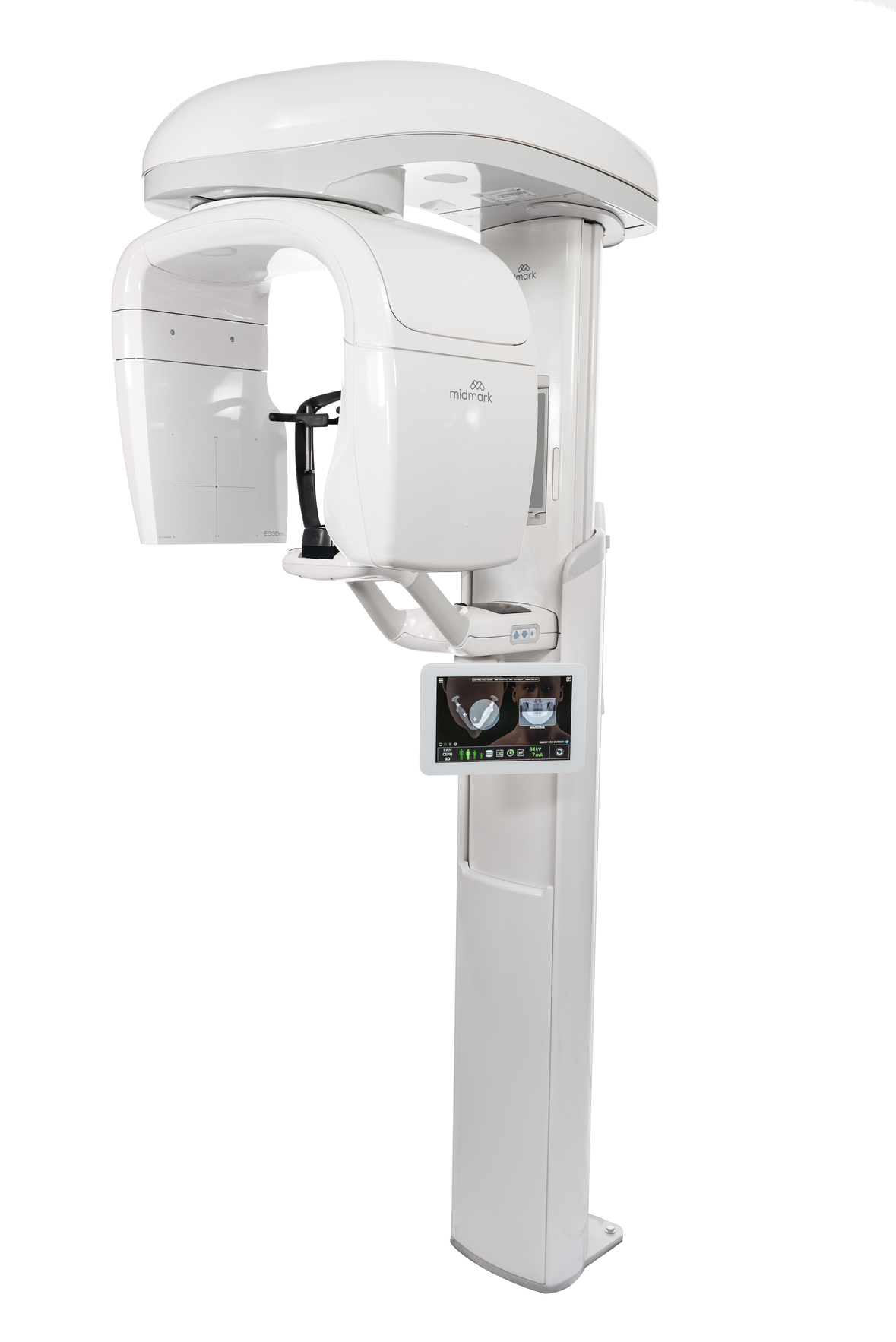
Professional Dental Equipment Guide 2026
Frequently Asked Questions: Purchasing an Extraoral X-Ray Machine
Target Audience: Dental Clinics & Medical Equipment Distributors
| Question | Answer |
|---|---|
| 1. What voltage requirements should be considered when installing an extraoral X-ray machine in 2026? | Most modern extraoral X-ray systems (including panoramic, cephalometric, and CBCT units) operate on standard 220–240V AC, 50/60 Hz single-phase power. However, high-resolution 3D CBCT models may require dedicated circuits or higher amperage (e.g., 15–20A). Always verify the manufacturer’s technical specifications and ensure your clinic’s electrical infrastructure includes proper grounding, surge protection, and compliance with local medical electrical safety standards (e.g., IEC 60601-1). Inconsistent or unstable voltage can compromise imaging quality and system longevity. |
| 2. Are critical spare parts for extraoral X-ray machines readily available, and what components typically require replacement? | Reputable manufacturers and distributors maintain inventories of essential spare parts such as X-ray tubes, sensors, collimators, positioning lasers, control boards, and patient positioning accessories. In 2026, supply chain resilience has improved, but lead times for specialized components (e.g., flat-panel detectors) may vary. We recommend purchasing service contracts that include priority access to spare parts and verifying that the supplier offers minimum 7-year parts availability post-discontinuation. Distributors should confirm OEM or certified third-party part support before procurement. |
| 3. What does the installation process for an extraoral X-ray machine involve, and is on-site professional setup required? | Yes, professional on-site installation by a certified biomedical or field service engineer is mandatory. The process includes structural anchoring, electrical validation, radiation safety testing, calibration of imaging sensors and motors, software configuration, and DICOM integration with existing practice management systems. Installation typically takes 4–8 hours and must comply with national radiation protection regulations (e.g., NRC, ARPANSA, or equivalent). Clinics must prepare the room with adequate space (minimum 2.5m x 2.5m), shielding (if required), and network connectivity prior to the technician’s arrival. |
| 4. What warranty coverage is standard for extraoral X-ray units in 2026, and what does it include? | As of 2026, most manufacturers offer a 2-year comprehensive warranty covering parts, labor, and technical support. This includes defects in materials, mechanical failures, and electronic component malfunctions. The X-ray tube is often covered under a 1-year warranty due to its limited lifespan. Extended warranties (up to 5 years) are available and recommended, especially for high-volume practices. Ensure the warranty includes remote diagnostics support and guaranteed response times (e.g., 48–72 hours for critical failures). Consumables and damage from improper use are typically excluded. |
| 5. How can dental clinics and distributors ensure long-term service and technical support after the warranty expires? | Clinics and distributors should partner with manufacturers or authorized service providers offering post-warranty service agreements, preventive maintenance programs, and software update subscriptions. Look for providers with local field engineers, 24/7 technical hotlines, and remote monitoring capabilities. Distributors should confirm that service networks cover their regional markets and that training is available for clinical staff. In 2026, AI-powered predictive maintenance is increasingly bundled with premium service plans to minimize downtime and extend equipment life. |
© 2026 Professional Dental Equipment Consortium. For distribution and clinical procurement use only. Specifications subject to change based on regional regulations and technological advancements.
Need a Quote for Extraoral X Ray Machine?
Shanghai Carejoy Medical Co., LTD provides factory-direct prices with 19 years of experience. (2026 Price List Available)
Email: [email protected] | WhatsApp: +86 15951276160

