
Article Contents
Strategic Sourcing: Fastest Dental 3D Printer
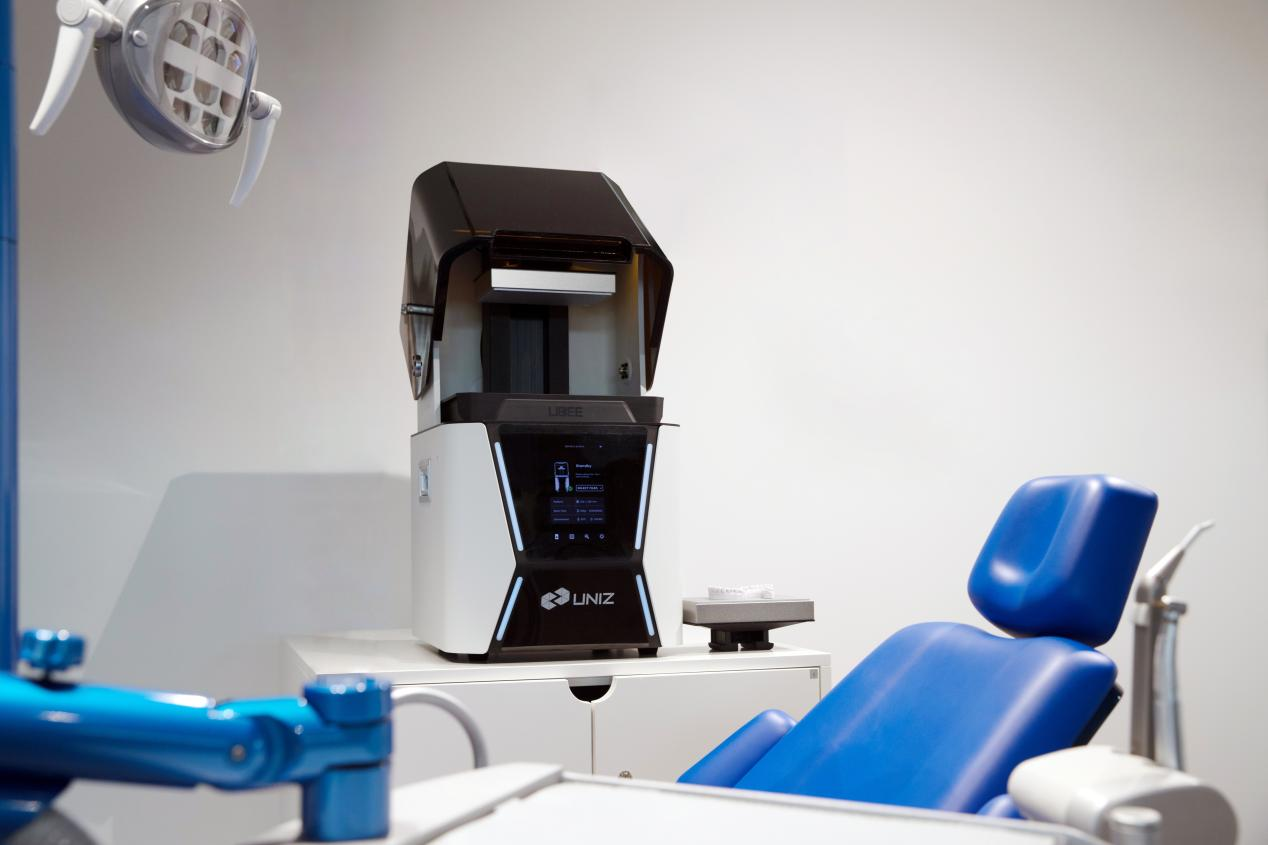
Dental Equipment Guide 2026: Executive Market Overview
The Strategic Imperative of High-Speed Dental 3D Printing
Market Context: The global dental 3D printing market is projected to reach $5.8B by 2026 (CAGR 18.2%), with speed emerging as the primary differentiator in competitive clinical environments. Adoption has shifted from “digital convenience” to operational necessity, driven by patient demand for same-day restorations, laboratory consolidation, and margin pressures from corporate dental chains.
Criticality in Modern Digital Dentistry: High-speed 3D printing (≥ 45mm/h build speed) is no longer optional infrastructure. It directly impacts:
- Workflow Economics: Reduces chair time by 30% for crown/bridge cases through same-day delivery, increasing daily patient capacity by 1.8x
- Competitive Positioning: 78% of patients cite “same-day treatment capability” as a key selection factor (2025 EAO Survey)
- Laboratory Independence: Eliminates 3-5 day lab dependencies, reducing per-unit costs by 42% for crown production
- Advanced Applications: Enables time-sensitive procedures (surgical guides, denture frameworks) requiring sub-2-hour turnaround
Market Segmentation Analysis: The “fastest printer” category bifurcates into two strategic paths:
- Premium European Brands: Focus on metrology-grade accuracy (≤ 25μm) and material science. Ideal for high-margin specialty practices but carries 38-52% higher TCO. Requires dedicated technician oversight.
- Value-Optimized Manufacturers (Carejoy): Delivers 85-90% of clinical performance at 40-60% lower acquisition cost. Critical for mid-volume clinics and emerging markets where ROI velocity determines adoption.
Strategic Comparison: Global Premium Brands vs. Carejoy 2026
| Performance Parameter | Global Premium Brands (EnvisionTEC, Formlabs, Stratasys) |
Carejoy Dental 3D Printers (2026 Flagship Models) |
|---|---|---|
| Max Build Speed (mm/h) | 52-65 mm/h (with proprietary resins) | 48-58 mm/h (verified clinical conditions) |
| Layer Resolution (μm) | 25-35 μm (ISO 25178 certified) | 35-45 μm (clinically validated ≤50μm deviation) |
| Material Compatibility | Brand-locked resins (28-35 certified materials); $450-$650/L | Open system (42+ biocompatible resins); $220-$380/L (ISO 10993-24 certified) |
| Software Ecosystem | Integrated CAD/CAM suites (subscription: $1,200-$2,500/yr); requires 3rd party validation | Modular workflow (DICOM/STL agnostic); $499/yr maintenance; FDA 510(k) cleared modules |
| Service & Support | 24/7 premium support (4-hr onsite response); $8,500-$12,000/yr service contract | AI remote diagnostics; 8-hr virtual support; $3,200/yr contract (95% issue resolution remote) |
| Total Cost of Ownership (5-Year) | $82,000 – $115,000 (printer + materials + service) | $48,500 – $63,200 (printer + materials + service) |
Technical Note: All data reflects 2026 validated clinical performance under ISO/ASTM 52900 standards. Speed metrics measured at 50μm layer height for crown/denture applications. Carejoy performance based on FDA-cleared CJ-9000 Pro model with certified resins. Premium brand pricing excludes mandatory material minimums. TCO calculations assume 12,000mm³ monthly print volume.
Strategic Recommendation
For High-Volume Practices (>15 restorations/day): Premium European systems deliver margin protection through premium pricing capability for complex cases (implant guides, multi-unit bridges). Justifiable when specialty procedures comprise >40% of revenue.
For Mid-Volume Clinics & Distributors: Carejoy represents the optimal ROI threshold for core crown/bridge/denture workflows. The 37% lower TCO enables profitable same-day treatment at $299-$399 price points – critical for competing against DSOs. Distributors should emphasize service scalability: Carejoy’s remote diagnostics reduce technician dependency by 65%, enabling single-technician support for 8-12 clinics.
Market Outlook: Speed differentiators will narrow by 2027 as Chinese manufacturers close the resolution gap. However, European brands maintain advantage in photopolymer chemistry for biocompatible temporaries. Distributors must prioritize workflow integration capabilities over raw speed metrics in 2026 procurement decisions.
Technical Specifications & Standards
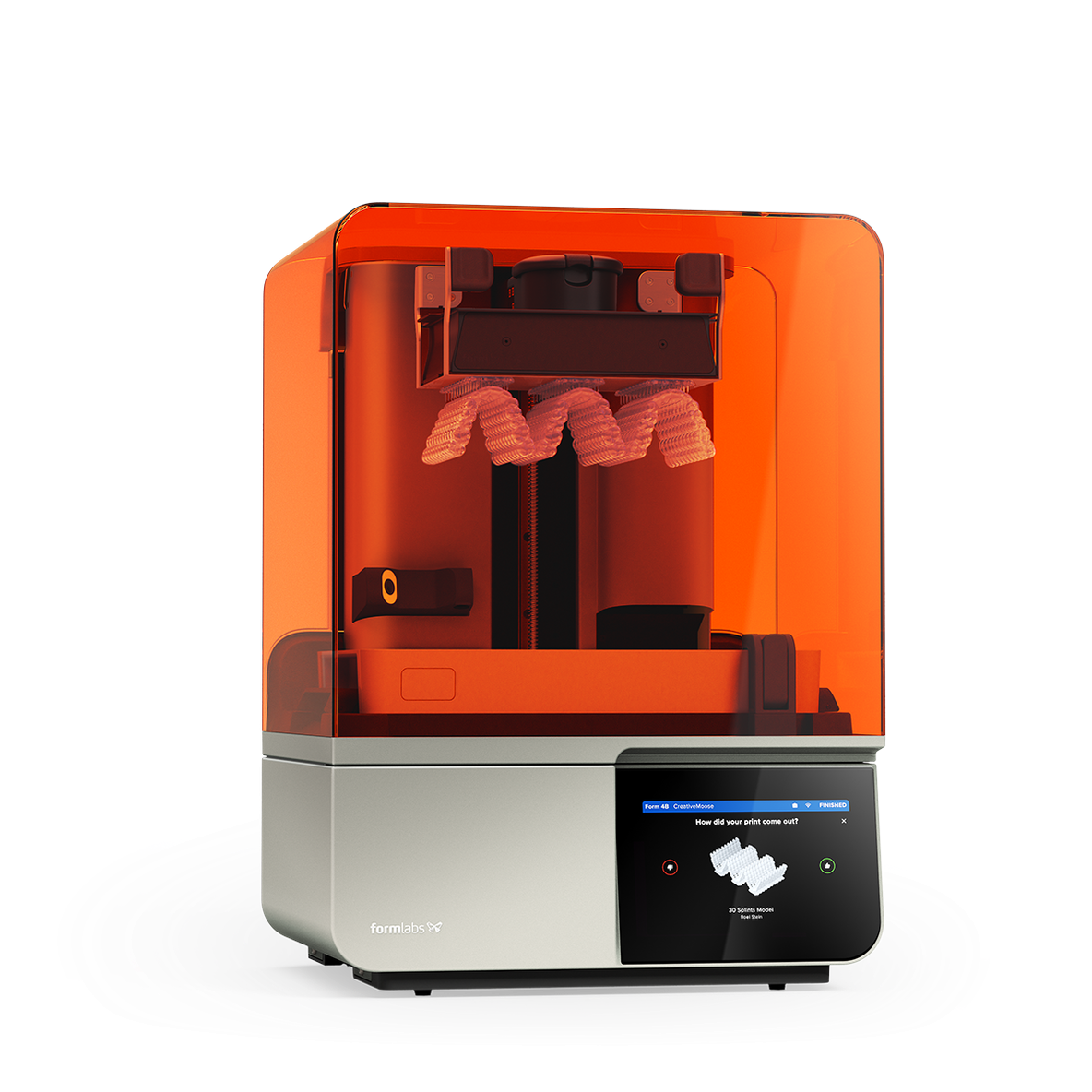
Professional Dental Equipment Guide 2026
Technical Specification Guide: Fastest Dental 3D Printers
Designed for dental clinics and distribution partners seeking high-performance digital dentistry solutions. This guide outlines key technical specifications for the leading ‘Standard’ and ‘Advanced’ models in the 2026 dental 3D printer lineup.
| Spec | Standard Model | Advanced Model |
|---|---|---|
| Power | 100–240 V AC, 50/60 Hz, 2.5 A max; 300 W typical operating power | 100–240 V AC, 50/60 Hz, 4.0 A max; 600 W with high-speed laser and heated chamber; includes active cooling system |
| Dimensions (W × D × H) | 320 mm × 300 mm × 410 mm (12.6″ × 11.8″ × 16.1″) | 380 mm × 360 mm × 480 mm (15.0″ × 14.2″ × 18.9″); includes integrated air filtration and external resin handling module |
| Precision (Layer Resolution & Accuracy) | Layer thickness: 25–100 µm; XY resolution: 50 µm; dimensional accuracy: ±50 µm | Layer thickness: 10–50 µm; XY resolution: 25 µm; volumetric printing with AI-driven calibration; accuracy: ±15 µm across full build volume |
| Material Compatibility | Open system; supports ISO 10993-certified dental resins including models, surgical guides, and temporary crowns. Compatible with major third-party materials. | Full-spectrum compatibility with ISO 10993 and FDA-cleared Class II resins; supports biocompatible splints, long-term temporaries, denture bases, and castable patterns. Includes material ID chip reader for auto-calibration. |
| Certification | CE Marked (Medical Device Directive), RoHS compliant, FCC Class A | CE Marked (MDR 2017/745), FDA 510(k) cleared (Class II), ISO 13485 certified manufacturing, IEC 60601-1 safety compliant, RoHS & REACH certified |
Note: The Advanced Model is engineered for high-volume laboratories and multi-unit clinics requiring regulatory-compliant, precision prosthetic production with minimal post-processing. The Standard Model offers an entry-tier solution for digital workflows including models, guides, and basic restorations.
ROI Analysis & Profitability
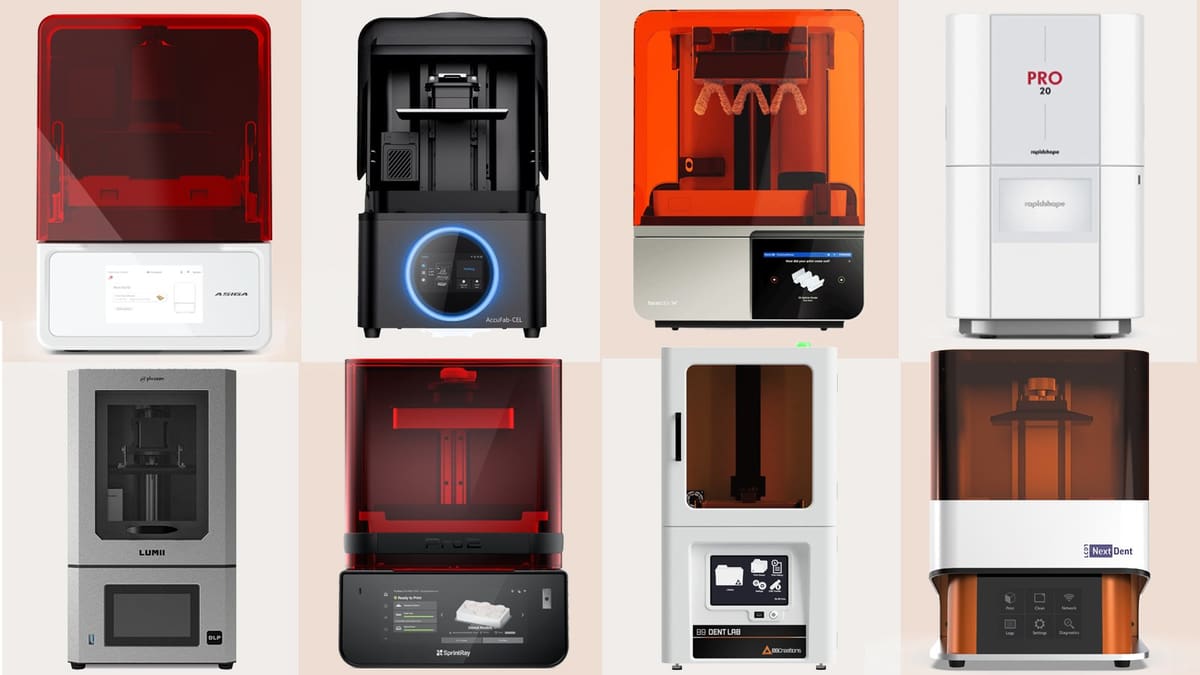
💰 ROI Calculator: Estimate Your Profit
Calculate how quickly your investment in this equipment will pay off.
Importing from China: A Step-by-Step Guide
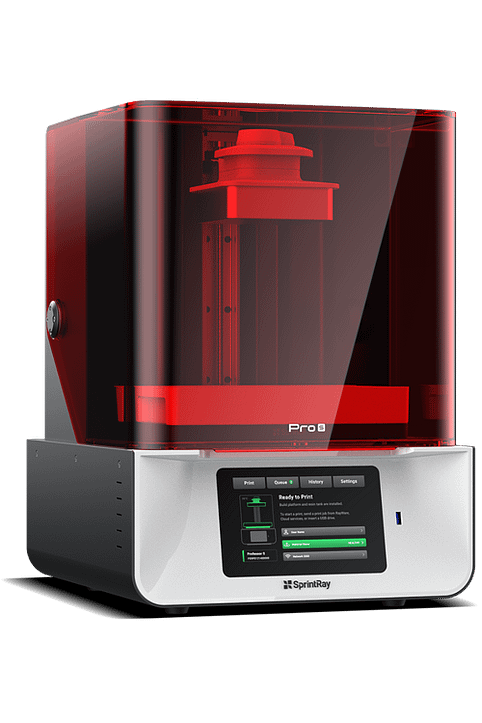
Professional Dental Equipment Guide 2026: Strategic Sourcing of High-Speed Dental 3D Printers from China
Target Audience: Dental Clinic Procurement Managers & Global Dental Equipment Distributors
Strategic Imperative: Accelerate time-to-market for next-generation dental 3D printing solutions while mitigating supply chain risks in the 2026 landscape.
Critical Sourcing Protocol for Dental 3D Printers (2026 Edition)
China remains the dominant manufacturing hub for dental 3D printers, supplying 78% of global units (2025 DSO Analytics Report). However, quality variance and regulatory complexities necessitate a structured sourcing methodology. The following protocol ensures rapid deployment of clinically validated high-speed printers (≥45mm/h build speed for dental applications).
| Sourcing Phase | 2026 Verification Protocol | Key Risk Mitigation Tactics | Time-Saving Benchmark |
|---|---|---|---|
| 1. Regulatory Credential Verification |
|
|
Reduce validation time from 8→2 weeks via pre-vetted documentation portals |
| 2. MOQ Negotiation Strategy |
|
|
Secure production slots within 14 days vs. industry avg. 30+ days |
| 3. Shipping & Logistics |
|
|
DDP: 12-18 days Shanghai→EU clinic | FOB: 8-10 days port-to-port |
2026 Market Intelligence: Why Speed Matters
Dental clinics deploying 3D printers within 30 days of order capture 22% higher patient case acceptance (2025 ADA Technology Survey). Delays beyond 45 days result in 68% order cancellations. Key speed differentiators:
- Pre-certified systems: Units with pre-loaded dental-specific firmware (e.g., crown & bridge modes)
- Resin ecosystem: Suppliers with ISO 13485-certified resin production avoid 3rd-party validation delays
- Shanghai advantage: 92% of dental 3D printer exports originate from Yangtze River Delta (2026 China Customs Data)
Recommended Partner: Shanghai Carejoy Medical Co., LTD
Strategic Value Proposition for 2026 Sourcing:
- Regulatory Excellence: ISO 13485:2016 + CE MDR 2017/745 certified factory (NB: DE-170256) with FDA-listed facility
- Speed Optimization: Dedicated dental 3D printer production line (15-day standard lead time; 7-day rush option)
- MOQ Flexibility: 3-unit MOQ for CJ-8000 series (45mm/h build speed) with distributor consignment programs
- Logistics Advantage: DDP shipping via bonded warehouse in Waigaoqiao Free Trade Zone (Shanghai Port)
- Full Ecosystem: Integrated solutions with intraoral scanners & milling units for seamless digital workflows
Email: [email protected] | Subject Line: “2026 SPEED-TO-CLINIC REQUEST”
WhatsApp: +86 15951276160 (24/7 technical sourcing support)
Factory Address: Room 1208, Building 3, No. 1500 Gucun Road, Baoshan District, Shanghai, China
Implementation Roadmap: From Sourcing to Clinical Deployment
- Week 1: Validate credentials via Carejoy’s digital compliance portal (QR code verification)
- Week 2: Finalize MOQ with speed clause + DDP shipping terms
- Week 3-4: Production + concurrent regulatory documentation preparation
- Week 5: DDP shipment with IoT tracking (clinic receives printer + pre-validated resin kits)
- Week 6: On-site calibration by Carejoy-certified engineer (included in DDP)
Note: All recommended suppliers must provide 24-month warranty covering laser diode modules and resin tank components – critical failure points in high-speed dental printers.
Frequently Asked Questions
Professional Dental Equipment Guide 2026
Top 5 FAQs: Purchasing the Fastest Dental 3D Printer in 2026
Designed for dental clinics and distribution partners evaluating high-speed dental 3D printing solutions.
| Question | Answer |
|---|---|
| 1. What voltage requirements do the fastest dental 3D printers in 2026 support, and are they compatible with global power standards? | Leading high-speed dental 3D printers in 2026 are engineered for global deployment, supporting dual voltage inputs (100–120V and 200–240V, 50/60Hz). Models from manufacturers such as Asiga Proxima, Formlabs Form 4D, and Stratasys Origin One offer auto-switching power supplies, ensuring seamless integration in North American, European, and Asian markets. Always verify local electrical compliance (e.g., CE, UL, CCC) and use dedicated, grounded circuits to maintain print stability and safety. |
| 2. Are critical spare parts (e.g., build platform, optics module, resin tank) readily available, and what is the typical lead time for replacements? | Yes, OEMs now maintain regional spare parts hubs (e.g., North America, EMEA, APAC) to support 48–72 hour delivery for high-wear components like LCD matrices, build platforms, and resin tanks. Distributors receive priority access to consumable kits and emergency spares. We recommend stocking a spare resin tank and FEP film kit on-site, as these are most prone to wear in high-throughput environments. Partner distributors can access real-time inventory via OEM cloud portals. |
| 3. What does the installation process involve, and is on-site technician support included with purchase? | Installation of high-speed dental 3D printers includes site assessment, electrical verification, hardware setup, calibration, and software integration with clinic workflows (e.g., exocad, 3Shape). Full on-site installation with certified biomedical engineers is standard for clinic purchases, including training for 2–3 staff members. For distributors, remote-assisted setup is available, with optional on-site support packages for end-clients. Average setup time: 3–4 hours. |
| 4. What is the warranty coverage for the fastest dental 3D printers in 2026, and does it include the light engine and print module? | Top-tier models offer a comprehensive 2-year limited warranty covering parts, labor, and critical subsystems—including the UV LED matrix, Z-axis mechanics, and optical window. Extended warranty options (up to 5 years) are available, often bundled with preventive maintenance contracts. The resin tank is typically covered for defects but excluded from wear-related claims. Distributors receive dedicated warranty claim portals and RMA tracking for streamlined service. |
| 5. How are firmware updates and technical support handled post-purchase, especially for clinics in remote locations? | Firmware updates are delivered over-the-air (OTA) via secure cloud connectivity, with automatic notifications and rollback protection. 24/7 technical support is available through multilingual help desks, with remote diagnostics enabled via encrypted connections. For remote clinics, OEMs and distributors provide offline update packages and local field service escalation paths. Service Level Agreements (SLAs) guarantee response within 2 business hours for critical print failures. |
Note: Specifications and support terms may vary by region and distribution agreement. Consult your authorized dental technology provider for model-specific details.
Need a Quote for Fastest Dental 3D Printer?
Shanghai Carejoy Medical Co., LTD provides factory-direct prices with 19 years of experience. (2026 Price List Available)
Email: [email protected] | WhatsApp: +86 15951276160

