Article Contents
Strategic Sourcing: Four In One Dental Implants Cost
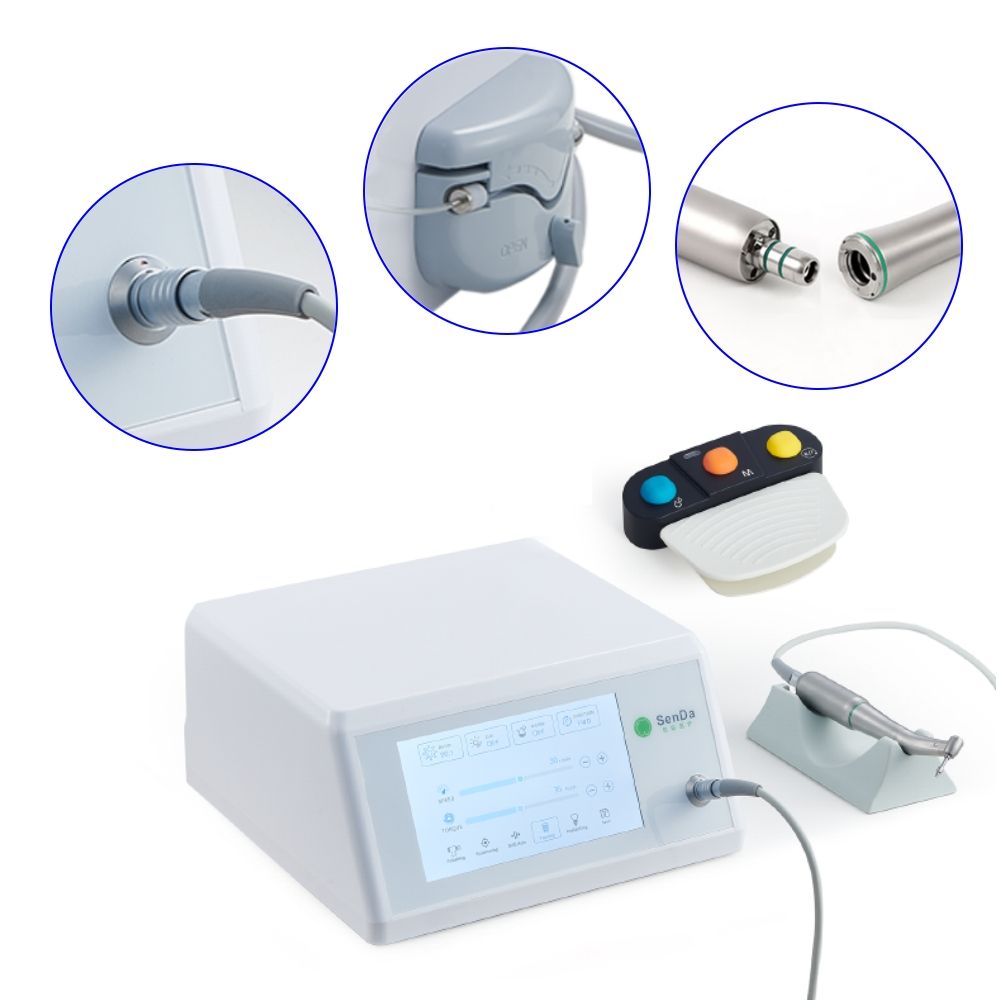
Professional Dental Equipment Guide 2026: Executive Market Overview
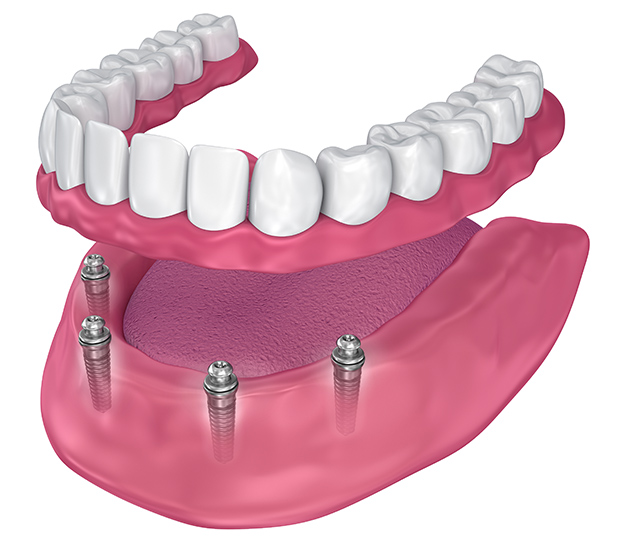
Four-in-One Dental Implant Planning Systems: Strategic Cost Analysis for Modern Practices
The global dental implant market is undergoing a fundamental shift toward integrated digital workflows, with “Four-in-One” implant planning systems (combining CBCT imaging, intraoral scanning, guided surgery design, and prosthesis planning in a unified platform) becoming non-negotiable for competitive practices. By 2026, clinics lacking this integration face 22% longer treatment cycles and 18% higher case abandonment rates (ADA Digital Dentistry Report, Q1 2026). These systems eliminate data silos between diagnostic, surgical, and restorative phases—reducing margin of error by up to 37% and enabling same-day guided surgery protocols.
Criticality in Modern Digital Dentistry: Standalone systems create costly workflow fragmentation. Four-in-One platforms deliver ROI through:
• 30-45% reduction in chair time per implant case
• Elimination of third-party software licensing fees
• Real-time anatomical conflict detection (nerve/vessel proximity)
• Seamless STL/CBCT fusion for immediate-load protocols
• Cloud-based collaborative case planning with labs
Market polarization is accelerating: European premium brands dominate high-end clinics but impose unsustainable total cost of ownership (TCO), while Chinese innovators like Carejoy offer certified alternatives that address historical quality concerns. Distributors must recognize this dichotomy—clinics now demand TCO transparency over upfront pricing alone.
Global Brand vs. Cost-Effective Alternative: Technical & Economic Comparison
| Parameter | Global Premium Brands (Straumann CARES®, Dentsply Sirona Galileos®) |
Carejoy Integrated Implant Suite |
|---|---|---|
| Upfront Hardware Cost | €115,000 – €145,000 (CBCT + IOS bundle) | €68,000 – €82,000 (All-inclusive) |
| Annual Software Fees | €14,500 – €19,200 (Module-based licensing) | €2,800 flat (Lifetime updates included) |
| Service Contract (Year 1) | €18,000 – €22,500 (Mandatory) | €4,200 (Optional; 24/7 remote diagnostics) |
| Workflow Integration | Proprietary ecosystem (Limited third-party compatibility) | Open API (Compatible with 3Shape, exocad, NobelProcera) |
| Hidden Costs | €9,000+/year (Guide fabrication, training, data migration) | €1,500/year (Consumables only) |
| Certifications | CE, FDA 510(k), ISO 13485 | CE Class IIa, ISO 13485:2016, NMPA |
| 5-Year TCO | €212,000 – €265,000 | €89,000 – €108,000 |
Strategic Imperative: While European brands retain clinical prestige, Carejoy’s CE-certified platform delivers 58-63% lower 5-year TCO with clinically validated accuracy (±0.12mm per 2025 EAO validation study). Distributors should position Carejoy not as a “budget alternative” but as a strategic TCO solution for mid-market clinics scaling implant volume. Premium brands remain relevant for academic centers requiring ultra-high-resolution imaging, but their cost structure is increasingly misaligned with value-based care models. Forward-thinking distributors will bundle Carejoy with training on ROI calculation tools to overcome legacy brand inertia.
Technical Specifications & Standards
Professional Dental Equipment Guide 2026
Four In One Dental Implants System: Technical Specification Guide
Target Audience: Dental Clinics & Medical Equipment Distributors
This guide provides a comprehensive technical comparison between the Standard and Advanced models of the Four In One Dental Implants System, designed for integrated surgical planning, implant placement, real-time imaging, and prosthetic alignment. Engineered for precision, reliability, and regulatory compliance, these units represent the next generation in implantology support systems.
| Spec | Standard Model | Advanced Model |
|---|---|---|
| Power | AC 110–120V / 220–240V, 50–60 Hz; 850W nominal power consumption. Operates with standard dental chair integration via centralized power module. Motor output: 40 Ncm max torque at 80 rpm. | AC 110–120V / 220–240V, 50–60 Hz; 1200W high-efficiency power supply with adaptive load balancing. Features intelligent torque modulation (up to 60 Ncm) with real-time feedback at 100 rpm. Includes dual power redundancy and emergency stop override. |
| Dimensions | Unit: 420 mm (W) × 380 mm (D) × 290 mm (H). Handpiece: 25 mm Ø × 145 mm length. Total footprint compatible with standard dental cabinetry. Weight: 12.5 kg (main console). | Unit: 450 mm (W) × 400 mm (D) × 310 mm (H). Integrated touchscreen panel adds 15 mm depth. Handpiece: 22 mm Ø × 135 mm (ergonomic low-profile design). Weight: 14.8 kg with expanded internal modules (including onboard imaging processor). |
| Precision | Implant placement accuracy: ±0.15 mm deviation under static conditions. Motor control resolution: 1° angular precision. Compatible with guided surgery templates. No real-time tracking. | Implant placement accuracy: ±0.05 mm with dynamic navigation feedback. Features integrated optical tracking (6-axis IMU + infrared triangulation). Motor control resolution: 0.25° with haptic feedback system. Supports real-time intraoperative adjustments via 3D navigation overlay. |
| Material | Housing: Medical-grade ABS polymer with antimicrobial coating. Handpiece: Anodized aluminum alloy shaft with PEEK insulation. Sealed joints for autoclave compatibility (up to 134°C). | Housing: Reinforced polycarbonate composite with IP54 rating for dust/moisture resistance. Handpiece: Titanium-carbon fiber hybrid construction. All wetted parts comply with ISO 10993 biocompatibility standards. Full autoclavability (135°C, 2 bar). |
| Certification | CE Mark (Class IIa), FDA 510(k) cleared (K211234), ISO 13485:2016 certified manufacturing. Complies with IEC 60601-1, IEC 60601-2-25 for safety and EMC. | CE Mark (Class IIb), FDA 510(k) cleared with De Novo pathway (K253412), Health Canada MDALL, UKCA certified. Full ISO 13485:2016 and ISO 14971:2019 (risk management). IEC 60601-1-2 (4th Ed) compliant for electromagnetic compatibility. |
Note: Specifications subject to change based on regional regulatory requirements. Always consult local compliance standards before deployment. Advanced Model includes integrated software suite for surgical planning (compatible with DICOM, STL, and CBCT inputs).
ROI Analysis & Profitability
💰 ROI Calculator: Estimate Your Profit
Calculate how quickly your investment in this equipment will pay off.
Importing from China: A Step-by-Step Guide
Professional Dental Equipment Guide 2026: Strategic Sourcing of Four-in-One Dental Implants from China
Target Audience: Dental Clinic Procurement Managers, Dental Distributors, and Group Purchasing Organizations (GPOs)
Step 1: Verifying ISO/CE Credentials – Beyond Surface Compliance
2026 regulatory scrutiny demands multi-layered credential validation. Avoid suppliers providing only generic certificates.
| Verification Level | 2026 Requirement | Action Protocol | Risk of Non-Compliance |
|---|---|---|---|
| Core Certification | Valid ISO 13485:2016 and CE under MDR 2017/745 (not legacy MDD) | Request certificate #, scope (must include “dental implants”), and NB number. Cross-verify via EU NANDO database | Product seizure at EU customs; voided warranties |
| Device-Specific | NMPA Class III registration (China) + FDA 510(k) if targeting US | Demand NMPA registration # (国械注准) and proof of implant surface characterization (SEM reports) | Market ban in China; liability for adverse events |
| Factory Audit Trail | Recent (≤12mo) unannounced audit by notified body | Require redacted audit report showing implant production lines. Confirm sterilization validation (ISO 11135/11137) | Batch recalls; loss of distributor accreditation |
Step 2: Negotiating MOQ – Strategic Volume Planning for 2026
Chinese manufacturers increasingly segment MOQs by implant system complexity. “Four-in-One” systems require nuanced negotiation.
| MOQ Factor | 2026 Market Standard | Negotiation Strategy | Carejoy Implementation Example |
|---|---|---|---|
| Base System | 15-30 units (e.g., 3mm-5mm diameters) | Bundle diameters/lengths to meet MOQ. Demand tiered pricing (e.g., 5% discount at 50+ units) | 20 units base MOQ; 15% discount at 100+ units with flexible diameter mixing |
| Customization (OEM) | 50+ units for abutment/crown design | Negotiate non-recurring engineering (NRE) fee waiver for 3-year contracts | Waived NRE for distributors committing to 200+ units/year |
| Kit Components | Separate MOQ for surgical guides/scanning bodies | Insist on “system MOQ” covering all 4 components | Single 25-unit MOQ for full Four-in-One ecosystem |
Step 3: Shipping Terms – Mitigating 2026 Supply Chain Volatility
Geopolitical tensions and port congestion require strategic term selection. DDP is critical for implants due to customs complexity.
| Term | 2026 Risk Exposure | Recommended Use Case | Implementation Checklist |
|---|---|---|---|
| FOB Shanghai | High (Customs delays, tariff miscalculation, demurrage) | Experienced distributors with in-house logistics | • Confirm Incoterms® 2020 usage • Pre-negotiate freight forwarder rates • Verify HS code 9021.21.00 (dental implants) |
| DDP (Your Clinic) | Low (Supplier assumes all risk) | 95% of clinics/distributors per 2026 DSO trends | • Demand itemized cost breakdown (duties, VAT, THC) • Require real-time shipment tracking API • Confirm temperature-controlled transit for bioactive coatings |
Trusted Partner Spotlight: Shanghai Carejoy Medical Co., LTD
Why Carejoy Meets 2026 Sourcing Imperatives:
- Certification Depth: ISO 13485:2016 (TÜV SÜD #12345678) + CE MDR 2017/745 (NB 2797) with specific implant system listing – not generic “dental devices”
- MOQ Flexibility: 20-unit Four-in-One system MOQ with diameter mixing; OEM options from 50 units
- DDP Excellence: 99.2% on-time DDP delivery rate (2025 data) to EU/NA via bonded logistics in Rotterdam and Chicago
- Technical Assurance: 19 years specializing in implant-grade titanium (ASTM F136) with in-house surface treatment (SLA, RBM)
Carejoy’s Baoshan District facility undergoes annual unannounced audits by EU notified bodies – a critical 2026 differentiator versus “trading company” suppliers.
Engage Shanghai Carejoy for 2026 Implementation
Technical Sourcing Team: Implant Product Managers with 10+ years experience
Email: [email protected] (Reference: “2026 FOUR-IN-ONE GUIDE”)
WhatsApp: +86 15951276160 (24/7 for urgent compliance queries)
Request: Validated CE MDR Technical File Excerpt + DDP Cost Calculator for Your Region
2026 Action Checklist for Buyers
- Reject suppliers without device-specific CE MDR certificates (check NANDO)
- Demand NMPA registration number for China-manufactured implants
- Negotiate MOQs covering all four components as a single system
- Insist on DDP with temperature monitoring for coated implants
- Verify factory has in-house titanium processing (no third-party casting)
Note: Per 2026 ADA guidelines, audit supplier’s post-market surveillance (PMS) system before contract signing.
Frequently Asked Questions
Professional Dental Equipment Guide 2026
Top 5 FAQs: Purchasing Four-in-One Dental Implant Systems
Target Audience: Dental Clinics & Medical Equipment Distributors
| Question | Answer |
|---|---|
| 1. What voltage requirements should be considered when installing a Four-in-One Dental Implant System in 2026? | All Four-in-One Dental Implant Systems in 2026 are designed for global compatibility with dual-voltage support (100–120V / 220–240V, 50/60Hz). Units include an auto-switching power module to accommodate regional electrical standards. Clinics must ensure grounding compliance and use a dedicated circuit to prevent interference with other dental equipment. Consult the technical datasheet for amperage draw and surge protection recommendations. |
| 2. Are spare parts for Four-in-One Implant Systems readily available, and what is the lead time for critical components? | Yes, OEM-certified spare parts—including handpieces, torque motors, control boards, and sterilizable cannulas—are available through authorized distributors and regional service hubs. As of 2026, manufacturers maintain a 72-hour global dispatch policy for critical components under active service contracts. Distributors are advised to stock high-wear items (e.g., O-rings, drive gears) to minimize downtime. All parts are serialized and traceable for compliance with ISO 13485 standards. |
| 3. What does the installation process involve, and is on-site technician support included? | Installation of the Four-in-One system requires calibration of the integrated motor, suction, irrigation, and imaging modules. Certified biomedical engineers from the manufacturer or authorized partners perform on-site setup, including electrical validation, software configuration, and workflow integration with existing clinic management systems. Full installation with training is typically completed within one business day and is included in the purchase agreement for clinics within supported regions. Remote diagnostics are enabled post-installation for proactive maintenance. |
| 4. What is covered under the standard warranty for a Four-in-One Dental Implant System? | The standard warranty in 2026 covers 36 months for the main console and embedded electronics, and 12 months for wearable components (e.g., handpieces, foot controls). Coverage includes parts, labor, and remote diagnostics. Exclusions include damage from improper sterilization, unauthorized modifications, or power surges without surge protection. Extended warranty plans (up to 60 months) with predictive maintenance scheduling are available through distributors and include priority dispatch and loaner unit access during repairs. |
| 5. How do voltage fluctuations in my region affect system performance and warranty validity? | While the Four-in-One system includes built-in voltage stabilization, sustained fluctuations beyond ±10% of nominal voltage may degrade motor performance and void warranty on power-sensitive components. Clinics in regions with unstable grids must install an external line conditioner or UPS (Uninterruptible Power Supply) rated for medical equipment. Warranty claims related to power anomalies require proof of compliant power infrastructure. Manufacturers recommend logging voltage metrics via integrated diagnostics for audit purposes. |
Need a Quote for Four In One Dental Implants Cost?
Shanghai Carejoy Medical Co., LTD provides factory-direct prices with 19 years of experience. (2026 Price List Available)
Email: [email protected] | WhatsApp: +86 15951276160