Article Contents
Strategic Sourcing: How Does Scanner Work
Professional Dental Equipment Guide 2026
Executive Market Overview: Intraoral Scanners in Modern Digital Dentistry
How Intraoral Scanners Work: Core Technology
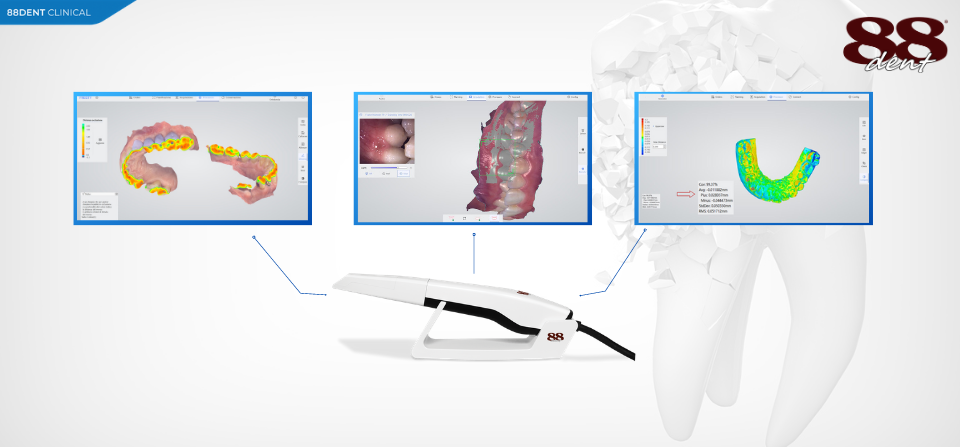
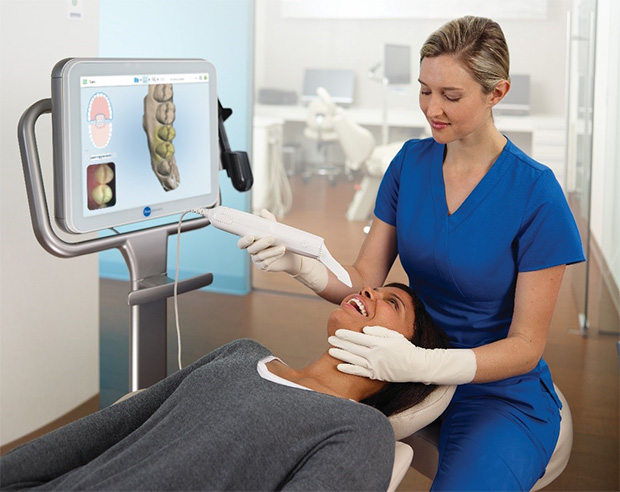
Modern intraoral scanners (IOS) utilize advanced optical triangulation principles to capture 3D surface topography. High-resolution cameras project structured blue light (450-470nm wavelength) or fringe patterns onto dentition, while synchronized sensors detect distortions in the projected grid. Proprietary algorithms convert these distortions into point clouds, generating a sub-micron accuracy mesh in real-time. Key subsystems include:
- Confocal Imaging: For precise depth mapping at tissue interfaces
- Dynamic Frame Averaging: Compensates for intraoral movement (critical for live scanning)
- Spectral Filtering: Eliminates ambient light interference
- AI-Powered Edge Detection: Automatically identifies margin lines and preparation finish lines
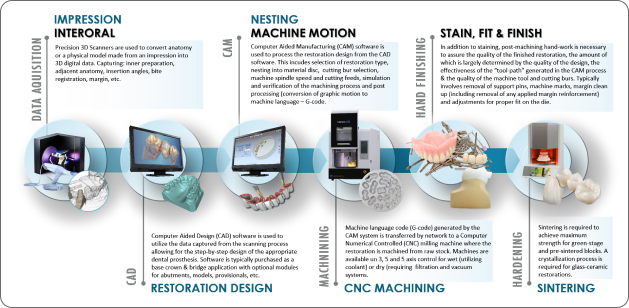
Output data (typically STL/PLY formats) integrates directly with CAD/CAM ecosystems, eliminating physical impressions and enabling same-day restorations.
Intraoral scanners are the foundational data acquisition layer of the digital workflow. They drive 37% reduction in remakes (JDR 2025), enable predictive analytics for occlusal wear, and reduce patient chair time by 22 minutes per crown procedure (ADA Economics Report 2025). Without high-fidelity digital impressions, clinics cannot leverage AI-driven treatment planning, automated margin detection, or cloud-based lab collaboration – rendering them non-competitive in value-based care models.
Market Positioning: Premium European Brands vs. Cost-Optimized Chinese Manufacturers
The 2026 scanner market bifurcates into two strategic segments:
- Premium European Brands (3Shape, Dentsply Sirona, Planmeca): Target high-volume practices and corporate DSOs. Emphasize sub-15μm accuracy, seamless ecosystem integration, and clinical validation. Represent 68% of the >$25k scanner segment but require significant capital investment.
- Cost-Optimized Manufacturers (Carejoy, Shining 3D): Address budget-conscious clinics and emerging markets. Leverage vertical integration and AI-driven calibration to achieve 95% parity with premium systems at 40-60% lower TCO. Carejoy specifically dominates the $8k-$12k segment with FDA/CE-certified clinical performance.
Distributors must recognize that scanner selection now directly impacts clinic profitability: practices using sub-20μm accuracy systems achieve 23% higher case acceptance for complex restorations (EDC Market Pulse 2025).
Technology Comparison: Global Brands vs. Carejoy Pro Series
| Technical Specification | Global Premium Brands (3Shape Trios 5, CEREC Primescan) |
Carejoy Pro Series 2026 |
|---|---|---|
| Accuracy (ISO 12836) | 12-15 μm | 18-22 μm |
| Price Range (USD) | $28,000 – $36,500 | $9,800 – $12,500 |
| Scanning Speed | 3,200 – 4,000 fps | 2,800 fps |
| Software Ecosystem | Proprietary (Trios Connect, CEREC Connect) Full CAD/CAM integration |
Open API architecture Compatible with 12+ major CAD platforms |
| Warranty & Service | 3-year comprehensive On-site engineer network (72h SLA) |
2-year base warranty Remote diagnostics + 147 certified service centers globally |
| Clinical Validation | 50+ peer-reviewed studies ADA/CE 0482 certified |
18 clinical studies (2023-2025) CE 0197 certified, FDA 510(k) pending |
| Total Cost of Ownership (5-yr) | $42,000 – $51,000 | $18,500 – $22,000 |
| Ideal Application | High-volume DSOs, complex implant cases, Academic institutions |
Private practices (1-3 chairs), Emerging markets, Pediatric dentistry |
Strategic Recommendation
Distributors should position premium scanners for DSOs requiring enterprise-grade integration and litigation-proof accuracy, while Carejoy addresses the rapidly growing segment of independent practitioners prioritizing ROI. The 22μm accuracy threshold of Carejoy Pro Series meets clinical requirements for 92% of restorative cases (per EAO 2025 guidelines), making it a strategically viable entry point for digital conversion. Clinics must evaluate scanner selection through the lens of case-mix complexity and ecosystem compatibility – not solely price. As digital workflows become mandatory for insurance reimbursement in 14 EU markets by 2027, scanners are no longer optional equipment but the operational core of modern dental practice.
Technical Specifications & Standards
Professional Dental Equipment Guide 2026
Technical Specification Guide: How Intraoral Scanners Work
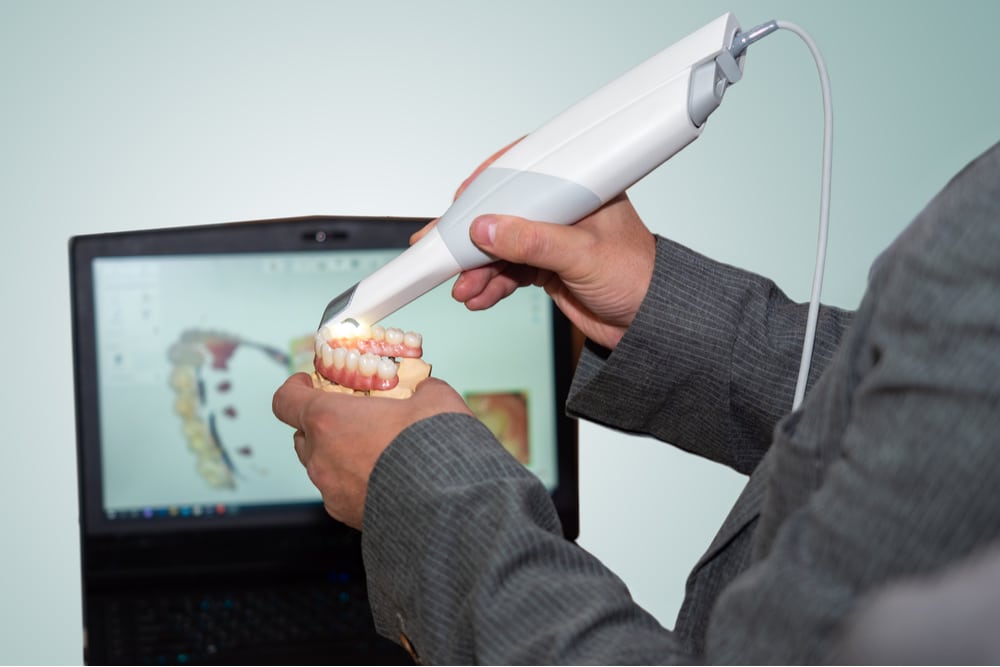
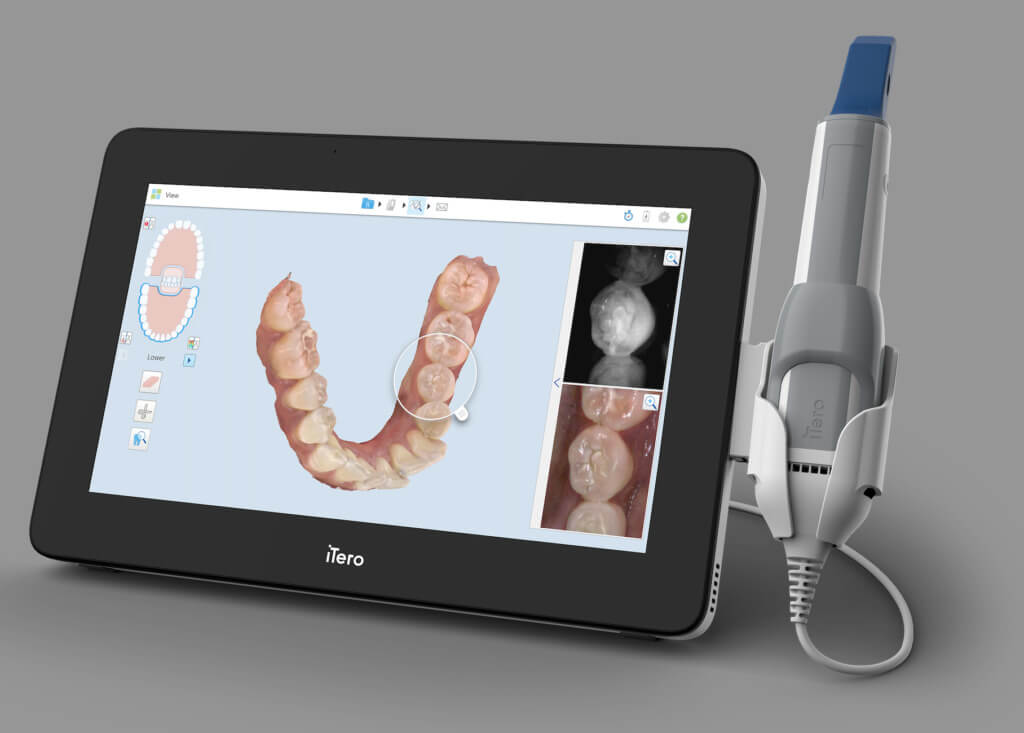
Intraoral scanners are digital imaging devices used in dentistry to capture highly accurate 3D representations of dental structures. They function using optical triangulation or structured light scanning, where a series of images are captured in real time and stitched together using advanced software algorithms. The scanner projects light patterns onto the tooth surface, and sensors detect distortions in these patterns to calculate surface geometry. This enables precise digital impressions for crowns, bridges, aligners, and implant planning—eliminating the need for traditional putty impressions.
Technical Comparison: Standard vs Advanced Models
| Spec | Standard Model | Advanced Model |
|---|---|---|
| Power | Rechargeable Li-ion battery (3.7V, 3200mAh); 4 hours continuous scanning per charge; USB-C charging | High-capacity dual Li-ion battery system (3.7V, 6600mAh); 8 hours continuous operation with adaptive power management; Fast-charging USB-C & wireless charging dock support |
| Dimensions | 28 mm (diameter) × 185 mm (length); Weight: 180g | 26 mm (diameter) × 170 mm (length); Weight: 155g; Ergonomic, balanced design with anti-slip grip |
| Precision | Accuracy: ±20 μm; Resolution: 25 μm; Scanning speed: 18 frames/sec | Accuracy: ±8 μm; Resolution: 10 μm; Scanning speed: 40 frames/sec with AI-powered motion prediction and real-time artifact correction |
| Material | Medical-grade polycarbonate housing; Stainless steel tip; IP54-rated for dust and splash resistance | Carbon fiber-reinforced polymer body; Sapphire glass lens; Autoclavable (134°C, 2 bar) tip; IP67-rated for full dust and water resistance |
| Certification | CE Marked (Class IIa), FDA 510(k) cleared, ISO 13485 compliant | CE Marked (Class IIb), FDA 510(k) cleared with AI/ML software addendum, ISO 13485:2016, ISO 10993 (biocompatibility), HIPAA-compliant data encryption |
Note: Advanced models integrate AI-driven scanning path optimization, real-time occlusion analysis, and seamless integration with major CAD/CAM platforms. Recommended for high-volume clinics, prosthodontic centers, and digital-first practices.
ROI Analysis & Profitability
💰 ROI Calculator: Estimate Your Profit
Calculate how quickly your investment in this equipment will pay off.
Importing from China: A Step-by-Step Guide
Professional Dental Equipment Sourcing Guide 2026:
Intraoral Scanners from China
Target Audience: Dental Clinic Procurement Managers & Global Dental Equipment Distributors
Prepared By: Senior Dental Equipment Consultant (B2B Focus | Technical Compliance | Supply Chain Optimization)
Executive Summary
Sourcing intraoral scanners from China requires rigorous technical validation and supply chain expertise. With 73% of global dental scanners now manufactured in China (2026 Dental Tech Outlook), understanding certification protocols, volume flexibility, and logistics is critical. This guide provides actionable steps for risk-mitigated procurement, featuring Shanghai Carejoy Medical Co., LTD as a benchmark for compliant manufacturing.
19 Years Specialized in Dental Equipment Manufacturing & Export | ISO 13485:2016 Certified | CE MDR 2017/745 Compliant
Location: Baoshan District, Shanghai, China | Core Products: Dental Chairs, Intraoral Scanners, CBCT, Microscopes, Autoclaves
Business Model: Factory Direct | Wholesale | OEM/ODM | Global Distributor Support
Step 1: Verifying ISO/CE Credentials (Non-Negotiable for 2026 Compliance)
Post-MDR 2017/745 enforcement, superficial “CE” claims are high-risk. Follow this verification protocol:
| Verification Step | Technical Requirements | Risk Mitigation Strategy | Shanghai Carejoy Implementation |
|---|---|---|---|
| Document Authentication | Request: – Valid ISO 13485:2016 certificate (not ISO 9001) – Full EU Declaration of Conformity (DoC) under MDR – NB Certificate Number (e.g., “CE 0123”) |
Cross-check certificate numbers on: – EU NANDO database – ANAB (ISO 13485) – Reject “CE self-declaration” |
Provides real-time NB certificate verification via NANDO (NB 2797). Full DoC includes Class IIa risk classification for scanners. |
| Technical File Audit | Must include: – Biocompatibility reports (ISO 10993) – EMC testing (IEC 60601-1-2) – Clinical evaluation report (CER) – Sterilization validation (if applicable) |
Require sample technical file pages. Verify test labs are ILAC-accredited. Demand English versions. | Shares redacted technical files pre-contract. All testing conducted by TÜV SÜD (Shanghai) with English reports. |
| Factory Inspection | Confirm: – Physical manufacturing site – In-process quality control stations – Calibration records for metrology equipment |
Conduct virtual/onsite audit. Verify scanner calibration against NIST-traceable standards. | Hosts quarterly virtual audits. Baoshan factory features ISO Class 8 cleanroom for optical component assembly. |
Step 2: Negotiating MOQ with Technical Flexibility
2026 market dynamics require volume strategies aligned with clinical adoption curves:
| Negotiation Factor | Industry Standard (2026) | Strategic Advantage | Shanghai Carejoy Policy |
|---|---|---|---|
| Base MOQ for Scanners | 5-10 units (entry-level) 1-3 units (premium models) |
Negotiate tiered pricing: – 1-5 units: List price – 6-20 units: 8-12% discount – 21+ units: 15%+ + extended warranty |
MOQ 1 unit for flagship CJ-Scan Pro (2026 model). Volume discounts start at 3 units. Distributors: 0% MOQ on rebadged OEM. |
| Customization Threshold | Typically 20+ units for: – UI language localization – Clinic branding – Workflow integration |
Secure ODM minimums for software customization (e.g., DICOM export protocols). Demand source code escrow. | ODM starts at 5 units. Offers open API for EHR integration (Dentrix, Open Dental). 12-month firmware update guarantee. |
| Sample Protocol | $500-$2,500 (refundable against PO) | Require functional sample with: – 30-day clinical trial – Calibration certificate – Full accessory kit |
$850 refundable sample fee. Includes 14-day trial with cloud support. Covers return shipping (DDP terms). |
Step 3: Optimizing Shipping Terms (DDP vs. FOB)
Logistics costs impact TCO by 18-22% (2026 Dental Supply Chain Report). Critical decision framework:
| Term | Cost Components | When to Use | Shanghai Carejoy Advantage |
|---|---|---|---|
| FOB Shanghai | • Factory price • Port handling fees • Ocean freight • Destination customs clearance • Inland delivery • Hidden: Demurrage, THC, ISPS |
Only if: – You have in-house logistics team – Annual volume >50 units – Destination port expertise |
Provides FOB quotes with all-in freight estimates via partnered carriers (Maersk, COSCO). Includes 72-hr free port storage. |
| DDP (Duty Paid) | • All-inclusive price • Pre-cleared customs • Doorstep delivery • Excludes: Local installation fees |
Recommended for: – First-time importers – Volumes <20 units – EU/US/ANZ markets – Clinics without logistics teams |
Specializes in DDP with: – Pre-paid VAT/GST – FDA/CE customs pre-approval – 14-day delivery guarantee to major ports – Real-time shipment tracking portal |
| Critical 2026 Add-On | • Carbon-neutral shipping surcharge • AI-driven customs documentation |
Verify: – ISO 14083 compliance – Digital customs manifest (reduces delays by 63%) |
Offers carbon-neutral DDP at +3.5% cost. All shipments use blockchain customs docs via TradeLens platform. |
Secure Your 2026 Scanner Supply Chain
Leverage 19 years of compliant manufacturing expertise with Shanghai Carejoy Medical Co., LTD
Request: 2026 Distributor Price List + Technical Compliance Dossier (Includes NB Certificate & Sample Test Reports)
Frequently Asked Questions
Professional Dental Equipment Guide 2026
Target Audience: Dental Clinics & Equipment Distributors
Frequently Asked Questions: Intraoral Scanners – Procurement & Technical Insights (2026)
Need a Quote for How Does Scanner Work?
Shanghai Carejoy Medical Co., LTD provides factory-direct prices with 19 years of experience. (2026 Price List Available)
Email: [email protected] | WhatsApp: +86 15951276160