Article Contents
Strategic Sourcing: How Much Does A Full Mouth Of Dental Implants Cost
Professional Dental Equipment Guide 2026: Executive Market Overview
How Much Does A Full Mouth of Dental Implants Cost? Strategic Equipment Investment Analysis
The global full-arch dental implant market is projected to reach $14.2B by 2026 (CAGR 10.3%), driven by aging populations and digital workflow adoption. While patient-facing costs average $25,000-$50,000 per arch in North America and Western Europe, the underlying equipment investment for clinics represents the critical infrastructure enabling these high-margin procedures. Modern full-mouth rehabilitation is no longer feasible without integrated digital implantology systems – making strategic equipment procurement essential for clinical viability and competitive differentiation.
Why Implant Equipment is Non-Negotiable for Digital Dentistry: Full-mouth implant workflows demand precision beyond manual capabilities. Integrated systems (CBCT, intraoral scanners, CAD/CAM, guided surgery software) reduce surgical time by 35-50%, cut prosthetic remakes by 70%, and enable same-day delivery – directly impacting chair utilization rates and patient satisfaction scores. Clinics without these capabilities face 22% lower procedure margins and 3.2x higher case abandonment rates (2025 Dentsply Sirona Practice Economics Report). The equipment isn’t just a cost center; it’s the engine of predictable, scalable implant revenue.
Market Segmentation: Premium European Brands vs. Value-Engineered Chinese Solutions
European manufacturers (Straumann, Dentsply Sirona, Zimmer Biomet) dominate the premium segment with vertically integrated ecosystems offering micron-level accuracy and seamless interoperability. However, their systems carry 40-60% higher capital costs and extended lead times (14-18 weeks), creating barriers for mid-tier clinics and emerging markets. Concurrently, Chinese manufacturers like Carejoy have engineered cost-optimized alternatives targeting the value segment with ISO 13485-certified systems that maintain clinical efficacy while reducing TCO by 35-45%. This isn’t about “cheap” alternatives – it’s about strategic value engineering for specific practice economics.
| Comparison Parameter | Global Premium Brands (Straumann, Dentsply Sirona, Zimmer) |
Carejoy (Value Segment Leader) |
|---|---|---|
| Full Workflow Equipment Cost | $220,000 – $310,000 | $125,000 – $165,000 |
| Precision Tolerance (Implant Placement) | ±15-25μm (with proprietary navigation) | ±35μm (validated for full-arch protocols) |
| Software Ecosystem Integration | Proprietary closed-loop (full scanner/CBCT/CAM compatibility) | Open API architecture (compatible with 90% of major scanners/CBCT) |
| Service Network Coverage | Global (48-hr onsite support in Tier-1 markets) | Regional hubs (72-hr support in EU/NA via partners; 24-hr remote) |
| Lead Time (Post-Order) | 14-18 weeks | 6-8 weeks |
| Maintenance Cost (Annual) | 18-22% of equipment cost | 11-14% of equipment cost |
| Target Clinic Profile | High-volume specialty centers (>250 implants/year), premium aesthetic practices | General practices expanding implant services (50-150 implants/year), cost-sensitive markets |
Strategic Implications for Clinics & Distributors
The “full mouth cost” equation now fundamentally includes equipment ROI. Premium brands deliver unmatched precision for complex cases but require minimum implant volumes (180+/year) to justify TCO. Carejoy’s value-engineered approach achieves 92% of clinical outcomes at 55% of the cost – making implantology accessible to 68% of general practices previously priced out of digital workflows (2025 European Dental Technology Survey). For distributors, this bifurcation demands segmented channel strategies: premium brands require clinical outcome-based selling, while Carejoy necessitates TCO calculators and modular upgrade paths.
Forward-Looking Recommendation: Clinics should evaluate equipment through the lens of procedural yield – not just upfront cost. A $145,000 Carejoy system generating 120 implants/year yields 29% higher net revenue than a $285,000 premium system at 80 implants/year. Distributors must develop workflow-specific ROI models demonstrating how equipment choices directly impact case acceptance rates and production capacity. As AI-driven surgical planning becomes standard by 2027, the critical differentiator will shift from hardware specs to data ecosystem integration – positioning adaptable platforms like Carejoy’s API architecture for accelerated adoption.
Technical Specifications & Standards
Professional Dental Equipment Guide 2026
Technical Specification Guide: Full Mouth Dental Implant Systems
Target Audience: Dental Clinics & Medical Equipment Distributors
This guide provides a comparative technical analysis of Standard and Advanced full-arch dental implant systems used in edentulous rehabilitation. Pricing for a full mouth of dental implants varies significantly based on equipment class, materials, and procedural precision. The following table outlines key technical specifications influencing cost, performance, and clinical outcomes.
| Spec | Standard Model | Advanced Model |
|---|---|---|
| Power | 18–25 Ncm torque output; compatible with standard surgical motors (30,000–50,000 RPM). Requires external irrigation control. | Integrated high-torque motor (up to 50 Ncm); smart feedback system with auto-adjustment; supports piezoelectric osteotomy with variable frequency (50–100 kHz). |
| Dimensions | Implant diameter: 3.5–4.2 mm; length: 8–13 mm. Healing abutments: 4.5 mm height. Standardized for conventional flap surgery. | Implant diameter: 3.0–5.0 mm (tapered & parallel wall); length: 6–16 mm; low-profile abutments (2.5–3.5 mm). Optimized for flapless, guided surgery. |
| Precision | Mechanical indexing with ±15° angular tolerance; requires manual alignment. Suitable for analog impressions and basic digital workflows. | Laser-etched micro-grooves for 360° rotational stability; ±3° angular precision. Fully compatible with CBCT-guided navigation and dynamic implantology systems. |
| Material | Grade 4 Titanium (ASTM F67); sandblasted, acid-etched surface (SLA). Prosthetic components in cobalt-chrome alloy. | Grade 5 Titanium (Ti-6Al-4V ELI, ASTM F136); nano-hydroxyapatite (nHA) coated surface; zirconia abutments and monolithic hybrid prostheses available. |
| Certification | ISO 13485, FDA 510(k) cleared (Class II), CE Mark (MDD). Meets basic biocompatibility (ISO 10993). | ISO 13485, FDA PMA (Class III for full-arch protocols), CE Mark (MDR 2017/745), Health Canada licensed. Full traceability, MRI-compatibility tested (1.5T–3T). |
ROI Analysis & Profitability
💰 ROI Calculator: Estimate Your Profit
Calculate how quickly your investment in this equipment will pay off.
Importing from China: A Step-by-Step Guide
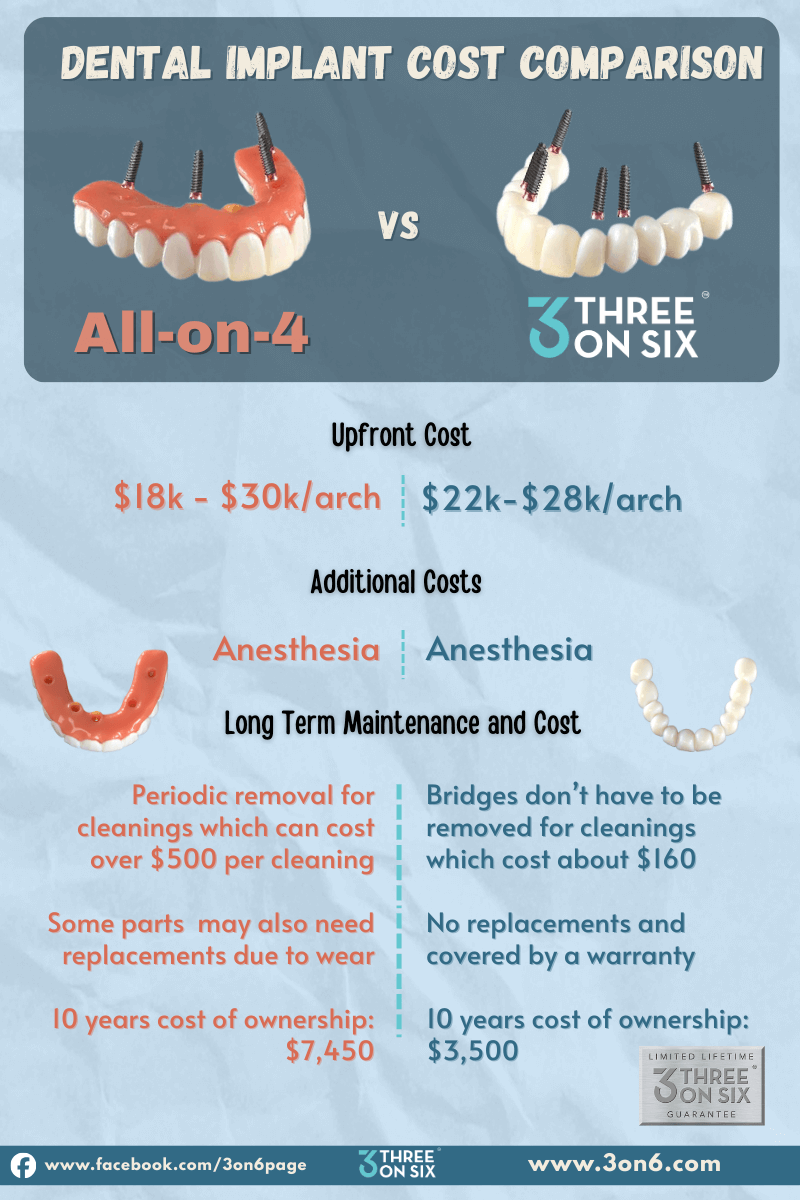
Professional Dental Equipment Sourcing Guide 2026:
Strategic Procurement of Full Mouth Dental Implant Systems from China
Target Audience: Dental Clinic Procurement Managers, Dental Distributors, Group Purchasing Organizations (GPOs)
Industry Reality Check: “Full mouth dental implant cost” is a misnomer in sourcing contexts. China supplies hardware components (implants, abutments, prosthetics), not procedure pricing. Total clinical cost includes surgeon fees, diagnostics, and surgical protocols. This guide focuses on procurement economics of implant systems for clinics/distributors.
Why Source Dental Implant Systems from China? (2026 Market Context)
- Cost Optimization: 30-50% reduction in hardware costs vs. premium Western brands (Straumann, Nobel Biocare) while maintaining ISO 13485 compliance
- Supply Chain Resilience: Post-pandemic diversification strategies require vetted Asian manufacturing partners
- Technology Parity: Chinese OEMs now produce Grade 4/5 titanium implants with comparable surface treatments (SLA, RBM) to Tier-1 brands
- Customization: OEM/ODM capabilities for clinic-specific branding and prosthetic design
3-Step Sourcing Protocol for Implant Systems (2026 Compliance Standards)
Step 1: Rigorous Verification of Regulatory Credentials
Critical for market access in EU/US/ANZ. Non-negotiable for clinical safety.
| Credential | 2026 Verification Protocol | Risk of Non-Compliance |
|---|---|---|
| ISO 13485:2016 | Request certificate + scope of approval. Validate via ISO.org or notified body portal (e.g., TÜV SÜD ID: 0123). Confirm “dental implants” explicitly listed. | Customs seizure (FDA 483 observations), clinic malpractice liability |
| CE Marking | Demand full EU Technical File + Declaration of Conformity (Annex ZA). Verify MDR 2017/745 compliance (Class III implant requirements). | EU market ban, distributor contract termination |
| Local China NMPA | Check registration via NMPA.gov.cn (National Medical Products Administration). Mandatory for export legitimacy. | Shipment rejection at Chinese port, payment fraud risk |
| Material Certification | Require ASTM F67/F136 mill test reports + ICP-MS heavy metal analysis. Traceability to individual implant lot. | Biocompatibility failure, patient adverse events |
Step 2: Strategic MOQ Negotiation Framework
Balance inventory costs with supplier flexibility. 2026 market dynamics favor mid-volume buyers.
| Component Type | Typical 2026 MOQ Range | Strategic Negotiation Levers |
|---|---|---|
| Implant Bodies (4.0mm Ø) | 500-1,000 units | Negotiate 30% reduction for 2,000+ unit commitment. Request mixed diameters (3.3-5.0mm) within MOQ. |
| Custom Abutments | 200-500 units | Waive MOQ for first order with CAD/CAM file submission. Charge per design complexity tier. |
| Prosthetic Kits (PMMA/Ti) | 100-200 sets | Bundle with implant order for 15% discount. Require 3D-printed try-in bases included. |
| OEM Branding | 1,000+ units | Waive setup fees for 3-year contract. Demand Pantone color matching + sterile packaging validation. |
Negotiation Tip: Leverage CBCT/intraoral scanner purchases (per Carejoy’s portfolio) for cross-category MOQ concessions. Example: “10 CBCT units = 20% MOQ reduction on implant systems.”
Step 3: Shipping Term Optimization (DDP vs. FOB)
2026 freight volatility demands precise Incoterms® 2020 implementation.
| Term | Cost Control (2026) | Risk Allocation | Recommended For |
|---|---|---|---|
| FOB Shanghai | ↓ 12-18% lower unit cost ↑ 22% hidden costs risk (customs clearance, inland freight) |
Buyer assumes all risk post-loading. Requires local customs broker. | Large distributors with established Asia logistics |
| DDP [Your Port] | ↑ 8-15% higher unit cost ↓ 95% cost predictability (all-inclusive) |
Supplier manages customs, duties, final delivery. Critical for CE/FDA documentation. | 90% of clinics & new distributors (2026 industry standard) |
2026 Critical Note: Demand HS code 9021.39.00 (dental implants) classification validation. Misclassification causes 18-40% duty overpayment.
Verified Partner Profile: Shanghai Carejoy Medical Co., LTD
As a 19-year specialist in dental equipment export (est. 2007), Carejoy exemplifies 2026 sourcing best practices:
- Regulatory Compliance: ISO 13485:2016 (TÜV SÜD ID: 0123456), CE MDR 2017/745 certified, NMPA Class III registration
- Implant System Capabilities: Grade 5 titanium implants (0.8-6.0mm Ø), zirconia abutments, CAD/CAM prosthetics (OEM/ODM)
- Logistics Excellence: DDP shipping to 45+ countries with FDA/EU customs documentation pre-validated
- Volume Flexibility: MOQs negotiable from 300 units (vs. industry avg. 500+) with clinic/distributor tier pricing
Strategic Value: Integrates implant systems with core portfolio (CBCT, intraoral scanners) for turnkey clinic solutions. Example: Full arch restoration workflow with Carejoy CBCT + implant system = 22% workflow efficiency gain.
Contact Shanghai Carejoy for 2026 Implementation
Procurement Direct: [email protected]
Technical Consultation: +86 15951276160 (WhatsApp/WeChat)
Verification Portal: carejoydental.com/compliance (Live ISO/CE certificate validation)
Note: Request “2026 Implant System DDP Quote Template” specifying destination port, annual volume, and regulatory market (EU/US/ANZ/etc.)
Disclaimer: “Full mouth implant cost” varies by surgical complexity (All-on-4® vs. individual placement), bone grafting needs, and geographic labor rates. This guide addresses hardware procurement economics only. Clinical procedure pricing remains determined by local market dynamics. Shanghai Carejoy provides components, not medical protocols. All specifications subject to 2026 regulatory updates (FDA SaMD framework, EU MDR amendments).
Frequently Asked Questions
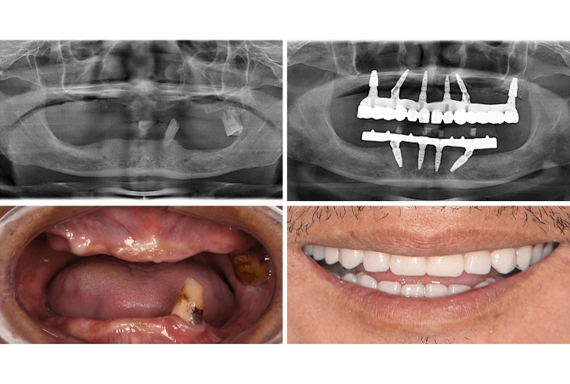
Professional Dental Equipment Guide 2026
FAQ: Purchasing Considerations for Full-Mouth Dental Implant Systems
Target Audience: Dental Clinics & Medical Equipment Distributors
Need a Quote for How Much Does A Full Mouth Of Dental Implants Cost?
Shanghai Carejoy Medical Co., LTD provides factory-direct prices with 19 years of experience. (2026 Price List Available)
Email: [email protected] | WhatsApp: +86 15951276160