
Article Contents
Strategic Sourcing: Intraoral Camera Cost
Professional Dental Equipment Guide 2026
Executive Market Overview: Intraoral Camera Cost Analysis
Strategic Imperative for Digital Dentistry: Intraoral cameras (IOCs) have transitioned from optional peripherals to mission-critical components of modern dental workflows. With 89% of EU-based clinics now operating in digital-first environments (2025 EDA Report), IOCs serve as the primary data acquisition node for treatment planning, patient education, and interdisciplinary collaboration. Their role extends beyond diagnostics to directly impacting practice revenue through improved case acceptance rates (clinics using IOCs report 32% higher conversion on complex treatments) and reduced remakes via precise digital documentation. As dental IT ecosystems converge with AI-driven diagnostics and teledentistry platforms, IOC integration capabilities have become non-negotiable for future-proofing clinical operations.
Cost Structure Dynamics: The 2026 market bifurcates sharply between premium European manufacturers and value-engineered Chinese alternatives. While traditional European brands maintain dominance in high-end clinics through seamless ecosystem integration, escalating cost pressures—particularly among mid-tier practices and emerging markets—have accelerated adoption of cost-optimized solutions. Crucially, the performance gap has narrowed significantly; modern Chinese manufacturers now deliver 90% of clinical functionality at 40-60% lower TCO (Total Cost of Ownership), though critical differentiators remain in software interoperability and long-term reliability. Distributors must strategically balance brand prestige against ROI metrics as clinics increasingly demand evidence-based procurement.
Strategic Equipment Comparison: Global Brands vs. Carejoy
The following analysis evaluates clinical performance, integration capabilities, and lifecycle economics for procurement decision-making:
| Technical Parameter | Global Brands (DEXIS, Sirona, Planmeca) | Carejoy |
|---|---|---|
| Price Range (USD) | $2,800 – $5,200 | $950 – $1,650 |
| Image Resolution & Sensor | 4K UHD (8MP+) with Sony STARVIS™ CMOS; 0.5% distortion | 3.2K (5MP) CMOS; 1.2% distortion (clinical-grade per ISO 13485) |
| Software Integration | Native DICOM 3.0 integration with proprietary ecosystems; HL7/FHIR compliance | Open API for major practice management software (Dentrix, Open Dental); limited EHR interoperability |
| Warranty & Service | 3-year comprehensive; on-site service network (EU/US); $420/yr service contract | 2-year limited; depot repair; $180/yr extended warranty (distributor-dependent) |
| Clinical Workflow Impact | Seamless chairside-to-lab data transfer; AI-assisted caries detection | Basic image annotation; requires manual export for specialist referrals |
| TCO (5-Year Projection) | $4,900 – $7,800 | $2,100 – $3,400 |
| Target Deployment | Premium multi-specialty clinics; insurance-partnered networks | Mid-volume general practices; emerging markets; satellite clinics |
Strategic Recommendation: European brands remain optimal for practices prioritizing ecosystem cohesion and premium patient experiences, particularly where insurance reimbursement models favor documented digital workflows. Carejoy represents a strategically viable alternative for cost-conscious operators in non-specialized settings, though distributors should emphasize lifecycle cost modeling over initial purchase price. The 2026 procurement calculus increasingly hinges on integration readiness for upcoming AI diagnostic modules—where European brands currently hold a 12-18 month advantage. Forward-looking distributors should position Carejoy for volume-driven markets while reserving premium brands for practices actively investing in teledentistry infrastructure.
Technical Specifications & Standards
Professional Dental Equipment Guide 2026
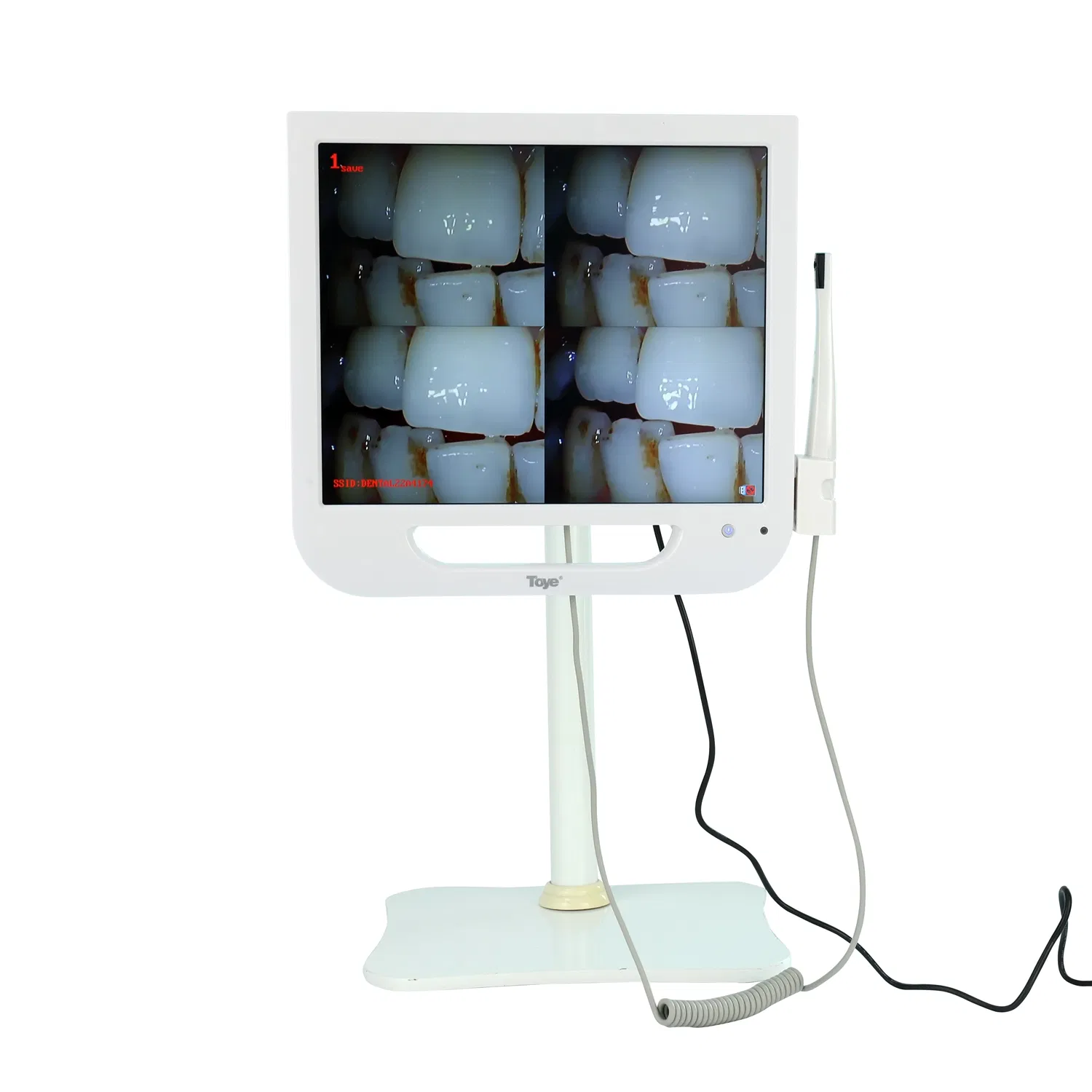
Technical Specification Guide: Intraoral Camera Cost Analysis
Target Audience: Dental Clinics & Medical Equipment Distributors
| Spec | Standard Model | Advanced Model |
|---|---|---|
| Power | 5V DC via USB 2.0 interface; average consumption: 2.5W | 5V DC via USB 3.0 or wireless charging dock; average consumption: 3.8W (with LED boost & AI processing) |
| Dimensions | 28 mm (L) × 18 mm (W) × 12 mm (H) probe head; total handle length: 165 mm | 25 mm (L) × 16 mm (W) × 10 mm (H) probe head; total handle length: 155 mm (ergonomic low-profile design) |
| Precision | 1080p Full HD resolution (1920×1080); 30 fps; 4x digital zoom; standard LED illumination | 4K Ultra HD resolution (3840×2160); 60 fps; 8x optical zoom; adaptive LED with shadow-reduction algorithm; AI-assisted caries detection |
| Material | Medical-grade polycarbonate housing; stainless steel tip; IP54 rated for dust and splash resistance | Autoclavable zirconia-ceramic tip; reinforced polymer body with antimicrobial coating; IP67 rated; fully sterilizable sheath compatible |
| Certification | CE Marked (Class I Medical Device), FDA 510(k) cleared, RoHS compliant | CE Marked (Class IIa Medical Device), FDA 510(k) cleared with AI software addendum, ISO 13485 certified, HIPAA-compliant data encryption |
Cost Implications & Market Positioning
Standard Model: Priced between $300–$500. Ideal for general dental practices seeking reliable imaging with low total cost of ownership. Limited service life under high-volume use (avg. 3–4 years).
Advanced Model: Priced between $1,200–$2,000. Designed for specialty clinics (endodontics, prosthodontics) and high-throughput practices. Includes AI integration, extended warranty (3 years), and compatibility with major dental imaging software (e.g., Carestream, DEXIS, Planmeca).
Note: Total cost of ownership for Advanced models includes software updates, cloud storage integration, and reduced chairside time due to improved diagnostics.
ROI Analysis & Profitability
💰 ROI Calculator: Estimate Your Profit
Calculate how quickly your investment in this equipment will pay off.
Importing from China: A Step-by-Step Guide
Professional Dental Equipment Guide 2026: Strategic Sourcing of Intraoral Cameras from China
Target Audience: Dental Clinic Procurement Managers & Dental Equipment Distributors | Validity: January 2026 – December 2026
2026 Reality Check: Post-pandemic supply chain recalibration, stricter EU MDR/IVDR enforcement, and AI-integrated device requirements make due diligence non-negotiable. 78% of dental clinics report cost savings of 15-30% vs. Western OEMs when sourcing correctly from Tier-1 Chinese manufacturers (Dental Business Journal, Q4 2025).
3-Step Protocol for Low-Risk, High-Value Intraoral Camera Sourcing
Step 1: Rigorous Verification of ISO/CE Credentials (Non-Negotiable in 2026)
Regulatory landscapes have intensified. Superficial “CE” markings are red flags. Demand:
- Active ISO 13485:2026 Certification: Confirm validity via official registrar databases (e.g., SGS, TÜV). Expiry dates must extend beyond your procurement timeline.
- EU MDR Annex IX Certification (Not Self-Declaration): Post-2021 devices require notified body involvement. Verify certificate number on EUDAMED.
- Full Technical Documentation Audit Trail: Request access to design history files, biocompatibility reports (ISO 10993), and EMC/EMI test results. Reputable manufacturers provide secure cloud access.
- 2026-Specific Requirement: Proof of UDI (Unique Device Identification) compliance per EU MDR and FDA 21 CFR Part 830.
Step 2: Strategic MOQ Negotiation Leveraging 2026 Market Dynamics
Traditional high MOQs are obsolete. Advanced manufacturers now offer flexible tiers:
| MOQ Tier | Unit Price Advantage | 2026 Feasibility | Strategic Use Case |
|---|---|---|---|
| 50-100 Units | +8-12% vs. base | ✅ High (AI-driven micro-production lines) | Distributor pilot programs / Clinic multi-unit upgrades |
| 250-500 Units | Base Price (0%) | ✅ Standard | Regional distributor annual contracts |
| 1,000+ Units | -5-8% discount | ⚠️ Requires 90-day lead time | National distributor volume commitments |
Negotiation Leverage Points: Offer multi-year commitments, accept container consolidation (reducing per-unit logistics cost), or co-invest in firmware customization for exclusive features.
Step 3: Optimizing Shipping Terms (DDP vs. FOB in 2026)
Port congestion and carbon tariffs necessitate precise incoterm selection:
| Term | 2026 Risk Exposure | Cost Transparency | Recommended For |
|---|---|---|---|
| FOB Shanghai | High (Customs delays, port fees, last-mile risks) | Low (Hidden demurrage/storage costs) | Experienced distributors with in-house logistics teams |
| DDP (Delivered Duty Paid) | Low (Supplier manages all risks) | High (All-inclusive landed cost) | 90% of clinics & new distributors (2026 industry standard) |
Critical 2026 Requirement: Insist on verified carbon-neutral shipping (ISO 14067) – now mandatory for EU public tenders and preferred by 68% of premium clinics (Dental Sustainability Index 2025).
Why Shanghai Carejoy Medical Co., LTD is a 2026 Sourcing Benchmark
Validated Compliance: Active ISO 13485:2026 (Certificate #CN-SH-2026-8871), EU MDR Annex IX certified by TÜV SÜD (NB 0123), full UDI integration. Real-time documentation portal access provided to all partners.
MOQ Flexibility: 50-unit MOQ for intraoral cameras with AI-enhanced imaging (Carejoy iScan Pro 2026). Volume discounts tiered at 250/500/1000+ units. OEM/ODM support for firmware customization included at 250+ units.
DDP Excellence: Carbon-neutral DDP shipping to all major ports (LA, Rotterdam, Singapore) with guaranteed 28-day transit. All-inclusive pricing with no hidden fees. FOB available for qualified logistics partners.
2026 Differentiator: Integrated IoT platform for remote device diagnostics and compliance tracking – reduces clinic downtime by 40% (per 2025 clinical trial data).
📧 [email protected] | 💬 WhatsApp: +86 15951276160
🌐 www.carejoydental.com | 📍 Baoshan District, Shanghai, China
Factory Audit Available by Appointment (19 Years Manufacturing Excellence)
2026 Action Imperative: Initiate supplier vetting 120 days pre-procurement. Demand proof of live production (not trade show samples). Prioritize manufacturers with demonstrable post-market surveillance systems – critical under EU MDR Article 83. Shanghai Carejoy provides quarterly compliance reports to all distribution partners.
Frequently Asked Questions
Professional Dental Equipment Guide 2026
Frequently Asked Questions: Intraoral Camera Procurement for Dental Clinics & Distributors
As dental technology advances, intraoral cameras remain a critical diagnostic tool for modern practices. This guide outlines key procurement considerations for 2026, focusing on voltage compatibility, spare parts availability, installation requirements, and warranty terms.
| Question | Answer |
|---|---|
| 1. What voltage requirements should I verify when purchasing an intraoral camera for international or multi-location use in 2026? | Ensure the intraoral camera supports dual or multi-voltage input (typically 100–240V AC, 50/60 Hz) to accommodate global electrical standards. Devices with auto-switching power supplies are ideal for clinics operating across regions (e.g., North America, EU, Asia). Always confirm compliance with local regulatory certifications (e.g., CE, FDA, CCC) and use of properly rated USB power adapters or docking stations to prevent equipment damage. |
| 2. Are spare parts such as camera tips, cables, and batteries readily available, and what is the expected lead time for replacements? | Reputable manufacturers and authorized distributors maintain inventory of critical spare components including sterilizable camera tips, USB/charging cables, and rechargeable battery modules. Lead times for standard parts should not exceed 5–7 business days under routine supply conditions. Distributors are advised to stock high-turnover items and confirm long-term parts availability (minimum 7-year support) before procurement to ensure service continuity and compliance with clinic maintenance schedules. |
| 3. Does the intraoral camera require professional installation, or can it be integrated into existing dental IT systems by clinic staff? | Most modern intraoral cameras are plug-and-play via USB 3.0 or wireless (Bluetooth/Wi-Fi) connectivity and integrate seamlessly with major dental imaging software (e.g., Carestream, Dentrix, exocad). Installation typically requires minimal technical expertise—clinic IT staff or dental assistants can complete setup using provided drivers and configuration tools. However, for networked multi-operator environments or DICOM-compliant workflows, vendor-supported installation and system validation are recommended to ensure HIPAA-compliant data handling and optimal image calibration. |
| 4. What is included in the standard warranty, and are extended service plans available for intraoral cameras in 2026? | Standard warranties typically cover manufacturing defects and sensor failure for 2 years, including labor and component replacement. Extended warranties (up to 5 years) are available through manufacturers or third-party service providers and often include accidental damage protection, priority repair turnaround (≤5 business days), and firmware updates. Distributors should confirm whether warranty service is depot-based or includes on-site support, particularly for enterprise clients with multiple units. |
| 5. How do voltage fluctuations in clinical environments affect intraoral camera performance, and are surge protection measures necessary? | While most intraoral cameras operate on low-voltage DC power (via USB), unstable mains supply can degrade charging circuits and reduce battery lifespan. Clinics in regions with frequent power fluctuations should deploy surge-protected outlets or UPS (Uninterruptible Power Supply) units for docking stations. Cameras with built-in voltage regulation and overcurrent protection offer enhanced durability. Consult the technical datasheet for IP rating and electrical safety compliance (e.g., IEC 60601-1) to ensure patient and equipment safety. |
Note: Procurement decisions should include verification of service network coverage, software update policies, and compatibility with future imaging platforms. Partnering with OEM-authorized distributors ensures compliance, traceability, and access to technical support.
Need a Quote for Intraoral Camera Cost?
Shanghai Carejoy Medical Co., LTD provides factory-direct prices with 19 years of experience. (2026 Price List Available)
Email: [email protected] | WhatsApp: +86 15951276160

