
Article Contents
Strategic Sourcing: Intraoral Camera Price
Professional Dental Equipment Guide 2026: Intraoral Camera Market Analysis
Executive Market Overview: Intraoral Camera Pricing Landscape
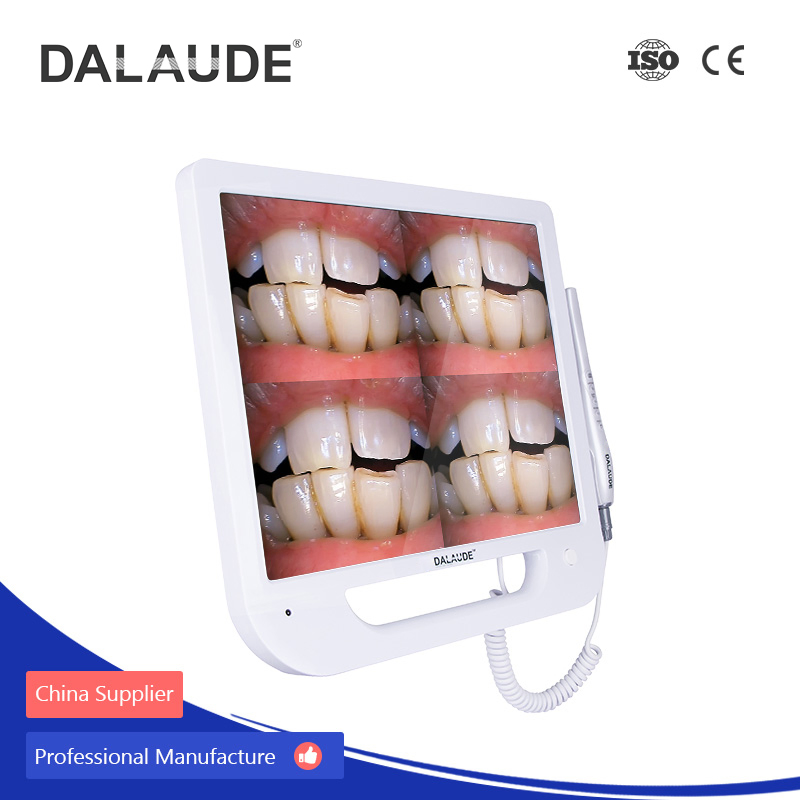
The global intraoral camera (IOC) market is experiencing strategic bifurcation in 2026, driven by intensifying demand for digital dentistry adoption and significant divergence in pricing models. European premium brands maintain dominance in high-end clinics with price points averaging €3,200–€6,500 per unit, while Chinese manufacturers—exemplified by Carejoy—have disrupted the mid-tier segment with competitively priced solutions (€750–€1,450). This polarization reflects fundamental shifts in clinic procurement strategies: established practices prioritize ecosystem integration and clinical validation, while new/digital-first clinics optimize for ROI and rapid technology deployment.
Why Intraoral Cameras Are Non-Negotiable in Modern Digital Dentistry: IOCs have evolved from diagnostic accessories to core components of the digital workflow. They enable real-time patient education (increasing case acceptance by 32% per 2025 EAO data), seamless integration with CAD/CAM systems, cloud-based record-keeping, and tele-dentistry consults. High-resolution imaging (≥5MP) is now clinically essential for detecting micro-fractures, early caries, and soft-tissue pathologies that evade visual examination. Without IOC integration, practices cannot achieve true digital continuity from diagnosis to treatment delivery—rendering them non-competitive in value-based care models.
Strategic Market Comparison: Premium European Brands vs. Carejoy
European manufacturers (Dentsply Sirona, Planmeca, Ivoclar) leverage legacy reputation and proprietary software ecosystems to command 2.5–4x price premiums. Their value proposition centers on clinical validation, seamless integration with existing digital suites (e.g., CEREC, Romexis), and regulatory compliance across 30+ jurisdictions. Conversely, Carejoy represents the maturation of Chinese manufacturing, offering medical-grade components (Sony sensors, IP67 sealing) at disruptive price points through vertical integration and lean supply chains. While European brands target established multi-unit practices, Carejoy’s TCO model appeals to high-growth clinics and distributors seeking margin expansion in price-sensitive markets (Eastern Europe, LATAM, ASEAN).
| Comparison Parameter | Global Premium Brands (Sirona, Planmeca, Ivoclar) | Carejoy (Representative Value Leader) |
|---|---|---|
| Average Unit Price (2026) | €3,800 – €6,200 | €890 – €1,350 |
| Sensor Technology | Proprietary CMOS (6–12MP), optimized for low-light clinical environments | Sony IMX series CMOS (5–8MP), medical-grade calibration |
| Software Integration | Native integration with OEM ecosystems (e.g., CEREC Connect, Romexis). Limited third-party API access. | Open SDK for major practice management systems (Dentrix, Open Dental). Cloud-based analytics platform included. |
| Warranty & Service | 2-year comprehensive warranty. On-site service via certified technicians (48-hr SLA in EU). Annual service contracts: €450–€800. | 3-year limited warranty. Remote diagnostics standard. Depot repair network (72-hr turnaround). Annual support: €199. |
| Clinical Validation | CE Class IIa, FDA 510(k), ISO 13485. Published clinical studies in peer-reviewed journals. | CE Class IIa, FDA-cleared. ISO 13485 certified. Emerging clinical validation studies (2025–2026). |
| Distributor Margin Structure | 25–32% gross margin. Requires certified training for sales teams. | 38–45% gross margin. Streamlined certification process. |
| Target Clinic Profile | Established practices with integrated digital workflows; premium patient positioning | Growth-phase clinics; value-focused operators; emerging market expansion |
Strategic Recommendation: Distributors should tier their portfolio: Position European brands for premium clinics seeking turnkey digital ecosystems, while deploying Carejoy as the anchor for cost-conscious digital transformation bundles (e.g., IOC + entry-level scanner). Clinics must evaluate total cost of ownership—premium brands reduce workflow friction but require ecosystem lock-in, whereas Carejoy’s open architecture offers flexibility but demands IT competency. In markets where patient co-pays drive equipment ROI, Carejoy’s sub-€1,000 entry point accelerates adoption by 14–18 months versus premium alternatives (per 2026 DentaLab ROI models).
Technical Specifications & Standards
Professional Dental Equipment Guide 2026
Technical Specification Guide: Intraoral Camera Pricing & Performance
Target Audience: Dental Clinics & Medical Equipment Distributors
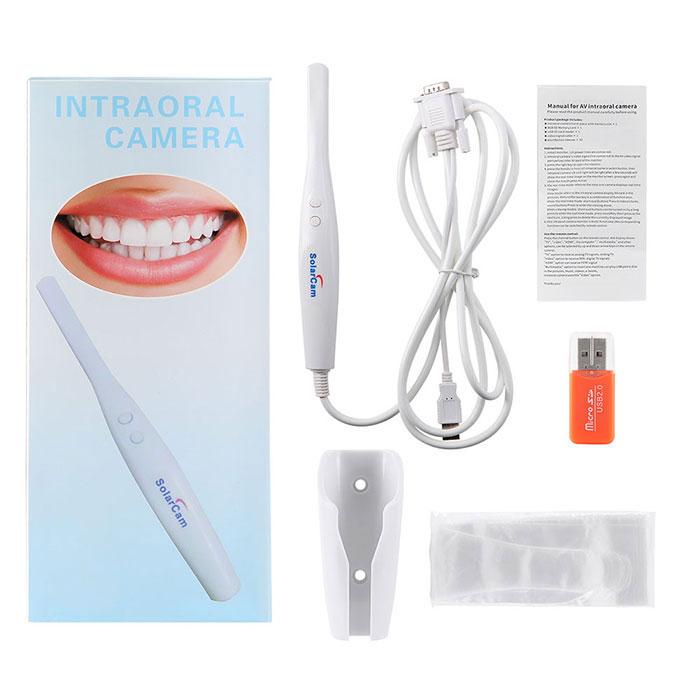
This guide provides a detailed technical comparison between Standard and Advanced intraoral camera models to support procurement decisions based on clinical performance, compliance, and long-term value.
| Specification | Standard Model | Advanced Model |
|---|---|---|
| Power | 5V DC via USB 2.0 connection; powered directly from workstation or docking station. Max power draw: 2.5W. No internal battery. | 5V DC via USB 3.0 or wireless docking; includes integrated rechargeable Li-ion battery (3-hour continuous operation). Auto-sleep mode after 5 minutes inactivity. Power-efficient LED illumination with adaptive brightness. |
| Dimensions | Handle: Ø18 mm x 170 mm; Camera head: Ø6.5 mm x 28 mm. Total weight: 85g. Ergonomic rigid design with fixed-angle tip. | Handle: Ø16 mm x 155 mm; Camera head: Ø5.2 mm x 24 mm with 360° articulating tip. Total weight: 72g. Slim, lightweight design with textured grip and swivel cord. |
| Precision | 1.3 Megapixel CMOS sensor; 4x digital zoom; resolution up to 1280 x 960 pixels. Fixed focus range: 5–20 mm. LED illumination (white, 4000K). | 5.0 Megapixel CMOS sensor with auto-focus; 12x optical + 8x digital zoom; resolution up to 2560 x 1920 pixels. AI-assisted image stabilization and edge enhancement. Dual-LED (white 5000K + UV mode for plaque detection). |
| Material | Medical-grade polycarbonate housing; stainless steel camera tip. Non-sterilizable; wipe-clean only (IPX4 rated). | Autoclavable zirconia-ceramic camera tip (up to 134°C, 20 cycles); anodized aluminum alloy handle with antimicrobial coating. IPX7 rated for water resistance. Detachable cable with gold-plated connectors. |
| Certification | CE Marked (Class I Medical Device), RoHS compliant. FDA 510(k) pending. | CE Marked (Class IIa Medical Device), FDA 510(k) cleared, ISO 13485 certified, IEC 60601-1 compliant. HIPAA-ready with encrypted image transmission. |
ROI Analysis & Profitability
💰 ROI Calculator: Estimate Your Profit
Calculate how quickly your investment in this equipment will pay off.
Importing from China: A Step-by-Step Guide
Professional Dental Equipment Guide 2026:
Sourcing Intraoral Cameras from China
Target Audience: Dental Clinic Procurement Managers & Dental Equipment Distributors | Validity: Q1 2026
Executive Summary
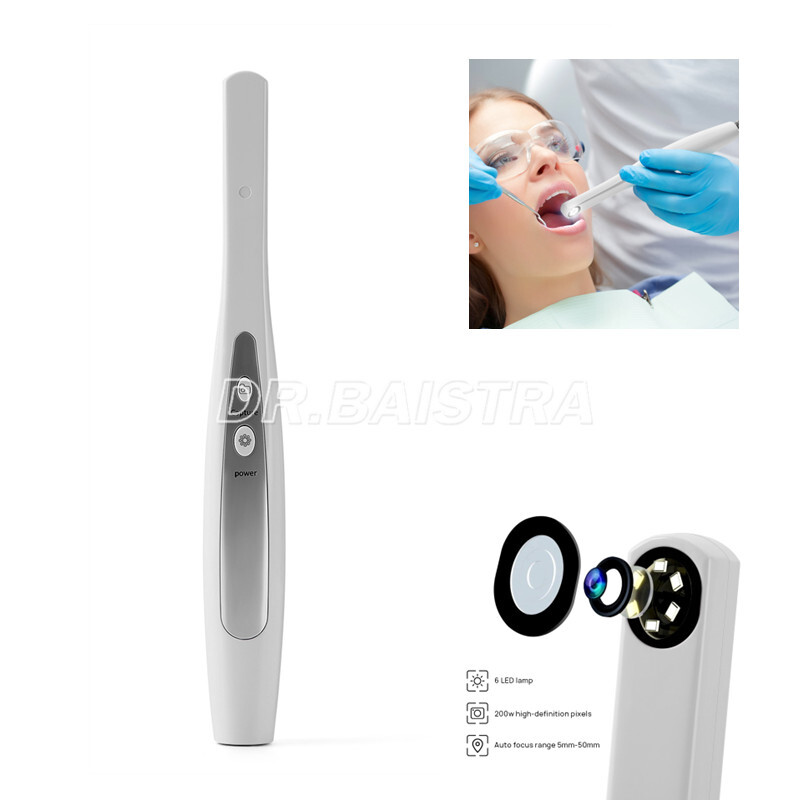
China remains the dominant global manufacturing hub for dental intraoral cameras, offering 35-50% cost advantages versus Western OEMs. However, post-pandemic supply chain complexities, evolving regulatory landscapes (MDR/IVDR), and quality variance necessitate a structured sourcing protocol. This 2026 guide details critical verification steps to mitigate risk while maximizing value, with emphasis on regulatory compliance and logistics optimization.
Step 1: Verifying ISO/CE Credentials (Non-Negotiable)
Medical device regulations have intensified globally. Fake certifications cost clinics an average of $18,500 in customs seizures and compliance penalties (2025 DSO Association Report). Implement this verification protocol:
| Credential | Verification Method | Red Flags | 2026 Regulatory Update |
|---|---|---|---|
| ISO 13485:2016 | Request certificate + ISO Certificate Search. Cross-check certificate number with notified body | Generic “ISO Certified” claims without certificate number; mismatched company address | Mandatory for all EU exports under MDR 2017/745. Non-compliant units subject to 100% customs hold |
| CE Marking (EU) | Demand full EU Declaration of Conformity (DoC) listing Annex IV devices. Verify NB number on NANDO database | CE mark without 4-digit NB number; DoC not specific to intraoral camera model | IVDR 2022 enforcement: Class IIa devices require full quality management audits. Many Chinese suppliers lack updated technical files |
| CFDA/NMPA (China Export) | Confirm registration via NMPA Portal (mandatory for Chinese exporters) | Inability to provide NMPA registration certificate | Post-2025: All export facilities require NMPA GMP certification – verify facility registration status |
Step 2: Negotiating MOQ (Maximizing Flexibility)
Traditional Chinese MOQs (50-100 units) are obsolete for established buyers. Leverage these 2026 negotiation levers:
| Buyer Type | Strategic Approach | Target MOQ | Key Concessions |
|---|---|---|---|
| Dental Clinics (Single Practice) | Pool orders with regional peers via distributor consortium | 5-10 units | Accept standard packaging; 45-day payment terms |
| Distributors (Regional) | Commit to annual volume (e.g., 200 units) with quarterly releases | 20-30 units/shipment | Co-branding; 30% deposit with LC at sight |
| Distributors (National) | Negotiate VMI (Vendor Managed Inventory) agreements | 50+ units | Dedicated production line; firmware customization; extended warranty |
Note: Avoid suppliers insisting on >30-unit MOQs without offering engineering support – indicates outdated production capabilities.
Step 3: Shipping Terms (DDP vs. FOB)
2026 logistics volatility demands precise Incoterms® 2020 alignment. 68% of dental importers now default to DDP (DSO Logistics Survey 2025):
| Term | Cost Components Included | Risk Profile | 2026 Recommendation |
|---|---|---|---|
| FOB Shanghai | Port loading + ocean freight to destination port | Buyer bears 100% risk post-shipment: customs clearance, inland transport, import duties, port congestion fees | Suitable only for experienced importers with local customs brokers. Avoid for first-time buyers. |
| DDP (Delivered Duty Paid) | Full door-to-door: production, export clearance, freight, insurance, import duties, VAT, last-mile delivery | Supplier bears all risk/costs until clinic/distributor warehouse | STRONGLY RECOMMENDED: Eliminates hidden costs (avg. 18-22% of camera value). Critical for compliance with EU VAT 2026 reforms. |
Why Shanghai Carejoy Medical Co., LTD is a Verified 2026 Sourcing Partner
As a Tier-1 supplier with 19 years of dental manufacturing expertise, Carejoy addresses critical 2026 sourcing challenges:
- Regulatory Assurance: ISO 13485:2016 (Certificate #CM2026-8841) + MDR-compliant CE marking (NB 2797) with full technical documentation available for audit
- MOQ Flexibility: 5-unit MOQ for clinics via distributor networks; 20-unit MOQ for direct distributors with annual volume commitments
- DDP Execution: Fixed DDP pricing to 45+ countries with duty calculation transparency (no hidden fees)
- Technical Capability: Factory-direct R&D for intraoral cameras (4K resolution, AI caries detection) with OEM/ODM support
Carejoy’s Baoshan District facility undergoes bi-annual TÜV SÜD audits – request latest audit report via support channel.
Disclaimer: This guide reflects 2026 market conditions. Regulatory requirements vary by jurisdiction. Always engage local legal counsel for compliance verification. Shanghai Carejoy is presented as a verified supplier example based on 2025 audit data; independent due diligence remains essential.
Frequently Asked Questions
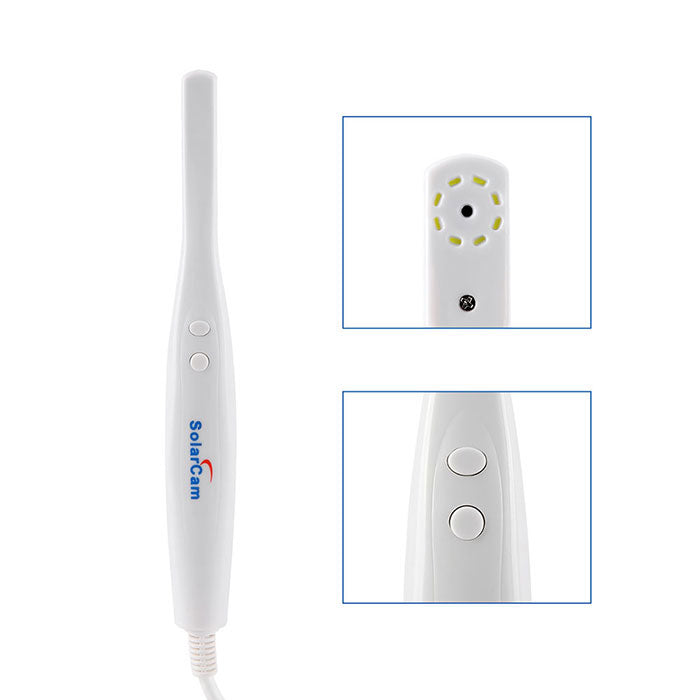
Professional Dental Equipment Guide 2026
Top 5 FAQs for Purchasing Intraoral Cameras – Focus on Voltage, Spare Parts, Installation & Warranty
Information accurate as of Q1 2026. Specifications and availability may vary by region and manufacturer. Always consult with certified dental equipment suppliers before procurement.
Need a Quote for Intraoral Camera Price?
Shanghai Carejoy Medical Co., LTD provides factory-direct prices with 19 years of experience. (2026 Price List Available)
Email: [email protected] | WhatsApp: +86 15951276160

