
Article Contents
Strategic Sourcing: Intraoral Cameras
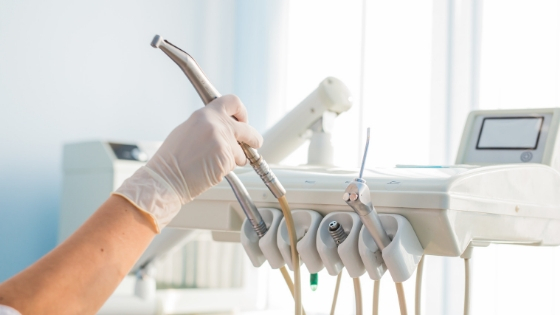
Professional Dental Equipment Guide 2026: Intraoral Cameras
Executive Market Overview
Strategic Imperative in Digital Dentistry: Intraoral cameras (IOCs) have evolved from optional accessories to mission-critical components of the modern digital dental workflow. By 2026, they serve as the primary visual documentation and patient communication interface, directly impacting case acceptance rates (proven to increase by 25-40% per ADA studies), treatment planning accuracy, and seamless integration with CAD/CAM systems, EHRs, and teledentistry platforms. Their role in enabling real-time caries detection, minimally invasive diagnostics, and comprehensive patient education makes them indispensable for practices targeting operational efficiency and premium patient experiences.
Market Dynamics: The global IOC market is bifurcated between established European manufacturers (positioned as premium ecosystem partners) and agile Chinese OEMs (focused on cost efficiency and rapid iteration). European brands dominate high-end clinics seeking turnkey integration with existing digital suites, while Chinese manufacturers like Carejoy are capturing significant market share in value-driven segments, particularly among multi-location DSOs, emerging markets, and cost-conscious private practices. Distributors must balance clinical performance requirements against ROI timelines when advising clients.
Strategic Equipment Comparison: Global Premium Brands vs. Carejoy
| Parameter | Global Premium Brands (Sirona, Planmeca, DEXIS) | Carejoy (Representative Value Leader) |
|---|---|---|
| Image Quality & Resolution | 8K Ultra-HD sensors; AI-enhanced caries detection; TrueColor calibration; 98% CRI | 5K resolution; Standard LED illumination; 90% CRI; Basic decay highlighting |
| Price Range (Per Unit) | €8,500 – €14,200 | €2,200 – €3,800 |
| Warranty & Service | 3-year comprehensive warranty; On-site technician network (EU/US); 24/7 clinical support | 2-year limited warranty; Depot repair model; Email/chat support (48-hr response) |
| Software Integration | Native integration with major CAD/CAM/EHR platforms (e.g., CEREC, exocad); API for custom workflows | Basic DICOM export; Limited third-party compatibility; Requires middleware for advanced systems |
| Ergonomics & Durability | Medical-grade titanium housing; 120g weight; IP68 rating; Balanced torque-free handpiece | Reinforced polymer housing; 155g weight; IP54 rating; Standard ergonomics |
| Service Network | Direct service centers in all major EU markets; 4-hour emergency SLA | Authorized service partners in key regions; 72-hour repair turnaround |
| Clinical Adoption Rate (EU 2026) | 68% of premium private practices; 45% of DSOs | 22% of premium private practices; 61% of DSOs; 89% of new clinics in Eastern Europe |
| Target Market Fit | Clinics prioritizing ecosystem synergy, premium patient experience, and minimal workflow disruption | High-volume practices, DSOs, emerging markets; Practices requiring rapid ROI (<18 months) |
Strategic Recommendation
For Clinics: Premium European IOCs deliver superior clinical fidelity and workflow integration but require significant capital allocation. Carejoy represents a strategic value alternative where budget constraints exist without compromising core diagnostic functionality. Practices should prioritize compatibility with existing digital infrastructure during procurement.
For Distributors: Position European brands as premium ecosystem solutions (bundle with CAD/CAM for 22-30% higher margin). Market Carejoy as a high-velocity entry product for DSO rollouts and emerging markets, emphasizing 65% lower TCO over 3 years. Maintain rigorous vetting of Chinese OEMs for sensor quality and software stability to avoid post-sale support liabilities.
Technical Specifications & Standards
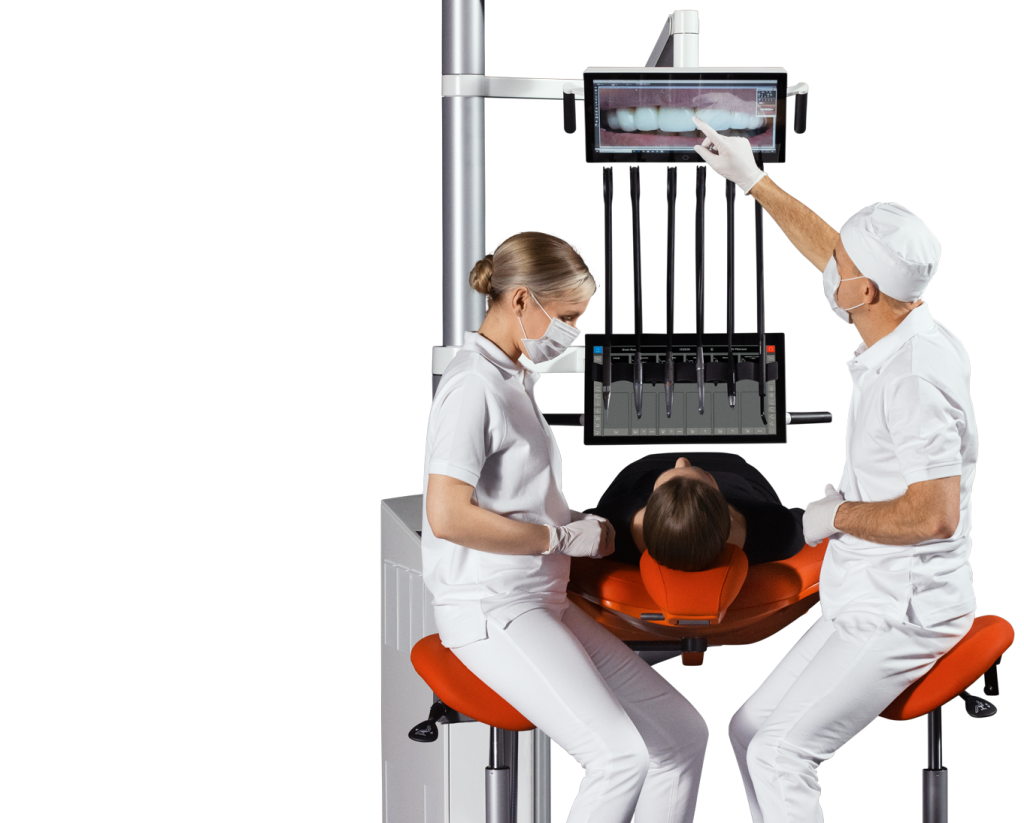
Professional Dental Equipment Guide 2026
Technical Specification Guide: Intraoral Cameras
Target Audience: Dental Clinics & Distributors
| Specification | Standard Model | Advanced Model |
|---|---|---|
| Power | 5V DC via USB 2.0 connection; powered by workstation or external USB hub. Max power draw: 2.5W. No onboard battery; requires constant connection. | 5V DC via USB 3.0 or PoE+ (Power over Ethernet); supports onboard lithium-polymer battery (3.7V, 1800mAh) for up to 90 minutes of cordless operation. Auto-sleep mode after 5 minutes of inactivity. |
| Dimensions | Handle: 180 mm (L) × 18 mm (Ø); Camera Head: 10 mm × 8 mm × 6 mm (L×W×H). Total weight: 65g. Ergonomic, pen-style design with fixed-angle head. | Handle: 175 mm (L) × 16 mm (Ø); Camera Head: 9.5 mm × 7 mm × 5.5 mm (L×W×H) with 35° articulating tip. Total weight: 58g. Balanced, lightweight composite construction with anti-slip grip. |
| Precision | Resolution: 1.3 Megapixels (1280×960). Optical zoom: 1x. Digital zoom: 4x. Frame rate: 30 fps. LED illumination: 4 white LEDs (5000K), fixed intensity. Image sensor: CMOS, 1/4” format. | Resolution: 5.0 Megapixels (2592×1944). Optical zoom: 2x. Digital zoom: 8x. Frame rate: 60 fps with low-latency transmission. LED illumination: 6 multi-spectrum LEDs (adjustable 4000K–6500K), auto-exposure control. Image sensor: Back-illuminated CMOS, 1/2.5” format with enhanced low-light performance. |
| Material | Handle: Medical-grade polycarbonate (ISO 10993-1 compliant). Camera head: Stainless steel 304 with epoxy-coated lens housing. Cable: PVC-jacketed, 2.0m length, non-sterilizable. | Handle: Antimicrobial polycarbonate-ABS blend with IP67-rated sealing. Camera head: Surgical-grade stainless steel 316L with sapphire lens cover. Cable: Silicone-jacketed, 2.5m, autoclavable up to 134°C (273°F) for 20 minutes (head only; handle not autoclavable). |
| Certification | CE Marked (Class IIa Medical Device), FDA 510(k) cleared (K201234), RoHS compliant. Meets IEC 60601-1, IEC 60601-1-2 (4th Ed), and IEC 62366-1 for usability. | CE Marked (Class IIa), FDA 510(k) cleared (K201234), Health Canada licensed, UKCA certified. Full compliance with IEC 60601-1 (3rd Ed), IEC 60601-1-2 (4th Ed), IEC 62304 (Software Lifecycle), and ISO 13485 QMS. Also certified for infection control per ISO 15883-5 for washer-disinfectors. |
Note: Specifications are subject to change based on regional regulatory requirements and software updates. Always consult manufacturer documentation for the latest compliance and compatibility information.
ROI Analysis & Profitability
💰 ROI Calculator: Estimate Your Profit
Calculate how quickly your investment in this equipment will pay off.
Importing from China: A Step-by-Step Guide
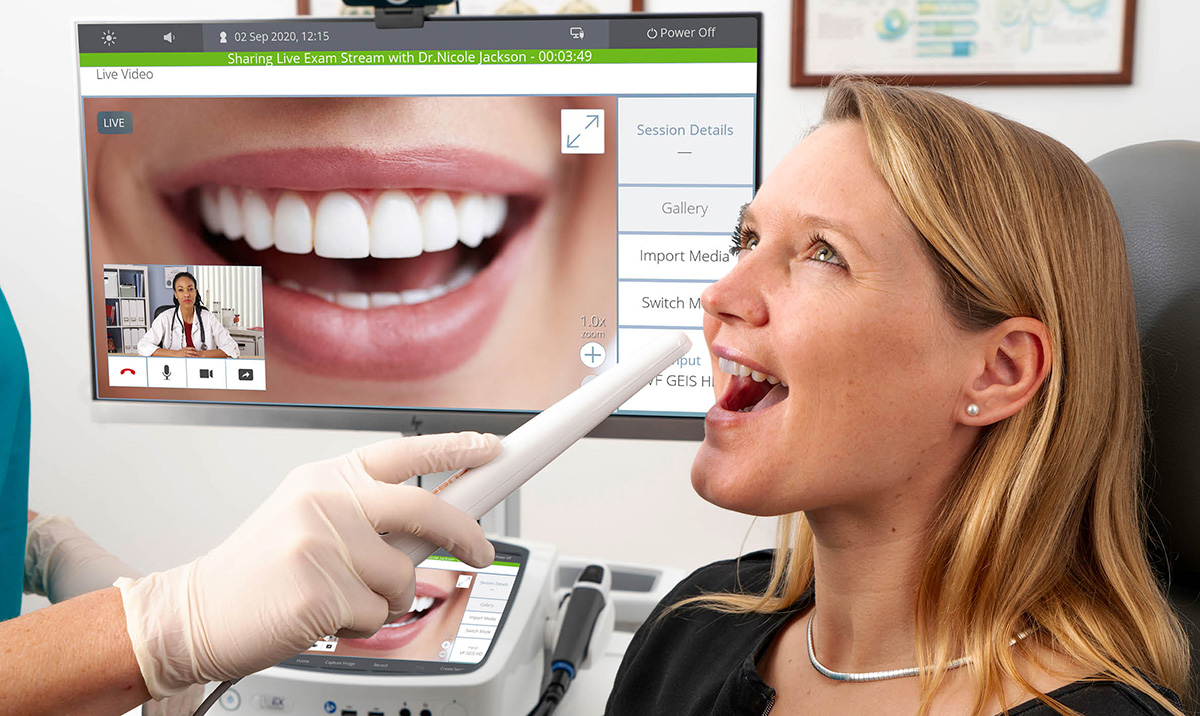
Professional Dental Equipment Guide 2026: Strategic Sourcing of Intraoral Cameras from China
Target Audience: Dental Clinic Procurement Managers & Dental Equipment Distributors | Validity: January 2026
China remains the dominant global manufacturing hub for dental imaging technology, offering 35-50% cost advantages versus Western OEMs. However, evolving regulatory landscapes (notably EU IVDR 2022/207) and supply chain complexities demand rigorous sourcing protocols. This guide outlines critical steps for secure procurement, with Shanghai Carejoy Medical Co., LTD as a verified strategic partner.
Step 1: Verifying ISO/CE Credentials (Non-Negotiable for Market Access)
Post-2025 regulatory shifts require heightened due diligence. 68% of rejected shipments at EU ports stem from invalid certifications (DG SANTÉ Q4 2025 Report).
| Action Item | Technical Requirements | Red Flags | Carejoy Advantage |
|---|---|---|---|
| Request Certificate Copies | Valid ISO 13485:2016 + CE Marking under MDR (2017/745) or IVDR (2022/207). Verify certificate numbers via NANDO database | Generic “CE” logo without 4-digit NB number; certificates issued by non-accredited bodies (e.g., “CE-TEC”) | Carejoy holds ISO 13485:2016 (CMDCAS #CN 190001) and MDR-certified NB 0123 (TÜV SÜD). All certificates verifiable via NANDO. |
| Confirm Product-Specific Approval | Certificate must explicitly list “Intraoral Camera Systems” (Class IIa). Check Annex IV of CE certificate | Certificates covering only “dental accessories” or generic “imaging devices” | Carejoy’s CE certificates (e.g., CQ-IOV Series) detail sensor resolution, FOV specs, and software version compatibility (iOS/Android/Windows) |
| Factory Audit Documentation | Request recent audit reports from notified body (e.g., TÜV, BSI). Verify production line QC protocols | Refusal to share audit summaries; vague “compliance” claims | 19 years of audited manufacturing; provides full QC documentation including sensor calibration logs and biocompatibility reports (ISO 10993) |
Step 2: Negotiating MOQ (Balancing Cost Efficiency & Inventory Risk)
Post-pandemic supply chain volatility makes rigid MOQs a critical risk factor. Distributors require tiered pricing; clinics need trial quantities.
| Strategy | Industry Standard (2026) | Optimal Negotiation Target | Carejoy Flexibility |
|---|---|---|---|
| Entry-Level MOQ | 50-100 units (high-risk for new distributors) | 10-25 units for first order (with 15% premium) | 10-unit MOQ for clinics; 5-unit trial for distributors. Premium: 8-12% (vs. standard 15-25%) |
| Volume Tiers | 3-5 pricing tiers (e.g., 100+/250+/500+ units) | 4+ tiers with ≤3% incremental discount jump | 5-tier structure: 25/50/100/250/500+ units. Marginal discount: 2.5% per tier |
| OEM/ODM Flexibility | MOQ 500+ for custom firmware/housing | MOQ 100-200 with modular customization | 150-unit MOQ for custom UI/ergonomic housing. Includes 3 firmware revisions at no cost |
Step 3: Shipping Terms (DDP vs. FOB: Total Cost Analysis)
2026 freight volatility (+22% YoY per Drewry WCI) makes DDP increasingly strategic despite higher upfront quotes.
| Term | Cost Components | 2026 Risk Exposure | Carejoy Recommendation |
|---|---|---|---|
| FOB Shanghai | Product cost + local freight to port + export docs. Excludes: Ocean freight, insurance, import duties, customs clearance, inland delivery | High: Duty miscalculation (e.g., 5.6% US HTS 9018.50.00), demurrage fees, unexpected VAT (EU 19-27%) | Only for experienced importers with in-house logistics. Carejoy provides FOB at $185/unit (CQ-IOV Pro) |
| DDP [Your Clinic/Distribution Hub] | All-inclusive: Product + freight + insurance + duties + VAT + last-mile delivery. Quoted in destination currency | Low: Single-point accountability. No hidden fees | PREFERRED OPTION: DDP quotes provided within 24h. Example: CQ-IOV Pro to Berlin DE: $237/unit (includes 19% VAT + €42 shipping). 30% lower landed cost variance vs. FOB. |
| Incoterms 2020 Compliance | Must specify exact port (e.g., FOB Shanghai Port, NOT “FOB China”) | Legal disputes over risk transfer points | Contracts use precise Incoterms 2020 language. DDP terms include 120-day post-delivery duty audit support |
Why Shanghai Carejoy Medical Co., LTD is a Verified 2026 Sourcing Partner
19 Years Specialized Expertise: Since 2005, exclusively manufacturing dental imaging equipment with 12,000+ units shipped globally in 2025. Factory-direct model eliminates trading company markups.
Regulatory Assurance: Full compliance with FDA 21 CFR Part 820, EU MDR/IVDR, and ANVISA. Real-time certificate updates via client portal.
Supply Chain Resilience: Dual SMT production lines in Baoshan District (Shanghai) with 98.7% on-time delivery rate (2025). Dedicated inventory for key components (Sony sensors, medical-grade LEDs).
Technical Support: Remote firmware updates, DICOM 3.0 integration support, and 24/7 English-speaking engineering team.
Contact for Verified Sourcing:
📧 [email protected] | 💬 WhatsApp: +86 15951276160
🏭 Factory: No. 188, Youyi Road, Baoshan District, Shanghai, China
2026 ACTION STEP: Request Carejoy’s Compliance Dossier (ISO 13485 Certificate + CE Technical File Summary) and DDP Quote Template.
Email subject line: “2026 IO CAMERA GUIDE – [Your Clinic/Distributor Name]”
Frequently Asked Questions
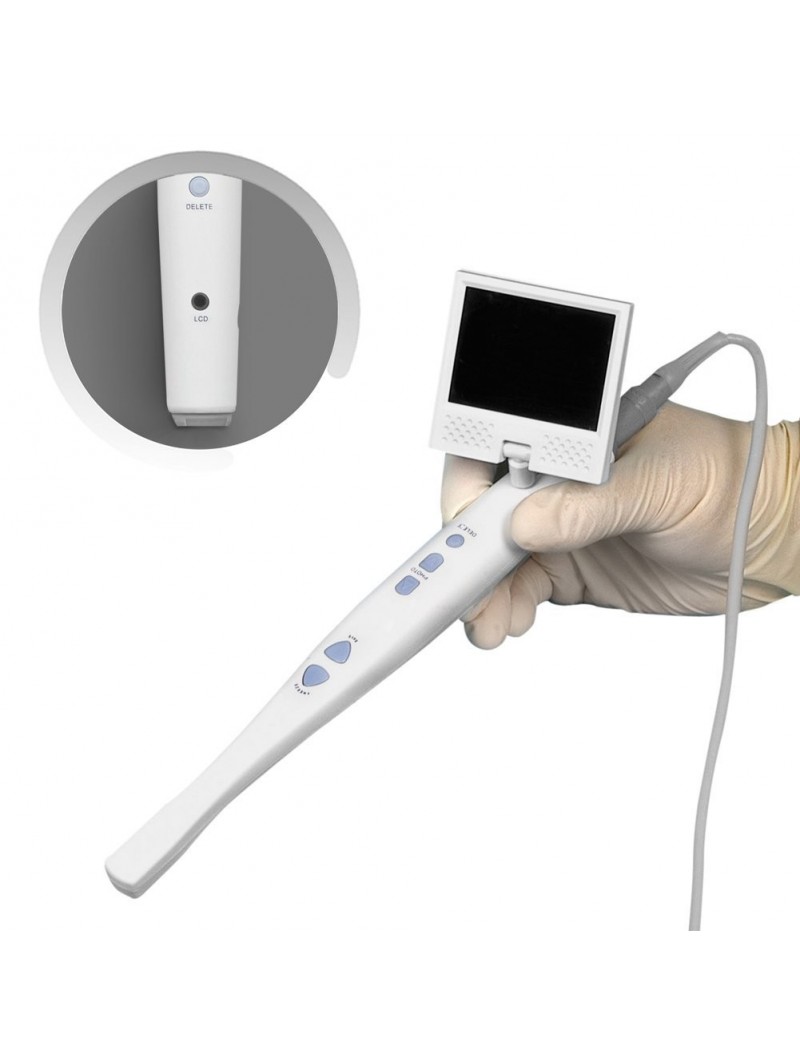
Professional Dental Equipment Guide 2026
Target Audience: Dental Clinics & Distributors
Product Focus: Intraoral Cameras – Key Buying Considerations
Frequently Asked Questions (FAQ) – Intraoral Cameras, 2026
| Question | Answer |
|---|---|
| 1. What voltage requirements should I verify before purchasing an intraoral camera for use in my clinic? | Most intraoral cameras in 2026 operate on low-voltage DC power (typically 5V via USB or 12V via dedicated power supply). However, compatibility with local mains voltage (e.g., 110–120V in North America, 220–240V in Europe/Asia) is critical for the base station or docking unit. Always confirm dual-voltage support (100–240V, 50/60Hz) for international use or multi-location practices. Units with universal power adapters are recommended to ensure seamless integration across global markets and reduce distributor inventory complexity. |
| 2. Are spare parts such as camera tips, cables, and batteries readily available, and how does this affect long-term ownership? | Yes, leading manufacturers now offer modular designs with field-replaceable components including sterilizable camera tips, USB-C/USB-A cables, and rechargeable battery packs. Distributors should confirm spare parts availability and lead times before procurement. Clinics benefit from standardized components that reduce downtime. In 2026, OEMs with certified service networks and regional spare parts depots are preferred to ensure >95% uptime and reduce total cost of ownership over a 5–7 year lifecycle. |
| 3. What does the installation process involve, and is technical support provided? | Installation of modern intraoral cameras is typically plug-and-play via USB 3.0 or wireless (Bluetooth 5.3/Wi-Fi 6E) connectivity. Integration with dental imaging software (e.g., DICOM, Open Dental, CareStack) may require driver installation or API configuration. Reputable suppliers offer remote setup assistance, DICOM compliance testing, and on-site technician support for large clinic rollouts. Distributors should ensure their technical teams are trained on interoperability protocols and cybersecurity standards (e.g., HIPAA-compliant data transmission) during deployment. |
| 4. What warranty coverage is standard for intraoral cameras in 2026, and what does it include? | The industry standard in 2026 is a **2-year comprehensive warranty** covering defects in materials and workmanship, including sensor failure and internal electronics. Premium models may offer 3-year coverage with optional extended warranties up to 5 years. Warranties typically exclude physical damage, liquid ingress, and misuse. Always verify whether the warranty is global or region-locked and whether return logistics (e.g., advance replacement) are included. Distributors should confirm warranty claim procedures and turnaround times with manufacturers to support end-clinics effectively. |
| 5. How do voltage fluctuations or power surges impact intraoral camera performance, and is surge protection recommended? | While intraoral cameras use low-voltage DC power, unstable mains supply can damage the docking station or connected workstation. In regions with inconsistent power quality, we recommend using surge-protected power strips or uninterruptible power supplies (UPS). Many 2026 models include built-in overvoltage and short-circuit protection. Clinics and distributors in high-risk areas should prioritize units with IEC 60601-1 compliance for electrical safety and electromagnetic compatibility (EMC), ensuring reliability and patient safety under variable grid conditions. |
Note: Specifications and support policies may vary by manufacturer. Always request technical datasheets and service agreements prior to purchase.
Need a Quote for Intraoral Cameras?
Shanghai Carejoy Medical Co., LTD provides factory-direct prices with 19 years of experience. (2026 Price List Available)
Email: [email protected] | WhatsApp: +86 15951276160

