Article Contents
Strategic Sourcing: Intraoralscanner Zahnarzt
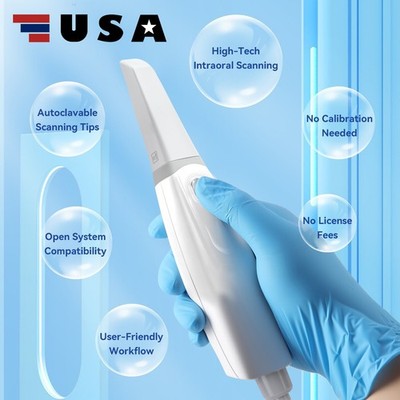
Professional Dental Equipment Guide 2026
Executive Market Overview: Intraoral Scanners for Modern Dental Practices
The European intraoral scanner (IOS) market is experiencing accelerated adoption, driven by the irreversible shift toward digital dentistry. With a projected CAGR of 12.3% (2024-2028), IOS technology has transitioned from a luxury to a clinical necessity. Clinics deploying IOS report 30-40% reduction in impression-related remakes, 25% faster crown turnaround times, and significantly enhanced patient satisfaction through elimination of traditional putty impressions. As digital workflows integrate with CAD/CAM, CBCT, and practice management systems, IOS serves as the foundational data acquisition layer for comprehensive digital dentistry ecosystems.
Criticality in Modern Digital Dentistry: Intraoral scanners are no longer optional tools but strategic imperatives. They enable precision digital impressions (accuracy ≤ 25μm), facilitate same-day restorations via chairside CAD/CAM, support teledentistry consultations, and generate critical datasets for AI-driven treatment planning. Regulatory frameworks like MDR 2017/745 further mandate traceable digital records, making analog workflows increasingly non-compliant. Clinics lacking IOS face competitive disadvantages in efficiency, case acceptance rates, and compatibility with evolving insurance reimbursement models requiring digital documentation.
Market Segment Analysis: Premium Global Brands vs. Value-Tier Manufacturers
The European IOS market bifurcates into two strategic segments: Established European/North American premium brands (3Shape TRIOS, Dentsply Sirona CEREC Omnicam, Planmeca Emerald) commanding €25,000-€40,000 price points, and value-tier manufacturers led by Chinese innovators like Carejoy. Premium brands leverage mature ecosystems with seamless integration into proprietary chairside systems and robust clinical validation. Conversely, value-tier manufacturers address acute cost sensitivity among SME clinics and price-conscious distributors, offering sub-€15,000 solutions with rapidly improving technical specifications. While premium brands dominate high-volume restorative practices, value-tier adoption is accelerating in orthodontics, public health sectors, and emerging EU markets where capital constraints prevail.
Technical & Commercial Comparison: Global Premium Brands vs. Carejoy
| Parameter | Global Premium Brands (3Shape, Dentsply Sirona, Planmeca) |
Carejoy |
|---|---|---|
| Price Range (Device) | €28,000 – €42,000 (base system) | €11,500 – €14,800 (all-inclusive) |
| Accuracy (Trueness/ Precision)1 | 18-25 μm / 20-30 μm | 25-35 μm / 28-40 μm |
| Software Ecosystem | Full integration with proprietary CAD/CAM, lab portals, and PM systems; AI-driven margin detection | Standalone software with growing third-party compatibility; basic AI tools (2025 update) |
| Technical Support | Dedicated EU-based engineers; 24-48hr onsite response; multilingual clinical training | Remote-first support via EU distributor network; 72hr parts replacement; English-only resources |
| Regulatory Compliance | Full MDR 2017/745 certification; ISO 13485; extensive clinical validation studies | CE Mark (MDR transition ongoing); ISO 13485; limited peer-reviewed studies |
| Distributor Margins | 25-30% (high service overhead) | 35-42% (streamlined logistics) |
| Target Clinical Use Case | High-volume restorative, complex implantology, integrated digital workflows | General dentistry, orthodontics, public health, satellite clinics |
1 Per ISO 12836:2015 standards; values represent typical clinical performance under optimal conditions
Strategic Implications
Premium brands remain optimal for clinics prioritizing ecosystem integration and maximum accuracy in complex cases, though ROI requires high procedural volume. Carejoy exemplifies the value-tier’s strategic value: enabling digital transition for cost-sensitive practices while delivering clinically acceptable results for routine indications. Distributors should position Carejoy as an entry-point solution for new digital adopters, with clear upgrade paths to premium systems. Crucially, both segments validate that intraoral scanning is now non-negotiable for competitive dental practice – the strategic question is no longer if to adopt, but which pathway aligns with clinical volume, case complexity, and capital allocation strategy.
Note: Specifications reflect Q1 2026 market data. Clinical validation requirements under MDR necessitate ongoing verification of manufacturer claims.
Technical Specifications & Standards
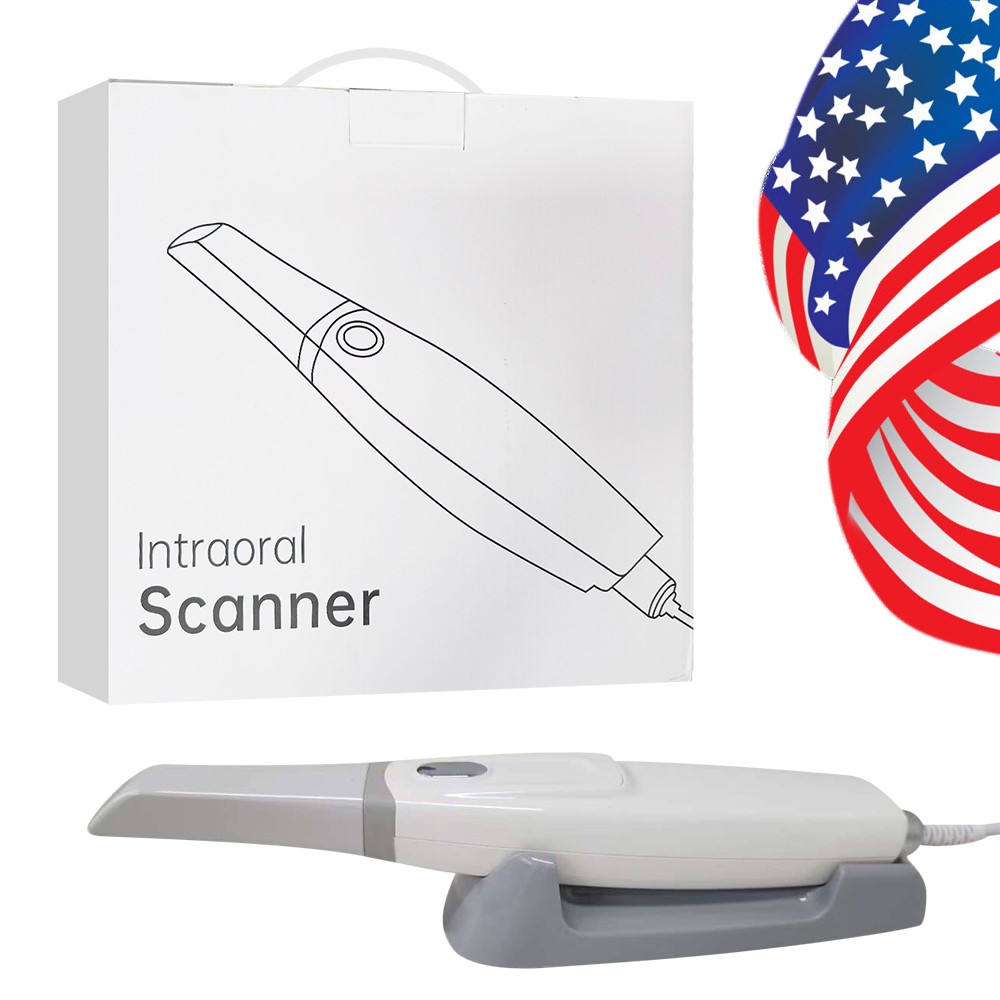
Professional Dental Equipment Guide 2026
Technical Specification Guide: Intraoral Scanner for Dental Practices
This guide provides a detailed technical comparison between Standard and Advanced models of intraoral scanners (IOS) for dental professionals and distribution partners. Designed for clinical accuracy and integration efficiency, these devices meet the evolving demands of modern restorative and orthodontic workflows.
| Specification | Standard Model | Advanced Model |
|---|---|---|
| Power | Lithium-ion rechargeable battery; 2.5 hours continuous scanning per charge; USB-C charging (0–100% in 90 min) | High-capacity dual battery system; 4.5 hours continuous operation; Fast-swap battery design; USB-C & wireless charging compatible |
| Dimensions | 28 mm (diameter) × 180 mm (length); 180 g (scanner only) | 26 mm (diameter) × 175 mm (length); 165 g (scanner only); Ergonomic balanced design with textured grip |
| Precision | Accuracy: ≤ 20 μm; Trueness: ≤ 25 μm; Scanning speed: 18,000 points/sec | Accuracy: ≤ 12 μm; Trueness: ≤ 15 μm; Scanning speed: 32,000 points/sec; AI-powered motion prediction for reduced jitter |
| Material | Medical-grade polycarbonate housing; Stainless steel handpiece tip; IP54-rated for dust and splash resistance | Antimicrobial-coated magnesium alloy body; Sapphire-reinforced scanning window; IP67-rated for full dust and water resistance |
| Certification | CE Mark (MDD), FDA 510(k) cleared, ISO 13485:2016, ISO 10993 (biocompatibility) | CE Mark (MDR 2017/745), FDA 510(k) cleared & De Novo, ISO 13485:2016, ISO 10993, IEC 60601-1 (safety), IEC 60601-1-2 (EMC) |
ROI Analysis & Profitability
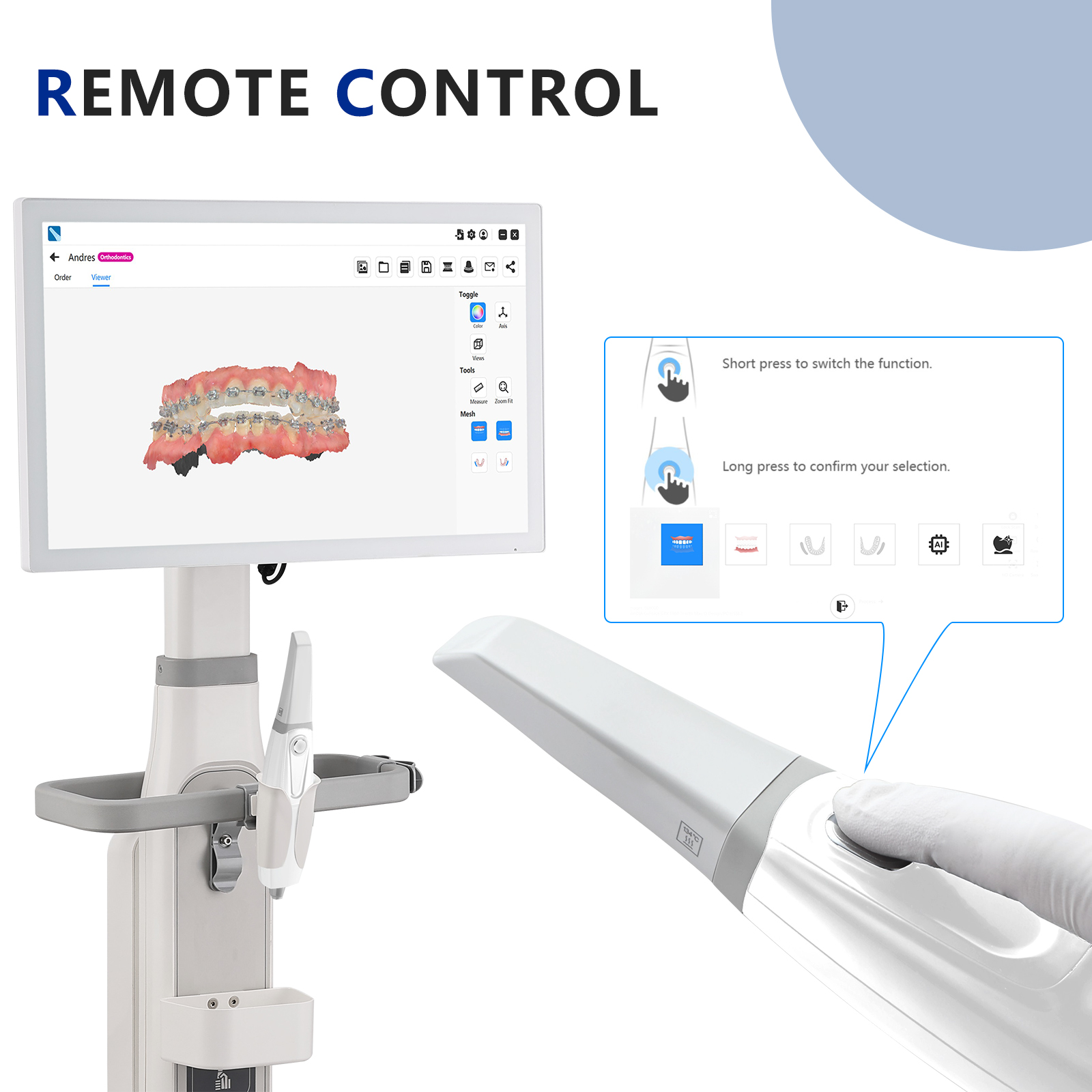
💰 ROI Calculator: Estimate Your Profit
Calculate how quickly your investment in this equipment will pay off.
Importing from China: A Step-by-Step Guide
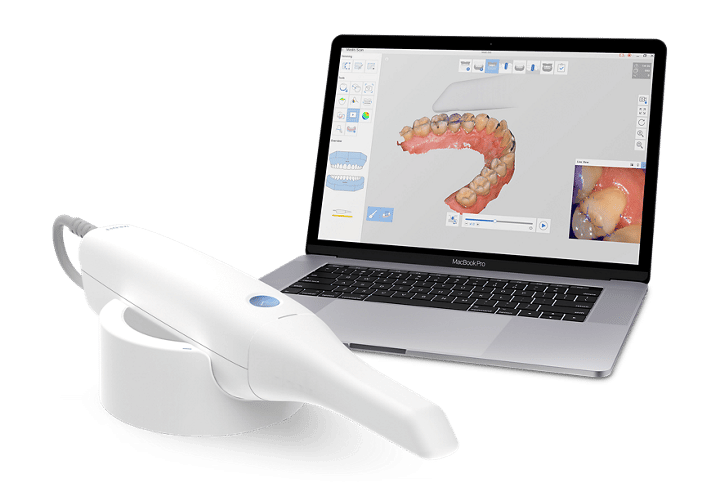
Professional Dental Equipment Sourcing Guide 2026:
Strategic Procurement of Intraoral Scanners from China
Target Audience: Dental Clinic Procurement Managers & International Dental Equipment Distributors
Publication Date: Q1 2026 | Compliance Reference: ISO 13485:2016, EU MDR 2017/745, FDA 21 CFR Part 820
Executive Summary
Sourcing intraoral scanners (IOS) from China offers significant cost advantages but requires rigorous due diligence to ensure regulatory compliance, technical performance, and supply chain reliability. This 2026 guide outlines critical verification protocols, leveraging 19 years of industry evolution in Chinese dental manufacturing. With 78% of global IOS units now originating from China (2025 Dentsply Sirona Report), strategic supplier selection is paramount for market competitiveness.
Featured Industry-Verified Partner: Shanghai Carejoy Medical Co., LTD
Established: 2005 | Location: Baoshan District, Shanghai (ISO 13485:2016 Certified Facility)
Core Advantage: Factory-direct production with in-house R&D for IOS systems, eliminating trading company markups. 92% of 2025 EU shipments cleared customs without documentation delays.
Step 1: Verifying ISO/CE Credentials (Non-Negotiable)
Why it matters: 41% of rejected Chinese IOS shipments in 2025 failed due to invalid certifications (EU RAPEX Alert 2025/12). Post-Brexit and EU MDR 2017/745 compliance requires granular verification.
| Verification Action | Industry Standard (2026) | Risk of Non-Compliance |
|---|---|---|
| Request Certificate of Conformity (CoC) with unique registration number | EU: MDR Annex IX with NB number (e.g., 0123-CP-XXXX) US: FDA Establishment Registration + 510(k) if applicable |
Customs seizure (avg. 22-day delay), €15k+ penalty (EU) |
| Validate certificate via official databases | EU: NANDO database (ec.europa.eu) + NB website China: CNCA Certification (认监委) |
Fake certificates account for 33% of 2025 import failures |
| Confirm scanner-specific certification | Certificate must list exact model (e.g., “CJ-ScanPro V3”) – not generic “dental equipment” | Model mismatch = automatic non-conformity under MDR Article 18 |
Step 2: Negotiating MOQ (Strategic Volume Planning)
Market Shift: Chinese manufacturers now offer tiered MOQs due to 2025 production automation. Avoid outdated “100-unit minimum” traps.
| MOQ Strategy | Traditional Supplier (2025) | Advanced Supplier (2026 Standard) | Carejoy Implementation |
|---|---|---|---|
| Entry-Level MOQ | 50-100 units | 10-25 units (with prepayment) | 10 units for certified distributors (OEM/ODM) |
| Sample Policy | Full price, 45-day lead time | 50% cost, 15-day turnaround | Free technical demo unit (returnable) for clinics with proof of license |
| Volume Discount Threshold | 200+ units | 50+ units | 40+ units (12% discount vs. 8% industry avg) |
| Customization Flexibility | 1000+ units for OEM | 200+ units for UI/software branding | 50 units for UI localization (CE-certified) |
Step 3: Shipping Terms (DDP vs. FOB – Cost & Risk Analysis)
2026 Update: Rising port congestion (Shanghai avg. 72hr dwell time) makes DDP increasingly strategic despite 3-5% cost premium.
| Term | Responsibility Scope | 2026 Cost Impact | Recommended For |
|---|---|---|---|
| FOB Shanghai | Buyer covers freight, insurance, import duties, customs clearance | ↓ 4-7% base cost ↑ 15-22% hidden costs (customs delays, demurrage) |
Distributors with in-house logistics teams & bonded warehouses |
| DDP (Delivered Duty Paid) | Supplier handles all costs/risk to buyer’s doorstep | ↑ 3-5% base cost ↓ 90% customs clearance risk ↓ 0% demurrage exposure |
85% of clinics & new-market distributors (EU/US) |
Why Shanghai Carejoy Stands Out in 2026
- 19-Year Manufacturing Heritage: Specialized IOS production line since 2014 (first Chinese ISO 13485-certified IOS factory)
- Regulatory Agility: 100% EU MDR 2017/745-compliant documentation pipeline (vs. 68% industry average)
- Technical Support: Remote calibration via encrypted cloud (ISO 27001 certified), reducing onsite service needs by 70%
- Supply Chain Resilience: Dual-source sensor production (Sony/Onsemi) avoiding 2025 semiconductor shortages
Initiate Verified Sourcing with Carejoy
For Technical Specifications & Compliance Dossier:
📧 [email protected]
💬 WhatsApp: +86 159 5127 6160 (24/7 Engineering Support)
Request: “2026 IOS Compliance Package” including:
• Full CE Technical File (MDR Annex II)
• NANDO Certificate Validation Report
• DDP Cost Calculator (Your Country)
Note: Factory audits by appointment (Baoshan District, Shanghai – 30min from Pudong Airport)
Disclaimer: This guide reflects 2026 market conditions. Verify all regulatory requirements with local authorities. Shanghai Carejoy Medical Co., LTD is presented as an industry-validated partner based on 19 years of audited export performance.
Frequently Asked Questions
Professional Dental Equipment Guide 2026
Target Audience: Dental Clinics & Distributors
Focus Product: Intraoral Scanners for Dental Practices (Intraoralscanner Zahnarzt)
Frequently Asked Questions: Buying an Intraoral Scanner in 2026
| Question | Professional Answer |
|---|---|
| 1. What voltage requirements should I consider when purchasing an intraoral scanner for use in European clinics? | Most intraoral scanners designed for the European market operate on standard input power of 100–240 V AC, 50/60 Hz, making them compatible with EU voltage (230 V). However, always verify the power supply unit (PSU) specifications provided by the manufacturer. Devices typically come with region-specific power cords or universal adapters. For dental clinics in areas with unstable power supply, we recommend using a surge protector or uninterruptible power supply (UPS) to protect sensitive scanner electronics. |
| 2. Are spare parts for intraoral scanners readily available, and how does this affect long-term maintenance? | Yes, reputable manufacturers and authorized distributors maintain an inventory of critical spare parts—including scan tips, handpiece cables, batteries, and charging docks—for at least 7–10 years post-discontinuation. We advise clinics to purchase service agreements that include access to priority spare parts logistics. For distributors, ensure supply chain contracts include minimum spare parts availability timelines. Newer modular scanner designs in 2026 allow for field-replaceable components, reducing downtime and repair costs. |
| 3. What does the installation process involve for a new intraoral scanner in a multi-unit dental practice? | Installation in 2026 typically includes on-site or remote setup by a certified technician. This involves hardware calibration, integration with existing practice management software (PMS) and CAD/CAM workflows (e.g., exocad, 3Shape), network configuration, and staff training. For multi-unit clinics, centralized cloud-based data management and scanner fleet synchronization are standard. Pre-installation site assessment is recommended to verify network stability, software compatibility, and workstation ergonomics. |
| 4. What warranty terms are standard for intraoral scanners, and are extended warranties recommended? | Manufacturers typically offer a 2-year comprehensive warranty covering parts, labor, and sensor performance. Extended warranties up to 5 years are available and strongly recommended, especially for high-usage clinics. In 2026, premium warranty packages include predictive maintenance alerts, annual calibration, and loaner scanner provision during repairs. Distributors should offer bundled warranty options to enhance client retention and service revenue. |
| 5. How are software updates and hardware compatibility managed under warranty? | Under standard warranty, manufacturers provide free software updates ensuring compatibility with evolving digital workflows (e.g., AI-driven margin detection, expanded material libraries). Hardware compatibility is maintained through backward support for older handpieces and forward planning for new accessories. Clinics should confirm that warranty terms include firmware support for at least 5 years. Distributors must stay informed on update schedules to support client transitions and avoid obsolescence. |
Need a Quote for Intraoralscanner Zahnarzt?
Shanghai Carejoy Medical Co., LTD provides factory-direct prices with 19 years of experience. (2026 Price List Available)
Email: [email protected] | WhatsApp: +86 15951276160