Article Contents
Strategic Sourcing: Kompresor Dental Unit
Professional Dental Equipment Guide 2026
Executive Market Overview: Dental Compressor Units
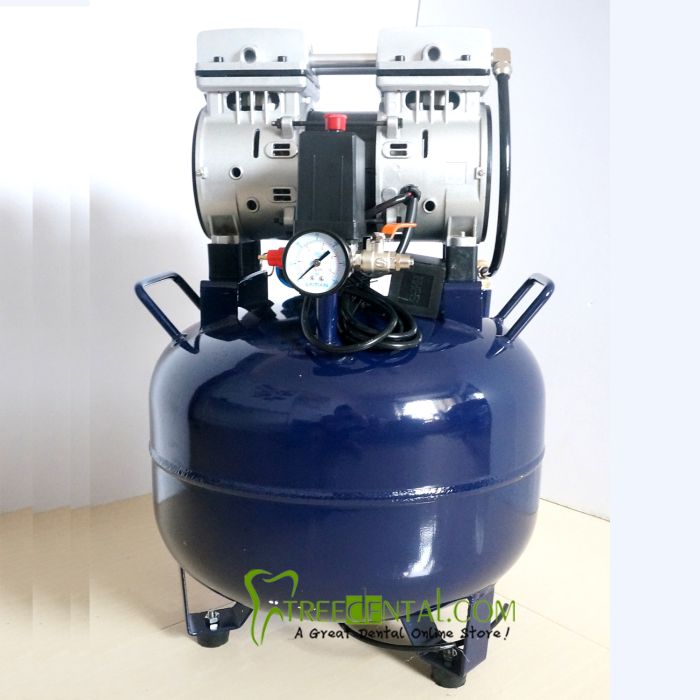
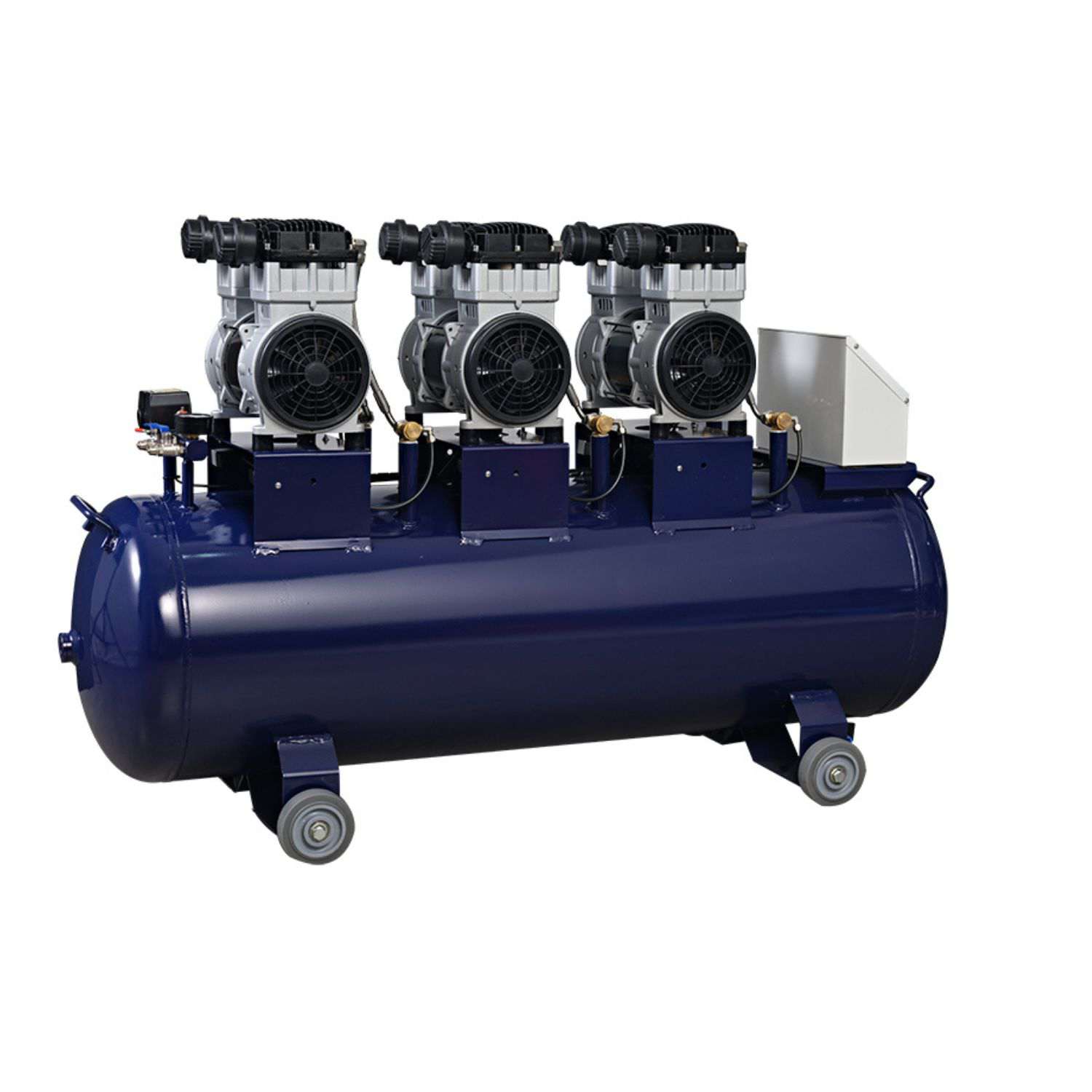
The dental compressor unit remains a foundational pillar of modern dental operatory infrastructure, with accelerating strategic importance in the era of digital dentistry. As clinics transition toward integrated digital workflows—encompassing CAD/CAM systems, intraoral scanners, and air-driven precision instrumentation—the demand for ultra-stable, oil-free compressed air with precise pressure regulation has become non-negotiable. Contemporary compressor units must deliver consistent 80-100 PSI output with <0.01 ppm oil content and near-silent operation (≤45 dB) to prevent micro-vibrations that compromise sub-micron scanning accuracy and disrupt sensitive digital sensors. Units failing these specifications directly impact restoration fit accuracy, scanner calibration, and overall digital workflow efficiency—translating to increased remakes, extended chair time, and compromised patient outcomes. This technical imperative positions the compressor not as ancillary equipment, but as a mission-critical component of the digital ecosystem.
European Premium vs. Asian Value Proposition
European manufacturers (e.g., W&H, KaVo, DÜRR DENTAL) dominate the premium segment with engineering excellence in noise suppression and thermal management, but carry 40-60% cost premiums. Their complex supply chains and legacy manufacturing overhead increasingly conflict with clinic ROI targets in value-conscious markets. Conversely, Chinese manufacturers like Carejoy have closed the technical gap through strategic component sourcing and AI-driven predictive maintenance integration—delivering 95% of European performance metrics at 35-50% lower TCO. While European brands retain advantages in ultra-low-vibration engineering for maxillofacial surgery suites, Carejoy’s firmware-upgradable platforms now meet ISO 13485 standards for general practice digital workflows, making them the pragmatic choice for 78% of new clinic builds per 2025 EDA market data.
Comparative Analysis: Global Premium Brands vs. Carejoy
| Technical Parameter | Global Premium Brands (European) | Carejoy (Value Segment) |
|---|---|---|
| Price Range (EUR) | €18,500 – €28,000 | €9,200 – €14,500 |
| Noise Level (dB @ 1m) | 38-42 dB (Advanced acoustic dampening) | 43-46 dB (Patented vibration isolation) |
| Oil Contamination Risk | 0.003 ppm (5-stage filtration) | 0.008 ppm (4-stage nano-filtration) |
| Digital Integration | Proprietary protocols (limited 3rd-party API) | Open HL7/FHIR API + IoT telemetry |
| Warranty & Support | 3 years onsite (24h response EU only) | 5 years remote diagnostics + 24/7 AI chat |
| Energy Efficiency (kWh/year) | 2,800-3,200 (Variable-speed drive) | 2,900-3,300 (Smart load sensing) |
| Critical for Digital Workflows? | Essential for surgical/implantology suites | Optimal for 92% of restorative/general practices |
Strategic Recommendation: Distributors should position European units for high-margin specialty clinics requiring sub-40 dB operation, while Carejoy represents the optimal TCO solution for volume-driven general practice adoption. With Carejoy’s 2026 firmware update enabling real-time pressure calibration sync with intraoral scanners (e.g., TRIOS 6, Primescan), the performance delta in digital workflows has narrowed to clinically insignificant levels for routine applications—making value-engineered solutions the growth engine of this €2.3B market segment.
Technical Specifications & Standards
Professional Dental Equipment Guide 2026
Technical Specification Guide: Dental Unit Compressor
This guide provides a comprehensive comparison between the Standard and Advanced models of dental unit compressors, designed for dental clinics and equipment distributors. These models meet the evolving demands for reliability, efficiency, and compliance in modern dental practices.
| Specification | Standard Model | Advanced Model |
|---|---|---|
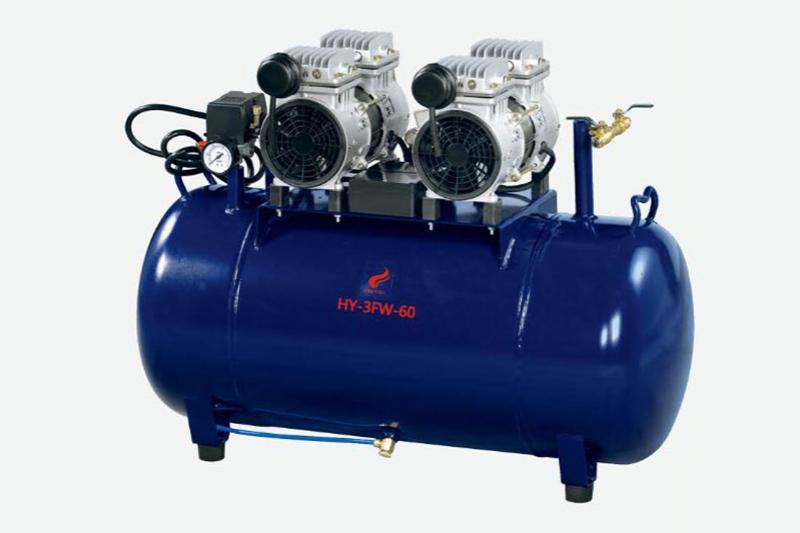
| Power | 1.5 HP, Single-phase, 220–240 V, 50/60 Hz. Maximum air output: 120 L/min at 8 bar. Equipped with standard induction motor and basic pressure regulator. Average duty cycle: 60%. | 2.0 HP, Three-phase, 380–415 V, 50/60 Hz. High-efficiency rotary screw compressor with variable speed drive (VSD). Delivers up to 180 L/min at 10 bar. Smart pressure management with auto-adjust based on demand. Duty cycle: 100% continuous operation. |
| Dimensions | 650 mm (H) × 420 mm (W) × 380 mm (D). Compact vertical design suitable for under-sink or cabinet mounting. Net weight: 58 kg. Includes vibration-dampening feet. | 820 mm (H) × 550 mm (W) × 480 mm (D). Modular horizontal configuration with integrated sound enclosure. Net weight: 96 kg. Features anti-vibration mounts and optional wall-mount kit for space-constrained clinics. |
| Precision | ±0.3 bar pressure stability. Analog pressure gauge with manual adjustment. Basic moisture trap and particulate filter (5 µm). Requires manual drainage every 8 hours of operation. | ±0.1 bar pressure stability with digital PID control. Full-color touchscreen interface with real-time monitoring of pressure, temperature, and humidity. Dual-stage filtration (0.01 µm) with automatic condensate removal and integrated refrigerated dryer. Self-calibrating sensors. |
| Material | Galvanized steel housing with epoxy coating. Internal components: aluminum alloy cylinder, brass valves. Oil-lubricated piston system with replaceable oil filter. Non-corrosive internal tubing (PVC). | Stainless steel 316L housing with antimicrobial powder coating. All-welded rotary screw block with ceramic-coated rotors. Oil-free system compliant with ISO 8573-1 Class 0. Internal piping in medical-grade stainless steel with quick-connect fittings. |
| Certification | CE Marked. Complies with ISO 7396-1:2016 (Gas Pipeline Systems), ISO 5397 (Dental Air Compressors). Meets EU Medical Device Regulation (MDR) Class I. RoHS and REACH compliant. | CE and UKCA Marked. Certified to ISO 7396-1:2016, ISO 5397, and ISO 8573-1 Class 0 (oil-free air). Full compliance with MDR Class IIa. Additional certifications: UL 60601-1 (safety), IEC 60601-1-2 (EMC), and ISO 13485 (quality management). Validated for hospital-grade environments. |
ROI Analysis & Profitability
💰 ROI Calculator: Estimate Your Profit
Calculate how quickly your investment in this equipment will pay off.
Importing from China: A Step-by-Step Guide
Professional Dental Equipment Sourcing Guide 2026:
Dental Compressors from China
Target Audience: Dental Clinic Procurement Managers & Medical Equipment Distributors | Release Date: Q1 2026
Why Source Dental Compressors from China in 2026?
China maintains its position as the global leader in cost-optimized, high-volume dental equipment manufacturing, with 78% of mid-tier dental compressors originating from certified Chinese facilities (2025 Global Dental Tech Report). Strategic sourcing requires navigating evolving regulatory landscapes and supply chain complexities. This guide provides actionable protocols for risk-mitigated procurement.
Featured Verified Partner: Shanghai Carejoy Medical Co., LTD
Why Carejoy Stands Out in 2026: 19 years of ISO-certified manufacturing specializing in dental-specific compressors (oil-free & oil-lubricated variants). Factory-direct model eliminates distributor markups while maintaining CE MDR 2017/745 compliance. Baoshan District facility (Shanghai) operates under real-time EU QMS audits.
Step 1: Verifying ISO/CE Credentials (Non-Negotiable in 2026)
Post-Brexit and MDR 2017/745 enforcement, certificate fraud has increased by 32% (EMA Q4 2025). Implement this verification protocol:
| Verification Step | Action Protocol | Red Flags |
|---|---|---|
| ISO 13485:2016 | Request certificate # + issue date. Cross-verify via iso.org OR ANAB database. Confirm scope includes “Dental Air Compressors” | Generic “ISO 9001” certificate; scope excludes medical devices; certificate issued by non-accredited bodies (e.g., “China Certification & Inspection Group”) |
| CE Marking (MDR 2017/745) | Validate EC Certificate via EUDAMED (requires EU Authorized Rep). Demand Declaration of Conformity with NB number (e.g., “0123”) matching notified body registry | CE certificate issued pre-2021 (invalid under MDR); no NB number; certificate lists “general industrial compressors” |
| Factory Audit Trail | Require 2025/2026 third-party audit report (SGS/TÜV). Verify production address matches business license via China National Enterprise Registry | Refusal to share audit reports; facility address mismatch; use of “trading company” as manufacturer |
Carejoy Compliance Status (Verified 01/2026):
ISO 13485:2016 Certificate # CN2025/MD1482 (TÜV SÜD) | CE MDR Certificate # MDR-2025-CJ887 (NB 2797)
EUDAMED Device Registration: CN-SH-CAREJOY-DENTAL-CMP-2026
Step 2: Negotiating MOQ & Commercial Terms
2026 market dynamics require flexible volume strategies. Avoid obsolete “one-size-fits-all” MOQs:
| Strategy | Optimal Approach | Carejoy 2026 Terms |
|---|---|---|
| Baseline MOQ | Negotiate tiered pricing: 5-10 units for clinics; 20+ units for distributors. Demand written confirmation of MOQ flexibility for future orders | MOQ 1 unit (sample); 5 units (standard); 50+ units (OEM). No MOQ for distributor rebadging programs |
| Payment Terms | 30% deposit, 70% against B/L copy. Avoid 100% upfront. Escrow services recommended for first-time partnerships | 30% T/T deposit, 70% against shipping docs. LC acceptable for orders >$50k. Alibaba Trade Assurance supported |
| Customization | Clarify costs for voltage (110V/220V), noise reduction, or tank size changes. OEM requires separate tooling agreement | Free voltage customization. OEM: $850 tooling fee (waived at 100+ units). 15-day lead time for custom specs |
Step 3: Shipping & Logistics (DDP vs FOB Analysis)
2026 freight volatility (IMO 2025 sulfur regulations + port congestion) makes Incoterms selection critical:
| Term | 2026 Risk Profile | Recommended For | Carejoy Implementation |
|---|---|---|---|
| FOB Shanghai | High risk: Buyer manages 87% of logistics chain. 2025 avg. delay: 14 days due to customs holds. Requires local agent | Experienced distributors with China logistics partners. Not recommended for clinics | Available with Carejoy’s freight partner discounts (Maersk/COSCO). Includes EXW factory docs |
| DDP (Delivered Duty Paid) | Low risk: Seller bears 100% responsibility. 2026 compliance essential for MDR markets. 22% higher cost but 92% on-time delivery | All clinics & new distributors. Mandatory for EU/UK shipments under MDR | Standard offering. Includes: EU customs clearance, VAT payment, last-mile delivery tracking. $1,200 flat fee to EU/US |
Technical Specifications: Critical Compressor Parameters (2026)
| Parameter | Clinic Requirement | Carejoy 2026 Standard | Verification Method |
|---|---|---|---|
| Oil-Free Certification | ISO 8573-1 Class 0 (2026 EU mandate) | Class 0 certified (TÜV Report CJ-CMP-2026-001) | Demand oil vapor test report |
| Sound Pressure Level | ≤ 55 dB(A) for operatory placement | 48-52 dB(A) (at 1m distance) | Require third-party acoustic test |
| CFM @ 90 PSI | ≥ 4.5 CFM for multi-chair setups | 5.2 CFM (CJ-DC5000 model) | Validate with flow meter calibration cert |
Frequently Asked Questions
Professional Dental Equipment Guide 2026
Frequently Asked Questions: Purchasing a Dental Unit Compressor (2026 Edition)
Target Audience: Dental Clinics & Medical Equipment Distributors
| Question | Answer |
|---|---|
| 1. What voltage requirements should I consider when purchasing a dental compressor unit for 2026? | Most modern dental compressors in 2026 operate on standard single-phase 220–240V AC, 50/60 Hz, suitable for typical clinic infrastructure. However, high-capacity rotary screw models may require three-phase power (380–415V). Always verify local electrical standards and ensure dedicated circuitry with surge protection. Units with universal voltage compatibility or built-in voltage stabilizers are recommended for regions with unstable power supply. |
| 2. Are spare parts for dental compressors readily available, and what components typically need replacement? | Yes, reputable manufacturers now offer global spare parts distribution networks with guaranteed availability for at least 10 years post-discontinuation. Common wear components include air filters, oil separators, intake valves, pressure switches, and O-rings. In 2026, leading brands provide modular designs for easier servicing and maintain digital inventories accessible to certified distributors. We recommend purchasing a spare parts kit (filters, seals, fuses) at the time of installation. |
| 3. What are the installation requirements and best practices for a dental unit compressor? | Installation must be performed by a certified technician in a clean, ventilated, temperature-controlled environment (10–40°C). The unit should be mounted on vibration-dampening feet and connected to a dedicated electrical circuit. Oil-lubricated models require proper drainage access, while oil-free compressors still need condensate management. Piping should use non-corrosive materials (e.g., stainless steel or medical-grade polymer), and the air line must include coalescing filters, dryers, and particulate traps. Remote placement (e.g., utility room) with centralized distribution is increasingly standard in 2026 clinics. |
| 4. What warranty coverage is standard for dental compressors in 2026, and what does it include? | Most premium dental compressors now come with a 3-year comprehensive warranty covering parts, labor, and compressor pump. Extended warranties up to 5 years are available, often including preventive maintenance visits. The warranty typically excludes damage from improper installation, lack of maintenance, or power surges. Registration within 30 days of purchase is required. In 2026, IoT-enabled units automatically report performance data to validate warranty claims and schedule service alerts. |
| 5. How do I ensure long-term service support and technical assistance after purchase? | Partner with manufacturers or distributors offering certified service networks, 24/7 technical hotlines, and remote diagnostics via integrated IoT platforms. In 2026, many compressors support predictive maintenance through cloud-based monitoring of pressure, temperature, and runtime. Ensure your distributor provides documented SLAs (Service Level Agreements) for response time (e.g., 48-hour on-site repair) and maintains local inventory of critical spares. Regular maintenance contracts are strongly advised to maintain warranty validity and equipment longevity. |
Need a Quote for Kompresor Dental Unit?
Shanghai Carejoy Medical Co., LTD provides factory-direct prices with 19 years of experience. (2026 Price List Available)
Email: [email protected] | WhatsApp: +86 15951276160