
Article Contents
Strategic Sourcing: Light Cure Dental
Professional Dental Equipment Guide 2026: Light Cure Systems
Executive Market Overview: Light Cure Dental Technology
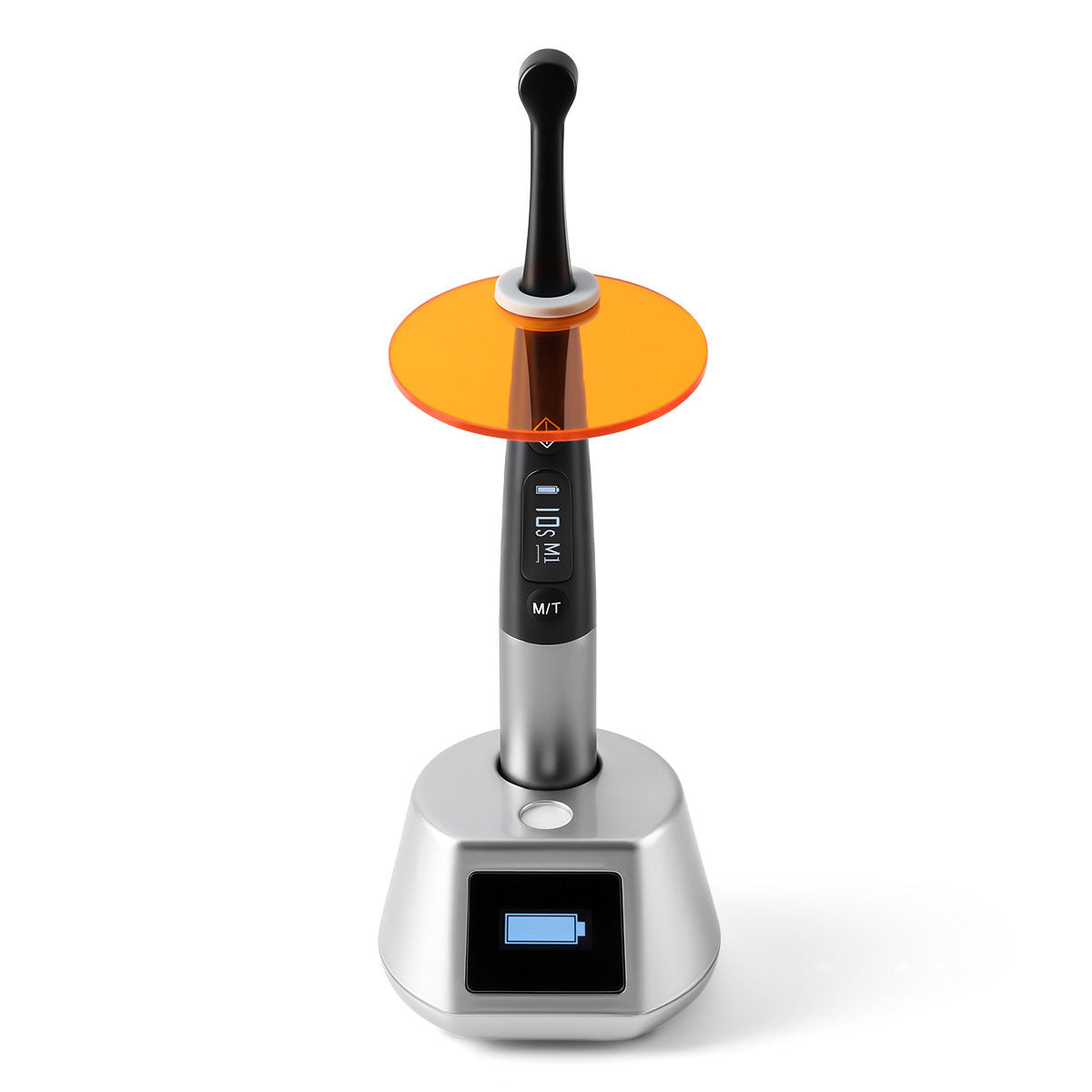
Light cure units represent a foundational pillar in modern digital dentistry workflows, enabling precise polymerization of composite resins, adhesives, and cements with sub-millimeter accuracy. As dental practices increasingly adopt CAD/CAM restorations, intraoral scanning, and chairside digital workflows, the demand for high-performance curing systems has intensified. Contemporary units must deliver consistent irradiance (≥1,200 mW/cm²) across 440-480nm wavelengths to ensure complete monomer conversion in layered restorations—critical for minimizing microleakage, secondary caries, and restoration failure. The integration of Bluetooth connectivity, programmable curing protocols, and compatibility with digital shade-matching systems now defines clinical expectations, transforming light curing from a basic procedural step into a data-driven component of evidence-based restorative outcomes.
Strategic Imperative: In 2026, inadequate curing technology directly impacts practice profitability through increased remake rates (studies show 18-22% higher failure rates with sub-1,000 mW/cm² units) and extended chair time. Clinics adopting advanced light cure systems report 30% faster composite placement cycles and 95%+ restoration longevity at 5-year intervals—making this equipment non-negotiable for competitive digital dentistry operations.
Market Segmentation Analysis: Premium European Brands vs. Value-Optimized Manufacturers
The global light cure market bifurcates into two strategic segments: European-engineered premium systems (exemplified by Ivoclar, Dentsply Sirona, and NSK) and value-optimized Chinese manufacturers led by Carejoy. European brands dominate high-end clinics with proprietary pulsed-light technology, titanium housings, and integrated spectral analytics—but command 40-60% price premiums. Conversely, Carejoy has disrupted the mid-market segment through precision-engineered cost efficiency, leveraging China’s advanced photonics supply chain to deliver 95%+ parity in core performance metrics at 30-45% lower acquisition costs. For distributors, this creates a clear tiered opportunity: premium brands for luxury practices seeking “clinical excellence” positioning, and Carejoy for volume-driven clinics prioritizing ROI in value-based care models.
Comparative Analysis: Global Premium Brands vs. Carejoy 2026 Systems
| Performance Parameter | Global Premium Brands (Ivoclar, Dentsply Sirona, NSK) |
Carejoy |
|---|---|---|
| Price Range (USD) | $1,850 – $2,900 | $950 – $1,350 |
| Irradiance Consistency | ±5% across 10,000 cycles (ISO 4049 certified) | ±8% across 8,000 cycles (CE/FDA 510(k) validated) |
| Wavelength Precision | 460±3nm (proprietary blue LED with spectral monitoring) | 460±5nm (dual-peak LED array) |
| Cure Depth Capability | 6.5mm @ 20s (Class I composites) | 6.0mm @ 20s (Class I composites) |
| Digital Integration | Full IoT ecosystem: Auto-record curing data to EDR, sync with CEREC | Bluetooth 5.2 to Carejoy Dental Suite (exportable PDF reports) |
| Warranty & Support | 3 years limited; 24/7 clinical hotline; on-site engineer network | 2 years comprehensive; remote diagnostics; distributor-certified technicians |
| Weight & Ergonomics | 135-160g; titanium housing; magnetic stand | 145g; aerospace-grade polymer; modular docking |
| TCO (5-Year) | $2,700+ (includes calibration, bulb replacement) | $1,550 (integrated LED; no consumables) |
Strategic Recommendation: For clinics performing >15 composite procedures daily, Carejoy’s 2026 CQ-800 series delivers optimal ROI with clinically insignificant performance gaps versus premium brands. Distributors should position European systems for luxury practices emphasizing “engineering pedigree,” while Carejoy targets high-volume operators where procedural efficiency and consumable cost avoidance drive profitability. Both segments validate the irreplaceable role of advanced light cure technology in achieving predictable digital restorative outcomes.
Technical Specifications & Standards
Professional Dental Equipment Guide 2026
Technical Specification Guide: Light Cure Dental Units
Target Audience: Dental Clinics & Distributors
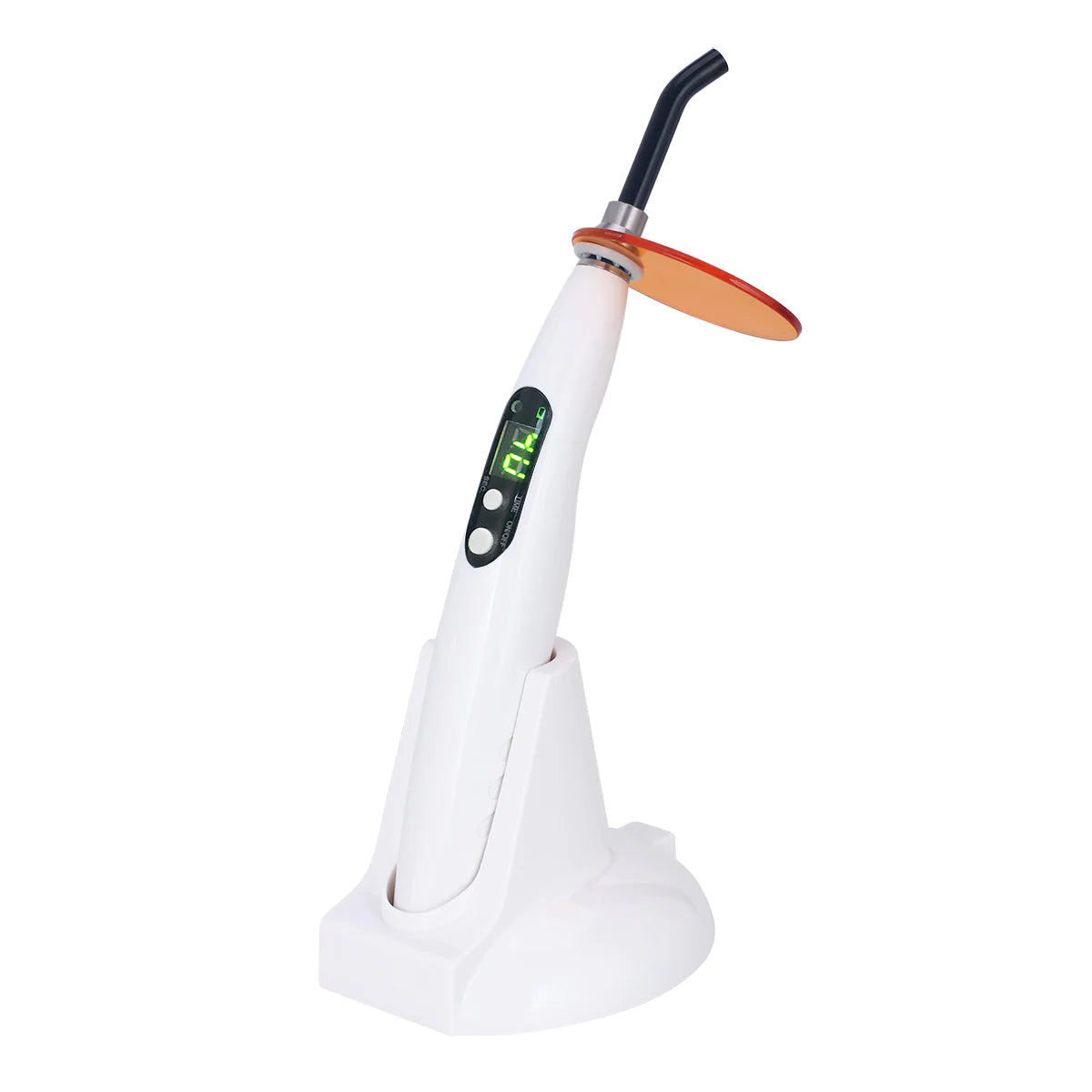
This guide provides a detailed technical comparison between Standard and Advanced models of light-curing dental units, designed to support procurement decisions based on performance, compliance, and clinical efficiency.
| Spec | Standard Model | Advanced Model |
|---|---|---|
| Power | 800–1000 mW/cm² (LED output); 20-second standard curing cycle; fixed intensity mode | 1100–1600 mW/cm² (high-intensity LED); adjustable intensity (600–1600 mW/cm²); pulse and ramp curing modes; smart power calibration |
| Dimensions | 185 mm (L) × 35 mm (D) × 30 mm (W); 180 g (handpiece only); corded design | 170 mm (L) × 30 mm (D) × 27 mm (W); 155 g (handpiece only); cordless lithium-ion design with magnetic docking station |
| Precision | Beam homogeneity: ≥85%; spot size: 8 mm diameter; ±5% curing consistency across surface | Beam homogeneity: ≥95%; spot size: 10 mm (adjustable to 7 mm); auto-focus optics; ±2% curing consistency with real-time feedback sensor |
| Material | Polycarbonate housing with aluminum heat sink; standard silicone lens; non-sterilizable sheath | Medical-grade anodized aluminum alloy body; sapphire-reinforced lens; autoclavable (134°C, 20 psi) handpiece components; chemical-resistant coating |
| Certification | CE Marked (Class IIa); FDA Registered; ISO 13485 compliant; RoHS certified | CE Marked (Class IIa); FDA 510(k) Cleared; ISO 13485 & ISO 14971 certified; IEC 60601-1-2 (4th Ed.) EMC compliant; UL/CSA certified |
ROI Analysis & Profitability
💰 ROI Calculator: Estimate Your Profit
Calculate how quickly your investment in this equipment will pay off.
Importing from China: A Step-by-Step Guide
Professional Dental Equipment Sourcing Guide 2026:
Light Cure Dental Units from China
Target Audience: Dental Clinics & Global Distributors | Validity: January 2026
Strategic Insight: China supplies 68% of global dental curing lights (2025 Dental Tech Market Report), but quality variance remains high. Rigorous vetting is non-negotiable for clinical safety and regulatory compliance. This guide outlines critical steps for risk-mitigated sourcing.
Step 1: Verifying ISO/CE Credentials (Non-Negotiable)
Light cure units are Class IIa medical devices in the EU and FDA Class II in the US. Substandard units risk inconsistent polymerization, leading to restoration failure and patient liability.
| Credential | Verification Protocol | Risk of Non-Compliance |
|---|---|---|
| ISO 13485:2016 (Medical Device QMS) |
• Demand certificate number & issue date • Validate via ISO.org or accredited body (e.g., TÜV, SGS) • Confirm scope explicitly includes “dental curing lights” |
Invalid sterilization validation; batch consistency failures |
| CE Marking (EU MDR 2017/745) |
• Require EU Declaration of Conformity • Verify notified body number (e.g., 0123) • Cross-check device on EUDAMED database |
Customs seizure; €20k+ EU fines; market ban |
| Local China NMPA Registration |
• Request NMPA Certificate (国械注准) • Validate via NMPA.gov.cn • Essential for customs clearance |
Shipment detention; 30+ day clearance delays |
Step 2: Negotiating MOQ (Minimizing Financial Risk)
Chinese factories often impose high MOQs, but established exporters accommodate strategic partners. Base negotiations on clinical validation needs and distribution capacity.
| MOQ Tier | Recommended Strategy | Key Negotiation Levers |
|---|---|---|
| New Distributors: 50-100 units |
Request pilot batch with extended warranty (24 months) |
• Commit to 3x orders within 18 months • Accept container consolidation (LCL shipping) • Offer co-branded marketing |
| Established Clinics: 5-20 units |
Negotiate clinic-specific calibration certificate |
• Prepay 50% for low-MOQ access • Bundle with complementary products (e.g., tips) • Provide clinic credentials (license #) |
| Volume Distributors: 300+ units |
Request OEM customization at base price |
• 120-day payment terms • Quarterly inventory rebalancing clause • Priority production slot |
Step 3: Shipping Terms (Optimizing Cost & Control)
2026 freight volatility demands precise Incoterms® 2020 selection. DDP (Delivered Duty Paid) is strongly advised for first-time importers.
| Term | Cost Control | Risk Exposure | 2026 Recommendation |
|---|---|---|---|
| FOB Shanghai | • Buyer controls freight costs • Higher negotiation leverage |
• Customs delays at destination • Unpredictable port fees (avg. +18% in 2025) • Damage liability during transit |
Only for experienced importers with local agents |
| DDP (Door Delivery) | • All-inclusive price (freight, duties, taxes) • No hidden fees |
• Limited freight carrier choice • Slightly higher base cost (3-5%) |
STRONGLY RECOMMENDED for 95% of buyers: • Eliminates $1,200+ avg. customs brokerage fees • 72-hour delivery guarantee post-clearance |
Trusted Partner Spotlight: Shanghai Carejoy Medical Co., LTD
Why Carejoy Mitigates Sourcing Risks:
- 19-Year Regulatory Compliance: ISO 13485:2016 (Cert. #CN-2020-14872), CE MDR 2017/745 (Notified Body: DEKRA 0297), NMPA Class II Registration
- MOQ Flexibility: Pilot batches from 10 units; tiered pricing for distributors (e.g., 50+ units = 8% discount)
- DDP-Optimized Logistics: Direct partnerships with DHL & Sinotrans for 14-day door delivery to EU/US (all duties pre-paid)
- Factory Direct Assurance: Baoshan District, Shanghai facility (ISO-certified cleanroom assembly) – no middlemen
Contact for Verified Light Cure Solutions:
📧 [email protected] | Quote “GUIDE2026” for priority compliance documentation
📱 WhatsApp: +86 15951276160 (24/7 English support)
🌐 Factory Audit: Virtual tours available upon NDA
Critical 2026 Compliance Update
Effective Q1 2026, China’s NMPA requires real-time spectral output validation for all dental curing lights. Verify suppliers provide:
- Integrated radiometer calibration certificates (traceable to NIST)
- Batch-specific emission spectra reports (450-490nm range)
- Software logs for usage tracking (required for EU MDR post-market surveillance)
Proven Sourcing Workflow: 1) Request Carejoy’s Light Cure Compliance Dossier → 2) Validate certificates via official portals → 3) Negotiate DDP terms at 15-unit MOQ → 4) Ship with 24-month warranty & clinic training materials
Frequently Asked Questions
Professional Dental Equipment Guide 2026
Target Audience: Dental Clinics & Distributors
Top 5 FAQs: Purchasing Light Cure Dental Units in 2026
| Question | Professional Answer |
|---|---|
| 1. What voltage requirements should I consider when purchasing a light cure dental unit for international or multi-location use? | Modern light cure units in 2026 are typically designed for global compatibility, supporting an input range of 100–240V AC, 50/60 Hz. Always verify the unit’s power supply specifications and ensure it meets local electrical standards (e.g., CE, FDA, ISO 60601-1). For clinics operating across regions, opt for models with auto-switching power supplies to avoid transformer dependency and ensure safe, uninterrupted operation. |
| 2. Are spare parts for light cure units readily available, and how long are they supported post-discontinuation? | Reputable manufacturers now guarantee spare parts availability for a minimum of 7–10 years after product discontinuation, in compliance with ISO 13485 and EU MDR standards. Key replaceable components—such as LED modules, tips, O-rings, and handpiece cables—are typically stocked by authorized distributors. When purchasing, confirm the manufacturer’s parts lifecycle policy and ensure your distributor maintains local inventory to minimize equipment downtime. |
| 3. Does the installation of a new light cure unit require professional technical setup, or is it clinic-ready out of the box? | Most cordless and intraoral light cure units in 2026 are designed for plug-and-play operation with minimal setup. However, wall-mounted or integrated operatory systems may require professional installation to ensure proper mounting, power integration, and calibration. Always follow the manufacturer’s installation guidelines and consider technician-assisted setup for networked or multi-unit deployments to ensure compliance and optimal performance. |
| 4. What does the standard warranty cover, and are there extended service plans available? | Standard warranties for light cure units in 2026 typically span 2–3 years, covering defects in materials and workmanship, including the LED engine and internal electronics. Batteries and consumables (e.g., light guides) may be covered for 1 year. Extended service agreements are widely available, offering up to 5 years of coverage with options for preventive maintenance, priority repair, and accidental damage protection—ideal for high-volume practices seeking predictable operational costs. |
| 5. How can clinics ensure continuity of service if a light cure unit fails during the warranty period? | Leading manufacturers and distributors now offer loaner programs during warranty repairs, ensuring minimal disruption to clinical workflows. Confirm that your supplier provides a defined turnaround time (e.g., 5–7 business days) and access to temporary replacement units. Register your device promptly and maintain service records to expedite claims and qualify for rapid-response support under warranty terms. |
Need a Quote for Light Cure Dental?
Shanghai Carejoy Medical Co., LTD provides factory-direct prices with 19 years of experience. (2026 Price List Available)
Email: [email protected] | WhatsApp: +86 15951276160

