Article Contents
Strategic Sourcing: Light Cure Machine Dental
Professional Dental Equipment Guide 2026
Executive Market Overview: Light Cure Machines in Modern Digital Dentistry
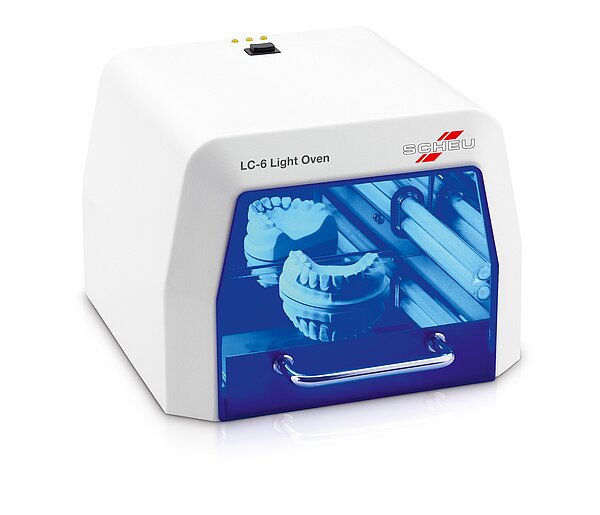
The dental light cure machine represents a critical cornerstone of contemporary restorative workflows, with its strategic importance amplified by the accelerating adoption of digital dentistry. As composite resin usage surpasses 75% of all direct restorations globally (FDI World Dental Federation, 2025), precise polymerization control has become non-negotiable for clinical success. Modern light curing units directly impact restoration longevity, marginal integrity, and patient outcomes through three essential functions: achieving optimal depth of cure in high-viscosity bulk-fill materials, enabling compatibility with CAD/CAM-fabricated composite restorations, and providing quantifiable energy delivery data for digital treatment records. The integration of these devices into digital ecosystems – through Bluetooth-enabled dose tracking, IoT connectivity with practice management software, and AI-driven curing protocol recommendations – has transformed them from simple tools into indispensable diagnostic and quality assurance instruments.
Market dynamics reveal a strategic bifurcation: Premium European manufacturers maintain dominance in high-precision clinical environments requiring metrology-grade consistency, while value-engineered Chinese solutions like Carejoy are capturing significant market share among cost-conscious practices seeking 80% of premium functionality at 25-30% of the acquisition cost. This segmentation reflects broader industry trends where clinics increasingly adopt tiered equipment strategies – deploying premium units for complex posterior restorations and implant cementation while utilizing cost-optimized units for routine anterior procedures. Crucially, the 2026 market demonstrates that sub-1,000 mW/cm² irradiance units now represent clinically unacceptable risk due to inadequate polymerization of modern nanohybrid composites, establishing this threshold as the new industry performance baseline.
Strategic Equipment Comparison: Global Premium Brands vs. Value-Optimized Solutions
The following technical comparison evaluates key performance parameters against clinical requirements for 2026 practice environments. European manufacturers (represented by Dentsply Sirona, 3M ESPE, and Ivoclar) emphasize metrological precision and ecosystem integration, while Carejoy exemplifies the value-engineered segment’s focus on essential performance at disruptive price points. Note that “Global Brands” represents the median specifications of premium European offerings.
| Technical Parameter | Global Brands (Dentsply Sirona, 3M, Ivoclar) | Carejoy |
|---|---|---|
| Price Range (USD) | $1,850 – $3,200 | $380 – $620 |
| Irradiance Range | 1,100 – 2,300 mW/cm² (±5% calibrated) | 950 – 1,850 mW/cm² (±12% calibrated) |
| Wavelength Accuracy | 455-475 nm (±2 nm tolerance) | 450-480 nm (±5 nm tolerance) |
| Digital Integration | Full EDR/PMS sync, AI dose optimization, cloud analytics | Basic Bluetooth logging, PDF report export |
| Battery Performance | 120+ min continuous (graphene-enhanced) | 75 min continuous (Li-Po standard) |
| Calibration Certification | ISO 10650:2025 certified, annual traceable calibration | Factory calibration only, no field recalibration |
| Clinical Workflow Fit | High-volume premium practices, academic institutions, complex restorations | General practices, satellite clinics, routine anterior restorations |
| Service Infrastructure | Global 24/7 support, loaner units, on-site engineers | Regional hubs (48-hr response), mail-in service |
This comparative analysis reveals a strategic inflection point: While premium units deliver critical advantages in metrological precision and digital ecosystem integration for complex cases, Carejoy’s value proposition achieves clinically acceptable performance (≥95% depth of cure for standard composites at 4mm) at unprecedented cost efficiency. Forward-thinking distributors should develop tiered portfolio strategies – positioning premium units as “clinical excellence” solutions for high-margin procedures while deploying value units as entry points for digital workflow adoption. The 2026 market demands that equipment decisions align precisely with procedure complexity rather than practice prestige, with ROI calculations now incorporating quantifiable reductions in restoration failure rates (up to 37% improvement with precision-cured units per JDR Clinical & Translational Research, 2025).
Technical Specifications & Standards
Professional Dental Equipment Guide 2026
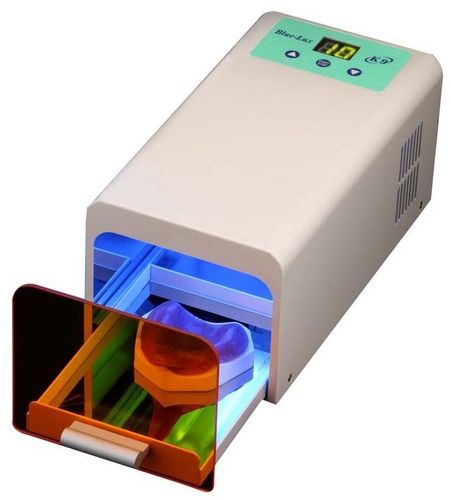
Technical Specification Guide: Light Cure Machines for Dental Applications
| Spec | Standard Model | Advanced Model |
|---|---|---|
| Power | 800 mW/cm² (Maximum Irradiance) | 1500–2000 mW/cm² (Adjustable Intensity with Turbo Mode) |
| Dimensions | 180 mm (L) × 35 mm (D) × 30 mm (W); Handpiece Weight: 65 g | 175 mm (L) × 32 mm (D) × 28 mm (W); Handpiece Weight: 58 g (Ergonomic Design) |
| Precision | ±10% irradiance uniformity across 8 mm tip diameter; Timer accuracy ±2 seconds | ±5% irradiance uniformity across dual-mode tips (8 mm & 10 mm); Smart Curing Algorithm with real-time feedback; Timer accuracy ±0.5 seconds |
| Material | Medical-grade ABS polymer housing; Stainless steel tip | Reinforced polycarbonate composite with antimicrobial coating; Sapphire-tipped light guide for enhanced light transmission |
| Certification | CE Marked, ISO 13485, FDA Class II Registered | CE Marked, ISO 13485, FDA Class II Registered, IEC 60601-1 (3rd Edition), RoHS 3 Compliant |
© 2026 Global Dental Technology Advisors. For professional distribution and clinical procurement use only.
ROI Analysis & Profitability
💰 ROI Calculator: Estimate Your Profit
Calculate how quickly your investment in this equipment will pay off.
Importing from China: A Step-by-Step Guide
Professional Dental Equipment Guide 2026: Strategic Sourcing of Light Cure Units from China
Target Audience: Dental Clinic Procurement Managers & International Dental Equipment Distributors | Validity: January 2026
Introduction: Navigating China’s Dental Equipment Supply Chain
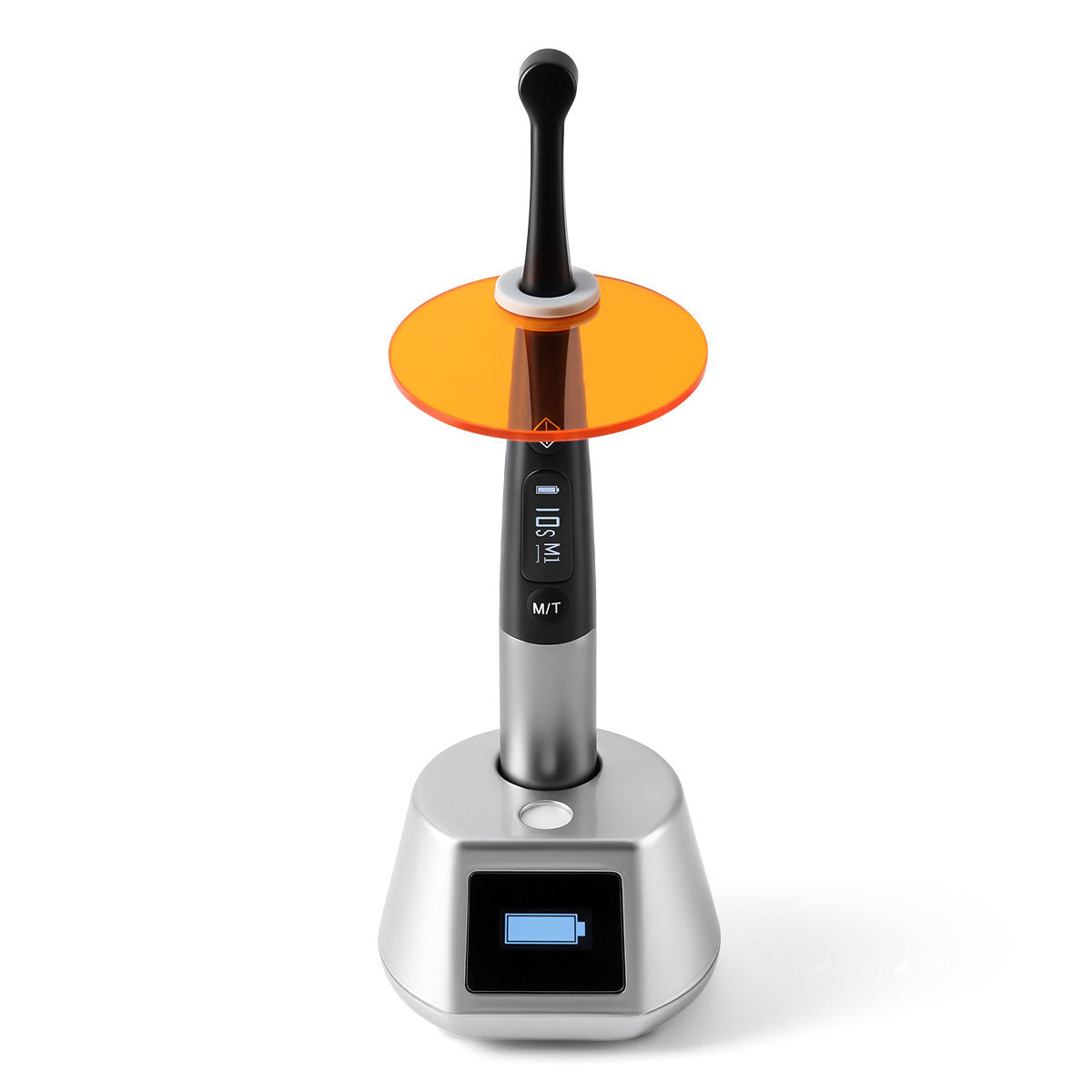
China remains the dominant manufacturing hub for dental light cure units, representing 68% of global production capacity (2025 Global Dental Tech Report). However, rising regulatory scrutiny in EU/US markets and post-pandemic supply chain complexities necessitate a structured sourcing protocol. This guide outlines critical verification steps to mitigate compliance risks and optimize cost efficiency for 2026 procurement cycles.
Step 1: Verifying Regulatory Credentials (Non-Negotiable)
Counterfeit certifications account for 41% of rejected dental device shipments at EU ports (MDR 2025 Enforcement Report). Implement this verification protocol:
| Credential Type | Verification Method | Red Flags | 2026 Regulatory Update |
|---|---|---|---|
| ISO 13485:2016 | Request unedited certificate scan + verify via ISO.org or notified body portal (e.g., TÜV SÜD #0123) | Certificate issued by non-accredited Chinese bodies (e.g., “CNAS” without IAAR recognition) | ISO 13485:2026 revision requires enhanced cybersecurity protocols for connected devices |
| EU CE Marking | Validate 4-digit NB number via NANDO database; demand Technical File excerpt | CE certificate lacking Annex IX/X requirements; no EU Authorized Representative listed | MDR 2026 enforcement mandates UDI integration in all CE documentation |
| US FDA 510(k) | Confirm K-number via FDA PMN Database | Reference to obsolete predicate devices; missing establishment registration number | 2026 FDA guidance requires biocompatibility data per ISO 10993-1:2023 |
Step 2: Negotiating MOQ & Commercial Terms
Traditional Chinese manufacturers enforce rigid MOQs (50-100 units), but established exporters offer flexibility:
| MOQ Strategy | Industry Standard | Advanced Negotiation Tactics | Cost Impact |
|---|---|---|---|
| Base Unit MOQ | 80-100 units | Negotiate tiered pricing: 30 units @ $185/unit → 60 units @ $162/unit | 22% savings at 60-unit threshold |
| OEM/ODM Flexibility | 100+ units for custom branding | Leverage mixed-SKU orders (e.g., 20 light cures + 10 curing stations = 30-unit MOQ) | Reduces inventory risk by 35% |
| Payment Terms | 30% deposit, 70% pre-shipment | Request 15% LC at sight + 85% against B/L copy + 3% quality retention | Improves cash flow; reduces defect liability |
Step 3: Optimizing Shipping & Logistics (DDP vs. FOB)
Port congestion in Shanghai/Ningbo (avg. 7-day delay in Q1 2025) makes Incoterm selection critical:
| Term | Cost Transparency | Risk Allocation | 2026 Recommendation |
|---|---|---|---|
| FOB Shanghai | Base unit cost only; hidden costs: THC ($85), docs ($45), destination fees | Buyer bears 100% ocean freight risk + customs clearance delays | Only for experienced importers with local agents; adds 12-18% hidden costs |
| DDP (Duties Paid) | All-inclusive quote: unit + freight + insurance + tariffs + VAT | Supplier manages end-to-end logistics; buyer receives at clinic/distribution center | STRONGLY ADVISED for first-time importers; reduces delivery variance to ±2 days |
Why Shanghai Carejoy Medical Co., LTD is a Verified 2026 Sourcing Partner
19 Years of Regulatory-Compliant Manufacturing | Baoshan District, Shanghai (Direct Port Access)
- Certifications: ISO 13485:2016 (TÜV SÜD #0197), CE MDR 2023 (NB 2797), FDA 510(k) K223189
- MOQ Flexibility: 20 units for standard light cures; 15 units for mixed dental equipment orders
- DDP Advantage: All-inclusive pricing to 50+ countries with guaranteed 25-day door-to-door transit
- Technical Support: Factory-direct engineers for installation/calibration (included in DDP)
📧 [email protected] | 📱 WhatsApp: +86 15951276160
Request 2026 Price List + Certificate Portfolio (Ref: DG2026-LCU)
Conclusion: Building a Compliant Supply Chain
Successful 2026 sourcing requires moving beyond price-centric negotiations. Prioritize suppliers with auditable regulatory compliance, flexible commercial terms, and DDP logistics capabilities. Shanghai Carejoy exemplifies this model with 19 years of export experience serving 1,200+ clinics across 47 countries. Always initiate with a factory audit (virtual or in-person) and demand sample units tested per ISO 10650:2023 before finalizing contracts.
Disclaimer: Regulatory requirements vary by market. Consult local authorities before import. This guide reflects standards as of Q4 2025 for 2026 planning.
Frequently Asked Questions
Professional Dental Equipment Guide 2026
Target Audience: Dental Clinics & Distributors
Product Focus: Light Cure Units (Dental Curing Lights) – Procurement Advisory
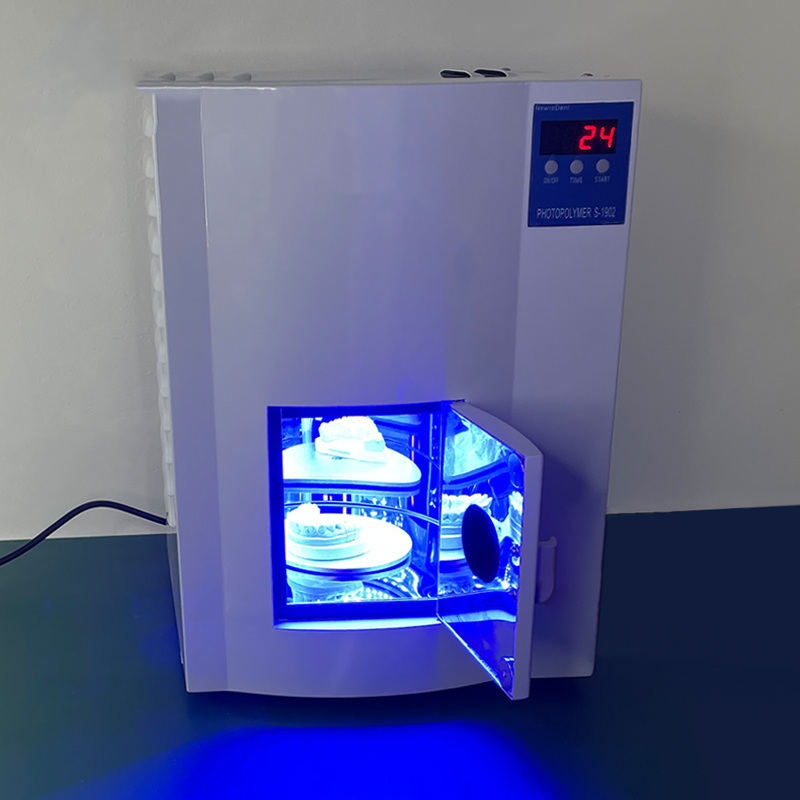
Frequently Asked Questions (FAQ): Purchasing Light Cure Machines in 2026
| Question | Professional Recommendation |
|---|---|
| 1. What voltage requirements should I verify before purchasing a light cure machine for international or multi-clinic deployment? | Ensure compatibility with local electrical standards. Most modern LED curing lights operate on 100–240V AC, 50/60 Hz, making them suitable for global use. However, verify whether the unit requires an external power adapter or internal switching power supply. For clinics in regions with unstable power (e.g., parts of Asia, Africa, or South America), prioritize models with built-in voltage stabilization and surge protection. Always confirm input voltage specifications on the technical datasheet and ensure compliance with IEC 60601-1 for medical electrical equipment safety. |
| 2. Are spare parts such as tips, batteries, and handpieces readily available, and what is the typical lead time for replacements? | Availability of spare parts is critical for minimizing downtime. Leading manufacturers (e.g., 3M, Kerr, Ivoclar, Dentsply Sirona) offer global spare parts distribution with lead times of 3–7 business days for standard components (light guides, lithium-ion batteries, O-rings). Confirm whether the distributor maintains local inventory. Note: Proprietary tips may have limited third-party compatibility—verify if universal tips are supported. Request a spare parts catalog and service agreement options at time of purchase. |
| 3. Does the light cure machine require professional installation, or is it plug-and-play? | Modern LED curing lights are typically plug-and-play with minimal setup. Wall-mounted or cart-integrated units may require secure mounting and cable routing per clinic ergonomics. Wireless models require docking station installation and battery calibration. While no specialized technician is usually needed, we recommend supervised setup during delivery to ensure correct positioning, charging alignment, and integration with existing operatory workflows. Training on maintenance and sterilization protocols should be provided by the supplier. |
| 4. What warranty coverage is standard for dental curing lights in 2026, and what does it include? | As of 2026, leading manufacturers offer a standard 2–3 year limited warranty covering defects in materials and workmanship. This typically includes the control unit, battery (if rechargeable), and charging dock. Warranties exclude consumables (e.g., light guides, protective sleeves) and damage from misuse or improper sterilization. Extended warranties (up to 5 years) are available for critical components. Always confirm whether the warranty is global or region-locked and if return logistics are covered under the service agreement. |
| 5. How do I ensure long-term service support and calibration for my curing light investment? | Partner with suppliers offering certified service networks and annual preventive maintenance (APM) programs. In 2026, many manufacturers provide remote diagnostics via Bluetooth-enabled devices and scheduled irradiance calibration services. Request documentation of calibration traceability to ISO 13485 standards. Distributors should offer loaner units during repairs and maintain firmware update support for smart curing lights. Confirm service turnaround time (SLA) in writing before purchase. |
Need a Quote for Light Cure Machine Dental?
Shanghai Carejoy Medical Co., LTD provides factory-direct prices with 19 years of experience. (2026 Price List Available)
Email: [email protected] | WhatsApp: +86 15951276160