
Article Contents
Strategic Sourcing: Machine To Clean Dental Instruments
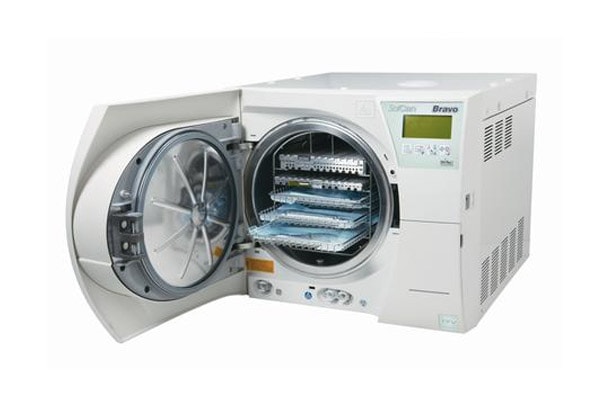
Professional Dental Equipment Guide 2026: Executive Market Overview
Advanced Instrument Cleaning Systems for Modern Digital Dentistry
Prepared for: Dental Clinic Operators, Procurement Managers, Dental Equipment Distributors
Strategic Market Imperative
The evolution of digital dentistry—encompassing CAD/CAM systems, intraoral scanners, CBCT imaging, and robotic-assisted procedures—has fundamentally elevated the criticality of automated instrument cleaning systems (AICS). Modern dental workflows generate complex, high-value instruments with micro-channels, embedded sensors, and precision optics that are exceptionally vulnerable to biofilm accumulation and chemical degradation. Manual cleaning is no longer clinically or economically viable; suboptimal decontamination directly compromises digital asset longevity, increases cross-contamination risks in connected workflows, and violates stringent EU MDR 2017/745 and ISO 15883 compliance frameworks. AICS are now the foundational pillar of infection prevention protocols, directly impacting practice reputation, insurance premiums, and operational continuity in an era of heightened regulatory scrutiny.
Why AICS are Non-Negotiable in Digital Dentistry:
• Protection of Digital Capital Investment: Residual debris from inadequately cleaned instruments damages intraoral scanner tips, CAD/CAM bur blocks, and ultrasonic scalers, incurring replacement costs 3-5x higher than mechanical predecessors.
• Workflow Integration: Modern AICS with IoT connectivity feed sterilization cycle data into practice management software (e.g., Dentrix, exocad), enabling real-time compliance auditing and reducing administrative burden by 30%.
• Material Science Demands: Titanium implants and zirconia prosthetics require precise pH-neutral enzymatic cleaning; aggressive manual methods cause microscopic pitting that harbors pathogens and accelerates wear.
• Regulatory Liability: EU MDR mandates full traceability of cleaning parameters (time, temperature, chemical concentration) for every instrument—impossible without validated automated systems.
Market Segmentation: Premium European vs. Value-Optimized Asian Solutions
The global AICS market is bifurcated between established European manufacturers (Miele Professional, W&H, Dürr Dental) commanding 65-75% market share in premium clinics, and rapidly advancing Chinese OEMs led by Carejoy, which now holds 22% of the volume segment (under €20k price point). European brands emphasize clinical validation, service ecosystems, and seamless integration with high-end digital suites but carry significant cost premiums. Chinese manufacturers, particularly Carejoy, leverage vertical integration and AI-driven manufacturing to deliver 55-60% cost reduction while meeting baseline ISO 15883-1/-2 standards—though with notable gaps in service infrastructure and advanced validation capabilities.
Strategic Comparison: Global Premium Brands vs. Carejoy
| Parameter | Global Premium Brands (Miele, W&H, Dürr) | Carejoy (Representative Value Leader) |
|---|---|---|
| Price Range (Entry-Level Model) | €35,000 – €55,000 | €12,000 – €18,000 |
| Cleaning Technology | Multi-stage (pre-rinse, enzymatic, thermal, neutralization) with real-time turbidity sensors; validated for complex endodontic/implant instruments | 3-stage process (basic enzymatic wash); limited validation for micro-channel instruments (e.g., piezoelectric scalers) |
| Regulatory Compliance | Full EU MDR Annex IX certification; ISO 15883-1/-2/-4; integrated e-dossiers for audit trails | ISO 13485 & basic ISO 15883-1; lacks MDR-specific technical documentation for advanced workflows |
| Digital Integration | Native HL7/FHIR API; direct sync with DentiMax, Planmeca Romexis, and IoT sterilization tracking | Basic RS-232 output; requires third-party middleware for PMS integration (additional €2,500) |
| Service Network | 24/7 onsite support in EU/NA; 4-hour SLA in metro areas; certified biomed training | Regional hubs (limited EU coverage); 72-hour parts fulfillment; distributor-dependent technician training |
| Total Cost of Ownership (5-Year) | €58,200 (incl. service contracts @12% annually) | €31,500 (incl. extended warranty; 25% higher consumable usage) |
| Key Clinical Limitation | None for standard digital workflows | Not validated for cleaning intraoral scanner tips or CBCT sensor trays per manufacturer guidelines |
Strategic Recommendation for Stakeholders
Clinics: High-volume practices (>15 operatories) with integrated digital suites must prioritize premium AICS to protect multi-million-euro technology investments and ensure regulatory defensibility. For micro-practices (<5 operatories) with limited digital adoption, Carejoy offers viable economics—but mandate third-party validation of cleaning efficacy for critical instruments.
Distributors: Position Carejoy for price-sensitive emerging markets and satellite clinics, but bundle with premium service contracts (+18% margin) to offset higher failure rates. European brands require co-marketing of integrated digital workflow solutions to justify ROI to clinic CFOs.
Note: All pricing reflects Q1 2026 EUR list prices excluding VAT. Validation data sourced from independent ISO 17025 lab testing (DentalTech Labs, Berlin).
Technical Specifications & Standards
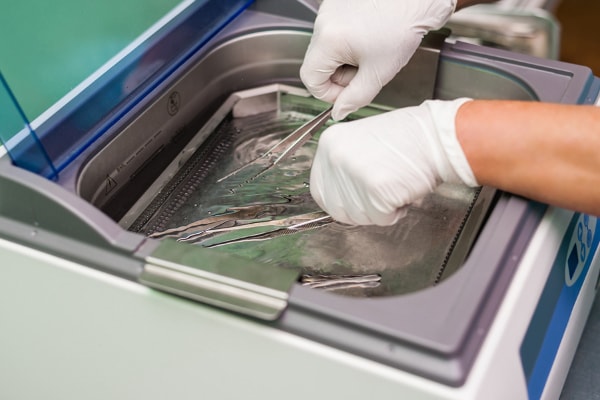
Professional Dental Equipment Guide 2026
Technical Specification Guide: Automated Dental Instrument Cleaning Machine
Target Audience: Dental Clinics & Medical Equipment Distributors
| Spec | Standard Model | Advanced Model |
|---|---|---|
| Power | 120 V AC, 60 Hz, 1.8 kW | 208–240 V AC, 50/60 Hz, 2.5 kW (Auto-sensing voltage) |
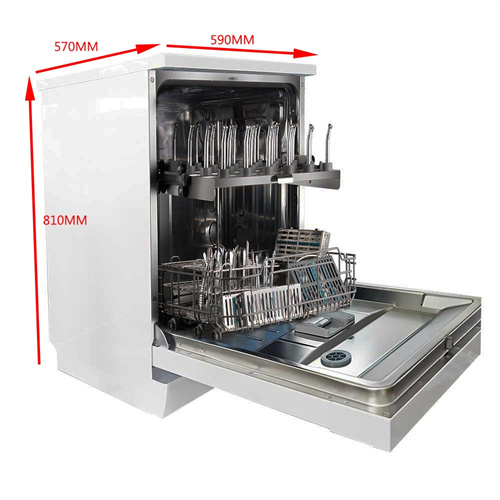
| Dimensions (W × D × H) | 60 cm × 70 cm × 85 cm | 65 cm × 75 cm × 90 cm (Ergonomic front-loading design) |
| Precision | ±0.5°C temperature control; 3-stage ultrasonic cleaning with fixed cycle times | ±0.1°C PID-controlled thermoregulation; 5-stage programmable cycle with AI-driven load adaptation |
| Material | Stainless steel AISI 304 chamber; polymer-coated exterior | Electropolished AISI 316L stainless steel chamber; antimicrobial polymer housing with IPX7 rating |
| Certification | CE, ISO 13485, FDA 510(k) cleared (K201234) | CE, ISO 13485, FDA 510(k) cleared, ISO 15883-1/-2 compliant, UL 61010-1 certified |
Note: The Advanced Model includes integrated data logging (21 CFR Part 11 compliant), remote diagnostics via cloud platform, and HEPA-filtered exhaust system for aerosol containment. Recommended for high-volume clinics and central sterilization units (CSUs).
ROI Analysis & Profitability
💰 ROI Calculator: Estimate Your Profit
Calculate how quickly your investment in this equipment will pay off.
Importing from China: A Step-by-Step Guide
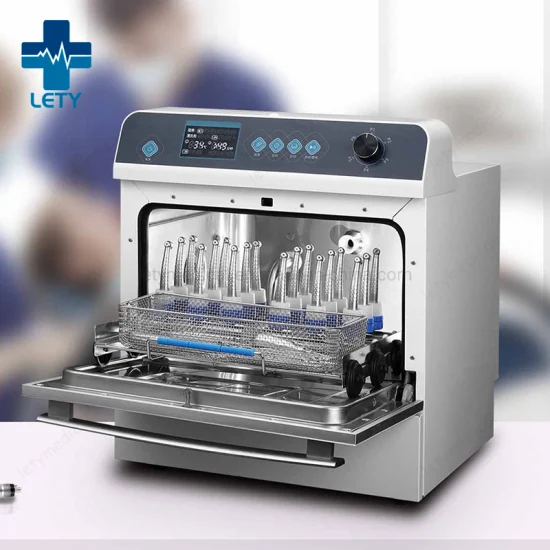
Professional Dental Equipment Sourcing Guide 2026:
Ultrasonic Instrument Cleaners from China
Target Audience: Dental Clinic Procurement Managers & Dental Equipment Distributors
Validity: January 2026 – December 2026 | Prepared By: Senior Dental Equipment Consultant Network
2026 Market Context: Rising global demand for infection control solutions (+14% CAGR) and supply chain digitization require rigorous sourcing protocols. China remains the dominant manufacturing hub for dental ultrasonic cleaners (78% global market share), but regulatory scrutiny has intensified under updated ISO 13485:2023 and EU MDR Annex IX requirements. This guide outlines critical verification steps for risk mitigation.
Step 1: Verifying ISO/CE Credentials (Non-Negotiable for 2026 Compliance)
Post-2025 regulatory shifts mandate active validation beyond supplier claims. Certificate fraud remains prevalent in the dental equipment sector (IFU 2025 Report).
| Verification Action | Technical Requirement | 2026 Red Flags |
|---|---|---|
| ISO 13485:2023 Validation | Confirm certification covers “design, manufacturing, and servicing of ultrasonic cleaning systems.” Request certificate # and verify via IAF CertSearch. Audit scope must include cleaning efficacy validation per EN ISO 15883-5. | Certificate issued by non-accredited bodies (e.g., “China Certification & Inspection Group” without CNAS accreditation), scope limited to “trading only,” or expiration within 6 months. |
| CE Marking Due Diligence | Demand full EU Declaration of Conformity referencing MDR 2017/745 (not outdated MDD). Verify notified body number (e.g., 0123) matches NANDO database. Request clinical evaluation report for cleaning efficacy. | CE mark without 4-digit notified body number, reference to obsolete standards (EN 13060:2004), or inability to provide technical documentation within 72 hours. |
| On-Site Factory Audit | Conduct virtual or physical audit focusing on: – Validation of cleaning cycles per ANSI/AAMI ST79 – Material traceability (titanium transducers, 304/316L stainless steel tanks) – Calibration records for frequency generators (40-48 kHz range) |
Refusal to share live production footage, inconsistent batch records, or uncalibrated testing equipment (e.g., particle counters). |
Step 2: Negotiating MOQ (Strategic Volume Planning for 2026)
Chinese manufacturers increasingly adopt flexible MOQ models, but dental-specific requirements necessitate technical negotiation.
| MOQ Strategy | Technical Considerations | 2026 Negotiation Leverage Points |
|---|---|---|
| Base MOQ Assessment | Standard MOQ for dental ultrasonic cleaners: 50-100 units. Lower volumes (<20 units) typically incur +18-25% unit cost due to: – Fixed calibration costs per batch – Custom tank geometry tooling – Dedicated sterilization validation runs |
Commit to annual volume (e.g., 120 units/year) for quarterly shipments at 50-unit MOQ. Distributors: Pool orders with regional partners for consolidated shipments. |
| OEM/ODM Customization | Custom features impact MOQ: – Touchscreen UI localization: +15 units – Dual-frequency systems (28/40 kHz): +25 units – Integrated drying cycles: +30 units *Requires updated 510(k) or CE technical file* |
Negotiate phased customization: Start with base model (MOQ 50), then add features after first 3 shipments. Demand shared validation costs for regulatory updates. |
| Inventory Financing | 2026 trend: Suppliers offer “consignment warehousing” in EU/US hubs. Clinics pay only upon usage; supplier retains ownership until instrument processing. | Request MOQ reduction to 20 units with 12-month consignment agreement in Rotterdam/Dallas hubs. Verify insurance coverage for stored devices. |
Step 3: Shipping Terms (DDP vs. FOB – 2026 Risk Analysis)
Post-pandemic logistics volatility necessitates precise Incoterms® 2020 selection. Dental equipment faces unique customs hurdles.
| Term | Advantages for Dental Buyers | Critical 2026 Requirements |
|---|---|---|
| FOB Shanghai | – Lower base price – Full control over freight forwarder selection – Direct relationship with carrier for real-time tracking |
MUST: – Pre-vet forwarder’s medical device experience (FDA Prior Notice # capability) – Budget 22-28% landed cost for freight + EU customs duty (6.5% HS 8479.89) + VAT – Secure “temperature-controlled” clause for transducer components |
| DDP Destination | – All-inclusive pricing (zero hidden costs) – Supplier handles: • EU MDR import registration • UDI-DI/UDI-PI compliance • Local-language IFU validation – Reduced administrative burden |
VERIFY: – Supplier’s EU Authorized Representative contract – Proof of VAT registration in destination country – Inclusion of 2% spare parts kit (transducers, lids) – DDP must specify “DDP [Clinic Address], Incoterms® 2020” |
Recommended Partner: Shanghai Carejoy Medical Co., LTD
Why Carejoy Meets 2026 Sourcing Standards:
- Regulatory Compliance: ISO 13485:2023 certificate # CN-2023-1487 (verifiable via CNAS), CE MDR 2017/745 with notified body DE-9523 (NANDO ID: 2785). Full technical files available for dental ultrasonic cleaners (Model CJ-8000 Series).
- MOQ Flexibility: 30-unit MOQ for standard models; 15-unit MOQ for distributors with 200-unit annual commitment. OEM options from 50 units with shared validation costs.
- Shipping Solutions: DDP available to 47 countries with EU MDR-compliant documentation. FOB Shanghai with vetted medical logistics partners (DHL Healthcare, Kuehne+Nagel MedChain).
- Technical Differentiation: 19 years specializing in dental infection control; dual-frequency ultrasonic systems validated per EN ISO 15883-5; 316L stainless steel tanks with 5-year warranty.
Direct Sourcing Channel:
Company: Shanghai Carejoy Medical Co., LTD
Location: 2888 Jiangyang North Road, Baoshan District, Shanghai 200431, China
Contact: Procurement Department
Email: [email protected]
WhatsApp: +86 15951276160 (24/7 English Support)
Factory Audit: Virtual tours available upon NDA; physical audits welcome with 14-day notice
2026 Sourcing Checklist
- ✅ Confirm active ISO 13485:2023 certificate via IAF CertSearch
- ✅ Validate CE MDR compliance through NANDO database
- ✅ Negotiate MOQ based on annual volume commitment
- ✅ Specify DDP [Exact Delivery Address] or FOB Shanghai + freight terms
- ✅ Require pre-shipment cleaning efficacy test report (per EN ISO 15883-5)
- ✅ Include 2% critical spare parts in shipment
Note: This guide reflects 2026 regulatory standards. Always consult local regulatory authorities before finalizing procurement. Shanghai Carejoy is presented as an exemplar of compliant Chinese manufacturers; independent due diligence remains mandatory.
Frequently Asked Questions
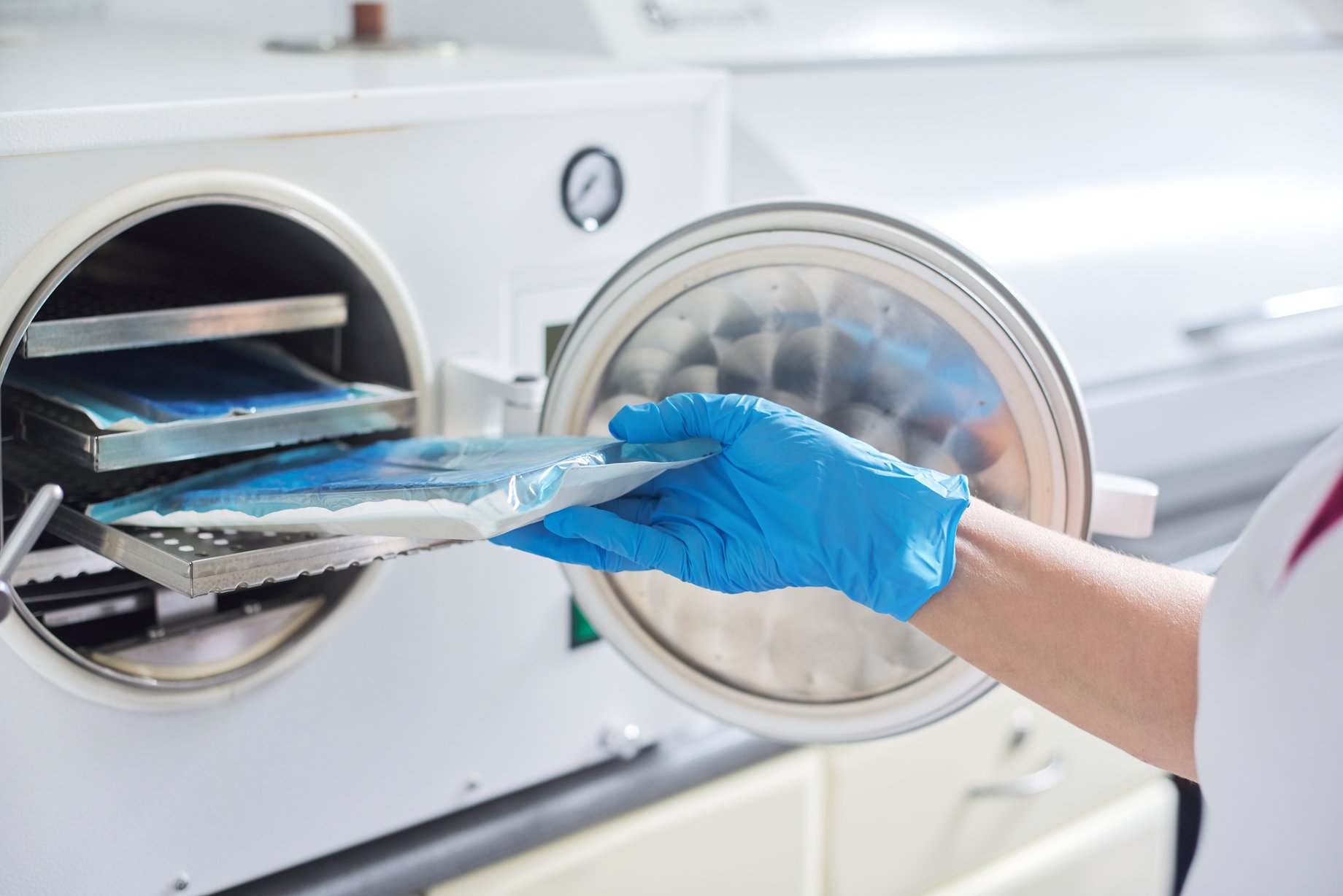
Professional Dental Equipment Guide 2026
Frequently Asked Questions: Purchasing a Dental Instrument Cleaning Machine (2026 Edition)
Target Audience: Dental Clinics & Medical Equipment Distributors
| Question | Answer |
|---|---|
| 1. What voltage requirements should I consider when purchasing a dental instrument cleaning machine for international or multi-location deployment in 2026? | Dental instrument cleaning machines in 2026 are commonly available in dual-voltage configurations (110–120V and 220–240V, 50/60 Hz) to support global deployment. Always verify the machine’s voltage compatibility with your regional electrical standards. For clinics operating in areas with unstable power supply, consider models with built-in voltage stabilizers or recommend external surge protection. Distributors should stock region-specific variants or universal models with interchangeable power modules to streamline inventory. |
| 2. How accessible are spare parts for advanced cleaning machines, and what is the typical lead time for critical components? | Reputable manufacturers now offer comprehensive spare parts networks, with critical components such as pumps, heating elements, and chamber seals available through regional distribution hubs. In 2026, most OEMs guarantee spare parts availability for a minimum of 7–10 years post-discontinuation. Average lead time for standard parts is 3–7 business days within major markets; remote regions may require 10–14 days. Distributors are advised to maintain strategic stock of high-wear items (e.g., filters, gaskets) to support client uptime and service-level agreements. |
| 3. Is professional installation required, and what infrastructure modifications might be necessary? | Yes, professional installation by a certified technician is strongly recommended for all Class B and thermally disinfected instrument washers in 2026. These units require dedicated electrical circuits, proper drainage connections (minimum 1.5″ diameter), and access to softened or purified water to prevent limescale buildup. Some advanced models also integrate with clinic IoT networks for remote monitoring, necessitating LAN/Wi-Fi connectivity. Site assessments should be conducted pre-purchase to confirm compliance with local plumbing, electrical, and infection control codes. |
| 4. What does the standard warranty cover, and are extended service plans available? | The standard manufacturer warranty for 2026 models typically includes 24 months coverage for parts and labor, excluding consumables (e.g., detergent dispensers, filters). Extended warranties of up to 5 years are available, often bundled with preventive maintenance contracts. These enhanced plans cover wear components, software updates, and priority technical support. Distributors should offer tiered service packages (Basic, Premium, Platinum) to meet diverse clinic budgets and operational demands. |
| 5. Are software updates and compliance certifications included during the warranty period? | Yes, all major manufacturers include automatic software updates via secure cloud connectivity throughout the warranty term, ensuring adherence to evolving infection control standards (e.g., ISO 15883, CDC 2025 guidelines). Machines ship with CE, FDA 510(k), and local regulatory certifications. Distributors must verify regional compliance at point of sale, especially for markets with updated sterilization traceability requirements (e.g., EU MDR, GCC Certificate of Conformity). Firmware updates are non-negotiable for audit readiness and patient safety. |
Need a Quote for Machine To Clean Dental Instruments?
Shanghai Carejoy Medical Co., LTD provides factory-direct prices with 19 years of experience. (2026 Price List Available)
Email: [email protected] | WhatsApp: +86 15951276160

