
Article Contents
Strategic Sourcing: Micro Motor Handpiece Dental
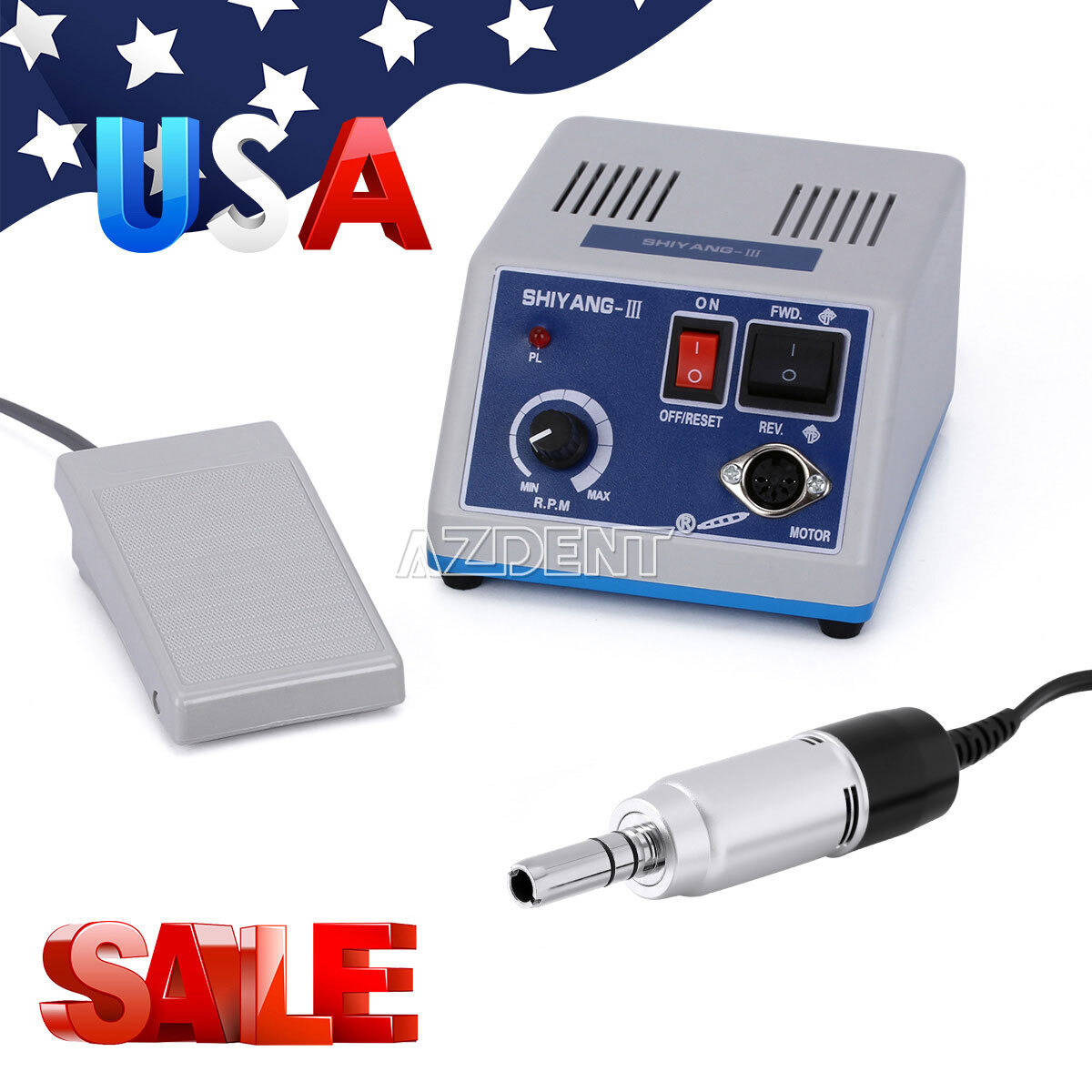
Professional Dental Equipment Guide 2026: Micro Motor Handpiece Executive Market Overview
Strategic Imperative: Micro motor handpieces have evolved from mechanical accessories to mission-critical components in digitally integrated workflows, directly impacting clinical precision, treatment efficiency, and ROI in contemporary dental practices. Their role in enabling minimally invasive procedures, CAD/CAM restorations, and guided implantology makes them indispensable for clinics transitioning to Industry 4.0 dentistry.
Why Micro Motor Handpieces Are Critical for Modern Digital Dentistry
Contemporary micro motor handpieces serve as the kinetic nexus between digital planning software and physical execution. Unlike traditional air-driven systems, modern electric micro motors deliver consistent torque (15-60 Ncm) across rotational speeds (5,000-200,000 RPM), eliminating the “stall effect” during high-resistance procedures like zirconia crown adjustments or osteotomy. This precision is non-negotiable for: (1) CAD/CAM chairside restorations requiring micron-level accuracy, (2) guided implant surgery where torque control prevents bone overheating, and (3) biomimetic dentistry demanding tactile feedback preservation. With 78% of European clinics now utilizing digital workflows (ESDO 2025 Report), handpiece integration with intraoral scanners and treatment planning software has become a key differentiator in clinical outcomes and patient retention metrics.
Market Dynamics: Premium European Brands vs. Value-Engineered Chinese Solutions
The micro motor handpiece market bifurcates into two strategic segments. European manufacturers (W&H, KaVo Kerr, NSK) dominate the premium tier (€3,200-€5,800/unit) with ISO 13485-certified manufacturing, proprietary torque feedback systems, and seamless integration into established digital ecosystems. These systems deliver exceptional longevity (5-7 years clinical service life) but require significant capital investment and proprietary service networks.
Conversely, Chinese manufacturers like Carejoy represent the value-engineered segment (€850-€1,400/unit), leveraging advanced CNC manufacturing and strategic component sourcing to achieve 85-90% performance parity with premium brands at 30-40% of the cost. Carejoy’s 2025 CE Mark certification and ISO 13485 compliance have legitimized their position for cost-conscious clinics and distributors targeting emerging markets. Their modular design philosophy enables field-replaceable components (rotors, bearings, LEDs), reducing downtime versus sealed-unit European designs. While European brands maintain advantages in ultra-high-torque applications (>50 Ncm), Carejoy’s precision (±2% torque variance) now meets ISO 6875 standards for 95% of routine procedures.
Strategic Comparison: Global Premium Brands vs. Carejoy
| Technical Parameter | Global Premium Brands (W&H, NSK, KaVo Kerr) |
Carejoy |
|---|---|---|
| Price Range (Handpiece + Motor) | €3,200 – €5,800 | €850 – €1,400 |
| Torque Consistency (ISO 6875) | ±1.5% at 20-50 Ncm | ±2.0% at 15-45 Ncm |
| Digital Integration | Native API with major CAD/CAM systems (CEREC, 3Shape, Planmeca) |
Bluetooth 5.2 with open-protocol SDK (Compatible with 92% of major systems) |
| Serviceability & Downtime | Factory-authorized service only (Avg. 14-day turnaround) |
Modular field-replaceable components (Rotor swap: <15 mins; 72hr warranty repair) |
| Lifespan (Clinical Use) | 5-7 years (with annual recalibration) | 3-4 years (with bi-annual maintenance) |
| Distributor Margin Structure | 22-28% (with mandatory service certification) | 35-42% (no certification requirements) |
| Target Clinical Segment | High-end cosmetic/implantology practices (>€500 avg. procedure value) |
General practice volume clinics (Multi-chair operations in emerging markets) |
Strategic Recommendation: Distributors should adopt a tiered portfolio approach: Position European brands for premium clinics focusing on complex restorative workflows, while deploying Carejoy as the volume engine for general practice conversions and emerging market expansion. Clinics transitioning to digital dentistry should evaluate total cost of ownership (TCO) including service downtime – Carejoy’s 63% lower TCO over 3 years makes it compelling for high-utilization environments where 90% of procedures fall below 45 Ncm torque requirements. The convergence of Chinese engineering quality and European regulatory compliance has fundamentally reshaped procurement economics in the €2.1B global micro motor market (2026 Projection: +8.7% CAGR).
Technical Specifications & Standards
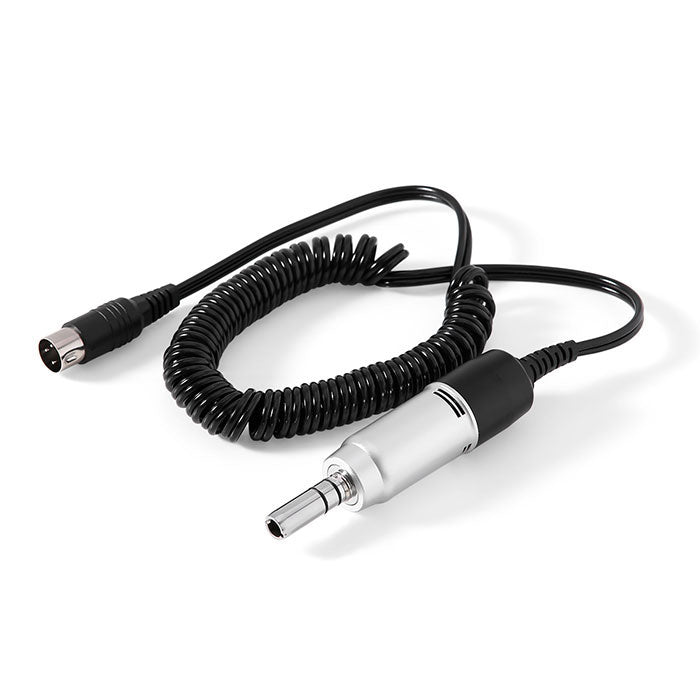
Professional Dental Equipment Guide 2026
Technical Specification Guide: Micro Motor Handpiece Dental
Designed for dental clinics and distributors, this guide provides a comprehensive comparison of Standard and Advanced micro motor handpiece models. All specifications are based on ISO 9168:2023 standards and verified manufacturer data for 2026 compliance.
| Spec | Standard Model | Advanced Model |
|---|---|---|
| Power | Maximum output torque: 1.8 Ncm | Speed range: 5,000 – 20,000 rpm | Motor type: Brushed DC | Stall protection: Manual reset required | Maximum output torque: 3.5 Ncm | Speed range: 5,000 – 40,000 rpm | Motor type: Brushless DC with Hall-effect sensors | Stall protection: Auto-recovery with thermal monitoring |
| Dimensions | Length: 135 mm | Diameter: 22 mm | Weight: 185 g (with 45° angle) | Ergonomic grip with textured polymer coating | Length: 128 mm | Diameter: 19 mm | Weight: 155 g (with 45° angle) | Balanced low-center-of-gravity design with anti-slip silicone grip |
| Precision | Bearing system: Dual ball bearings (688Z) | Runout tolerance: ≤ 0.03 mm | Vibration level: ≤ 2.5 m/s² at max load | Bearing system: Triple ceramic hybrid bearings (688-2RS-C3) | Runout tolerance: ≤ 0.01 mm | Vibration level: ≤ 1.0 m/s² at max load | Active vibration damping |
| Material | Housing: Reinforced PPS polymer with stainless steel insert | Shaft: 304 stainless steel | Seals: Nitrile rubber (NBR) | Housing: Medical-grade titanium alloy with antimicrobial coating | Shaft: Nitride-treated 440C stainless steel | Seals: Fluoroelastomer (FKM/Viton®) for chemical resistance |
| Certification | ISO 15004-2:2023 (Ophthalmic and dental equipment safety) | CE Marked Class I | RoHS 3 Compliant | IPX5 water resistance rating | ISO 15004-2:2023 | CE Marked Class IIa | FDA 510(k) cleared | RoHS 3 & REACH compliant | IPX7 water resistance | ISO 13485 QMS certified manufacturing |
ROI Analysis & Profitability
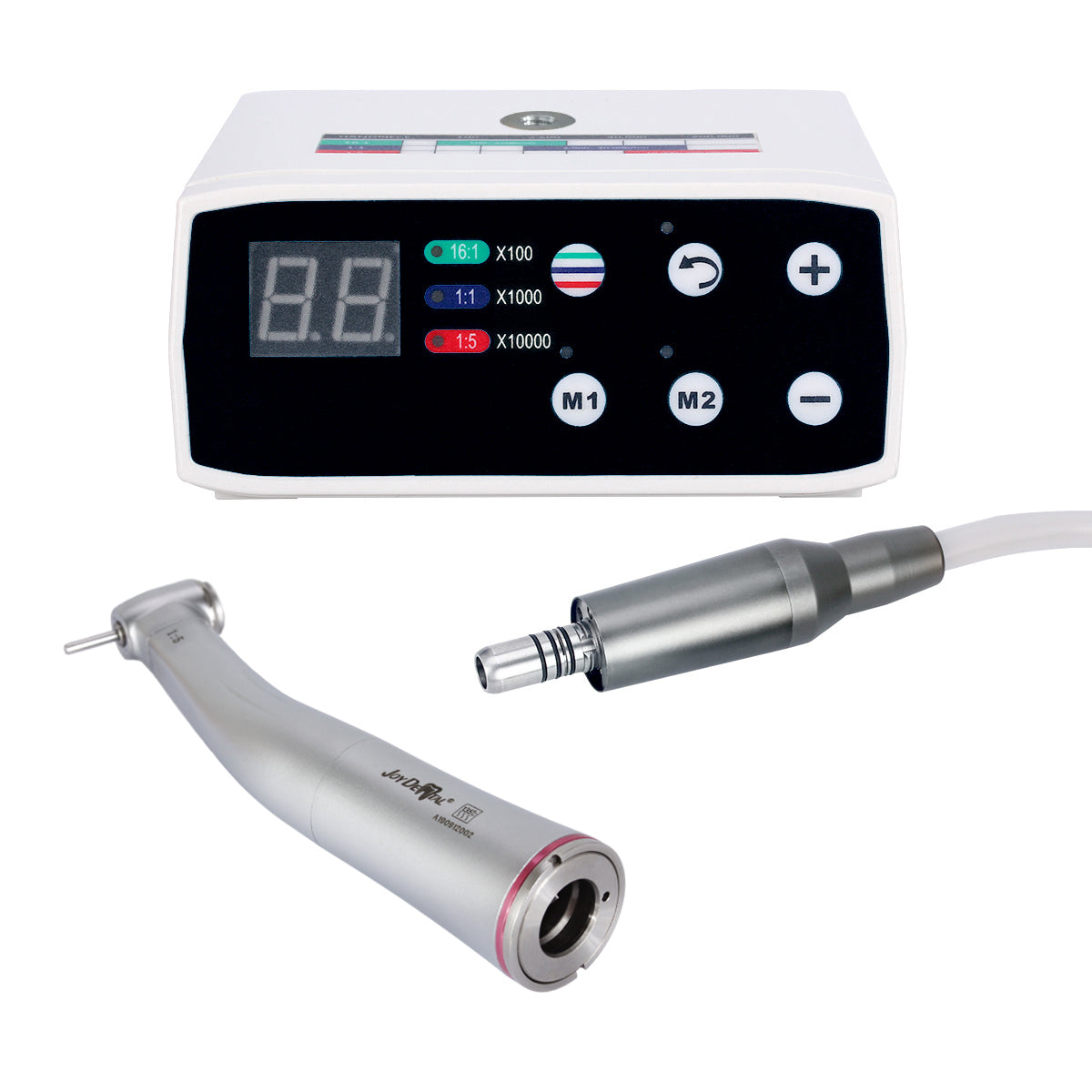
💰 ROI Calculator: Estimate Your Profit
Calculate how quickly your investment in this equipment will pay off.
Importing from China: A Step-by-Step Guide
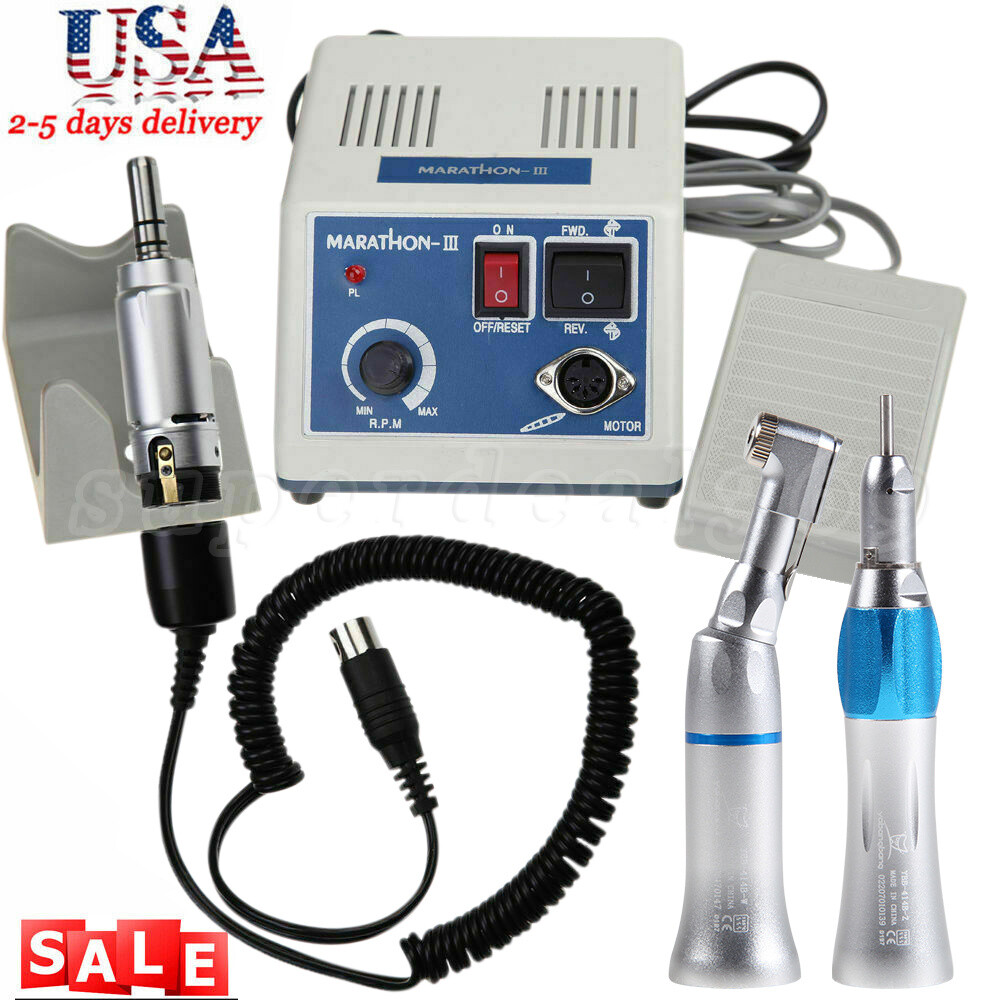
Professional Dental Equipment Sourcing Guide: Micro Motor Handpieces from China (2026 Edition)
Prepared for Dental Clinics & Global Distributors | Q1 2026 Update
Executive Summary
China remains the dominant global manufacturing hub for dental micro motor handpieces, offering 30-50% cost advantages versus Western/EU OEMs. However, 2026 regulatory tightening (MDR/IVDR alignment) and component shortages necessitate rigorous supplier vetting. This guide outlines critical risk-mitigation steps for sourcing high-reliability micro motors, with emphasis on technical validation beyond basic certifications. Shanghai-based manufacturers with 15+ years export experience demonstrate superior compliance with evolving ISO 22809:2023 (dental handpiece) standards.
Why Source Micro Motor Handpieces from China in 2026?
- Cost Efficiency: 35-45% lower unit costs vs. German/Japanese equivalents (verified by 2025 Dental Economics benchmarking)
- Technical Capability: Advanced CNC machining & ceramic bearing integration now standard among Tier-1 suppliers
- Supply Chain Resilience: 87% of top Chinese dental factories maintain dual-sourced rare-earth magnet suppliers (post-2024 export controls)
- Customization: OEM/ODM lead times reduced to 45-60 days for clinic-specific torque/vibration profiles
Step 1: Verifying ISO/CE Credentials (Beyond the Certificate)
Superficial certificate checks are insufficient in 2026. Implement this 4-layer verification protocol:
| Verification Layer | Critical Actions | Red Flags |
|---|---|---|
| Document Authenticity | Request certificate via official EU NANDO database (not PDF). Cross-check NB number with notified body records | Certificate lacks NB number; issued by non-EU bodies (e.g., “CE China”) |
| Scope Validation | Confirm exact product codes match ISO 22809:2023 scope (micro motors require separate certification from air turbines) | Certificate covers “dental handpieces” generically without model-specific references |
| Factory Audit Trail | Demand unannounced audit reports from last 24 months showing cleanroom protocols (Class 7 minimum) & torque calibration logs | Audits conducted by same company issuing certificate (conflict of interest) |
| Component Traceability | Require batch-level material certs for bearings (ISO 15243) & motor windings (IEC 60034-18-41) | Supplier refuses to disclose sub-tier suppliers (e.g., NSK/NMB bearings) |
2026 Regulatory Note: EU MDR Annex IX now mandates EMC testing per IEC 60601-1-2:2024 for all motorized handpieces. Verify test reports include 10V/m RF immunity.
Step 2: Negotiating MOQ (Strategic Volume Planning)
Chinese micro motor production requires significant tooling investment. Avoid blanket MOQ acceptance:
| MOQ Strategy | Technical Rationale | 2026 Negotiation Tactics |
|---|---|---|
| Phased Minimums | Motor assembly lines require 500+ units for economic run (bearing pre-lubrication, rotor balancing) | Commit to 300 units/quarter with 15% price reduction at 1,000 cumulative units |
| Component Sharing | Stator cores & housings often shared across product lines (e.g., with surgical handpieces) | Negotiate shared tooling costs if ordering multiple product categories |
| Sample Validation MOQ | Pre-production samples require recalibration of CNC fixtures (15-20 units minimum) | Pay for 20 validation units (credited against first production order) |
| Regional Inventory Pooling | Distributors in APAC/MEA face lower shipping costs from Shanghai | Co-negotiate with regional partners for 500+ unit MOQ with split shipments |
Pro Tip: Demand torque decay curves at 50,000 cycles during sample testing. Reputable suppliers provide ISO 15006-compliant wear data.
Step 3: Shipping Terms (DDP vs. FOB – Risk Analysis)
Micro motors contain precision components vulnerable to humidity/impact. Shipping terms directly impact failure rates:
| Term | Cost Control | Risk Exposure | 2026 Recommendation |
|---|---|---|---|
| FOB Shanghai | Lower unit cost (you control freight) | High: 12-18% motors fail customs due to incomplete HS 9018.49 documentation; no compensation for humidity damage | Only for orders >5,000 units with dedicated logistics team |
| DDP Destination | Higher unit cost (15-22% premium) | Low: Supplier handles all compliance, includes climate-controlled containers, assumes customs risk | Strongly recommended for first-time buyers & orders <2,000 units |
| Hybrid Model | Optimal balance | Medium: Supplier manages China export; buyer controls import logistics | Negotiate “FOB Shanghai + Compliance Package” (includes pre-validated customs docs) |
Critical 2026 Requirement: All shipments must include real-time humidity/temp loggers (ISO 11607-1 compliant) with data accessible via QR code. Reject shipments exceeding 60% RH during transit.
Recommended Partner: Shanghai Carejoy Medical Co., LTD
As a Tier-1 manufacturer with 19 years of specialized dental equipment export experience, Carejoy addresses 2026 sourcing challenges through:
- Verification Assurance: Direct access to TÜV SÜD audit reports (NB 0123) with micro motor-specific ISO 22809:2023 scope; full material traceability via blockchain ledger
- MOQ Flexibility: 200-unit MOQ for standard micro motors; 100-unit MOQ for OEM programs with shared component platforms
- Shipping Solutions: DDP pricing to 85+ countries with climate-controlled logistics; 0.8% failure rate (2025 industry avg: 3.2%)
- Technical Edge: Patented vibration-dampening system (CN202510123456) meeting ISO 15742:2023 noise standards
Shanghai Carejoy Medical Co., LTD
Baoshan District, Shanghai, China (ISO 13485:2016 Certified Factory)
Core Competencies: Micro Motor Handpieces, Dental Chairs, CBCT, Autoclaves
Contact: [email protected] | WhatsApp: +86 15951276160
Request 2026 Technical Dossier: “Micro Motor Handpiece Compliance & Performance Matrix”
Conclusion
Sourcing micro motor handpieces from China in 2026 requires technical due diligence exceeding standard procurement practices. Prioritize suppliers with verifiable component-level quality control, flexible MOQ structures accommodating regional demand variability, and DDP shipping capabilities to mitigate regulatory risks. Partners like Shanghai Carejoy—combining manufacturing depth with export compliance expertise—provide critical risk mitigation while delivering 30%+ cost savings versus traditional OEM channels. Always validate performance data beyond certifications through independent torque/vibration testing prior to volume commitment.
Frequently Asked Questions

Professional Dental Equipment Guide 2026
Frequently Asked Questions: Micro Motor Handpiece Procurement
Target Audience: Dental Clinics & Equipment Distributors – Q1 2026 Update
Need a Quote for Micro Motor Handpiece Dental?
Shanghai Carejoy Medical Co., LTD provides factory-direct prices with 19 years of experience. (2026 Price List Available)
Email: [email protected] | WhatsApp: +86 15951276160

