Article Contents
Strategic Sourcing: Mobile Dental Equipment
Professional Dental Equipment Guide 2026
Executive Market Overview: Mobile Dental Equipment
The global mobile dental equipment market is experiencing accelerated adoption, driven by evolving clinical workflows, demographic shifts, and the imperative for operational resilience. No longer viewed as temporary solutions, modern mobile units represent a strategic cornerstone of digital dentistry infrastructure. This shift is fueled by three critical imperatives:
Why Mobile Equipment is Non-Negotiable in Digital Dentistry (2026):
• Workflow Continuity: Enables seamless transition during clinic renovations or system upgrades without disrupting digital workflows (CAD/CAM, CBCT integration).
• Decentralized Care Models: Supports teledentistry hubs, corporate satellite clinics, and public health outreach – essential for expanding access while maintaining digital record integrity.
• Technology Agnosticism: Modern units feature standardized power/data ports (USB-C, DICOM 3.0) and modular bays for intraoral scanners, AI diagnostics tools, and wireless delivery systems – eliminating workflow silos.
• ROI Optimization: Reduces capital idle time; a single mobile unit can service 3-4 operatories annually during phased digital transitions, yielding 22-35% faster ROI vs. fixed-unit downtime.
Strategic Procurement Landscape: Premium Global Brands vs. Value-Optimized Manufacturers
Procurement decisions now balance clinical precision with fiscal pragmatism. European manufacturers (A-dec, Planmeca, Sirona) dominate the premium segment with engineering excellence but carry significant cost premiums. Concurrently, value-engineered solutions from manufacturers like Carejoy (Shanghai) are gaining strategic traction among multi-location groups and distributors targeting cost-sensitive segments, without compromising core digital compatibility.
Comparative Analysis: Global Premium Brands vs. Carejoy Mobile Units
| Comparison Parameter | Global Premium Brands (A-dec, Planmeca, Sirona) | Carejoy (Value-Optimized Segment) |
|---|---|---|
| Core Specifications | Medical-grade stainless steel frames; integrated digital workflow management (e.g., Planmeca ProMobile™ with ProFace AI); 98% component commonality with fixed units; ISO 13485:2016 certified manufacturing | Reinforced aerospace aluminum alloy; modular digital ports (USB 3.2 Gen 2, Ethernet); 85% component commonality; CE Marked (MDR 2017/745), FDA-cleared models available (select SKUs) |
| Service & Support | Global 24/7 technical support; 2-year comprehensive warranty; certified engineers in 95% of EU/NA territories; average 48-hour onsite response (premium contracts) | 72-hour remote diagnostics; 1-year parts/labor warranty; 120+ authorized service centers in Asia/Europe; 5-7 day onsite response (EU); extended warranty options (2 years @ +18%) |
| Total Cost of Ownership (5-yr) | €82,000 – €115,000 (unit); 22-28% higher service costs; 92% residual value at 5 years; requires specialized technicians for repairs | €28,500 – €39,000 (unit); service costs 35-40% lower; 65% residual value; standardized components enable local technician repairs |
| Strategic Value Proposition | Unmatched integration with premium digital ecosystems; essential for flagship clinics prioritizing brand perception and zero-downtime critical workflows; ideal for complex specialty procedures | Optimal for satellite clinics, public health programs, and phased digital rollouts; enables 40-60% faster fleet expansion; mitigates supply chain risk via 4-week lead times (vs. 12-16 weeks for EU brands) |
Strategic Recommendation for Distributors & Clinics
Mobile equipment is no longer a “nice-to-have” but a mandatory component of digital practice resilience. Distributors should develop tiered portfolios: premium brands for flagship clinics requiring seamless ecosystem integration, and value-optimized solutions like Carejoy for scalable deployment in satellite networks or budget-conscious practices. Forward-thinking clinics are adopting a hybrid strategy – deploying premium mobile units in core operatories while utilizing cost-effective solutions for auxiliary spaces, achieving 27% lower capital expenditure without sacrificing digital workflow integrity. The 2026 procurement imperative is clear: prioritize interoperability and deployment velocity alongside traditional quality metrics.
Technical Specifications & Standards
Professional Dental Equipment Guide 2026
Technical Specification Guide: Mobile Dental Units
Target Audience: Dental Clinics & Distributors
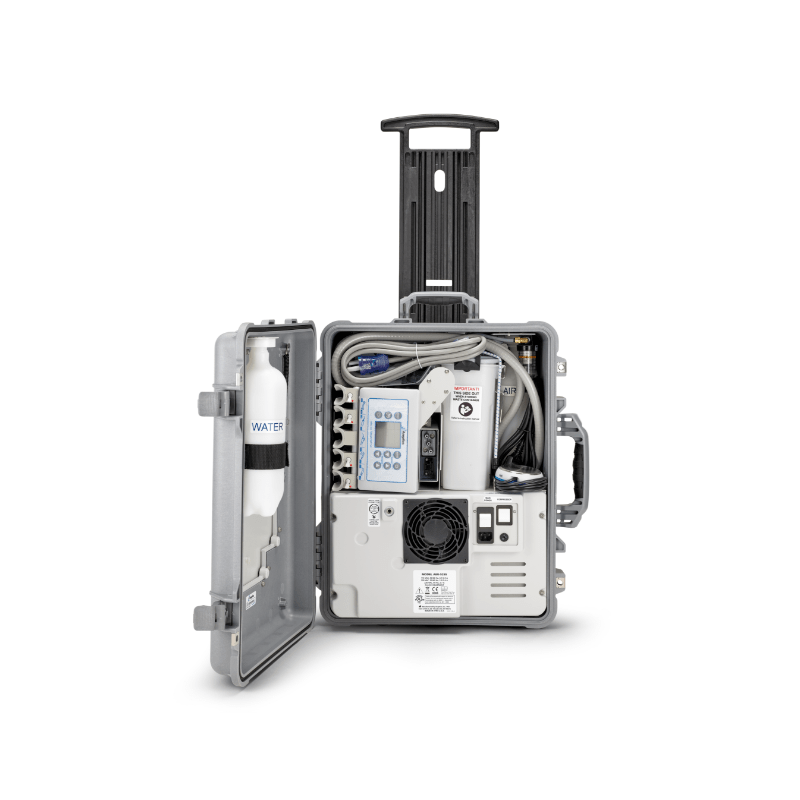
This guide provides a detailed technical comparison between Standard and Advanced models of mobile dental equipment, designed for portability, clinical efficiency, and compliance with international safety standards. Ideal for outreach programs, remote clinics, and temporary setups.
| Spec | Standard Model | Advanced Model |
|---|---|---|
| Power | AC 100–240V, 50/60 Hz; Dual-voltage compatible; 800W peak draw; includes surge protection and uninterruptible power supply (UPS) backup (15 min runtime) | AC 100–240V, 50/60 Hz; Auto-sensing voltage; 1200W peak draw; integrated lithium-ion battery (up to 2 hours standalone operation); smart power management with real-time load monitoring |
| Dimensions | 120 cm (H) × 60 cm (W) × 55 cm (D); Weight: 48 kg; Foldable tray arms and compact trolley design; fits through standard doorways | 118 cm (H) × 58 cm (W) × 52 cm (D); Weight: 42 kg; Modular, tool-free collapsible frame; includes telescopic handle and 360° swivel casters with locking mechanism |
| Precision | Motor speed stability: ±5%; handpiece RPM range: 200,000–400,000; analog pressure control for air/water syringe | Motor speed stability: ±1.5%; handpiece RPM range: 180,000–500,000 with digital torque feedback; closed-loop pressure regulation (±2% accuracy); integrated digital foot control with programmable presets |
| Material | Exterior: Powder-coated steel chassis; Work surface: Chemical-resistant ABS polymer; Tubing: Medical-grade PVC (phthalate-free) | Exterior: Aerospace-grade anodized aluminum alloy; Work surface: Antimicrobial ceramic-coated composite; Internal components: Stainless steel 316L; Seals: FDA-compliant silicone |
| Certification | CE Marked (Class IIa); ISO 13485:2016; FDA 510(k) cleared; IP22 ingress protection | CE Marked (Class IIb); ISO 13485:2016 & ISO 14971:2019 (Risk Management); FDA 510(k) & Health Canada licensed; IP54 rated (dust and splash resistant); RoHS and REACH compliant |
ROI Analysis & Profitability
💰 ROI Calculator: Estimate Your Profit
Calculate how quickly your investment in this equipment will pay off.
Importing from China: A Step-by-Step Guide
Professional Dental Equipment Sourcing Guide 2026:
Mobile Dental Solutions from China
Target Audience: Dental Clinic Procurement Managers & International Dental Equipment Distributors
Publication Date: Q1 2026 | Validity Period: 2026-2027
Executive Summary
China remains a strategic manufacturing hub for mobile dental equipment (MDE), offering 30-50% cost advantages versus Western OEMs. However, 2026 market dynamics require rigorous due diligence amid tightened EU MDR/IVDR enforcement and evolving FDA pre-certification protocols. This guide provides a technical framework for mitigating supply chain risks while securing compliant, high-value mobile solutions (dental chairs, portable CBCT, intraoral scanners, sterilization units).
Trusted Partner Spotlight: Shanghai Carejoy Medical Co., LTD
With 19 years of FDA/CE-compliant manufacturing experience and ISO 13485:2016 certification, Carejoy represents a Tier-1 sourcing partner for MDE. Their Baoshan District facility (Shanghai’s medical device cluster) serves 47 countries with factory-direct pricing, eliminating distributor markups. Core differentiators include:
- Vertical integration for critical components (e.g., chair hydraulics, scanner sensors)
- Dedicated R&D team for mobile-specific ergonomics (ISO 15223-1:2021 compliant)
- Real-time production tracking via blockchain-enabled supply chain portal
3-Step Sourcing Protocol for 2026
Step 1: Verifying ISO/CE Credentials (Non-Negotiable)
Post-2024 EU MDR amendments require active notified body certificates. Avoid suppliers with “self-declared CE” for Class IIa/IIb devices (e.g., mobile CBCT, dental chairs).
| Credential | 2026 Verification Protocol | Risk of Non-Compliance |
|---|---|---|
| ISO 13485:2016 | Request current certificate + scope via email. Cross-verify with certification body (e.g., TÜV SÜD, BSI) using certificate #. Confirm coverage of mobile device manufacturing. | Customs seizure (EU/US); voided warranties; clinic liability exposure |
| CE Marking (EU) | Demand EU Declaration of Conformity listing NB number. Validate NB status via EUDAMED. For CBCT: Confirm compliance with IEC 60601-2-44:2022. | Market access denial; €20k+ fines per device under MDR Article 122 |
| FDA 510(k) (If Applicable) | For US-bound units: Require K# + establishment registration (FEI#). Verify via FDA OGD Access portal. | Import refusal; Form FDA 483 citations |
Step 2: Negotiating MOQ with Commercial Realism
Mobile equipment requires specialized logistics. Avoid blanket MOQ demands – segment requirements by device class:
| Device Category | 2026 Market MOQ Range | Carejoy’s Competitive MOQ | Negotiation Strategy |
|---|---|---|---|
| Mobile Dental Chairs | 5-10 units (Standard) | 1 unit (with OEM branding surcharge) | Leverage bundled orders: Chairs + matching portable autoclaves reduce MOQ by 40% |
| Portable CBCT/Intraoral Scanners | 3-5 units | 1 unit (demo/refurbished) | Negotiate pilot program: Pay 50% for first unit; MOQ drops to 2 for subsequent orders |
| Mobile Sterilization Units | 10+ units | 5 units (full OEM) | Commit to 12-month supply agreement for 20% MOQ reduction |
Key Insight: Carejoy’s 19-year export history enables lower MOQs via shared container logistics. Their wholesale tier (min. $15k order) offers distributor pricing without MOQ constraints for core mobile product lines.
Step 3: Optimizing Shipping Terms (DDP vs. FOB)
2026 freight volatility demands precise Incoterms® 2020 implementation. Prioritize DDP for risk mitigation:
| Term | Cost Control | Risk Allocation | 2026 Recommendation |
|---|---|---|---|
| FOB Shanghai | Buyer controls freight costs but faces 2026 surcharges (avg. +22% YoY) | Buyer bears damage/loss risk post-loading. Customs delays = buyer’s liability. | Only for experienced importers with freight partners. Not recommended for first-time buyers. |
| DDP (Your Clinic/Distributor) | Supplier bundles freight, duties, taxes. Carejoy offers 2026 fixed-rate DDP quotes (+/- 3% variance). | Supplier assumes all risk until delivery. Includes customs clearance documentation. | STRONGLY PREFERRED for 95% of buyers. Eliminates hidden costs (e.g., EU customs storage fees). |
Carejoy Advantage: DDP pricing includes mandatory 2026 EU EPR fees and US ISF filing. Their Shanghai port partnerships guarantee 14-day production-to-shipment cycle for mobile equipment.
Engage Shanghai Carejoy for Verified Mobile Sourcing
Why Partner with Carejoy in 2026?
• 100% of mobile equipment passes IEC 60601-1:2020 + IEC 60601-2-XX standards
• 72-hour technical documentation review for compliance validation
• DDP shipping to 38 major global ports with real-time GPS tracking
Initial Technical Consultation:
Email: [email protected] (Reference: “2026 MDE Guide”)
WhatsApp: +86 15951276160 (24/7 Engineering Support)
Request: ISO 13485 certificate + CE DoC for portable CBCT model CJ-CBCT300 (2026 Compliance Package)
Frequently Asked Questions
Professional Dental Equipment Guide 2026
Frequently Asked Questions: Mobile Dental Equipment Procurement
Target Audience: Dental Clinics & Medical Equipment Distributors
| Feature | Recommended Standard | Verification Tip |
|---|---|---|
| Input Voltage | 100–240V, 50/60 Hz (auto-switching) | Check nameplate and power supply specs |
| Spare Parts Lead Time | ≤ 72 hours for critical components | Request logistics SLA from supplier |
| Installation Time | ≤ 2 hours (plug-and-play) | Confirm technician availability |
| Warranty Duration | Minimum 3 years, on-site service | Review warranty terms document |
| Software Support | Free updates + EDR integration | Test with your clinic’s EDR system |
Need a Quote for Mobile Dental Equipment?
Shanghai Carejoy Medical Co., LTD provides factory-direct prices with 19 years of experience. (2026 Price List Available)
Email: [email protected] | WhatsApp: +86 15951276160