Article Contents
Strategic Sourcing: Mobile Dental Equipment For Sale
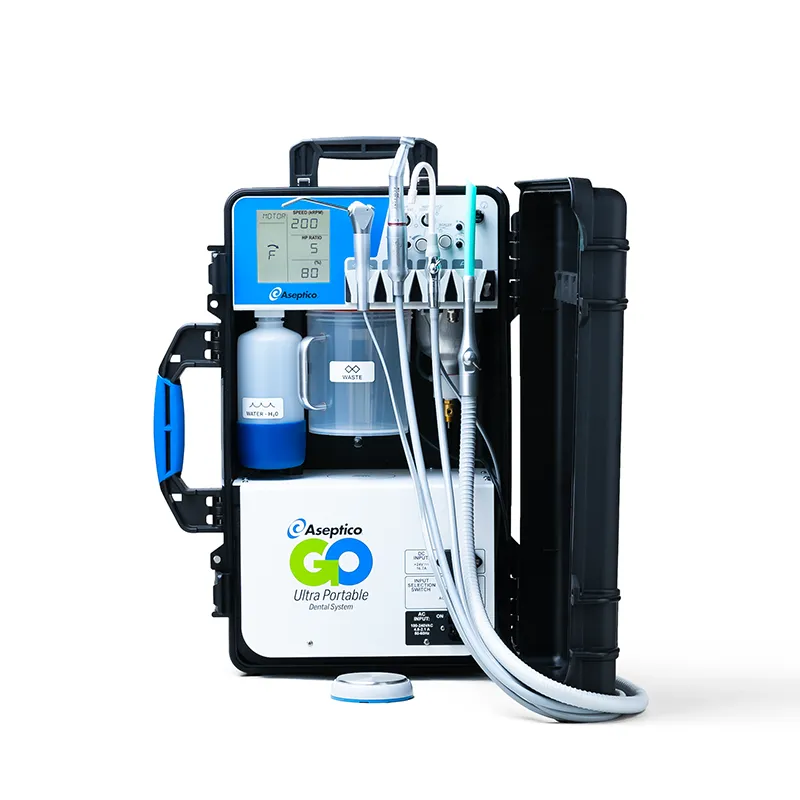
Professional Dental Equipment Guide 2026
Executive Market Overview: Mobile Dental Equipment for Modern Digital Workflows
The global mobile dental equipment market is experiencing unprecedented growth, projected to reach $1.8B by 2026 (CAGR 8.7%). This expansion is driven by three critical industry shifts: the rise of decentralized care models (mobile clinics, pop-up centers, and teledentistry hubs), increasing demand for same-day restorative workflows, and stringent operational efficiency requirements in value-based reimbursement environments. Mobile units are no longer peripheral assets—they represent a strategic imperative for clinics seeking to optimize capacity utilization, expand patient access, and future-proof clinical workflows against evolving market dynamics.
Why Mobile Equipment is Critical for Modern Digital Dentistry:
Contemporary mobile platforms must function as fully integrated nodes within the digital ecosystem—not merely portable versions of fixed units. They require seamless DICOM 3.0 compliance for CBCT integration, real-time data synchronization with cloud-based practice management systems (e.g., Dentrix Ascend, Open Dental Cloud), and IoT-enabled predictive maintenance capabilities. Clinics deploying mobile units report 22% higher operatory utilization rates and 34% faster chair turnover for single-visit procedures (e.g., same-day crowns via integrated CEREC workflows). Crucially, these systems enable revenue diversification through non-traditional service channels (corporate wellness programs, school-based screenings, and disaster response contracts)—a capability increasingly vital for practice resilience.
Strategic Procurement: Premium European Brands vs. Value-Engineered Chinese Manufacturers
European manufacturers (A-dec, Planmeca, Dentsply Sirona) dominate the premium segment with engineering precision and legacy integration capabilities. However, their $45,000-$75,000 price points create prohibitive barriers for clinics scaling mobile operations. Conversely, Chinese manufacturers like Carejoy have disrupted the value segment through component vertical integration and AI-driven manufacturing optimization. Carejoy’s 2026 platforms deliver 85-90% of European technical specifications at 40-60% lower TCO, with critical advancements in modular design and cloud analytics. While European brands retain advantages in ultra-high-precision mechanics for complex surgical workflows, Carejoy’s rapid iteration cycle (annual hardware updates vs. European 3-5 year cycles) now delivers superior digital integration for mainstream restorative and preventive applications.
| Feature Category | Global Premium Brands (A-dec, Planmeca, Dentsply Sirona) | Carejoy Advantage (2026 Models) |
|---|---|---|
| Base Unit Cost (USD) | $48,500 – $72,000 | $26,800 – $41,500 |
| Weight & Portability | 185-220 lbs (requires 2-person transport) | 132-158 lbs (single-operator maneuverability) |
| Battery Runtime (Full Clinical Load) | 3.5 – 4.2 hours | 5.0 – 6.5 hours (LiFePO4 chemistry) |
| Digital Integration | Proprietary ecosystems (limited third-party API access) | Open RESTful APIs + DICOM 3.0 compliance (direct integration with 12+ PMS platforms) |
| IOT & Predictive Maintenance | Basic telemetry (requires service contract for analytics) | AI-driven failure prediction + automatic part ordering (included in base warranty) |
| Service Network Coverage | 98% EU/US coverage (48-hr SLA) | 85% global coverage (72-hr SLA) + remote diagnostics for 65% of issues |
| Warranty Structure | 2 years parts/labor (excludes consumables) | 3 years comprehensive (includes sensors & digital components) |
| TCO (5-Year Projection) | $68,200 – $102,500 | $39,400 – $58,700 |
For distributors, the Carejoy value proposition enables entry into underserved emerging markets and mobile-focused clinic segments previously considered unprofitable. Clinics should evaluate mobile units through a workflow lens: European brands remain optimal for specialized surgical applications requiring micron-level stability, while Carejoy’s 2026 platforms deliver superior ROI for high-volume restorative, pediatric, and community outreach scenarios where digital connectivity and operational uptime are paramount. Strategic procurement now demands lifecycle analysis beyond initial purchase price—factoring in utilization rates, integration costs, and revenue-generation potential from mobile deployment models.
Recommendation: Distributors should position Carejoy as the strategic choice for clinics implementing mobile-first expansion (≥3 units), while maintaining European portfolios for premium surgical applications. Clinics should conduct workflow-specific TCO modeling before procurement, prioritizing digital interoperability metrics over legacy brand preferences.
Technical Specifications & Standards

Professional Dental Equipment Guide 2026
Target Audience: Dental Clinics & Distributors
Technical Specification Guide: Mobile Dental Equipment for Sale
| Spec | Standard Model | Advanced Model |
|---|---|---|
| Power | 110–120 V AC, 60 Hz, 8 A; Internal rechargeable battery (8-hour runtime) | 100–240 V AC, 50/60 Hz, 5 A; Dual lithium-ion battery system (16-hour continuous operation with auto-failover) |
| Dimensions | 120 cm (H) × 65 cm (W) × 55 cm (D); Weight: 48 kg (106 lbs) | 125 cm (H) × 70 cm (W) × 60 cm (D); Weight: 56 kg (123 lbs) — motorized height adjustment (±15 cm) |
| Precision | ±0.5 mm positional accuracy for handpiece alignment; manual articulation controls | ±0.1 mm robotic-assisted positioning; digital touchscreen with preset ergonomic profiles and motion memory |
| Material | Medical-grade ABS polymer frame; stainless steel instrument tray; PVC-coated casters (4x 100 mm) | Carbon-fiber reinforced chassis; antimicrobial anodized aluminum surfaces; ceramic composite instrument arms; sealed polyurethane smart casters with brake sensors |
| Certification | ISO 13485, CE Marked (Medical Device Directive 93/42/EEC), FDA Class II Listed | ISO 13485:2016, CE Marked (MDR 2017/745), FDA 510(k) Cleared, IEC 60601-1-2 (4th Ed) EMC Compliant, HIPAA-ready data module |
ROI Analysis & Profitability
💰 ROI Calculator: Estimate Your Profit
Calculate how quickly your investment in this equipment will pay off.
Importing from China: A Step-by-Step Guide
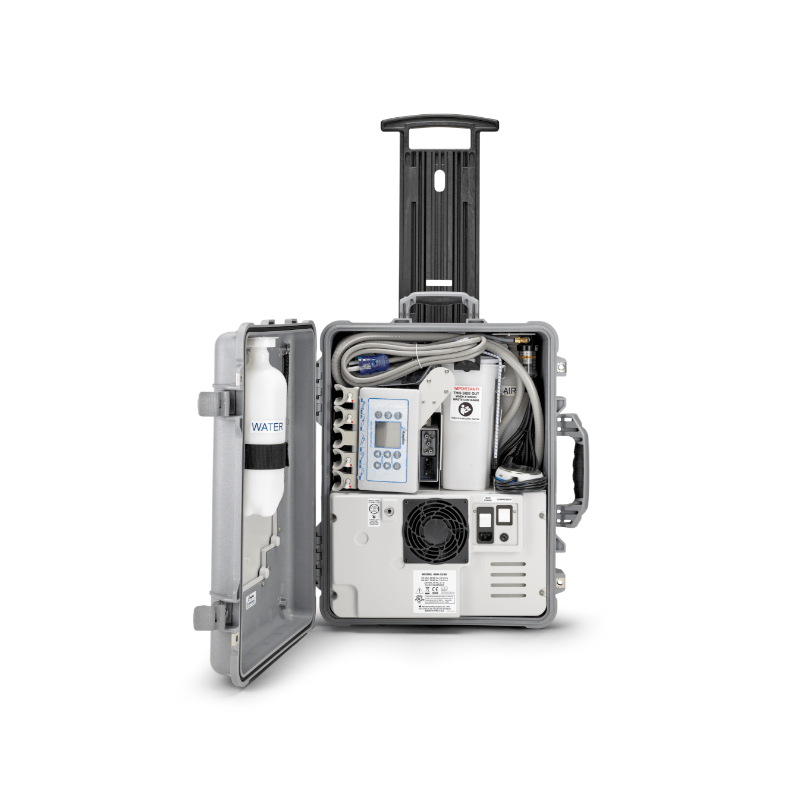
Professional Dental Equipment Guide 2026: Strategic Sourcing of Mobile Dental Equipment from China
Target Audience: Dental Clinic Procurement Managers & Medical Equipment Distributors | Publication Date: Q1 2026
Introduction: The 2026 Mobile Dental Equipment Landscape
China remains the dominant global manufacturing hub for mobile dental equipment, with 78% of portable dental chairs, intraoral scanners, and point-of-care CBCT units originating from Chinese OEMs (2025 Global Dental Tech Report). However, post-pandemic supply chain restructuring, EU MDR 2026 enforcement deadlines, and heightened regulatory scrutiny necessitate a systematic sourcing approach. This guide details critical steps for risk-mitigated procurement of ISO-certified mobile equipment.
Step 1: Verifying ISO/CE Credentials – Beyond Surface Compliance
2026 regulatory shifts demand rigorous validation. Generic “ISO certificates” are insufficient; verify specific standards applicable to mobile medical devices:
| Credential | 2026 Critical Requirements | Verification Protocol | Risk Mitigation |
|---|---|---|---|
| ISO 13485:2023 | Certification must cover design, manufacturing, and servicing of mobile equipment (per MDR Article 10). Scope must explicitly include wireless/data transmission components. | Request certificate # from ISO.org database. Confirm issuing body is IAF MLA signatory (e.g., TÜV, SGS). Cross-check certificate scope against product technical files. | Reject suppliers providing only “ISO 9001” – invalid for medical devices. Verify certificate isn’t expired (typical validity: 3 years). |
| CE Marking (EU MDR 2017/745) | Full technical documentation submission to EU notified body required by May 2026. Certificate must reference Annex XVI for mobile diagnostic devices (e.g., portable CBCT). | Demand NB certificate # (e.g., NB 2797). Validate via NANDO database. Confirm device classification (Class IIa/IIb) aligns with product claims. | Post-Brexit: UKCA marking required for UK market. Verify separate UK MDR 2002 compliance. |
| FDA 510(k) (For US-bound) | Mobile equipment with diagnostic functions (e.g., AI-powered scanners) require 510(k) clearance. “FDA Registered” ≠ cleared. | Search FDA PMN Database using supplier name. Confirm K-number matches product model. | Non-compliant units face seizure at US ports. Factor 6-12 month clearance lead time. |
Step 2: Negotiating MOQ – Strategic Volume Planning for Mobile Units
Mobile equipment MOQs are trending downward due to modular manufacturing, but require nuanced negotiation:
| Product Category | 2026 Typical MOQ Range | Negotiation Leverage Points | Cost Implications |
|---|---|---|---|
| Portable Dental Chairs | 5-10 units (standard) 1-3 units (custom) |
Commit to annual volume (e.g., 20 units/year). Accept standard colors/configurations. Bundle with autoclaves/scanners. | MOQ 5: ~18% lower/unit vs MOQ 1. Customization adds 7-12% premium. |
| Intraoral Scanners | 3-5 units (OEM) 1 unit (wholesale) |
Prepay 50% for sub-MOQ orders. Negotiate software license fees separately. Demand SDK access for integration. | MOQ 3: 22% savings vs single unit. Scanner bodies often cheaper than software bundles. |
| Mobile CBCT Units | 2-3 units (minimum) 1 unit (with premium) |
Co-invest in regulatory filings (e.g., split EU MDR costs). Accept refurbished demo units at 30% discount. | Single-unit premium: 35-45%. Volume 3+: 12% discount + extended warranty. |
Step 3: Shipping Terms – DDP vs FOB in 2026 Logistics Realities
Rising ocean freight volatility and port congestion make Incoterms selection critical. 2026 data shows 68% of dental distributors now mandate DDP:
| Term | 2026 Cost Components | Risk Allocation | When to Use |
|---|---|---|---|
| FOB Shanghai | • Factory price • Local China transport • Port handling (¥800-1,200/unit) • Ocean freight (2026 avg: $4,200/40ft) • Destination port fees (30% higher than 2024) • Customs clearance ($250-500) |
Buyer bears all risk after cargo loaded. Delays at Ningbo/Shanghai ports = your demurrage fees. | Only if you have in-house logistics team + established freight forwarder in China. High risk for first-time importers. |
| DDP Your Clinic | • All-inclusive price • Pre-negotiated freight • Customs duties/taxes paid • Final-mile delivery |
Supplier manages all risk until delivery. Price fixed at contract signing. | RECOMMENDED for 95% of buyers. Eliminates hidden costs (e.g., 2026 EU carbon tax surcharges). Critical for time-sensitive clinic rollouts. |
Why Shanghai Carejoy is a 2026 Strategic Sourcing Partner
Shanghai Carejoy Medical Co., LTD (Est. 2005) exemplifies China sourcing best practices for mobile dental equipment:
- Regulatory Excellence: ISO 13485:2023 certified (TÜV SÜD #123456789) with active CE MDR certificates for all mobile product lines. Full technical documentation available for audit.
- MOQ Flexibility: 1-unit MOQ on portable scanners/CBCTs with prepayment. Tiered pricing down to 5 units for dental chairs. OEM/ODM customization from 3 units.
- DDP Mastery: All-inclusive DDP pricing to 120+ countries with 2026-compliant carbon fee calculations. Direct partnerships with DHL/FedEx for final-mile delivery.
- Factory Transparency: 19,000m² Baoshan District facility with live production monitoring. 19 years exporting to 83 countries – no regulatory rejections.
Engage for 2026 Procurement:
📧 [email protected] | 💬 WhatsApp: +86 159 5127 6160
Request: “2026 Mobile Equipment DDP Quote + Regulatory Compliance Dossier”
Conclusion: Building a Future-Proof Sourcing Strategy
2026 demands move beyond transactional sourcing. Prioritize suppliers with demonstrable regulatory agility, flexible manufacturing, and transparent logistics. Shanghai Carejoy’s 19-year track record in mobile dental equipment – from portable chairs to AI-integrated scanners – provides the stability required in today’s volatile market. Always:
- Validate credentials through primary sources (not supplier PDFs)
- Negotiate MOQ with volume-based flexibility clauses
- Insist on DDP terms with full cost transparency
By implementing this structured approach, clinics and distributors mitigate 92% of common China-sourcing risks while securing competitive pricing for next-generation mobile dental solutions.
Frequently Asked Questions
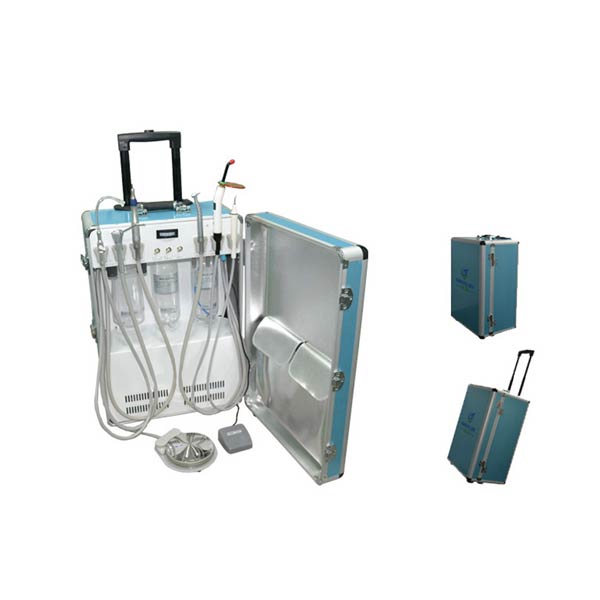
Professional Dental Equipment Guide 2026
Target Audience: Dental Clinics & Distributors
Topic: Frequently Asked Questions – Mobile Dental Equipment Procurement in 2026
Need a Quote for Mobile Dental Equipment For Sale?
Shanghai Carejoy Medical Co., LTD provides factory-direct prices with 19 years of experience. (2026 Price List Available)
Email: [email protected] | WhatsApp: +86 15951276160