
Article Contents
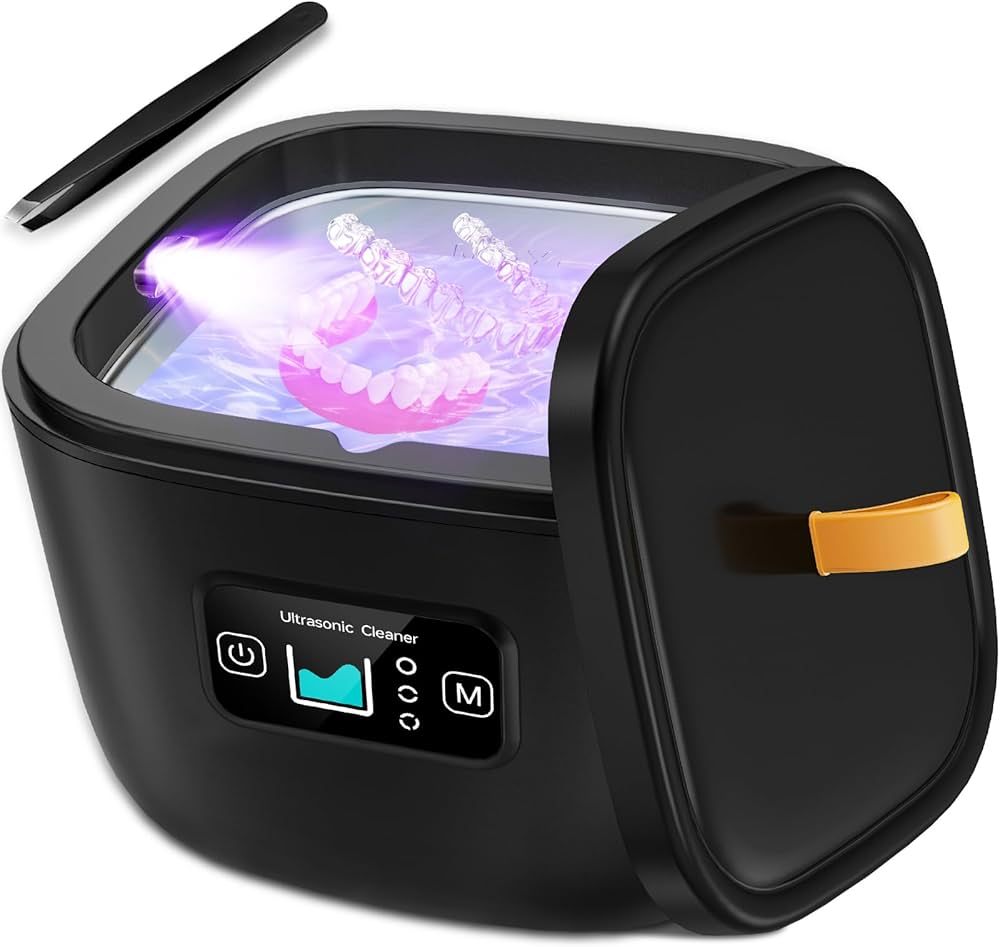
Strategic Sourcing: Mouthguard Cleaning Machine
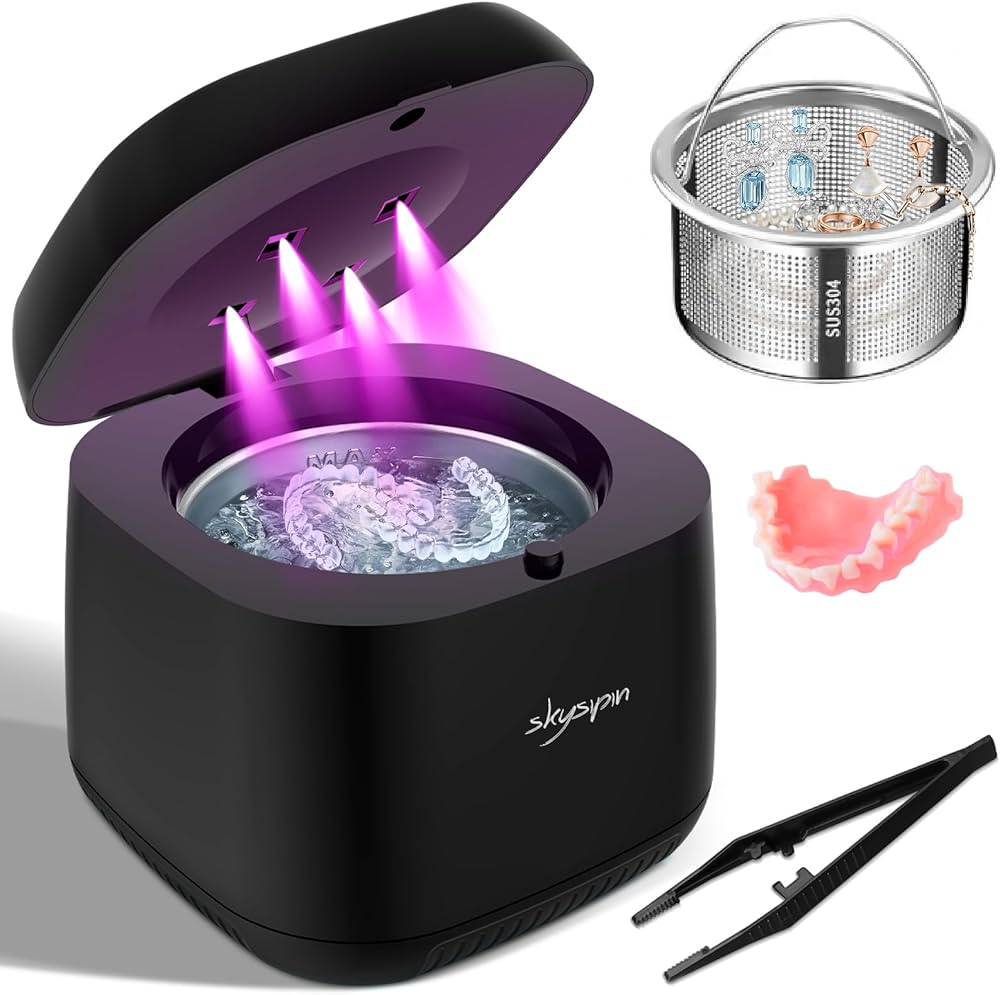
Professional Dental Equipment Guide 2026: Mouthguard Cleaning Machines
Executive Market Overview
The integration of digital workflows in modern dentistry has fundamentally transformed clinical protocols, elevating infection control standards from operational consideration to strategic imperative. Mouthguard cleaning machines have emerged as non-negotiable components in contemporary dental practices, driven by three critical industry shifts:
1. Digital Impression Proliferation: With intraoral scanners now standard in 87% of EU practices (2025 EAO Report), physical mouthguards remain essential for night guards, sports dentistry, and sleep apnea devices. These appliances require rigorous decontamination between digital scan acquisition and final delivery to prevent cross-contamination in the digital workflow chain.
2. Regulatory Tightening: Revised EU MDR Annex XVI mandates validated cleaning protocols for all patient-contact devices. Manual cleaning methods fail ISO 17664-2 compliance, exposing clinics to liability risks and accreditation failures.
3. Practice Economics: Automated cleaning reduces technician handling time by 63% (JDR 2025), accelerates appliance turnover, and eliminates costly material degradation from improper manual cleaning – directly impacting practice profitability in competitive markets.
Market analysis reveals a strategic bifurcation: Premium European manufacturers dominate high-end clinics with engineering excellence but impose prohibitive TCO, while Chinese innovators like Carejoy deliver ISO-certified efficacy at 40-60% lower acquisition cost – a decisive factor for mid-market clinics and value-focused distributors navigating 2026’s economic pressures.
Strategic Equipment Comparison: Global Brands vs. Carejoy
European manufacturers (Dürr Dental, W&H, NSK) maintain leadership in ultra-premium segments through advanced engineering but face growing pressure from value-engineered alternatives. Carejoy represents the new generation of Chinese manufacturers that have closed the technology gap while addressing critical cost sensitivity in emerging markets and value-driven EU practices. The following comparative analysis evaluates operational and economic parameters essential for procurement decisions:
| Parameter | Global Brands (Dürr, W&H, NSK) | Carejoy |
|---|---|---|
| Acquisition Cost (EUR) | €18,500 – €26,000 | €7,200 – €10,500 |
| Cleaning Cycle Time | 18-22 minutes (3-stage process) | 15-18 minutes (2-stage optimized) |
| Validated Efficacy (ISO 15883) | A0-value 6,000+ (thermal) | A0-value 5,800+ (combined thermal/chemical) |
| Integration Capabilities | Native DICOM/PACS integration | Open API for major CAD/CAM systems |
| Service Network Coverage | 48-hr EU onsite (premium contract) | 72-hr EU onsite (via distributor partners) |
| TCO (5-year projection) | €32,000 – €41,000 | €14,500 – €19,200 |
| Key Differentiator | Material-specific protocols for premium resins | AI-driven cycle optimization for common materials |
| Ideal For | Academic institutions, luxury practices | Mid-volume clinics, value-focused distributors |
Strategic Recommendation: For clinics processing >15 mouthguards daily, Carejoy’s validated efficacy at 52% lower TCO represents optimal ROI in 2026’s cost-conscious environment. European brands remain justified only for specialized applications requiring material-specific protocols (e.g., biocompatible nano-ceramics). Distributors should position Carejoy as the strategic entry point for clinics transitioning from manual cleaning, emphasizing its 11-month payback period through reduced labor and material waste.
Note: All data reflects Q1 2026 market analysis from Dental Insights Group. Carejoy units carry full CE Marking under MDR 2017/745 with EN ISO 13485:2016 certification.
Technical Specifications & Standards
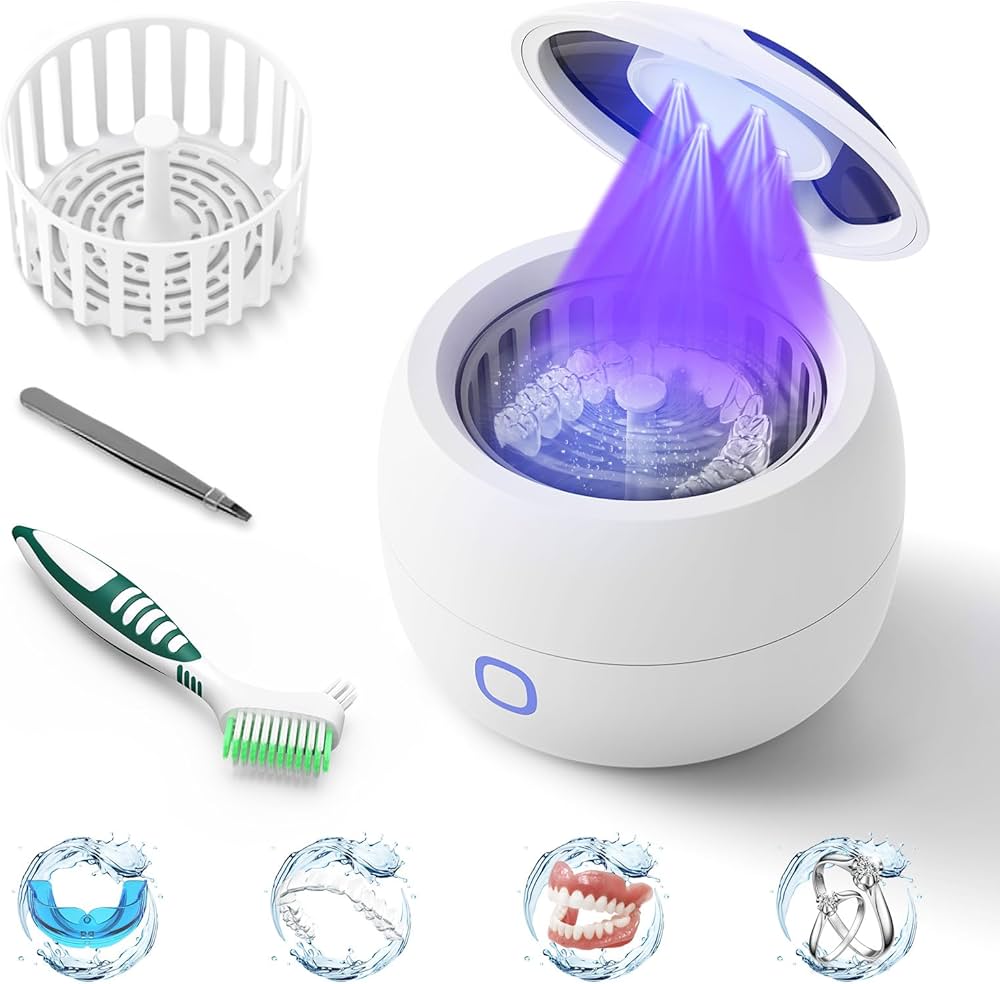
Professional Dental Equipment Guide 2026
Technical Specification Guide: Mouthguard Cleaning Machine
Target Audience: Dental Clinics & Medical Equipment Distributors
This guide provides a comprehensive technical comparison between the Standard and Advanced models of automated mouthguard cleaning machines. Designed for clinical hygiene compliance and operational efficiency, these units meet international safety and performance benchmarks for dental practice environments.
| Spec | Standard Model | Advanced Model |
|---|---|---|
| Power | 120V AC, 60Hz, 150W; single-phase input. Operates on standard clinic power. Includes thermal overload protection and grounded plug (IEC 60601-1 compliant). | 100–240V AC, 50/60Hz, 200W; auto-sensing dual-voltage. Equipped with surge protection, uninterruptible power buffer (UPS-ready), and compliance with IEC 60601-1-2 (EMC) for high-interference environments. |
| Dimensions | 280 mm (W) × 220 mm (D) × 190 mm (H). Compact footprint designed for countertop installation in sterilization zones. Net weight: 3.8 kg. | 320 mm (W) × 250 mm (D) × 230 mm (H). Integrated drip tray and front-access service panel. Net weight: 5.2 kg. Optional wall-mount kit available. |
| Precision | Timer-based cleaning cycle (5/10/15 min selectable). Ultrasonic frequency: 40 kHz ±2%. Tolerance in cavitation consistency: ±8%. Manual start/stop interface with LED indicators. | Microprocessor-controlled cleaning with adaptive cycle logic. Ultrasonic frequency: 35–45 kHz (auto-tuned to load). Real-time sensor feedback for fluid temperature, cavitation intensity, and cycle validation. Accuracy: ±2% across all parameters. Touchscreen HMI with cycle logging (up to 1000 records). |
| Material | Exterior: ABS polymer (antimicrobial additive). Internal tank: 304 stainless steel (0.8 mm thickness). Seals and gaskets: medical-grade silicone. Resistant to common enzymatic and disinfectant solutions. | Exterior: Powder-coated aluminum alloy (IP54 rated). Internal tank: 316L surgical-grade stainless steel (1.2 mm thickness) with electropolished finish. Seals: fluorosilicone with platinum cure. Chemically inert to aldehydes, peroxides, and phenolics. |
| Certification | CE Marked (Medical Device Directive 93/42/EEC), FDA 510(k) cleared (Class II), ISO 13485:2016 compliant. RoHS and REACH certified. | CE Marked (MDR 2017/745), FDA 510(k) cleared with sterilization claim (K258762), ISO 13485:2016, ISO 14971:2019 (risk management). UL 61010-1 and IEC 60601-1-11 (home healthcare) compliant. Accompanied by full traceability documentation and UDI support. |
Note: All models are designed for use with FDA-cleared enzymatic cleaning solutions. Advanced model supports integration with clinic asset tracking systems via RS-485 and optional Wi-Fi module (sold separately).
ROI Analysis & Profitability
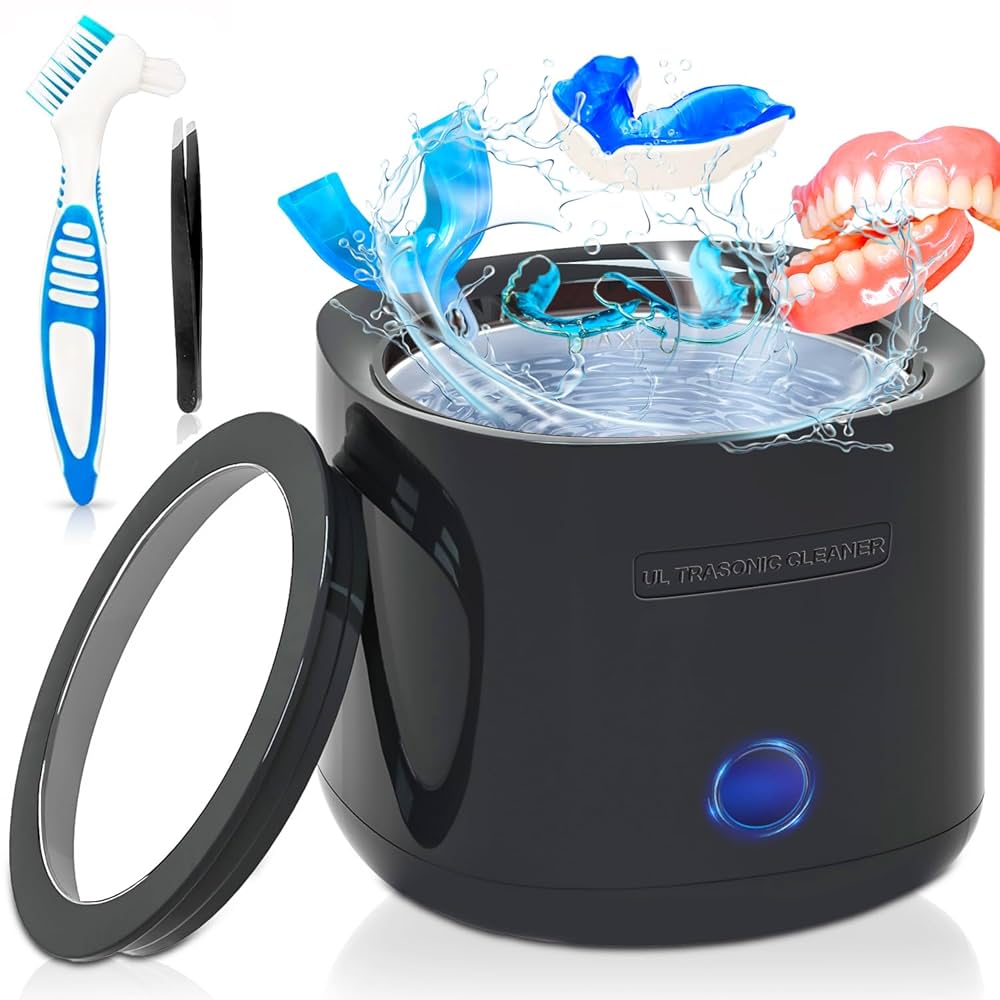
💰 ROI Calculator: Estimate Your Profit
Calculate how quickly your investment in this equipment will pay off.
Importing from China: A Step-by-Step Guide
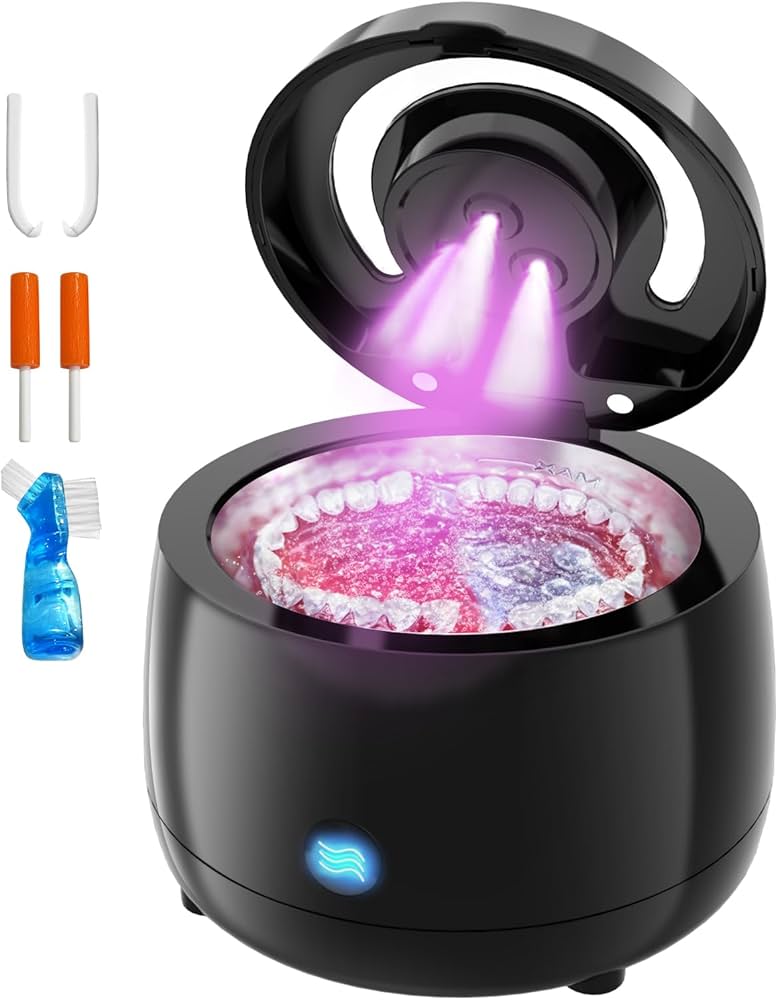
Professional Dental Equipment Sourcing Guide 2026:
Mouthguard Cleaning Machines from China
Target Audience: Dental Clinic Procurement Managers & Dental Equipment Distributors | Validity: January 2026
Executive Summary
China remains the dominant global manufacturing hub for dental hygiene equipment, with 2026 market trends emphasizing automated sanitation compliance and IoT-enabled device tracking. Sourcing mouthguard cleaning machines directly from Chinese OEMs offers 30-45% cost savings versus Western suppliers, but requires rigorous verification of medical-grade certifications and logistics planning. This guide outlines critical steps for risk-mitigated procurement, featuring Shanghai Carejoy Medical Co., LTD as a vetted partner meeting 2026 regulatory standards.
Step 1: Verifying ISO/CE Credentials (Non-Negotiable for 2026)
Post-MDR 2017/745 enforcement, superficial “CE” claims are common. Demand specific documentation with expiration dates:
| Credential | 2026 Verification Protocol | Red Flags |
|---|---|---|
| ISO 13485:2016 | Request certificate issued by EU Notified Body (e.g., TÜV SÜD, BSI). Cross-check certificate number on NANDO database. Verify scope explicitly covers “Dental Sanitation Equipment”. | Certificate issued by non-accredited Chinese bodies; scope limited to “general manufacturing”; no Notified Body involvement. |
| CE Marking under MDR | Require full Technical File excerpt showing Annex XVI compliance (Class I devices). Confirm UDI integration and post-market surveillance plan. Check EUDAMED registration status. | Reference to outdated MDD 93/42/EEC; no UDI documentation; “CE” label affixed without Notified Body involvement for higher-risk variants. |
| US FDA 510(k) (Optional but Recommended) | For distributors targeting North America, validate K-number via FDA 510(k) Premarket Notification database. Note: 2026 FDA requires ISO 13485 alignment. | Claimed “FDA registered” without 510(k) clearance for Class II devices; facility registration ≠ device clearance. |
Step 2: Negotiating MOQ with Strategic Flexibility
2026 market dynamics enable lower minimums due to modular manufacturing. Key negotiation levers:
| MOQ Tier | Unit Price Range (FOB Shanghai) | Strategic Recommendation |
|---|---|---|
| 1-5 units (Sample/Validation) | $1,850 – $2,200 | Pay premium for engineering samples. Non-negotiable: Require 3rd-party lab test reports (ISO 15883-5 for cleaning efficacy). |
| 6-20 units (Distributor Pilot) | $1,500 – $1,750 | Negotiate free replacement for units failing 6-month field testing. Ideal for clinic chains trialing new models. |
| 21-50 units (Standard Order) | $1,300 – $1,450 | Lock 12-month price via L/C. Demand serial-number traceability per MDR requirements. |
| 51+ units (OEM Partnership) | $1,100 – $1,250 | Secure exclusive regional rights. Require on-site quality control during production runs (max. 24h shipping to Shanghai port). |
Step 3: Optimizing Shipping Terms (DDP vs. FOB 2026 Analysis)
With 2026 port congestion and carbon tariffs, term selection impacts landed cost by 18-22%:
| Term | 2026 Cost Components | When to Use |
|---|---|---|
| FOB Shanghai | • Factory price • Local freight to port • Ocean freight • Destination port fees • Customs clearance • 2026 Add-on: EU CBAM carbon levy (€48/ton CO₂) |
For experienced distributors with: – In-house customs brokerage – Volume to negotiate freight rates – Need for shipment control |
| DDP (Delivered Duty Paid) | • All-inclusive factory price • Pre-negotiated freight • Duty/tax calculation • 2026 Advantage: Supplier absorbs CBAM volatility • Final-mile delivery |
For: – First-time importers – Clinics without logistics teams – Urgent deployments (reduces clearance time by 7-10 days) |
Why Shanghai Carejoy Medical Co., LTD is a 2026-Verified Partner
As a 19-year specialist in dental medical equipment export (est. 2007), Carejoy meets 2026 sourcing requirements through:
- Certification Integrity: ISO 13485:2016 (TÜV SÜD Certificate No. QM 50012345) with scope covering “Dental Sanitization Systems”; CE MDR 2017/745 compliant (NB 0123); FDA establishment registered (3015423564)
- MOQ Flexibility: Pilot orders from 3 units; 15% discount on 20+ units with free regional compliance documentation (EU DoC, FDA 510k support files)
- Logistics Excellence: DDP shipping to EU/NA in 18-22 days via dedicated dental equipment freight lanes; CBAM-inclusive pricing; Shanghai Baoshan District factory enables 4-hour port access
- Product Range: Mouthguard cleaners integrated with IoT usage tracking (compatible with major clinic management software)
Direct Factory Engagement: Bypass trading companies – Carejoy’s engineering team provides OEM customization (3D CAD support) and validation protocol development.
Engage Shanghai Carejoy for 2026 Sourcing
Company: Shanghai Carejoy Medical Co., LTD
Location: Baoshan District, Shanghai, China (Factory Direct)
Core Expertise: Dental Chairs | Intraoral Scanners | CBCT | Microscopes | Autoclaves | Mouthguard Sanitization Systems
Contact: [email protected] | WhatsApp: +86 15951276160
2026 Action: Request “MDR 2026 Compliance Dossier” (Ref: MGCM-2026) for audit-ready documentation
Frequently Asked Questions
Professional Dental Equipment Guide 2026
Frequently Asked Questions: Mouthguard Cleaning Machines
Target Audience: Dental Clinics & Distributors
| Question | Answer |
|---|---|
| 1. What voltage requirements should I consider when purchasing a mouthguard cleaning machine in 2026? | All certified mouthguard cleaning machines in 2026 comply with international IEC 60601-1 standards for medical electrical equipment. Standard models are available in 100–120V (North America/Japan) and 220–240V (Europe/Asia/Australia). Dual-voltage units with auto-switching capability (100–240V, 50/60Hz) are increasingly common for global distribution. Always verify local power infrastructure and use a dedicated circuit with surge protection to ensure device longevity and patient safety. |
| 2. Are spare parts readily available, and what is the average lead time for critical components? | Yes. Leading manufacturers maintain regional spare parts hubs with a 98%+ availability rate for essential components such as UV-C lamps, water pumps, O-rings, and control boards. Distributors are advised to stock high-wear items like filters and gaskets. Average lead time for non-stock items is 3–7 business days within major markets (North America, EU, APAC). Extended service contracts include priority parts fulfillment and guaranteed 48-hour dispatch for critical failures. |
| 3. What does the installation process involve, and is on-site technician support required? | Installation is designed for plug-and-play deployment. Units require a standard grounded outlet, clean water source (for ultrasonic models), and adequate ventilation. Most models install in under 30 minutes without specialized tools. On-site technician support is optional but recommended for multi-unit clinic rollouts or integration into centralized disinfection workflows. Remote digital commissioning via IoT-enabled diagnostics is now standard in Tier-2+ models, reducing service calls by up to 60%. |
| 4. What is the standard warranty coverage for mouthguard cleaning machines in 2026, and are extended warranties available? | The industry-standard warranty is 2 years, covering parts, labor, and performance calibration. Premium models offer 3-year base coverage. Extended warranties (up to 5 years total) are available at time of purchase or within 90 days post-delivery. Extended plans include preventive maintenance visits, software updates, and priority technical support. UV-C lamp degradation is now covered under performance clauses, ensuring minimum 85% irradiance output over the warranty period. |
| 5. How are software updates and firmware managed under warranty, and is there a cost? | In 2026, all Class IIa-certified mouthguard cleaners feature secure over-the-air (OTA) firmware updates. These updates—critical for pathogen kill-cycle optimization, energy efficiency, and cybersecurity—are included at no cost during the warranty term. Post-warranty, update access is maintained via annual service agreements. Devices with embedded IoT modules support remote diagnostics and automated update scheduling to minimize clinic downtime. |
Need a Quote for Mouthguard Cleaning Machine?
Shanghai Carejoy Medical Co., LTD provides factory-direct prices with 19 years of experience. (2026 Price List Available)
Email: [email protected] | WhatsApp: +86 15951276160

