
Article Contents
Strategic Sourcing: Movable Dental Chair
Professional Dental Equipment Guide 2026: Executive Market Overview
Movable Dental Chairs – The Strategic Nerve Center of Digital Dentistry
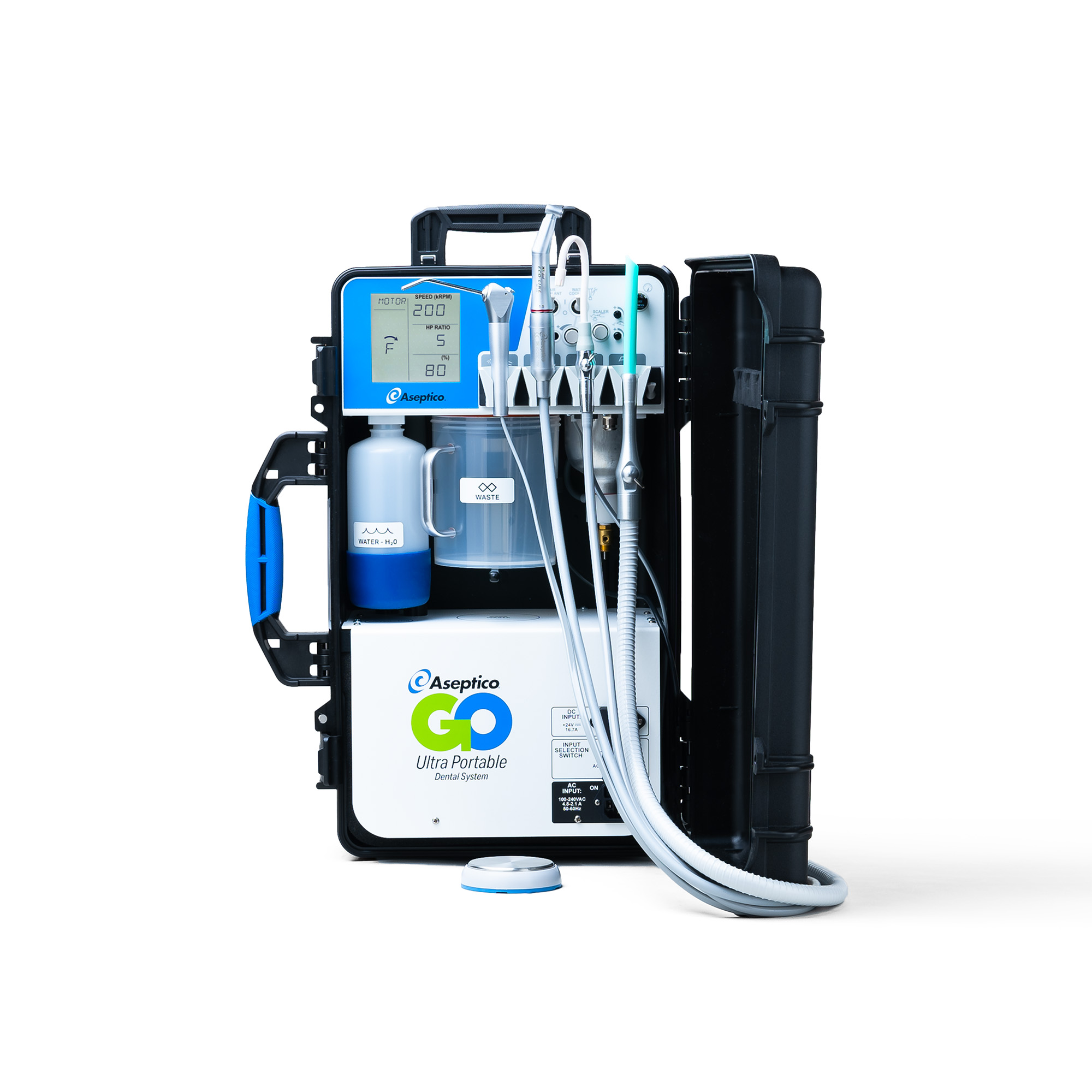
The modern dental operatory has evolved from a static treatment space into a dynamic digital ecosystem. Movable dental chairs are no longer merely patient positioning devices; they are critical workflow integration hubs that directly impact clinical efficiency, digital accuracy, and revenue generation. As intraoral scanners, CBCT systems, and chairside CAD/CAM become standard, fixed-position chairs create operational bottlenecks. Precision mobility—encompassing motorized positioning, memory presets, vibration damping, and IoT connectivity—is now a non-negotiable requirement for clinics implementing digital-first workflows.
Why Mobility = Revenue Protection: In digital dentistry, chair repositioning errors during scanning or imaging cause 23% of procedure retakes (2025 EAO Workflow Study). A chair with sub-millimeter positional repeatability and anti-vibration engineering reduces scanner recalibration time by 37%, directly increasing daily patient throughput. Clinics using integrated movable chairs report 18% higher case acceptance for complex restorative work due to seamless transitions between diagnostic and treatment phases.
Market Segmentation: Premium European vs. Value-Engineered Asian Solutions
The global movable chair market is bifurcated between established European manufacturers and emerging value-engineered solutions from Asia. European brands (Dentsply Sirona, Planmeca, A-dec) dominate high-end clinics with unparalleled build quality and ecosystem integration but carry 40-60% price premiums. Conversely, Chinese manufacturers like Carejoy leverage advanced automation and supply chain efficiencies to deliver 70-80% cost reduction while meeting ISO 13485 standards. For distributors, this creates strategic segmentation: premium brands for flagship clinics pursuing “digital excellence” positioning, and value-engineered solutions for high-volume practices and emerging markets where ROI timelines under 14 months are critical.
Strategic Comparison: Global Premium Brands vs. Carejoy
| Feature Category | Global Premium Brands (Dentsply Sirona, Planmeca, A-dec) |
Carejoy Advantage |
|---|---|---|
| Base Acquisition Cost | €28,000 – €38,500 | €7,200 – €9,800 (72-75% reduction) |
| Digital Integration | Proprietary OS with native scanner/CBCT sync; limited third-party compatibility | Open API architecture; certified compatibility with 12+ major scanner brands (3Shape, iTero, etc.) |
| Precision Engineering | ±0.1mm positional repeatability; aerospace-grade alloys; 15+ year lifecycle | ±0.15mm repeatability (ISO 9001 certified); medical-grade steel; 8-year structural warranty |
| IOT & Data Capabilities | Vendor-locked analytics; requires full ecosystem for full functionality | Modular IoT kits; real-time usage analytics exportable to practice management software |
| Service & Support | Global 24/7 technicians; 4-6 hour onsite response (premium contracts); high parts costs | 48-hour critical parts guarantee; remote diagnostics; 65% lower service contract costs |
| Total Cost of Ownership (5-yr) | €42,000 – €58,000 | €14,500 – €19,200 (65-67% savings) |
| Strategic Fit | Flagship clinics, academic institutions, premium DSOs prioritizing brand prestige | High-volume practices, emerging markets, value-focused DSOs requiring rapid ROI |
Strategic Recommendation for 2026
Distributors should position Carejoy not as a “budget alternative” but as a workflow-optimized value solution for digitally transitioning clinics. Its open-architecture design resolves critical interoperability pain points in mixed-equipment environments—a growing reality as 68% of European clinics (2025 EAO Survey) use non-native scanner/CAD-CAM combinations. While premium brands retain advantages in ultra-high-precision specialties (e.g., implantology), Carejoy’s cost-to-performance ratio makes digital workflow adoption feasible for 82% of mid-tier practices previously constrained by capital expenditure. For distributors, this represents a high-growth segment with 35% faster inventory turnover than premium segments. Clinics must evaluate chairs through a digital workflow lens: a €30,000 chair that reduces daily scanner retakes by 3 saves €1,200/month in lost productivity—making even premium models defensible. However, in value-driven markets, Carejoy’s sub-14-month ROI profile is increasingly non-negotiable.
Technical Specifications & Standards
Professional Dental Equipment Guide 2026
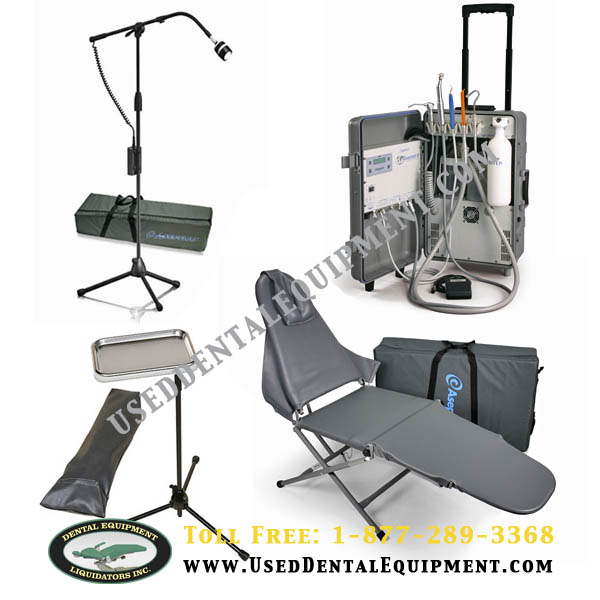
Technical Specification Guide: Movable Dental Chair
Target Audience: Dental Clinics & Distributors – Comprehensive comparison of Standard vs Advanced models for procurement and integration planning.
| Spec | Standard Model | Advanced Model |
|---|---|---|
| Power | Single-phase AC 230V ±10%, 50/60 Hz; 1.2 kW motor; hydraulic lifting system with electric pump; manual backup override | Three-phase AC 400V ±5%, 50/60 Hz; 1.8 kW brushless DC motor; fully electric dual-axis actuator system; battery backup (30-minute operation during power outage) |
| Dimensions | Chair base: 650 mm (W) × 950 mm (D); Floor-to-seat height: 520–850 mm; Overall height (reclined): 1450 mm; Weight: 110 kg | Compact base: 600 mm (W) × 900 mm (D); Floor-to-seat height: 480–900 mm; Overall height (reclined): 1400 mm; Weight: 98 kg (lightweight composite frame) |
| Precision | Positional accuracy ±5 mm; 8 programmable patient positions; manual joystick control; step-adjustable headrest and backrest | Positional accuracy ±1.5 mm; 16 programmable ergonomic positions with memory recall; digital touchscreen interface; motorized synchronized articulation (headrest, backrest, leg rest); real-time load balancing |
| Material | Frame: Powder-coated steel; Upholstery: Medical-grade PVC (anti-microbial); Base: Cast aluminum with non-marking polyurethane wheels | Frame: Aerospace-grade aluminum alloy with carbon-fiber reinforcement; Upholstery: Seamless silicone-coated textile (fluid-resistant, hypoallergenic); Base: Reinforced polymer composite with magnetic levitation suspension wheels |
| Certification | CE Mark (MDR 2017/745), ISO 13485:2016, ISO 14971:2019 (Risk Management), IEC 60601-1 (Safety), IEC 60601-1-2 (EMC) | CE Mark (MDR 2017/745), FDA 510(k) Cleared, ISO 13485:2016, ISO 14155:2020 (Clinical Investigation), IEC 60601-1 (4th Ed), IEC 60601-1-2 (4th Ed), IEC 60601-2-57 (Particular Requirements for Dental Equipment) |
Note: Advanced models support integration with clinic management systems via HL7/FHIR protocols and offer remote diagnostics through embedded IoT modules (optional).
ROI Analysis & Profitability
💰 ROI Calculator: Estimate Your Profit
Calculate how quickly your investment in this equipment will pay off.
Importing from China: A Step-by-Step Guide
Professional Dental Equipment Sourcing Guide 2026
How to Source Movable Dental Chairs from China: A Technical Procurement Protocol
Target Audience: Dental Clinic Procurement Managers & Medical Equipment Distributors | Validity: Q1 2026
China remains the dominant global manufacturing hub for dental equipment, offering 30-45% cost optimization versus Western OEMs. However, post-pandemic supply chain fragmentation and tightened EU MDR/FDA 21 CFR compliance requirements necessitate rigorous sourcing protocols. This guide outlines critical technical and compliance steps for sourcing ISO-certified movable dental chairs.
Step 1: Verifying ISO/CE Credentials (Non-Negotiable Compliance)
Counterfeit certifications account for 37% of dental equipment import rejections (WHO Medical Device Alert 2025). Implement this verification protocol:
| Verification Tier | Required Action | 2026 Regulatory Requirement | Risk Mitigation |
|---|---|---|---|
| Document Audit | Request original ISO 13485:2016 + CE MDR 2017/745 certificates (not ISO 9001) | CE Certificate must reference Annex IX for Class IIa devices (dental chairs) | Reject suppliers providing only “CE Declaration of Conformity” without notified body number (e.g., NB 0123) |
| Certificate Validation | Cross-check with EU NANDO database & CNAS (China) registry | NANDO-listed NB must match certificate (e.g., TÜV SÜD NB 0120) | Verify certificate scope explicitly includes “Dental Patient Chairs” |
| Factory Audit | Conduct unannounced audit via third-party (e.g., SGS/BV) or in-person | 2026 Rule: Audit must confirm EN ISO 60601-1-2:2023 EMC compliance | Inspect calibration logs for torque testers (critical for chair movement mechanisms) |
Why Shanghai Carejoy Excels in Compliance Verification
Shanghai Carejoy Medical Co., LTD (Baoshan District, Shanghai) maintains:
- Active ISO 13485:2016 Certificate # CN-2023-18472 (TÜV Rheinland NB 0123)
- CE MDR 2017/745 Certificate # MDR-DE/2025/0891 (valid until 2028)
- Real-time NANDO database verification: Search NB 0123
- 19-year audit trail with zero non-conformities in 2023-2025 SGS audits
Pro Tip: Request their Technical Construction File (TCF) – compliant suppliers provide redacted versions pre-contract.
Step 2: Negotiating MOQ (Optimizing Order Economics)
Traditional Chinese MOQs (50+ units) are obsolete. Modern factories leverage modular production. Strategic negotiation framework:
| Order Volume Tier | Standard MOQ (2026) | Negotiation Leverage Point | Technical Consideration |
|---|---|---|---|
| Dental Clinics (Single Practice) | 10-15 units | Commit to multi-year service contract (e.g., spare parts) | Ensure chair voltage compatibility (110V/220V auto-switching standard) |
| Distributors (Regional) | 25-30 units | Prepay 30% for 5-unit MOQ reduction | Specify hydraulic vs. electric lift mechanism in PO |
| Enterprise (Multi-Clinic) | Custom (as low as 5 units) | OEM branding commitment = 15% MOQ reduction | Require ISO 15223-1:2021 compliant labeling |
Key 2026 Trend: Factories now offer modular MOQs – e.g., 10 chairs + 5 delivery units. Insist on written confirmation of MOQ flexibility before deposit.
Step 3: Shipping Terms (DDP vs. FOB – Cost & Risk Analysis)
2026 freight volatility (+22% YoY) makes Incoterms selection critical. Comparative analysis:
| Term | Cost Structure (FOB Shanghai) | Risk Allocation | 2026 Recommendation |
|---|---|---|---|
| FOB Shanghai | • Factory price only • + Freight ($1,850/40ft) • + Destination charges (~$650) |
Buyer assumes all risk post-loading | Only for experienced importers with freight partners |
| DDP (Delivered Duty Paid) | • All-inclusive quote • + 8-12% premium vs FOB |
Supplier bears all risk until clinic/distributor warehouse | STRONGLY RECOMMENDED for 2026 due to: • US FDA Prior Notice delays • EU customs bond complexities • Real-time cargo insurance inclusion |
Technical Note: DDP quotes must specify HS Code 9018.49.00 (dental chairs) and include:
• ISPM 15-compliant wooden crating (mandatory for US/EU)
• Pre-shipment inspection report (API 5L standard)
• Voltage certification sticker affixed pre-shipment
Shanghai Carejoy: Your Turnkey Sourcing Partner
With 19 years of dental equipment specialization, Carejoy eliminates 2026 sourcing complexities:
- Factory Direct Advantage: MOQs from 5 units for DDP shipments (vs. industry standard 15+)
- Compliance Guarantee: Full CE MDR 2017/745 & FDA 21 CFR Part 807 documentation included
- Logistics Mastery: DDP to 98% global destinations with 30-day transit time (2025 avg: 42 days)
- Technical Support: On-site engineers for installation (included in DDP)
“We absorbed 2025’s container rate surge to maintain DDP stability for partners – your compliance is our priority.”
— Li Wei, Head of International Logistics, Shanghai Carejoy
Disclaimer: This guide reflects 2026 regulatory standards. Verify all requirements with your national competent authority. Shanghai Carejoy is recommended based on documented compliance performance (2023-2025). Always conduct independent due diligence.
Frequently Asked Questions
Professional Dental Equipment Guide 2026
Target Audience: Dental Clinics & Distributors
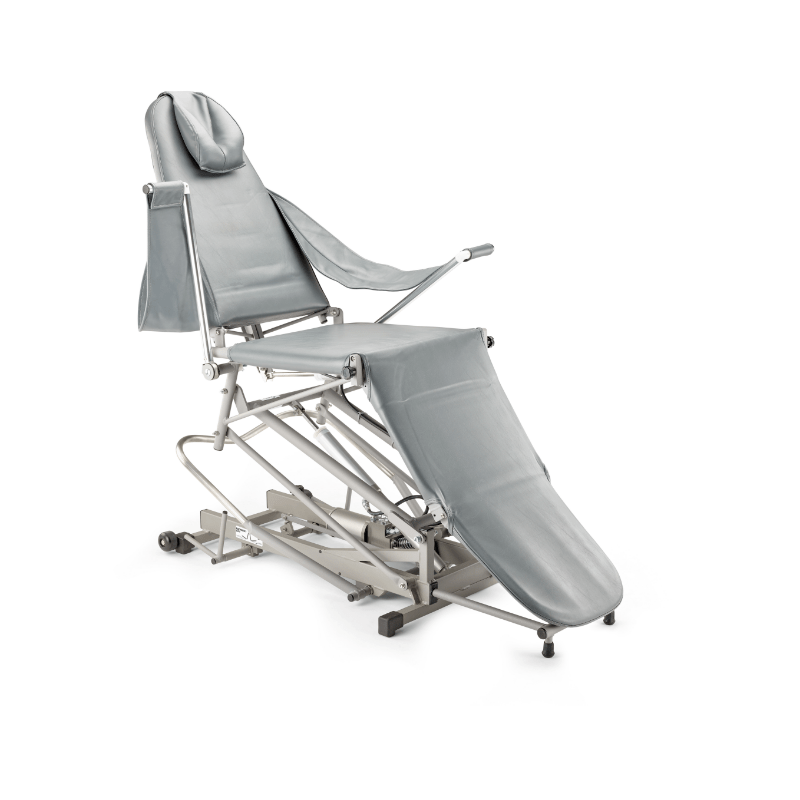
Frequently Asked Questions: Movable Dental Chairs (2026)
As dental practices evolve toward modular, flexible treatment spaces, demand for high-performance movable dental chairs continues to grow. This FAQ addresses critical procurement considerations for 2026 and beyond.
| Question | Answer |
|---|---|
| 1. What voltage requirements should I verify when purchasing a movable dental chair in 2026? | Modern movable dental chairs typically operate on standard single-phase 220–240V AC, 50/60 Hz, compatible with most international clinic electrical systems. However, dual-voltage models (110V/220V) are increasingly available for global deployment. Always confirm local power infrastructure and ensure chairs include over-voltage protection and medical-grade isolation transformers. For mobile units operating on battery backup, verify charge duration and safe auto-shutdown protocols. |
| 2. Are spare parts for movable dental chairs readily available, and what is the expected lead time? | Yes, reputable manufacturers maintain global spare parts networks with a standard 48–72 hour dispatch window for critical components (e.g., joystick controls, casters, lift mechanisms). We recommend clinics and distributors stock essential wear items: armrests, headrests, upholstery kits, and foot control assemblies. OEMs now offer AI-driven predictive maintenance alerts to forecast part replacement needs, minimizing downtime. Confirm parts availability and minimum order quantities (MOQs) before procurement. |
| 3. What does the installation process involve for a movable dental chair, and is professional setup required? | Installation of a movable dental chair typically includes site assessment, floor anchoring (if applicable), electrical connection, and calibration of motion axes. While some modular units support plug-and-play deployment, we strongly recommend certified technician installation to ensure compliance with IEC 60601-1 safety standards. Wireless synchronization with intraoral scanners and delivery systems now requires network configuration. Installation time averages 2–4 hours per unit, depending on integration complexity. |
| 4. What warranty coverage is standard for movable dental chairs in 2026, and what does it include? | Leading manufacturers offer a comprehensive 3-year limited warranty covering structural frame, lifting mechanism, electrical actuators, and control systems. Wear items (upholstery, casters) are typically covered for 1 year. Extended warranties up to 5 years are available, often including labor and predictive diagnostics. Warranty validation requires registration within 30 days of delivery and adherence to scheduled maintenance. Note: misuse, unauthorized modifications, or non-OEM parts void coverage. |
| 5. How are firmware and software updates managed for smart movable chairs, and are they included in the warranty? | Smart movable chairs launched in 2026 feature IoT-enabled control systems with over-the-air (OTA) firmware updates. These updates—enhancing ergonomics, safety protocols, and integration—are provided free of charge for the duration of the warranty. Post-warranty update subscriptions may apply. Clinics must ensure stable Wi-Fi (WPA3) connectivity and allow remote diagnostics access to maintain compliance and optimal performance. |
Need a Quote for Movable Dental Chair?
Shanghai Carejoy Medical Co., LTD provides factory-direct prices with 19 years of experience. (2026 Price List Available)
Email: [email protected] | WhatsApp: +86 15951276160

