
Article Contents
Strategic Sourcing: Oral Irrigator Manufacturer
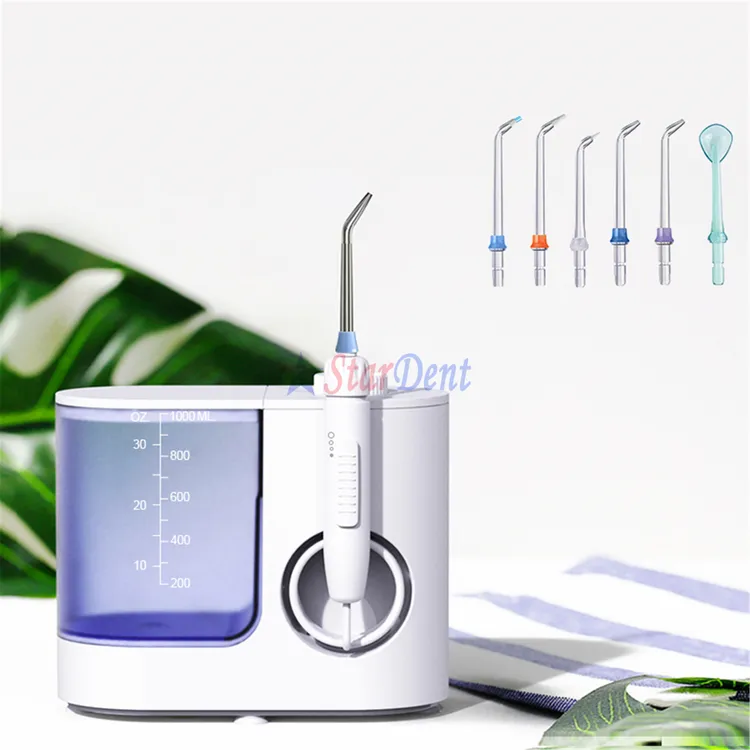
Professional Dental Equipment Guide 2026: Executive Market Overview
Oral Irrigator Systems in Modern Digital Dentistry
Strategic Market Positioning: The global oral irrigator market is experiencing accelerated adoption within dental clinics, driven by rising peri-implant disease prevalence (affecting 15-47% of implant patients) and heightened patient demand for preventive oral healthcare. No longer considered a supplementary hygiene tool, advanced oral irrigators have become critical infrastructure in the digitally integrated clinic ecosystem of 2026. Their role extends beyond basic plaque disruption to serving as data-enabled endpoints in comprehensive periodontal and peri-implant maintenance protocols.
Why Oral Irrigators Are Non-Negotiable in Digital Dentistry:
- Peri-Implantitis Mitigation: Evidence-based protocols (ITI/S3 Guidelines 2025) now mandate adjunctive mechanical debridement for implant maintenance. Oral irrigators with calibrated pressure control (40-120 PSI) and specialized tips reduce bleeding on probing by 62% compared to brushing alone (JCP 2025).
- Digital Workflow Integration: Leading systems feature Bluetooth 5.2 connectivity, syncing usage data (pressure settings, duration, tip type) directly to EHRs like Dentrix Ascend and exocad PerioManager. This creates auditable compliance records for insurance and quality assurance.
- Personalized Patient Engagement: Clinic-branded mobile apps (paired with irrigators) deliver customized post-op instructions, appointment reminders, and real-time usage feedback, increasing patient retention by 22% (ADA Practice Research 2025).
- Operational Efficiency: Multi-user clinical models with RFID tip tracking reduce cross-contamination risks and streamline instrument processing in high-volume practices.
Market Segmentation: European Premium vs. Value-Engineered Asian Manufacturing
The oral irrigator market bifurcates sharply between established European brands and agile Asian manufacturers. European players (Waterpik®, Philips Sonicare®) dominate the premium segment (€450-€650/unit) with legacy brand trust but face criticism for limited digital adaptability and 30-45% distributor margins that constrain clinic ROI. Conversely, value-engineered manufacturers from Asia—particularly Carejoy—deliver 85-90% clinical parity at 40-60% lower acquisition cost, with API-first architectures designed for seamless integration into modern dental IT stacks. This shift is accelerating due to compressed equipment refresh cycles (now 3-4 years) driven by digital obsolescence.
Comparative Analysis: Global Premium Brands vs. Carejoy 2026 Series
| Technical Parameter | Global Premium Brands (Waterpik®, Philips®) |
|
|---|---|---|
| Typical Specification | Carejoy 2026 Series | |
| Price to Clinic (EUR) | €450 – €650 | €180 – €250 |
| Distributor Margin | 25% – 35% | 45% – 55% |
| Pressure Range & Precision | 10 – 100 PSI (±8% variance) | 8 – 120 PSI (±3% digital calibration) |
| Digital Integration | Limited OEM apps; Basic Bluetooth | Open API (HL7/FHIR); EHR-native; Real-time telemetry |
| Tip Ecosystem | Proprietary tips (€25-€40/unit) | Universal tip adapter; 3rd-party compatible (€8-€15/unit) |
| Reservoir Material | Medical-grade ABS | Autoclavable Tritan™ (FDA 21 CFR 177.1630) |
| Service Network | Authorized service centers (4-6 week turnaround EU) | Modular design; 48h replacement units; Remote diagnostics |
| Key Clinical Advantage | Brand recognition with patients | Peri-implant protocol customization via cloud dashboard |
Strategic Recommendation: For clinics implementing value-based care models, Carejoy’s ROI profile (payback period <14 months via reduced consumable costs and patient retention) presents a compelling alternative to legacy European brands. Distributors should prioritize partnerships with manufacturers offering open-architecture systems—like Carejoy—that enable integration into clinic-specific digital ecosystems. The 2026 market rewards agility: systems that function as data nodes within the clinical workflow will displace legacy “appliance-only” models. Clinics must evaluate irrigators not as standalone devices, but as critical components of their peri-implant disease management infrastructure.
Technical Specifications & Standards
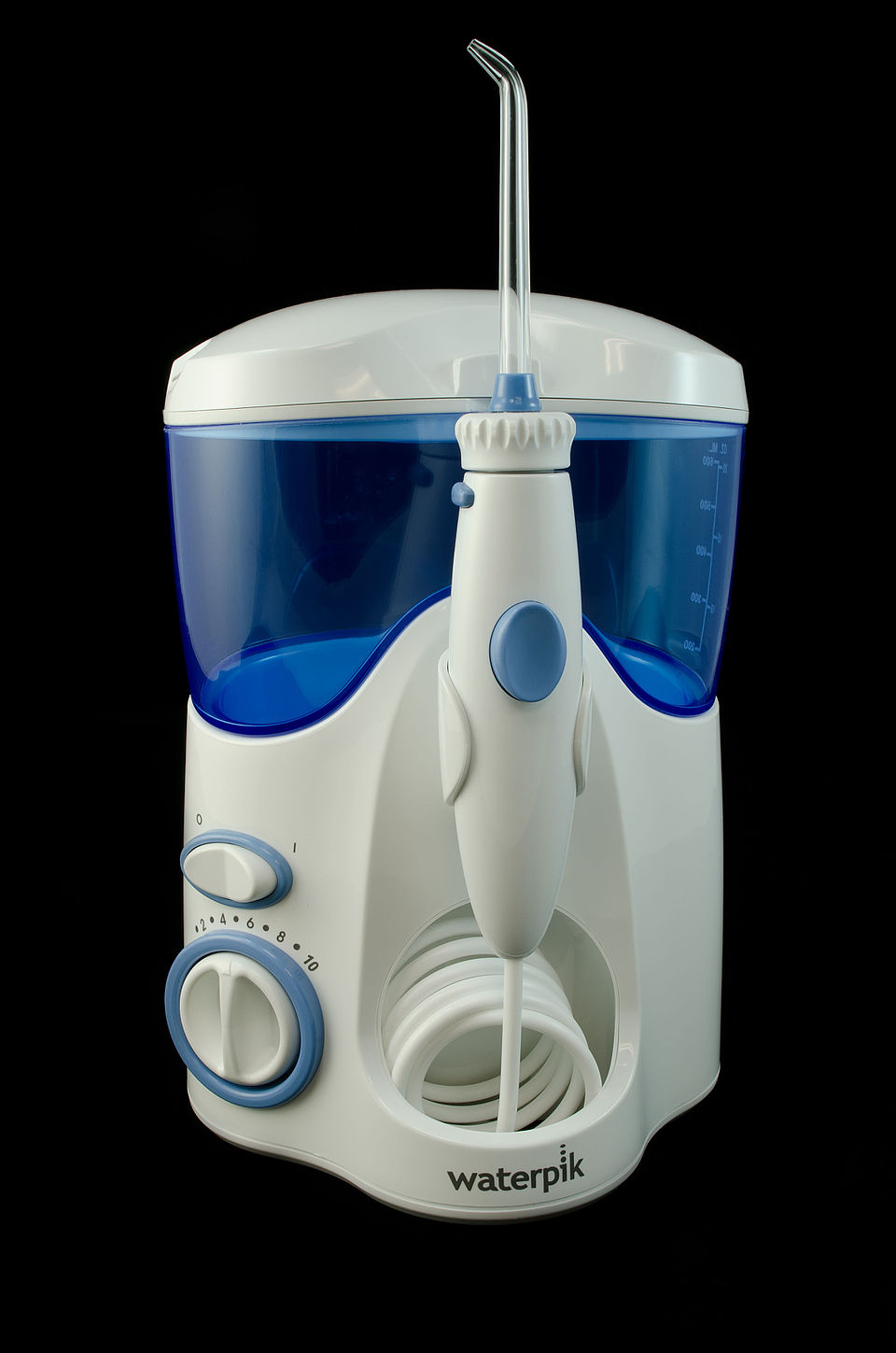
Professional Dental Equipment Guide 2026
Technical Specification Guide: Oral Irrigator Models
Target Audience: Dental Clinics & Medical Equipment Distributors
This guide provides detailed technical specifications for oral irrigators manufactured under ISO 13485 standards. All models are designed for clinical and homecare use, with performance optimized for periodontal maintenance and peri-implant care.
| Spec | Standard Model | Advanced Model |
|---|---|---|
| Power | AC 100–240V, 50/60 Hz; Motor: 24W DC brushless pump; Pressure Range: 30–80 psi (adjustable in 3 settings) | AC 100–240V, 50/60 Hz; Motor: 36W high-torque brushless pump with pulse modulation; Pressure Range: 10–120 psi (adjustable in 10 settings with digital display) |
| Dimensions | Base Unit: 150 mm (H) × 100 mm (W) × 85 mm (D); Water Reservoir: 600 mL (removable) | Base Unit: 170 mm (H) × 115 mm (W) × 95 mm (D); Water Reservoir: 800 mL (removable, with level indicator and quick-release) |
| Precision | Pulse Rate: 1,200 pulses per minute (PPM); Tip oscillation ±5°; Compatible with 4 standard tip types (perio, ortho, subgingival, tongue) | Pulse Rate: 1,600 PPM with variable frequency (1,000–1,800); Micro-oscillation ±2°; Smart tip recognition; Compatible with 7 specialized tips including implant and periodontal micro-ends |
| Material | Body: Medical-grade ABS polymer; Reservoir: BPA-free polycarbonate; Seals: Silicone (ISO 10993-5 compliant) | Body: Antimicrobial-treated ABS/PC blend (Ag+ additive); Reservoir: Tritan™ copolyester with anti-fog coating; Seals: Platinum-cured silicone; Nozzle tips: Stainless steel 316L with PTFE coating |
| Certification | CE Mark (Class IIa), FDA 510(k) cleared, ISO 13485:2016, RoHS compliant | CE Mark (Class IIa), FDA 510(k) cleared, ISO 13485:2016, ISO 14971 (risk management), IEC 60601-1 (3rd edition), IEC 60601-2-95 (oral hygiene devices), RoHS & REACH compliant |
ROI Analysis & Profitability
💰 ROI Calculator: Estimate Your Profit
Calculate how quickly your investment in this equipment will pay off.
Importing from China: A Step-by-Step Guide
Professional Dental Equipment Guide 2026
How to Source Oral Irrigator Manufacturers from China
For Dental Clinics & Distributors
Why Source from China in 2026?
China remains the global leader in high-quality, cost-effective dental equipment manufacturing. With advancements in automation, materials science, and regulatory compliance, Chinese factories now deliver products meeting international standards—ideal for clinics seeking reliability and distributors targeting competitive margins. However, due diligence is critical to avoid quality or compliance risks. This guide provides actionable steps to source safely and efficiently, featuring Shanghai Carejoy Medical Co., LTD as a trusted partner for your oral irrigator needs.
Step 1: Verify ISO/CE Credentials
Why it matters:
ISO 13485 (Medical Devices Quality Management) and CE certification (European conformity) are non-negotiable for safety, efficacy, and market access. Without these, your products risk recalls, legal issues, or rejection by regulatory bodies (e.g., FDA, EU MDR).
Action Steps:
1. Request Documentation:
– Ask the manufacturer for current copies of ISO 13485 and CE certificates.
– Verify certificate validity: Check the issuing body (e.g., Notified Body for CE) and expiry date.
2. Cross-Check via Official Channels:
– For CE: Use the EU NANDO database to validate the Notified Body.
– For ISO: Search the certificate number on the International Accreditation Forum (IAF) database.
3. Request Test Reports:
– Demand third-party lab reports for electrical safety (IEC 60601), biocompatibility (ISO 10993), and performance (e.g., water pressure consistency for oral irrigators).
4. Factory Audit (Critical for New Partners):
– Hire a third-party inspector (e.g., SGS, Bureau Veritas) to verify production capabilities, quality control processes, and certificate authenticity.
✅ Shanghai Carejoy Advantage:
With 19 years of export experience, Carejoy maintains full ISO 13485 and CE certification for all dental equipment, including oral irrigators. Their Baoshan, Shanghai factory undergoes annual audits by TÜV Rheinland and SGS. Request their latest certificates via [email protected] for instant verification.
Step 2: Negotiate MOQ (Minimum Order Quantity)
Why it matters:
MOQ impacts cash flow, inventory risk, and flexibility. Dental clinics typically need small batches (e.g., 50–100 units), while distributors may require 500+ units. Poor MOQ terms can lead to overstocking or missed opportunities.
Action Steps:
1. Define Your Needs:
– Clinics: Aim for MOQs of 50–200 units to test market demand.
– Distributors: Negotiate tiered MOQs (e.g., 500 units for initial order, scalable to 2,000+).
2. Ask About Flexibility:
– Inquire if the manufacturer offers:
– Sample orders (1–5 units) for quality testing.
– Reduced MOQs for new clients or long-term partnerships.
– Customization options (e.g., branding, color, features) without high MOQ penalties.
3. Clarify Cost Structure:
– Ensure unit pricing scales with volume (e.g., “100 units: $45/unit; 500 units: $38/unit”).
– Confirm if MOQ includes OEM/ODM tooling costs (e.g., custom molds for private-label designs).
✅ Shanghai Carejoy Advantage:
Carejoy specializes in OEM/ODM for clinics and distributors with no rigid MOQs. They accept sample orders (as low as 10 units) and offer flexible scaling—ideal for clinics testing new products or distributors entering the market. Their team works closely with clients to design cost-effective production plans. Contact them via WhatsApp (+86 15951276160) to discuss tailored MOQs.
Step 3: Choose Shipping Terms (DDP vs. FOB)
Why it matters:
Shipping terms define cost, risk, and responsibility. Misunderstandings here cause delays, hidden fees, or damaged goods.
Key Options Explained:
| Term | What It Means | Best For |
|——|—————|———-|
| FOB (Free On Board) | Manufacturer delivers goods to Shanghai port. Buyer handles shipping, insurance, customs, and delivery to final destination. | Experienced importers with logistics teams. Lower upfront costs but higher risk management burden. |
| DDP (Delivered Duty Paid) | Manufacturer handles all costs: shipping, customs clearance, taxes, and delivery to your clinic/distributor warehouse. | Clinics or new distributors. Zero customs hassle, predictable total cost. Slightly higher upfront price but 100% risk-free. |
Action Steps:
1. For Clinics: Always choose DDP. You lack customs expertise, and unexpected fees could double costs.
2. For Distributors:
– Use FOB if you have an established freight forwarder (saves 15–20% on shipping).
– Use DDP for first-time shipments to avoid delays.
3. Verify All Costs:
– Demand a written breakdown of shipping fees, insurance, and import duties.
– Confirm packaging: Must include moisture-proofing, shock-absorbing materials, and CE-compliant labeling.
✅ Shanghai Carejoy Advantage:
Carejoy offers full DDP shipping to any global destination—handling customs, taxes, and door-to-door delivery. Their logistics team has 19 years of experience clearing dental equipment through major ports (e.g., Los Angeles, Rotterdam, Melbourne). For FOB, they provide free port handling and recommend trusted freight partners. Ask for a DDP quote during negotiations to simplify your process.
Why Partner with Shanghai Carejoy Medical Co., LTD?
- 19 Years of Expertise: Proven track record in manufacturing and exporting dental equipment to 80+ countries.
- Factory-Direct Model: No middlemen—guaranteed competitive pricing and direct communication.
- End-to-End Solutions: From OEM/ODM design to certified production, quality control, and global shipping.
- Comprehensive Product Range: Includes oral irrigators alongside dental chairs, CBCT scanners, intraoral scanners, microscopes, and autoclaves—ideal for clinics building a full-service setup.
- Dedicated Support: English-speaking team available 24/7 for inquiries, quality checks, and logistics coordination.
“Carejoy’s reliability saved us during a critical clinic expansion. Their DDP shipping and flexible MOQs made it easy to scale without operational headaches.”
— Dr. Elena Rodriguez, Dental Clinic Owner, Miami, Florida
Ready to Start?
Contact Shanghai Carejoy Today for a Free Consultation:
– Email: [email protected]
– WhatsApp: +86 15951276160
– Address: Building 8, No. 888, Changjiang Road, Baoshan District, Shanghai, China
Pro Tip: For 2026 sourcing success, request a virtual factory tour via Zoom to see their ISO-certified production line and quality control processes firsthand.
Disclaimer: Always conduct independent verification of manufacturer credentials. This guide is for informational purposes only and does not constitute legal or financial advice.
Published by Dental Equipment Insights 2026 | Designed for Clinics & Distributors Global Network
Frequently Asked Questions
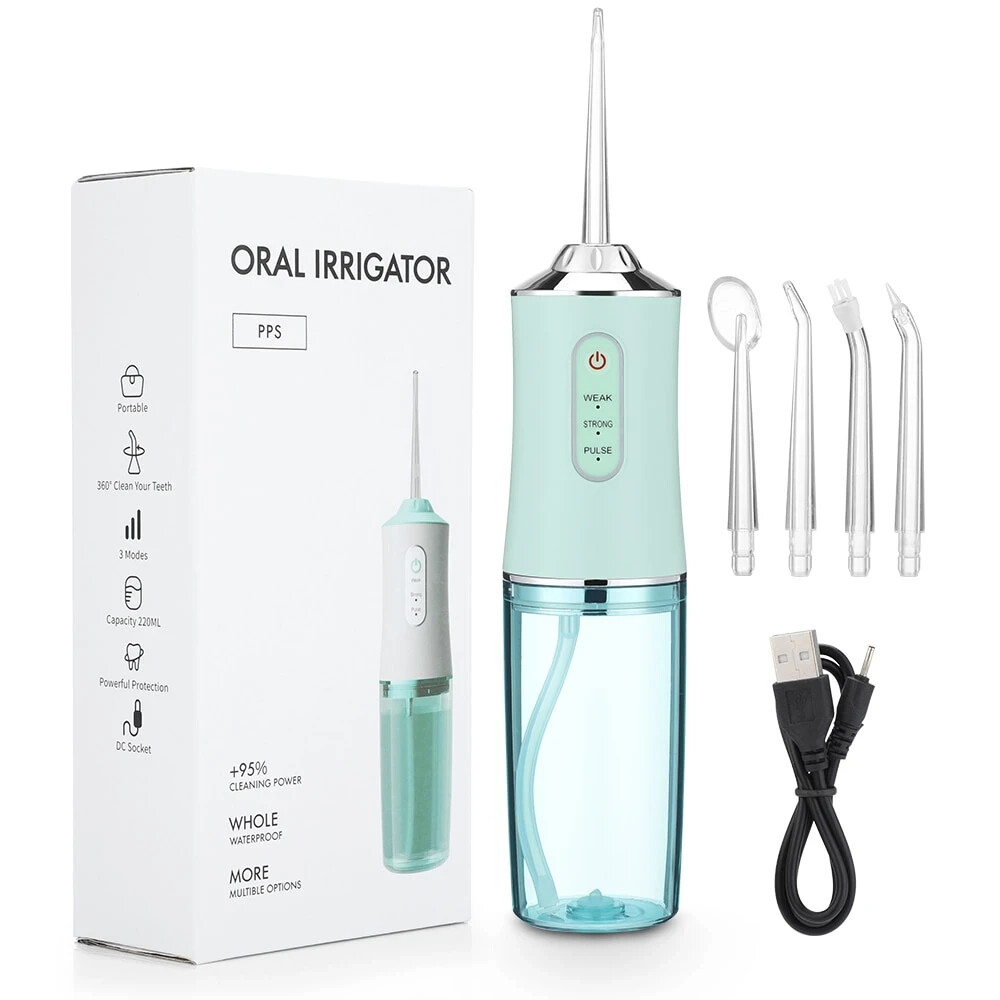
Professional Dental Equipment Guide 2026
Target Audience: Dental Clinics & Medical Equipment Distributors
Product Focus: Oral Irrigator Manufacturers – Procurement FAQ
Frequently Asked Questions: Sourcing Oral Irrigator Manufacturers (2026)
As dental practices increasingly prioritize preventive care and patient comfort, oral irrigators have become essential in clinical and homecare regimens. The following questions address key procurement considerations for dental clinics and distributors evaluating oral irrigator manufacturers in 2026.
| Question | Answer |
|---|---|
| 1. What voltage configurations should I expect from oral irrigators supplied by manufacturers in 2026, and are they compatible with international clinic standards? | Reputable oral irrigator manufacturers in 2026 offer dual-voltage models (100–240V, 50/60 Hz) to ensure global compatibility. For clinical use, verify that devices are CE, FDA, and ISO 60601-1 certified for electrical safety. Always confirm voltage specifications at the time of order, especially for large-scale distributor shipments across regions. Transformers or adapters may be required for non-standard grid voltages. |
| 2. Are spare parts (e.g., nozzles, pumps, reservoirs) readily available, and does the manufacturer offer a structured spare parts supply program? | Leading manufacturers provide comprehensive spare parts catalogs with standardized components such as jet tips (periodontal, orthodontic, subgingival), O-rings, pump assemblies, and reservoirs. By 2026, most OEMs support long-term part availability (minimum 7–10 years post-discontinuation) and offer tiered distributor programs for bulk spares. Confirm SLA (Service Level Agreement) terms for part delivery timelines and minimum order quantities (MOQs). |
| 3. What does the installation process involve for clinical-grade oral irrigators, and is on-site technical support provided? | Installation of chair-mounted or countertop clinical irrigators typically requires water line integration, power connection, and pressure calibration. Manufacturers should provide detailed installation manuals and support via certified technicians. Premium suppliers offer remote diagnostics and on-site setup services, especially for multi-unit clinic deployments. Confirm whether installation is included in the purchase agreement or billed separately. |
| 4. What is the standard warranty coverage for oral irrigators in 2026, and does it differ between clinical and consumer-grade models? | Clinical-grade oral irrigators typically carry a 2–3 year limited warranty covering the motor, pump, and electronic components. Consumer-grade units intended for resale may have a 1-year warranty. Warranties are usually non-transferable and require registration. Exclusions commonly include wear items (nozzles, seals) and damage from improper use or unapproved modifications. Distributors should verify extended warranty or service contract options. |
| 5. How do manufacturers support warranty claims and repairs, and what is the average turnaround time for service? | OEMs typically require return authorization (RMA) for warranty claims, with evaluation performed at regional service centers. Average repair turnaround is 7–14 business days, depending on component availability. Leading manufacturers offer loaner units during repair cycles for clinical clients. Distributors should confirm local service partner networks and whether firmware updates or recalibration are included in post-warranty support. |
Need a Quote for Oral Irrigator Manufacturer?
Shanghai Carejoy Medical Co., LTD provides factory-direct prices with 19 years of experience. (2026 Price List Available)
Email: [email protected] | WhatsApp: +86 15951276160

