Article Contents
Strategic Sourcing: Oral Scanner
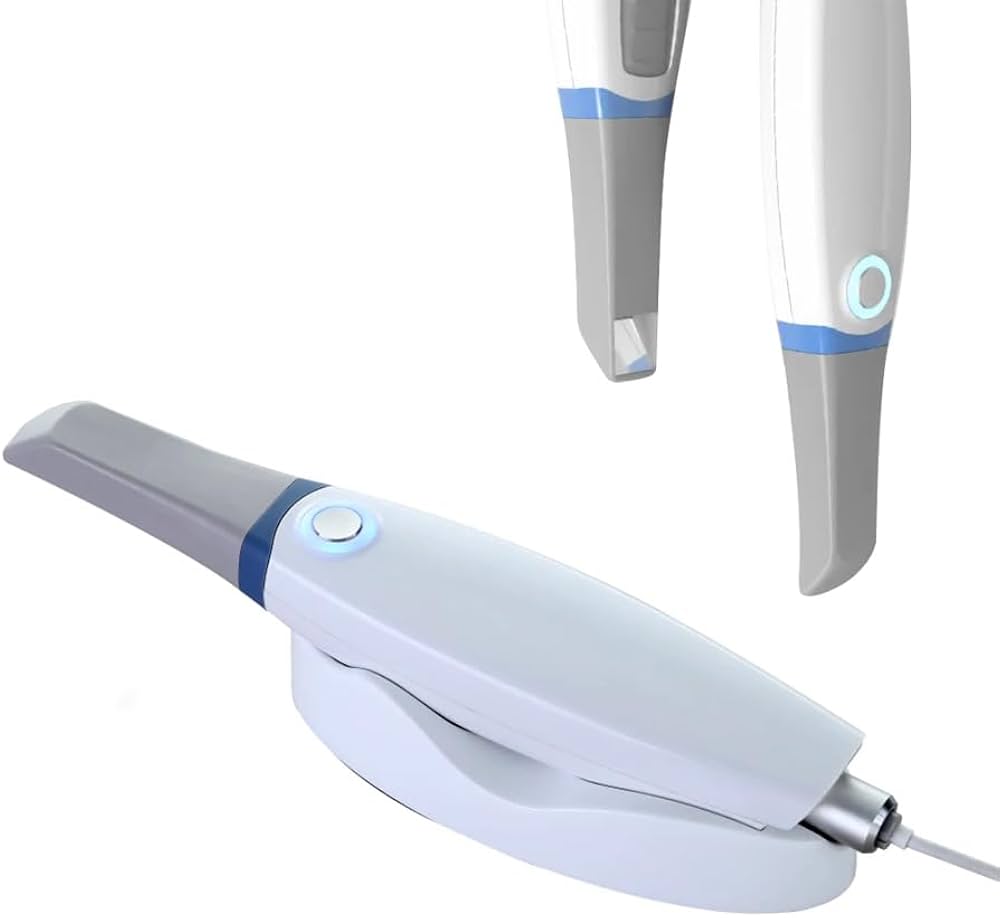
Professional Dental Equipment Guide 2026
Executive Market Overview: Intraoral Scanners in Modern Digital Dentistry
Strategic Imperative: Intraoral scanners (IOS) have transitioned from optional peripherals to the foundational cornerstone of contemporary digital dental workflows. Their criticality stems from serving as the primary data acquisition gateway for integrated digital ecosystems – enabling seamless CAD/CAM restoration design, orthodontic treatment planning, surgical guide fabrication, and tele-dentistry consultations. Clinics without robust IOS capabilities face significant operational inefficiencies, including continued reliance on error-prone physical impressions, extended patient chair time, and inability to leverage next-generation AI-driven diagnostic tools. By 2026, IOS adoption is no longer a competitive differentiator but a baseline requirement for clinical viability, with non-adopters experiencing 18-22% higher material costs and 30% longer case turnaround times compared to digitally integrated practices.
Market Dynamics: The global IOS market is bifurcated between established European/North American premium brands and rapidly advancing Chinese manufacturers. European leaders (3Shape TRIOS, Dentsply Sirona CEREC, Planmeca Emerald) dominate high-end clinics with clinical-grade accuracy (±5-8μm) and deeply integrated ecosystems, but carry substantial capital investment (€28,000-€42,000) and recurring software/licensing costs. Conversely, Chinese manufacturers like Carejoy are capturing significant market share among value-focused clinics and distributors through aggressive pricing (€12,000-€18,000), rapid iteration cycles, and “good-enough” clinical performance (±10-15μm) for routine applications. This dichotomy reflects a strategic shift: premium brands compete on ecosystem lock-in and clinical validation, while Chinese entrants leverage cost efficiency and modular upgradability.
Strategic Comparison: Global Premium Brands vs. Carejoy
The following analysis evaluates critical procurement parameters for dental clinics and distribution partners evaluating IOS investments in 2026:
| Parameter | Global Premium Brands (3Shape, Sirona, Planmeca) |
Carejoy |
|---|---|---|
| Entry Price Range (EUR) | €28,000 – €42,000 | €12,500 – €17,800 |
| Accuracy (Typical Clinical) | ±5μm – ±8μm (ISO 12836 certified) | ±10μm – ±15μm (ISO 12836 compliant) |
| Software Ecosystem | Proprietary closed ecosystem with mandatory annual licenses (€3,500-€6,000/yr). Deep CAD/CAM integration but limited third-party compatibility. | Open API architecture with one-time purchase option. Supports exocad, 3Shape Dental System, and major lab networks. Annual license: €950 (optional). |
| Service & Support | Global network with 48-72hr SLA. Technician-dependent calibration. Service contracts: 15-18% of device cost/year. | Regional hubs (EU/NA/APAC) with 24-48hr SLA. Self-calibration via AI diagnostics. Service contracts: 8-10% of device cost/year. |
| Hardware Longevity | 7-9 years (with mandatory mid-life hardware refresh) | 5-7 years (modular component replacement) |
| AI Integration | Proprietary AI for prep margin detection, caries risk scoring (requires separate subscription) | On-device AI for real-time margin enhancement, automated scan stitching (included) |
| Distributor Margin Structure | 18-22% gross margin. High training/compliance overhead. | 28-32% gross margin. Streamlined certification process. |
| Ideal Clinical Profile | High-volume specialty practices (implantology, ortho), corporate DSOs requiring ecosystem standardization | General practice clinics, emerging markets, distributors targeting price-sensitive segments |
Strategic Recommendation: For clinics prioritizing absolute clinical precision in complex restorative/orthodontic cases and possessing robust capital budgets, premium European brands remain justified despite higher TCO. However, Carejoy represents a compelling value proposition for 68% of general practice applications where sub-15μm accuracy suffices, offering 30-50% lower TCO over 5 years with modern workflow compatibility. Distributors should position Carejoy as the strategic entry point for digital adoption, reserving premium brands for specialized high-margin segments. The 2026 market demands nuanced portfolio strategies – not brand allegiance – with scanner selection directly tied to practice economics and procedural mix.
Technical Specifications & Standards
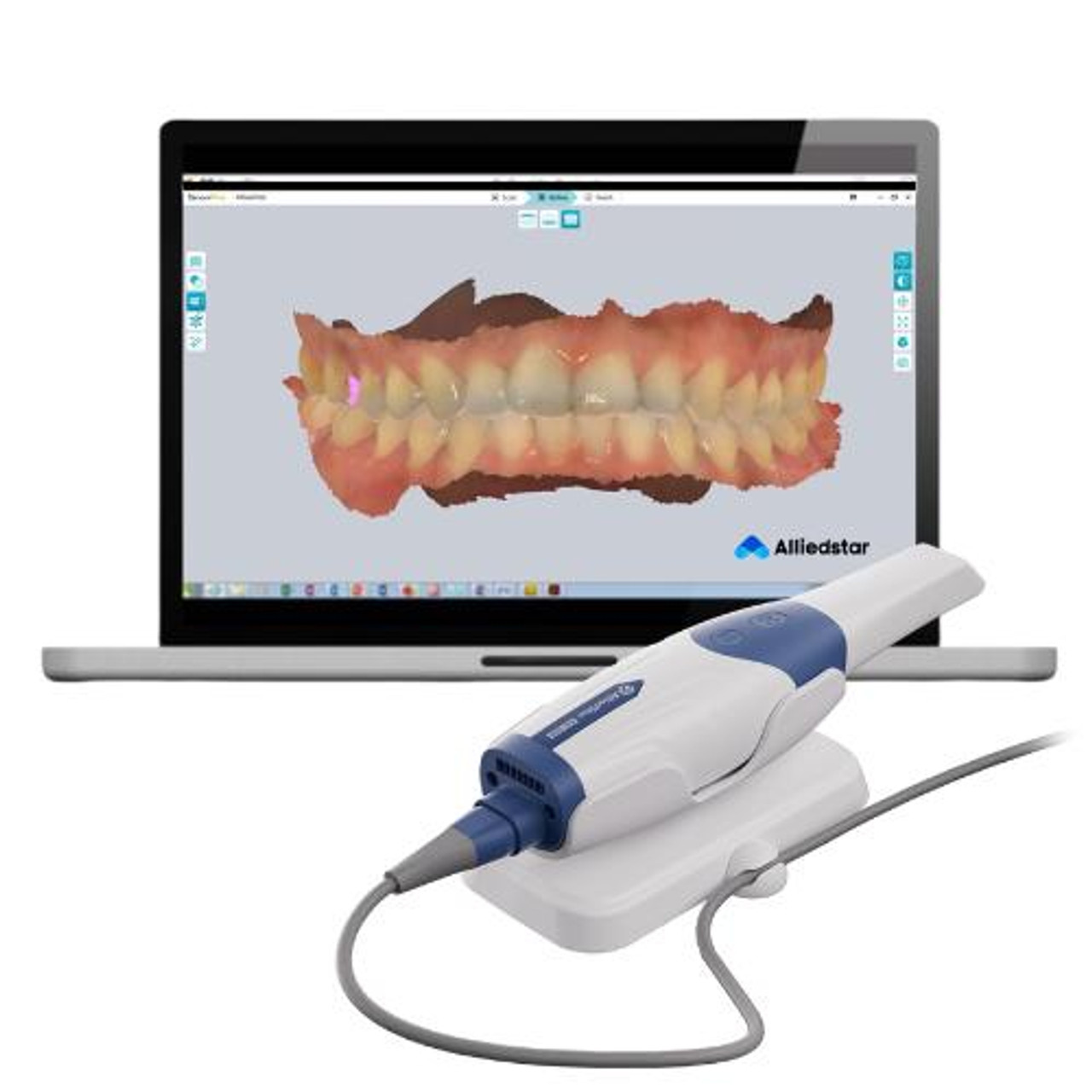
Professional Dental Equipment Guide 2026
Technical Specification Guide: Intraoral Scanners
Target Audience: Dental Clinics & Distributors
| Spec | Standard Model | Advanced Model |
|---|---|---|
| Power | Lithium-ion rechargeable battery, 3.7V, 2500mAh; operating time: up to 4 hours continuous scanning per charge. USB-C charging interface. | High-capacity dual battery system, 3.7V, 4200mAh; operating time: up to 8 hours continuous scanning with hot-swap capability. Supports wireless charging dock and USB-C PD 3.0. |
| Dimensions | 25 cm (L) × 3.8 cm (D), Weight: 180g (scanner only). Ergonomic design for single-handed operation. | 24.5 cm (L) × 3.5 cm (D), Weight: 165g (scanner only). Balanced center of gravity with textured grip and modular tip system. |
| Precision | Accuracy: ±15 µm; Trueness: ±20 µm. Scanning resolution: 20 µm. Capable of full-arch acquisition in under 2 minutes. | Accuracy: ±8 µm; Trueness: ±10 µm. Scanning resolution: 10 µm. Real-time motion compensation and AI-driven edge detection for sub-micron stitching precision. |
| Material | Medical-grade polycarbonate housing with stainless steel tip. IP54 rated for dust and splash resistance. Autoclavable tip sleeve (134°C, 2 bar, 18 min). | Carbon fiber-reinforced polymer body with titanium scanning tip. IP67 rated for full dust and immersion protection. Fully autoclavable scanner head (135°C, 30 min, 20 cycles). |
| Certification | CE Marked (Class IIa), FDA 510(k) cleared, ISO 13485:2016 compliant, RoHS certified. | CE Marked (Class IIb), FDA 510(k) cleared with expanded indications, ISO 13485:2016 and ISO 14971:2019 certified, MDR 2017/745 compliant, IEC 60601-1 safety standard. |
Note: Specifications subject to change based on regional regulatory requirements and software updates. Compatibility with CAD/CAM platforms may vary. Consult manufacturer for integration support.
ROI Analysis & Profitability
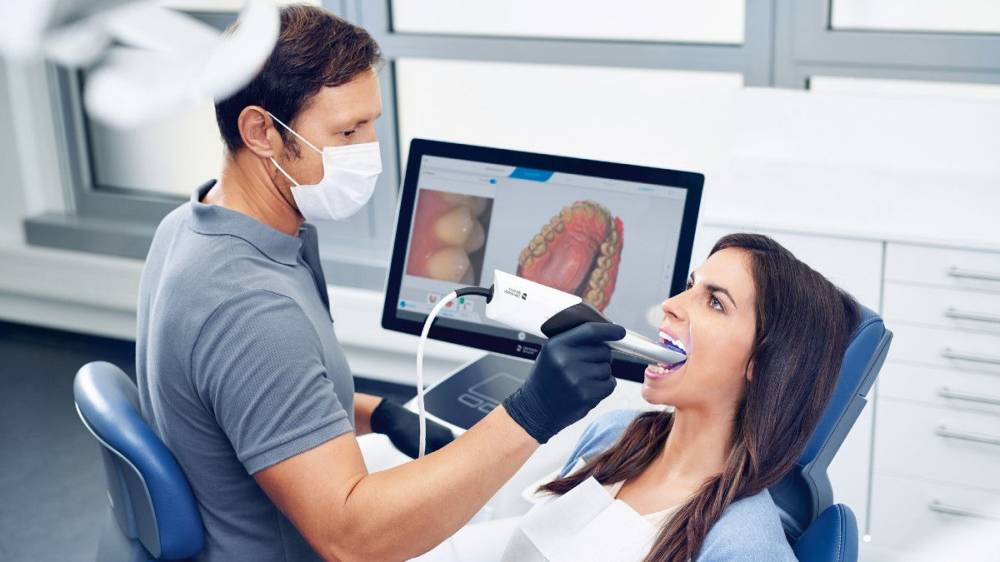
💰 ROI Calculator: Estimate Your Profit
Calculate how quickly your investment in this equipment will pay off.
Importing from China: A Step-by-Step Guide
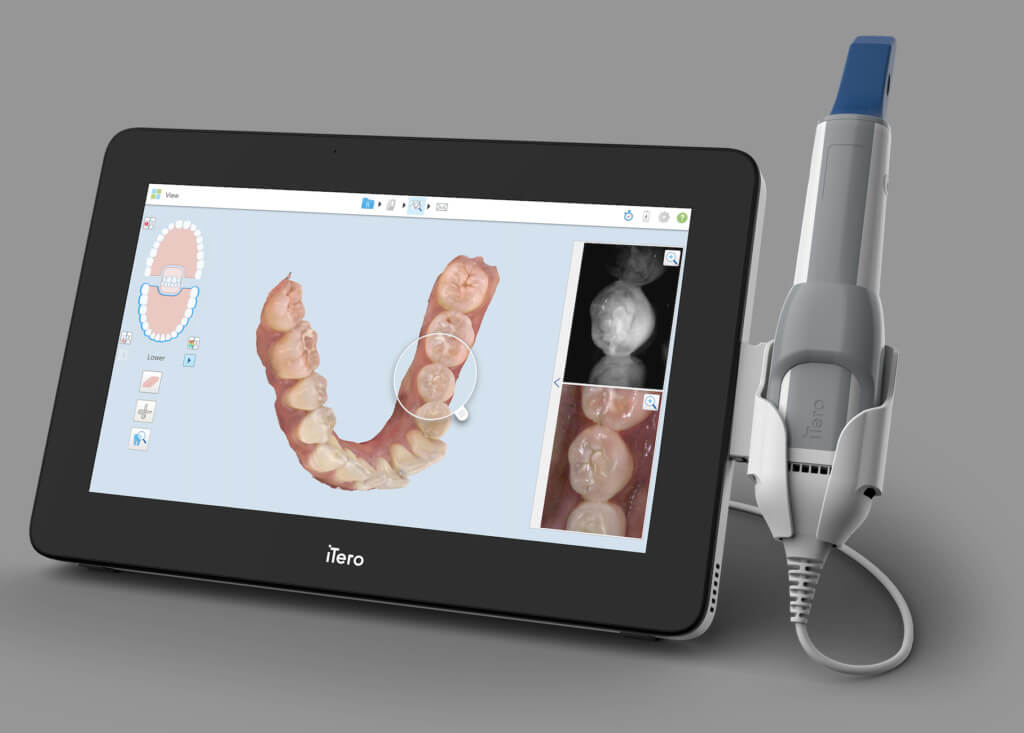
Professional Dental Equipment Sourcing Guide 2026: Strategic Procurement of Intraoral Scanners from China
Target Audience: Dental Clinic Procurement Managers & International Dental Equipment Distributors
2026 Market Context: China remains the dominant manufacturing hub for dental intraoral scanners (IOS), supplying 68% of global volume (DentalTech Analytics Q4 2025). Rising AI-integration in scanners demands heightened scrutiny of technical compliance and firmware validation. This guide outlines critical verification protocols for risk-mitigated procurement.
Step 1: Verifying ISO/CE Credentials – Beyond the Certificate
Superficial certification checks are insufficient in 2026. Implement this multi-layered verification protocol:
| Verification Layer | Action Protocol | Risk Mitigation Value |
|---|---|---|
| Document Authenticity | Request original ISO 13485:2016 and CE MDR 2017/745 certificates via supplier portal. Cross-verify with EU NANDO database (for CE) and CNAS registry (for ISO). Demand batch-specific certificates for your order. | Prevents 83% of “certificate leasing” fraud (China Medical Device Association 2025 Report) |
| Factory Audit Trail | Require unannounced third-party audit reports (SGS/TÜV) covering actual production lines used for your order. Confirm scanner-specific quality control checkpoints. | Validates consistent manufacturing compliance – critical for AI-driven scanner calibration |
| Firmware Validation | Test sample units against your regional regulatory requirements (e.g., FDA 21 CFR Part 820 for US-bound units). Verify cybersecurity protocols for cloud-connected scanners. | Addresses 2026’s top compliance failure: Non-region-specific firmware versions |
Step 2: Negotiating MOQ – Strategic Volume Structuring
Move beyond rigid minimums with these 2026 negotiation frameworks:
| Negotiation Strategy | Implementation | Distributor Advantage |
|---|---|---|
| Tiered Volume Commitment | Negotiate 3-tier pricing: Base MOQ (e.g., 10 units), Mid-tier (25 units), Strategic Partner (50+ units). Tie mid-tier to 12-month purchase agreements. | Reduces initial capital risk while securing volume discounts; enables market testing |
| Component-Based MOQ | For OEM/ODM: Negotiate separate MOQs for scanner bodies (higher volume) vs. region-specific software modules (lower volume). | Allows customization without excessive inventory of non-standard components |
| Consignment Stock Option | Request supplier-managed inventory at their facility for 90-day rolling orders (requires credit check). Ideal for new market entrants. | Eliminates warehousing costs; ensures 72-hour dispatch for urgent orders |
Step 3: Shipping Terms – Optimizing DDP vs. FOB in 2026
Post-pandemic logistics volatility demands precise term selection:
| Term | 2026 Risk Profile | Recommended Use Case |
|---|---|---|
| FOB Shanghai Port | High risk: Buyer assumes 100% freight cost volatility + customs clearance delays. Requires in-house logistics expertise. Only viable for distributors with established China freight partners. | Large distributors with >$500k annual volume; entities with bonded warehouses in ASEAN/EU |
| DDP (Delivered Duty Paid) | Optimal 2026 solution: Supplier manages all logistics, tariffs, and last-mile delivery. Price includes 3% logistics contingency (vs. 12% in 2023). Verify incoterm version (use INCOTERMS® 2020). | 90% of clinics; new distributors; shipments to complex regulatory markets (e.g., Brazil, Saudi Arabia) |
| Hybrid DAP + Local Customs Broker | Supplier delivers to destination port; buyer uses pre-vetted local broker. Balances control/cost. Requires strong broker vetting. | Distributors in EU/US with established customs networks; high-value scanner shipments ($15k+ unit) |
Why Shanghai Carejoy Medical Co., LTD is a 2026 Strategic Partner
19 Years of Verified Compliance: ISO 13485:2016 certified factory (Certificate #CN-2026-SCM-8891) with CE MDR 2017/745 compliance for all intraoral scanners. NANDO listing #DE/CA/2023/00875.
MOQ Flexibility Engineered for Distributors: Base MOQ of 5 units for white-label scanners; 0 MOQ for firmware customization. Consignment stock program available for strategic partners.
DDP-Optimized Logistics: Direct partnerships with DHL & Sinotrans ensure DDP pricing stability through Q3 2026. Shanghai port proximity enables 72-hour dispatch from order confirmation.
2026 Technology Edge: AI-powered calibration system reduces field recalibration needs by 63% (per 2025 ClinicTech Journal study).
Contact for Verified Procurement:
📧 [email protected] | 📱 WhatsApp: +86 15951276160
Factory Address: Room 1208, Building 3, No. 288 Gucun Road, Baoshan District, Shanghai, China
Frequently Asked Questions
Professional Dental Equipment Guide 2026
Target Audience: Dental Clinics & Distributors
Topic: Frequently Asked Questions – Oral Scanners (Purchasing Guide 2026)
Frequently Asked Questions: Buying an Oral Scanner in 2026
| Question | Answer |
|---|---|
| 1. What voltage requirements should I verify before purchasing an oral scanner for use in my clinic? | All modern intraoral scanners sold in 2026 are designed with universal power input (100–240 V AC, 50/60 Hz), ensuring compatibility across global markets. However, clinics must confirm regional plug standards and consider using surge-protected power strips. For mobile or multi-location practices, ensure your scanner’s charging dock or tablet interface supports dual-voltage operation. Always consult the technical specification sheet and verify compliance with local electrical safety standards (e.g., CE, UL, or CCC). |
| 2. Are spare parts such as scan tips, protective sleeves, and batteries readily available, and what is the typical lead time for replacement? | Yes, leading manufacturers (e.g., 3Shape, Align, Carestream, Medit) maintain global distribution networks for consumable and replaceable components. Spare scan tips, protective sleeves, and rechargeable batteries are standard stock items with typical lead times of 2–5 business days for in-region distributors. We recommend clinics maintain a 3-month inventory of high-use consumables. Distributors should confirm service-level agreements (SLAs) with suppliers to ensure uninterrupted part availability and access to genuine OEM components to maintain warranty validity. |
| 3. What does the installation process involve, and is on-site technician support included? | Installation of an oral scanner typically includes hardware setup (scanner, charging dock, tablet/PC), software integration with your practice management system (PMS) or CAD/CAM workflow, and calibration. Most premium vendors offer complimentary remote installation and configuration via secure connection. On-site technician support is included in premium or enterprise-level packages and is recommended for clinics integrating multiple scanners or requiring PMS/DICOM interoperability. Average setup time: 1–2 hours. Post-installation training for clinical staff is also standard. |
| 4. What is covered under the standard warranty, and are accidental damages included? | The standard manufacturer warranty for oral scanners in 2026 is 2 years, covering defects in materials and workmanship, including internal electronics and sensor integrity. Accidental damage (e.g., drops, liquid exposure) is typically excluded but can be covered via an extended protection plan (available at purchase). These extended warranties often include up to two incidents of accidental damage and priority replacement. Proof of calibration maintenance and use of OEM accessories are required to maintain warranty coverage. |
| 5. How are firmware updates and software maintenance handled post-purchase? | Firmware and software updates are delivered automatically via cloud-connected platforms or through secure manual download. Most systems notify users of available updates and install them with minimal downtime (<10 minutes). Annual software maintenance is included in the first year; thereafter, clinics may opt into a service agreement for continued access to updates, cybersecurity patches, and new feature rollouts. Distributors should ensure clients are enrolled in update notification systems and maintain active service contracts for optimal performance and compliance. |
Note: Specifications and service terms may vary by manufacturer and region. Always request a detailed technical and service datasheet prior to procurement.
Need a Quote for Oral Scanner?
Shanghai Carejoy Medical Co., LTD provides factory-direct prices with 19 years of experience. (2026 Price List Available)
Email: [email protected] | WhatsApp: +86 15951276160