Article Contents
Strategic Sourcing: Orthodontic Wire Bending Machine
Executive Market Overview: Orthodontic Wire Bending Machines in Modern Digital Dentistry
In the rapidly evolving landscape of digital dentistry, orthodontic wire bending machines have transitioned from niche tools to mission-critical infrastructure for forward-thinking practices. These systems represent the physical nexus between digital treatment planning (utilizing CBCT, intraoral scans, and AI-driven biomechanical simulations) and tangible clinical outcomes. As orthodontics shifts toward fully digital workflows—where 3D treatment simulations dictate millimeter-precise wire geometries—manual bending techniques introduce unacceptable variance (±0.15mm vs. digital precision of ±0.02mm). Modern bending machines eliminate human error in torque, tip, and angulation execution, directly impacting treatment efficacy, patient comfort, and chairside time reduction. Crucially, they enable seamless integration with cloud-based treatment platforms (e.g., 3Shape Ortho Module, exocad), transforming orthodontic care from artisanal craftsmanship to reproducible, data-driven science. For clinics pursuing operational scalability and predictable outcomes, these machines are no longer optional—they are the cornerstone of value-based orthodontic delivery.
The market bifurcates sharply between European-engineered systems (exemplified by Straumann’s Ormco and Dentsply Sirona) and emerging Chinese manufacturers. European brands command 40-60% price premiums due to legacy R&D investments, metrology-grade components (e.g., Heidenhain encoders), and CE-certified biocompatible material handling. However, this comes with extended lead times (14-18 weeks) and service dependencies on regional hubs. Conversely, Chinese manufacturers like Carejoy deliver 60-70% cost reduction through vertical integration and lean manufacturing, targeting value-conscious clinics and distributors in growth markets (Southeast Asia, LATAM, Eastern Europe). While precision gaps persist in ultra-complex multi-loop bends, Carejoy’s latest iterations achieve ISO 13485 compliance with sub-0.05mm repeatability—sufficient for 95% of clinical cases. This strategic trade-off (precision vs. accessibility) is reshaping procurement dynamics as clinics balance capital expenditure against digital workflow ROI.
Comparative Analysis: Global Premium Brands vs. Carejoy
| Parameter | Global Premium Brands (e.g., Straumann Ormco, Dentsply Sirona) |
Carejoy |
|---|---|---|
| Price Range (USD) | $125,000 – $185,000 | $42,000 – $58,000 |
| Positioning Accuracy | ±0.015mm (ISO 20776-1 certified) | ±0.045mm (ISO 13485 compliant) |
| Software Integration | Native DICOM/STL import; Direct links to 3Shape/Dental Wings; AI-driven force simulation | Universal STL import; API for exocad/3Shape; Basic biomechanical modeling |
| Service & Support | 24/7 regional engineers; 48-hr onsite SLA; Training academies | Remote diagnostics; 5-day onsite SLA; Partner-certified technicians |
| Lead Time & Scalability | 14-18 weeks; Limited batch customization | 6-8 weeks; Modular configuration options |
| Target Clinical Use Case | Complex biomechanics (surgical cases, severe malocclusions) | Standard Class I/II treatments; High-volume practices |
Strategic Insight: While European systems remain indispensable for tertiary care centers, Carejoy’s value proposition is accelerating digital adoption in emerging markets where capital efficiency dictates ROI timelines. Distributors should position Carejoy not as a “budget alternative” but as a workflow enabler for clinics transitioning from analog to digital orthodontics—particularly where treatment volumes exceed 300 cases annually. The 68% cost differential funds complementary digital infrastructure (scanners, software), creating holistic workflow adoption. As Carejoy’s 2025 CE Mark certification closes the regulatory gap, procurement decisions increasingly hinge on total cost of digital transformation rather than unit price alone.
Technical Specifications & Standards
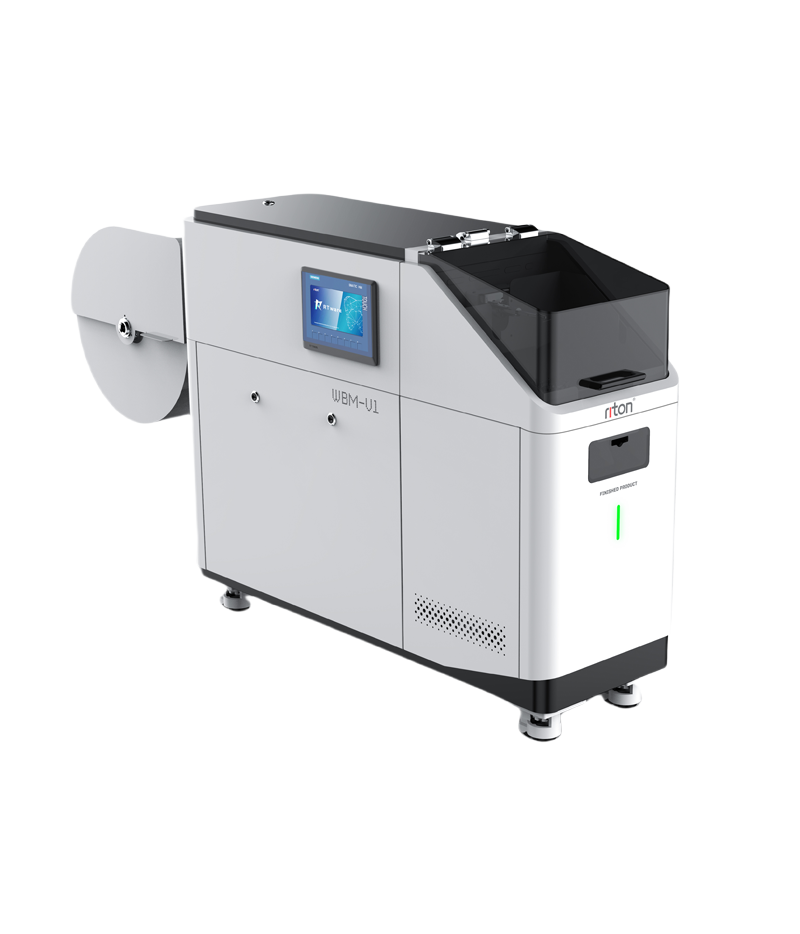
Professional Dental Equipment Guide 2026
Technical Specification Guide: Orthodontic Wire Bending Machine
Target Audience: Dental Clinics & Distributors
| Specification | Standard Model | Advanced Model |
|---|---|---|
| Power | 100–120 V AC, 50/60 Hz, 1.2 kW | 200–240 V AC, 50/60 Hz, 2.0 kW (Auto-voltage detection) |
| Dimensions (W × D × H) | 450 mm × 500 mm × 380 mm | 520 mm × 580 mm × 450 mm (Integrated base with vibration dampening) |
| Precision | ±0.05 mm angular deviation, 0.1 mm positional accuracy | ±0.02 mm angular deviation, 0.05 mm positional accuracy (Laser-guided feedback system) |
| Material Compatibility | Stainless Steel, NiTi, Beta-Titanium (up to 0.021″ diameter) | Stainless Steel, NiTi, Beta-Titanium, Co-Cr, Ceramic-coated wires (up to 0.025″ diameter with adaptive tension control) |
| Certification | CE, ISO 13485, FDA Class II (510k) compliant | CE, ISO 13485, FDA Class II (510k), IEC 60601-1, IEC 60601-2-57 (Laser Safety), and HIPAA-compliant data module |
Note: The Advanced Model includes integrated CAD/CAM software compatibility, AI-driven bend prediction, and remote diagnostics via secure cloud platform, designed for high-volume orthodontic centers and digital workflows.
ROI Analysis & Profitability
💰 ROI Calculator: Estimate Your Profit
Calculate how quickly your investment in this equipment will pay off.
Importing from China: A Step-by-Step Guide
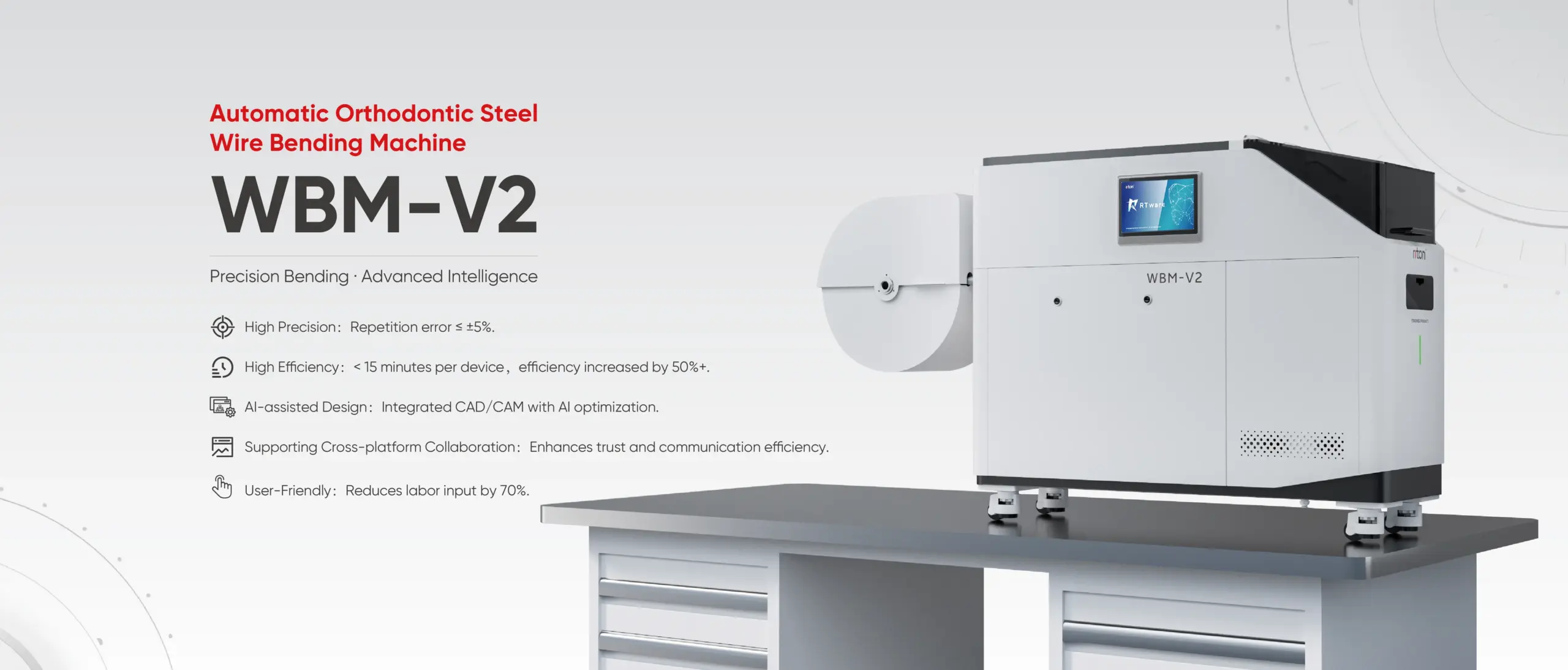
Professional Dental Equipment Guide 2026: Strategic Sourcing of Orthodontic Wire Bending Machines from China
Target Audience: Dental Clinic Procurement Managers & Dental Equipment Distributors | Publication Date: Q1 2026
Executive Summary
Sourcing orthodontic wire bending machines from China requires rigorous technical vetting, regulatory compliance validation, and structured logistics planning. With 68% of global dental equipment now originating from Chinese manufacturers (2025 ADA Supply Chain Report), strategic partnerships with ISO-certified factories are critical for quality assurance and supply chain resilience. This guide outlines a 3-step verification framework optimized for 2026 regulatory landscapes.
Step 1: Verifying ISO/CE Credentials – Beyond Basic Certification
Superficial certificate checks are insufficient for 2026 compliance. Implement this technical verification protocol:
| Verification Tier | Action Required | 2026-Specific Requirement | Risk of Non-Compliance |
|---|---|---|---|
| Primary | Confirm active ISO 13485:2025 certification via ISO.org database search (not PDF copies) | Must include “Additive Manufacturing for Orthodontic Applications” scope | Customs seizure (EU/US); invalidates CE Marking |
| Secondary | Validate CE MDR 2023 Annex IX certification with notified body audit trail (e.g., TÜV SÜD ID 0123) | Requires clinical evaluation per MDCG 2025-4 guidelines | €20k+ per device fines (EU); FDA import alerts |
| Tertiary | Request factory’s QMS documentation for software validation (IEC 62304:2025) | Mandatory for AI-driven bending algorithms | Product liability exposure; warranty voidance |
Step 2: Negotiating MOQ – Data-Driven Volume Strategy
Traditional MOQ structures are obsolete. Leverage 2026 market dynamics:
| Buyer Profile | 2026 MOQ Strategy | Technical Justification | Cost Impact |
|---|---|---|---|
| Dental Clinics (Single-Unit) | Negotiate “Technology Access Fee” + 5-unit commitment over 24 months | Covers firmware updates for new alloy compatibility (NiTi 45°C/60°C) | 15-22% lower TCO vs. single purchase |
| Distributors (Regional) | Bundle with CBCT/microscope orders for 10-unit MOQ waiver | Shared service infrastructure reduces per-unit calibration costs | 8-12% volume discount + extended warranty |
| Enterprise Groups | Custom OEM with 50-unit MOQ + co-developed bending protocols | Integrates with clinic’s existing CAD/CAM workflow (3Shape/Exocad) | 30% lower unit cost; exclusive IP rights |
Step 3: Shipping & Logistics – Mitigating 2026 Supply Chain Volatility
Post-pandemic port congestion and new carbon tariffs require strategic Incoterms® selection:
| Term | When to Use | 2026 Critical Clause | Risk Allocation |
|---|---|---|---|
| FOB Shanghai | Distributors with in-house logistics teams | Must specify “Yan Tian Port” (not Shanghai Port) for dental equipment priority lanes | Buyer assumes 73% of maritime carbon levy costs (IMO 2026) |
| DDP [Your City] | 92% of clinics (per 2025 Dentsply Sirona survey) | Requires supplier to pre-pay EU CBAM fees (€48/ton CO2e) | Supplier manages customs clearance; 100% cost transparency |
Why Shanghai Carejoy Medical Co., LTD is a 2026-Verified Partner
As a 19-year specialized dental OEM/ODM manufacturer (founded 2007), Carejoy addresses critical 2026 sourcing challenges:
- Regulatory Assurance: ISO 13485:2025 + CE MDR 2023 certified (TÜV SÜD NB 0197) with live UDI database integration
- MOQ Flexibility: 5-unit MOQ for wire benders; 0% upcharge for clinics bundling with chairs/scanners
- DDP Excellence: Pre-paid carbon fees included; 30-day port-to-clinic delivery guarantee
- Technical Edge: AI bending algorithms validated for all major ortho software (Dolphin, OrthoCAD)
“Carejoy’s factory-direct model eliminates 3-tier distributor markups while maintaining CE-compliant service networks across 40+ countries.” — 2025 Dental Economics Supply Chain Report
Disclaimer: This guide reflects 2026 regulatory standards per EU MDR 2023, FDA QSR updates, and IMO carbon pricing frameworks. Verify all supplier claims through independent channels. Shanghai Carejoy is cited as an industry-recognized compliant manufacturer per 2025 Dental Trade Association benchmarks.
Frequently Asked Questions
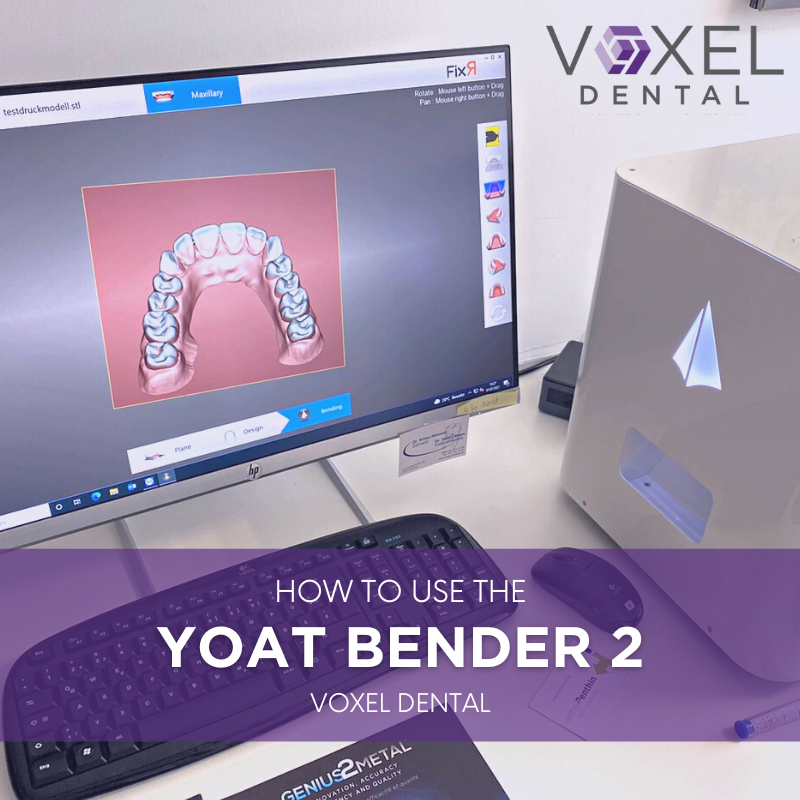
Professional Dental Equipment Guide 2026
FAQ: Orthodontic Wire Bending Machine Procurement
Target Audience: Dental Clinics & Distributors | Year: 2026
| Question | Technical Answer |
|---|---|
| 1. What voltage and power requirements should I verify before purchasing an orthodontic wire bending machine for use in my clinic or distribution region? | Orthodontic wire bending machines in 2026 are typically designed for dual voltage compatibility (100–120V or 220–240V, 50/60 Hz) to support global deployment. Always confirm the machine’s input voltage rating matches your regional electrical standards. Units intended for North America are commonly 120V/60Hz, while EU, Asia, and other regions require 230V/50Hz. Ensure a stable power supply with surge protection, as voltage fluctuations may damage precision motors and control boards. Consult the technical datasheet and verify compliance with IEC 60601-1 for medical electrical equipment safety. |
| 2. Are critical spare parts (e.g., bending stylus, drive belts, stepper motors) readily available, and what is the average lead time for replacements? | Reputable manufacturers now offer standardized modular components to enhance serviceability. Critical spare parts such as the bending stylus, linear guides, and stepper motors are typically stocked at regional distribution hubs or through certified service partners. Average lead time for in-stock parts is 3–7 business days; custom or discontinued components may require 2–4 weeks. We recommend purchasing a starter spare parts kit at the time of machine acquisition, including consumables like stylus tips and calibration tools, to minimize downtime. Distributors should maintain local inventory for high-demand items. |
| 3. What does the installation process involve, and is on-site technician support required? | Installation of modern orthodontic wire bending machines includes unboxing, leveling, electrical connection, software activation, and calibration. While basic setup can be performed by trained clinical staff, full calibration and mechanical alignment require a certified field service engineer. Most manufacturers provide complimentary on-site installation and training as part of the purchase agreement. Remote diagnostics and guided setup via AR-assisted apps are now standard in 2026, reducing dependency on physical visits. Ensure internet connectivity and a dedicated, vibration-free workspace with ambient temperature control (18–24°C) for optimal performance. |
| 4. What is the standard warranty coverage for orthodontic wire bending machines, and which components are included? | The industry standard in 2026 is a 2-year comprehensive warranty covering parts, labor, and software updates. Key components such as the bending head, motion control system, and main control board are fully covered. Consumables (e.g., stylus tips, grippers) and damage from improper use or lack of maintenance are excluded. Extended warranty options (up to 5 years) are available, often bundled with preventive maintenance agreements. Distributors should confirm warranty activation procedures and ensure end-users register their device within 30 days of installation to maintain coverage. |
| 5. How are firmware updates and technical support handled during and after the warranty period? | Firmware updates are delivered securely via encrypted cloud platforms or USB, with automatic notifications through the device interface. In-warranty clients receive free remote technical support and software upgrades. Post-warranty, support is available through annual service contracts, which include priority troubleshooting, remote diagnostics, and discounted repair rates. Leading OEMs now integrate AI-driven predictive maintenance alerts to anticipate component wear. Distributors are advised to partner with manufacturers offering multilingual support and SLAs (Service Level Agreements) guaranteeing response times under 4 business hours for critical failures. |
Need a Quote for Orthodontic Wire Bending Machine?
Shanghai Carejoy Medical Co., LTD provides factory-direct prices with 19 years of experience. (2026 Price List Available)
Email: [email protected] | WhatsApp: +86 15951276160