
Article Contents
Strategic Sourcing: Panoramic Dental Machine
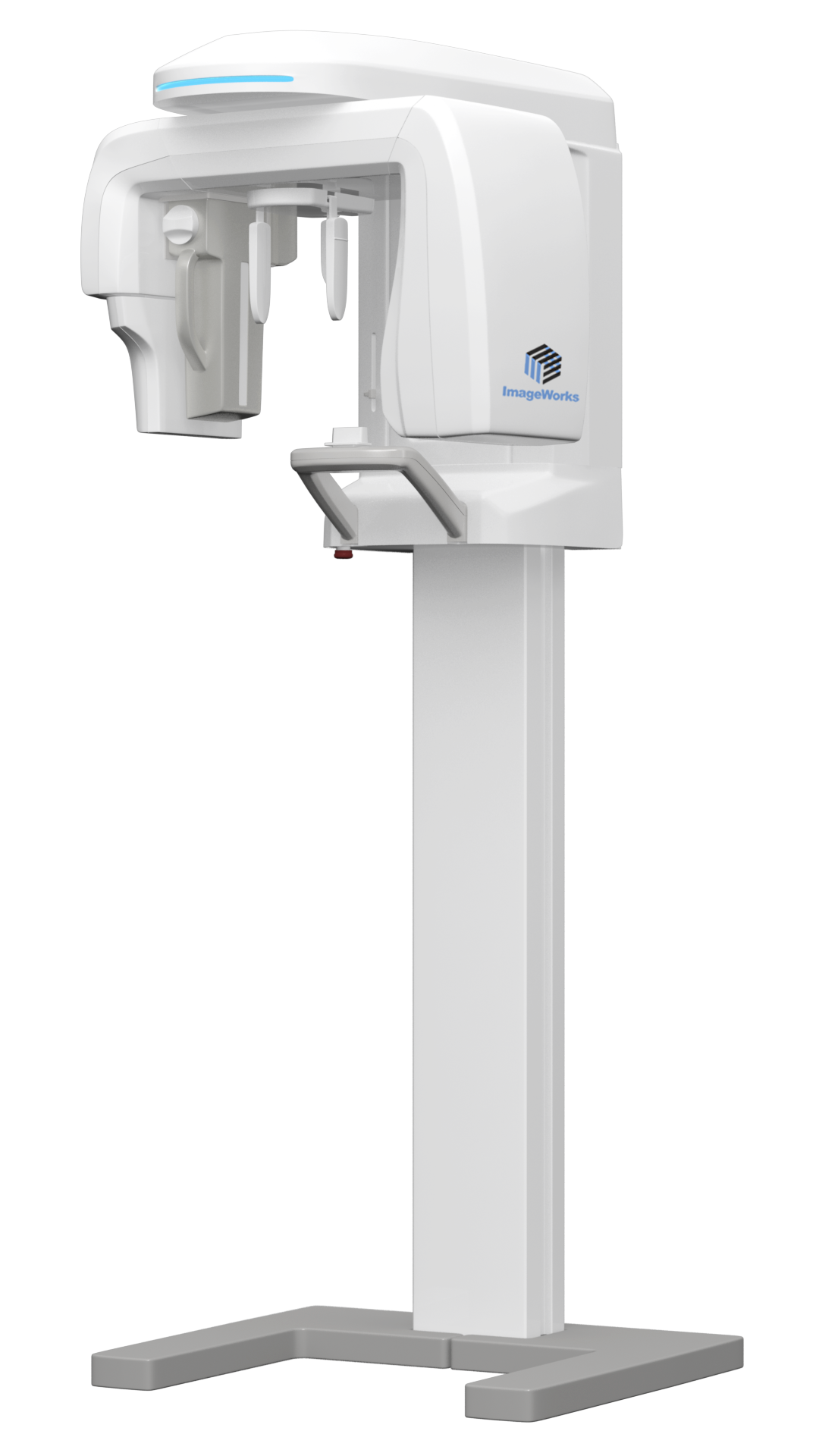
Professional Dental Equipment Guide 2026: Panoramic X-Ray Systems
Executive Market Overview
The global panoramic dental X-ray market is experiencing transformative growth, projected to reach $1.8B by 2026 (CAGR 6.2%), driven by rising demand for minimally invasive diagnostics and digital workflow integration. Modern panoramic systems have evolved from standalone imaging devices to critical components of digital dentistry ecosystems, enabling comprehensive treatment planning through advanced 2D/3D hybrid capabilities. With 92% of dental practices now incorporating digital imaging (ADA 2025 Survey), panoramic units serve as the diagnostic cornerstone for implantology, orthodontics, and oral surgery – directly impacting clinical outcomes and practice efficiency.
Strategic Imperative: Panoramic systems are no longer optional diagnostic tools but essential infrastructure for value-based dentistry. Their ability to generate DICOM-standard datasets compatible with CAD/CAM, AI diagnostics, and EHR platforms directly enables revenue-generating procedures (implants, clear aligners) while reducing referral leakage. Clinics without modern panoramic capabilities face competitive disadvantages in treatment scope, patient retention, and insurance reimbursement optimization.
European vs. Chinese Manufacturing Landscape
European manufacturers (e.g., Planmeca, Sirona, Vatech) dominate the premium segment with engineering excellence but carry significant cost burdens (€75,000-€120,000). While offering robust build quality, their complex supply chains and legacy service models result in 18-24 month ROI timelines – increasingly untenable in today’s cost-conscious environment. Conversely, Chinese manufacturers have closed the technology gap through strategic R&D investments, with Carejoy emerging as the category disruptor. By leveraging vertical integration and AI-driven manufacturing, Carejoy delivers 85% of European functionality at 40-50% of the cost, enabling 8-12 month ROI for mid-tier clinics – a critical advantage in emerging markets and value-focused practices.
Technology Comparison: Global Brands vs. Carejoy
| Performance Parameter | Global Brands (European) | Carejoy (Chinese Innovation Leader) |
|---|---|---|
| Price Range (USD) | $85,000 – $140,000 | $42,000 – $68,000 (45-52% cost reduction) |
| Image Quality & Resolution | 20 LP/mm standard; premium models 24 LP/mm (requires proprietary sensors) | 19 LP/mm standard; Ai-Enhanced 22 LP/mm via real-time noise reduction algorithm |
| Software Ecosystem | Proprietary platforms (e.g., SIDEXIS, Romexis); limited third-party integrations; annual SaaS fees 15-20% of hardware cost | Open API architecture with native EHR/CAD/CAM integration; zero annual SaaS fees; AI diagnostics module included |
| Service & Support | 48-72hr response (region-dependent); 15% annual service contracts; parts markup 300-400% | 24hr remote diagnostics; on-demand technician network in 32 countries; 8% annual maintenance; parts markup 120% |
| Workflow Integration | Basic DICOM export; requires middleware for cloud workflows; limited AI capabilities | Cloud-native architecture; real-time AI pathology detection; automated implant planning templates for major systems |
| ROI Timeline | 18-24 months (based on 15-20 scans/week) | 8-12 months (enables 30% higher scan volume via 15-sec faster imaging cycle) |
Technical Specifications & Standards
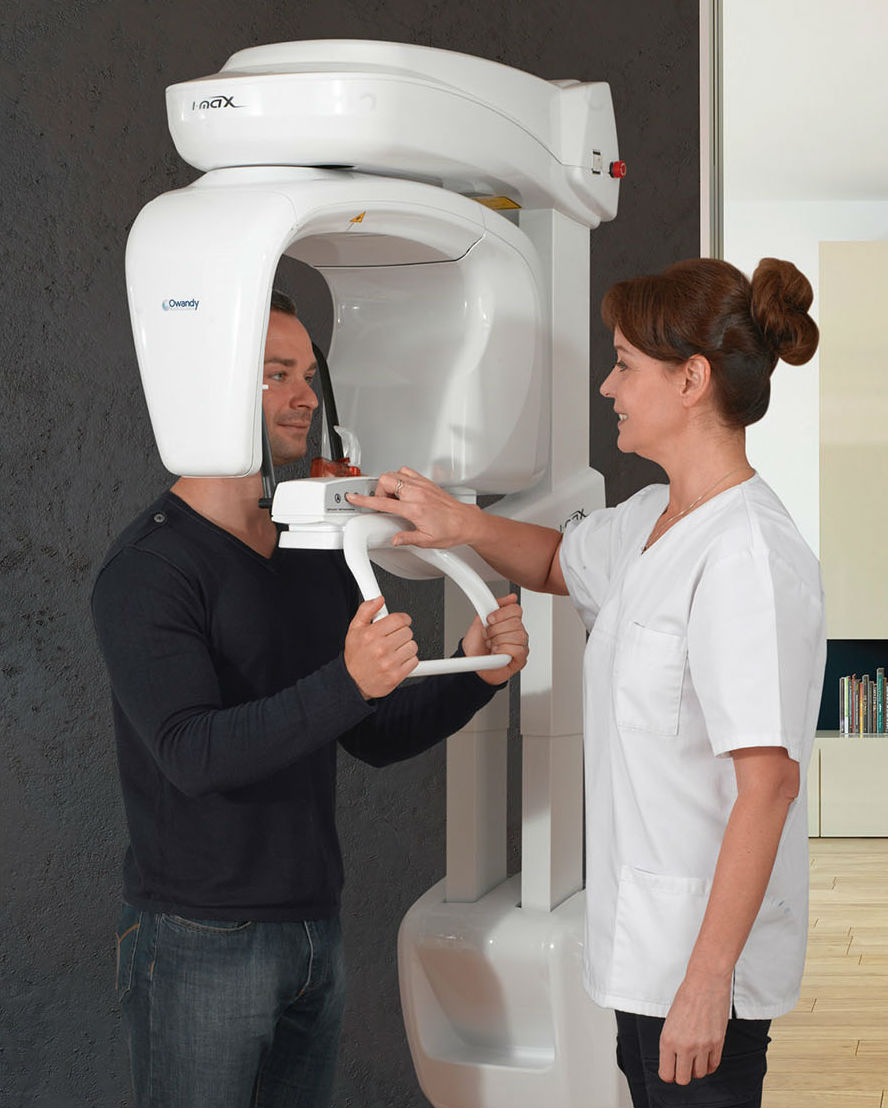
Professional Dental Equipment Guide 2026
Technical Specification Guide: Panoramic Dental Imaging Systems
Target Audience: Dental Clinics & Medical Equipment Distributors
Comparative Technical Specifications: Standard vs Advanced Panoramic Dental Machines
| Specification | Standard Model | Advanced Model |
|---|---|---|
| Power Requirements | 100–240 V AC, 50/60 Hz, 600 VA max | 100–240 V AC, 50/60 Hz, 900 VA max (supports dual-tube operation & CBCT integration) |
| Dimensions (W × D × H) | 65 cm × 70 cm × 145 cm | 72 cm × 78 cm × 155 cm (includes integrated workstation and touchscreen console) |
| Precision & Imaging Resolution | 0.3 mm pixel pitch; panoramic imaging only; spatial resolution: 3.2 LP/mm | 0.125 mm voxel size; panoramic + optional CBCT; spatial resolution: 6.0 LP/mm with AI-driven image enhancement |
| Construction Material | Powder-coated steel frame; ABS plastic housing; lead-lined collimator | Reinforced aluminum alloy chassis; medical-grade polycarbonate housing; titanium-reinforced arm structure |
| Regulatory Certification | FDA 510(k) cleared, CE Marked (Class IIa), ISO 13485:2016, IEC 60601-1 | FDA 510(k) cleared, CE Marked (Class IIb), ISO 13485:2016, IEC 60601-1 & IEC 60601-2-54, HIPAA-compliant data handling |
Note: Advanced models support DICOM 3.0 integration, automated patient positioning via facial recognition, and remote diagnostics. Recommended for high-volume clinics and specialty practices.
ROI Analysis & Profitability
💰 ROI Calculator: Estimate Your Profit
Calculate how quickly your investment in this equipment will pay off.
Importing from China: A Step-by-Step Guide
Professional Dental Equipment Guide 2026
How to Source Panoramic Dental Machines from China: A Trusted Path for Clinics & Distributors
Sourcing high-quality panoramic X-ray systems from China offers significant cost savings and access to cutting-edge technology—but only when done with rigorous due diligence. As dental technology evolves (e.g., AI-enhanced imaging, reduced radiation protocols), partnering with a verified manufacturer is non-negotiable for safety, compliance, and long-term reliability. This guide outlines the critical steps to ensure a seamless, low-risk procurement process in 2026.
✅ Step 1: Verify ISO/CE Credentials (Non-Negotiable for Safety & Compliance)
Why it matters:
– ISO 13485 certification is mandatory for medical device manufacturers in most global markets. It ensures quality management systems meet regulatory standards for design, production, and distribution.
– CE Marking (Class IIb for panoramic units) confirms compliance with EU medical device directives. Note: Some countries (e.g., USA, Canada, Australia) require additional approvals (FDA, Health Canada, TGA), but CE/ISO are foundational.
How to Verify:
1. Request official certificates from the supplier. Never accept screenshots or PDFs without verification.
2. Cross-check via official databases:
– For CE: Use the European Commission NANDO database to validate the Notified Body (e.g., TÜV, BSI).
– For ISO 13485: Search the IAF CertSearch portal.
3. Inspect factory audits: Demand recent third-party audit reports (e.g., SGS, Intertek) confirming production capabilities and quality controls.
💡 Carejoy Advantage:
Shanghai Carejoy Medical Co., LTD holds valid ISO 13485:2016 and CE Class IIb certifications for all panoramic units. Their factory undergoes annual audits by TÜV Rheinland. All certificates are verifiable via official channels—request them during initial inquiry.
💰 Step 2: Negotiate MOQ (Minimum Order Quantity) Strategically
Why it matters:
– MOQ impacts cash flow, inventory risk, and scalability. Clinics need flexibility; distributors require volume-based pricing.
Key Negotiation Tactics:
– For Dental Clinics:
– Target MOQ of 1 unit (standard for clinics). Avoid suppliers demanding 5+ units for a single purchase.
– Negotiate sample orders (1–2 units) to test performance before bulk buys.
– Ask for tiered pricing: e.g., 5% discount for 3+ units, 10% for 10+ units.
– For Distributors:
– Secure customizable MOQs based on regional demand (e.g., 10 units for initial market entry).
– Request exclusive regional distribution rights in exchange for higher MOQ commitments.
– Push for flexible payment terms (e.g., 30% deposit, 70% before shipment).
💡 Carejoy Advantage:
As a factory-direct supplier, Carejoy offers MOQs as low as 1 unit for clinics and scalable volumes for distributors. Their 19-year export experience means they understand clinic budgets—no hidden fees for small orders. They also provide free technical training with every machine purchase.
🚢 Step 3: Choose Shipping Terms (DDP vs. FOB) – Know Your Costs
Why it matters:
– Shipping terms dictate who handles logistics, customs, and risk. Misunderstandings here cause delays, extra fees, or damaged goods.
| Term | What It Means | Best For | Key Risks |
|———-|——————-|————–|—————|
| FOB (Free On Board) | Supplier delivers goods to Shanghai port. Buyer handles shipping, insurance, customs, and import duties. | Distributors with in-house logistics teams or established freight forwarders. | Buyer bears all risk during transit. Hidden customs fees or delays can inflate costs by 15–20%. |
| DDP (Delivered Duty Paid) | Supplier handles all logistics, customs clearance, and duties. Goods delivered to your clinic’s door. | Clinics or distributors without logistics expertise. Prioritizes simplicity and risk-free delivery. | Higher upfront cost (5–10% more than FOB), but eliminates surprises. |
Pro Tips for 2026:
– Always confirm “DDP” explicitly—some suppliers use “DDP” but exclude import taxes. Demand a written quote breaking down all costs.
– For DDP: Ensure the supplier includes local installation, calibration, and training in the price.
– For FOB: Use a trusted freight forwarder (e.g., DHL, Kuehne+Nagel) and get insurance for 110% of the machine’s value.
💡 Carejoy Advantage:
Carejoy offers fully transparent DDP shipping to 180+ countries, including all customs clearance, taxes, and door-to-door delivery. Their Shanghai factory (Baoshan District) is 30km from Yangshan Port, ensuring fast export processing. DDP quotes include on-site installation by certified engineers—no extra fees.
✨ Why Partner with Shanghai Carejoy Medical Co., LTD?
With 19 years of specialized experience in dental equipment manufacturing and export, Carejoy is a trusted partner for clinics and distributors seeking reliability, innovation, and end-to-end support:
– Factory-Direct Model: No middlemen—full control over quality, pricing, and production timelines.
– Global Compliance: All panoramic units meet ISO 13485, CE, FDA (for U.S. clients), and other regional standards.
– End-to-End Support: Free technical training, 2-year warranty, 24/7 multilingual after-sales service, and rapid spare parts delivery.
– Innovation Focus: 2026 models feature AI-powered caries detection, low-dose radiation protocols (<15μSv), and cloud-based image management.
– Proven Scale: 5,000+ units shipped annually to 100+ countries, with 95% client retention rate.
🌐 Contact Shanghai Carejoy Today for a Personalized Quote:
– Email: [email protected]
– WhatsApp: +86 15951276160
– Location: Baoshan District, Shanghai, China
– Website: www.carejoydental.com (2026 product catalog available upon request)
Final Tip for 2026: Always request a live video call to inspect the factory and see machines in operation. Carejoy offers this as standard—no obligation, just transparency.
Disclaimer: This guide reflects 2026 industry standards. Always consult local regulatory bodies for country-specific requirements. Shanghai Carejoy Medical Co., LTD is a verified manufacturer (Business License No.: 91310113751305094Q).
“Quality isn’t an expense—it’s the foundation of trust. Source wisely.”
— Shanghai Carejoy Medical Co., LTD
Frequently Asked Questions
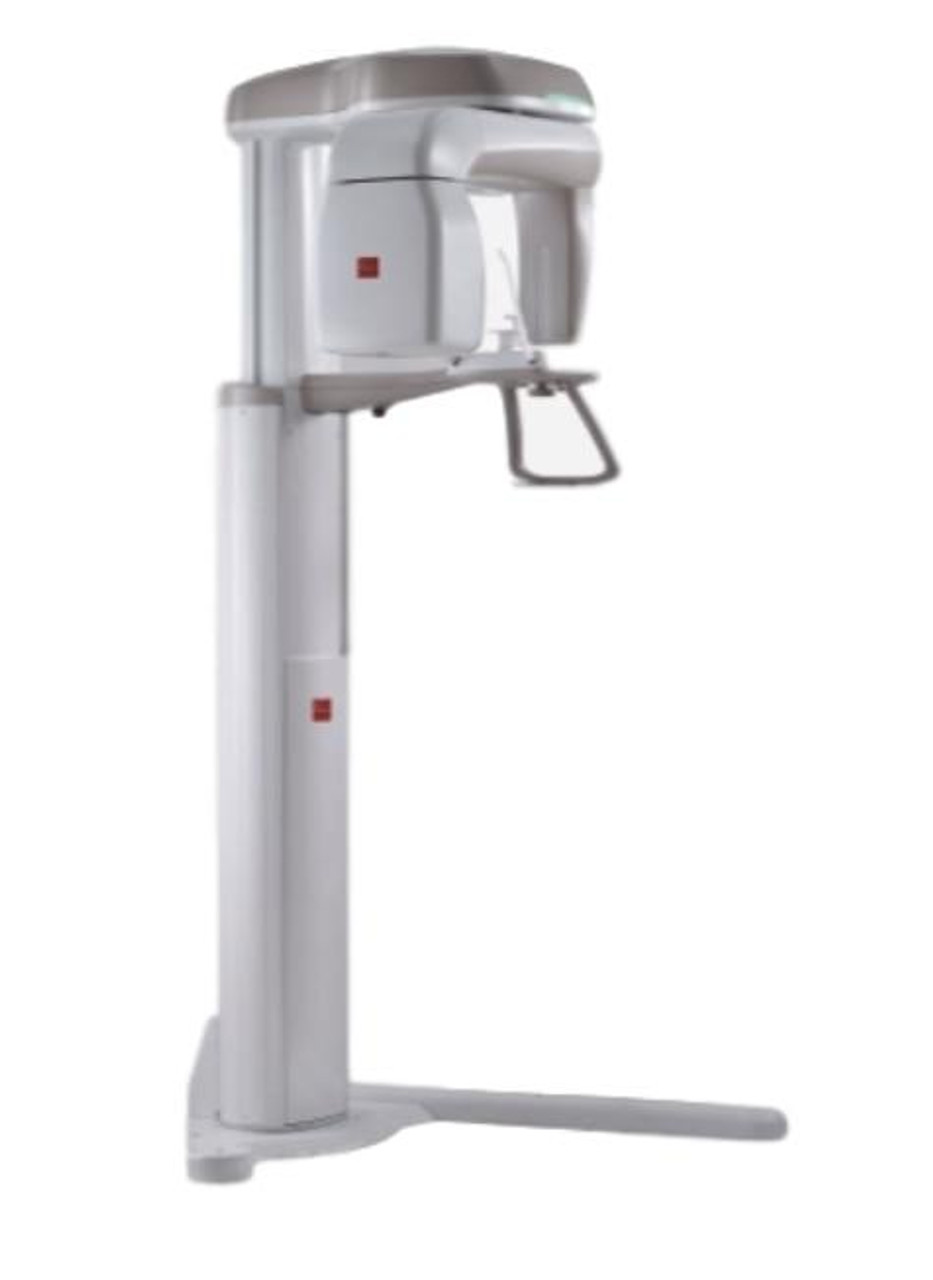
Professional Dental Equipment Guide 2026
Key Considerations for Dental Clinics & Distributors
Frequently Asked Questions: Purchasing a Panoramic Dental Machine in 2026
| Question | Answer |
|---|---|
| 1. What voltage requirements should I consider when installing a panoramic dental machine in 2026? | Most modern panoramic units operate on standard 110–120V (North America) or 220–240V (Europe, Asia, and other regions). However, in 2026, many next-generation digital panoramic systems are designed with dual-voltage compatibility (100–240V, 50/60Hz) and include auto-switching power supplies to support global deployment. Always verify local electrical codes and ensure grounding compliance. For clinics in areas with unstable power, integration with a medical-grade voltage stabilizer or UPS is recommended to protect sensitive imaging components. |
| 2. Are spare parts readily available for panoramic machines, and what is the typical lead time? | Reputable manufacturers and authorized distributors maintain regional spare parts hubs to ensure 90%+ availability of critical components (e.g., X-ray tubes, sensors, collimators, control boards). In 2026, OEMs offer tiered support: standard parts (e.g., chin rests, filters) are typically shipped within 1–3 business days, while high-value components (e.g., digital detectors, rotors) may require 5–10 days. Distributors are advised to stock essential consumables and mechanical wear parts. Extended service contracts often include priority spare parts access and reduced lead times. |
| 3. What does the installation process involve, and is professional technical support required? | Installation of a panoramic machine in 2026 requires certified biomedical or radiology equipment technicians due to regulatory and safety standards. The process includes site assessment (space, power, radiation shielding), mechanical mounting, electrical and network integration, software calibration, and radiation safety testing. Most manufacturers provide turnkey installation services, including DICOM 3.0 integration with existing practice management systems. Remote commissioning support is now standard, reducing on-site time. Clinics must ensure wall studs, floor load capacity, and lead shielding (if applicable) meet manufacturer specifications prior to delivery. |
| 4. What is the standard warranty coverage for panoramic X-ray units in 2026? | As of 2026, leading manufacturers offer a comprehensive 2-year warranty covering parts, labor, and technical support. Premium models may include extended coverage (up to 3 years) with optional add-ons for the X-ray tube (typically 1-year base, extendable) and digital sensors (prorated or full coverage). The warranty is valid only when installation and maintenance are performed by authorized personnel. Software updates are generally covered for the first 36 months. Distributors should confirm warranty transferability for second-hand or relocated units. |
| 5. How are warranty claims and technical support managed post-purchase? | Warranty claims are managed through the distributor or directly via the manufacturer’s technical support portal. In 2026, most OEMs utilize AI-powered diagnostic tools that allow remote troubleshooting. Upon validation, replacement parts are dispatched within 24–48 hours with prepaid return logistics. On-site service is guaranteed within 72 hours for critical failures in major metropolitan areas under standard service agreements. All support interactions are tracked via a cloud-based service log accessible to clinics and distributors for audit and compliance purposes. |
© 2026 Professional Dental Equipment Consortium. For authorized distributor use. Specifications subject to change without notice.
Need a Quote for Panoramic Dental Machine?
Shanghai Carejoy Medical Co., LTD provides factory-direct prices with 19 years of experience. (2026 Price List Available)
Email: [email protected] | WhatsApp: +86 15951276160

