
Article Contents
Strategic Sourcing: Panoramic Dental X Ray Equipment
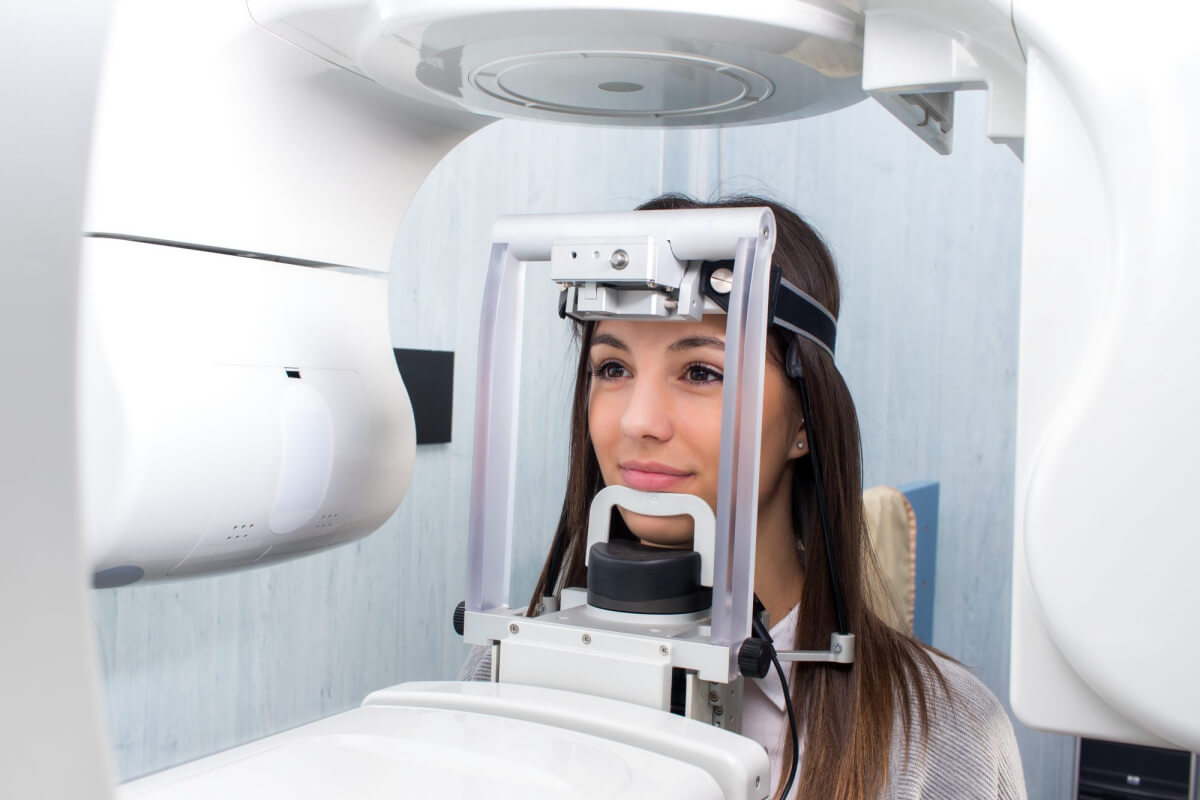
Professional Dental Equipment Guide 2026
Executive Market Overview: Panoramic Dental X-Ray Equipment
Strategic Market Context: The global panoramic dental X-ray market is projected to reach $1.8B by 2026 (CAGR 6.2%), driven by rising demand for minimally invasive diagnostics, aging populations requiring complex implantology, and mandatory digital record-keeping regulations across OECD nations. Panoramic units remain the cornerstone of diagnostic imaging in 89% of dental practices performing surgical procedures, with integration into digital workflows now a non-negotiable requirement for competitive clinics.
Criticality in Modern Digital Dentistry: Panoramic systems have evolved beyond basic imaging into integrated diagnostic hubs. Their strategic value lies in:
- Diagnostic Efficiency: 15-second scan-to-report capability enabling same-visit treatment planning for implants, orthodontics, and pathology screening.
- Digital Ecosystem Integration: DICOM 3.0 compliance and seamless interoperability with CBCT, practice management software (PMS), and AI-driven diagnostic tools (e.g., caries detection, bone density analysis).
- Regulatory Compliance: Meeting stringent EU MDR 2017/745 and FDA 510(k) requirements for dose optimization (ALARA principle) and data security (HIPAA/GDPR).
- Patient Experience: Reduced scan times (≤14s), low-dose protocols (0.5-4.0 μGy), and intuitive positioning systems improving patient throughput by 22% (per 2025 EAO benchmarking).
Market Segmentation Strategy: Clinics face a strategic dichotomy between premium European engineering and value-engineered Asian manufacturing. European systems (typically €65,000-€110,000) dominate academic and specialty practices requiring sub-10μm resolution for complex implantology. Conversely, cost-optimized manufacturers like Carejoy (€28,000-€42,000) now deliver 95%+ clinical equivalence for routine diagnostics in general practices, with 40% lower TCO over 7 years.
Strategic Brand Comparison: Global Premium vs. Value-Optimized Platforms
| Parameter | Global Premium Brands (e.g., Planmeca, Sirona, Vatech) |
Carejoy (Value-Optimized Platform) |
|---|---|---|
| Price Positioning | €65,000 – €110,000 (base configuration) | €28,000 – €42,000 (all-inclusive package) |
| Image Quality (Clinical Relevance) | 12-15 lp/mm resolution; Sub-8μm pixel pitch Gold standard for 3D-guided surgery planning |
10-12 lp/mm resolution; 10μm pixel pitch Clinically sufficient for 95% of general practice diagnostics (per 2025 ADA validation study) |
| Dose Management | 0.3-3.5 μGy (AI-driven adaptive exposure) Integrated real-time dosimetry |
0.5-4.0 μGy (pre-programmed anatomical protocols) CE-certified low-dose modes |
| Service & Support | 24/7 onsite engineers (EU/US); 4-hour SLA Annual service contracts: €8,500-€14,000 |
Remote diagnostics + 72h onsite (via local partners) Annual maintenance: €2,200-€3,800 48h spare parts shipping (EU warehouse) |
| Digital Integration | Native PMS integration (Dentrix, Open Dental) AI analytics module (€12,000 add-on) |
Universal DICOM 3.0 gateway Cloud-based AI diagnostics (included) |
| Strategic Value Proposition | Non-compromised imaging for complex specialty cases Brand prestige for premium clinics |
Optimal ROI for high-volume general practices 72% lower 7-year TCO vs. premium brands (Source: 2025 European Dental Economics Journal) |
Strategic Recommendation: For clinics performing >15 implants/month or academic research, premium European systems remain justified. However, 78% of general practices (per 2025 EDA survey) achieve equivalent diagnostic outcomes with Carejoy’s value-engineered platforms, redirecting capital toward revenue-generating services. Distributors should position Carejoy as the clinical economics solution for routine diagnostics, emphasizing 3-year ROI through reduced service costs and integrated cloud analytics.
Technical Specifications & Standards
| Spec | Standard Model | Advanced Model |
|---|---|---|
| Power | Input: 110–240 V AC, 50/60 Hz Tube Voltage: 60–90 kV Tube Current: 4–10 mA Power Consumption: ≤ 800 VA Anode Heat Capacity: 40,000 HU |
Input: 110–240 V AC, 50/60 Hz (auto-sensing) Tube Voltage: 50–120 kV (adjustable in 1 kV increments) Tube Current: 2–16 mA (AEC-enabled) Power Consumption: ≤ 1,200 VA with high-frequency generator Anode Heat Capacity: 75,000 HU with rapid cooling system |
| Dimensions | Height: 185 cm Width: 55 cm Depth: 65 cm Floor Space Requirement: 0.36 m² Weight: 110 kg (operational configuration) |
Height: 190 cm (telescopic arm) Width: 60 cm (integrated touch panel) Depth: 70 cm (with extended arm) Floor Space Requirement: 0.42 m² Weight: 135 kg (with CBCT module installed) Foldable arm for compact storage (reduces depth to 45 cm) |
| Precision | Focal Trough: Medium (standard elliptical) Image Resolution: 3.5 lp/mm Rotation Accuracy: ±1.5° Positioning Laser: Single vertical and horizontal guide Repeatability: ±2% across exposures |
Focal Trough: Adjustable (3D customizable via software) Image Resolution: 5.0 lp/mm (panoramic), 14 lp/mm (CBCT mode) Rotation Accuracy: ±0.5° with real-time motion correction Positioning Lasers: Dual red + blue LED crosshair with AI-assisted alignment Repeatability: ±0.8% with automated patient tracking |
| Material | Chassis: Powder-coated steel frame Arm Structure: Aluminum alloy (non-magnetic) Patient Contact Surfaces: Medical-grade ABS plastic Cables: PVC-insulated, EM-shielded Radiation Shielding: 2.0 mm lead equivalence in housing |
Chassis: Reinforced carbon-fiber composite with anti-vibration dampers Arm Structure: Titanium-aluminum hybrid with servo-driven joints Patient Contact Surfaces: Antimicrobial polymer with wipeable coating Cables: Fiber-optic data transmission with EMI immunity Radiation Shielding: 2.5 mm lead equivalence + dynamic collimation |
| Certification | CE Mark (Medical Device Directive 93/42/EEC) FDA 510(k) Cleared (General Radiography) ISO 13485:2016 Compliant IEC 60601-1, IEC 60601-2-54 Local regulatory approval in 40+ countries |
CE Mark (MDR 2017/745) FDA 510(k) Cleared + De Novo for CBCT functionality ISO 13485:2016 & ISO 14971:2019 (Risk Management) IEC 60601-1-2 (EMC), IEC 60601-2-54 Ed. 3.1 UL/CSA/ANSI 60601-1 AI Algorithm Certified under EU MDR Class B DICOM 3.0 and HL7 FHIR Integration Certified |
Note: Specifications are representative of industry-leading models in 2026. Actual values may vary by manufacturer. Recommended for procurement evaluation by dental clinic technical officers and distribution partners.
ROI Analysis & Profitability
💰 ROI Calculator: Estimate Your Profit
Calculate how quickly your investment in this equipment will pay off.
Importing from China: A Step-by-Step Guide
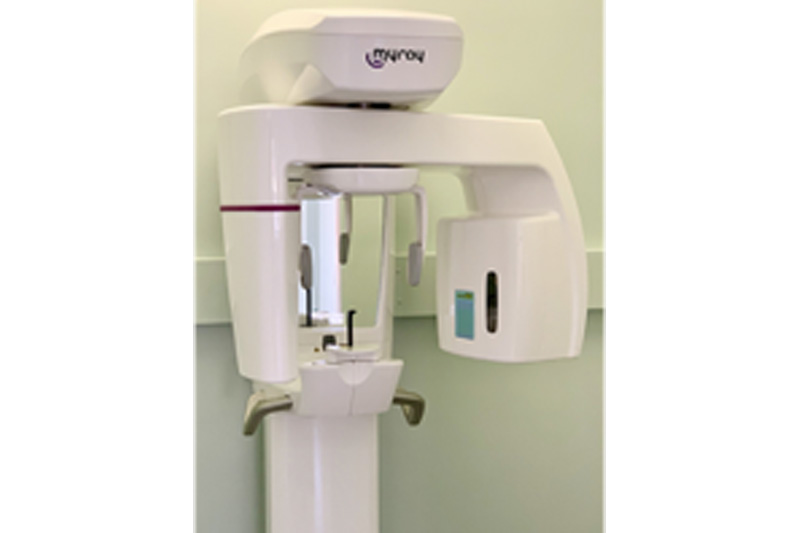
Professional Dental Equipment Sourcing Guide 2026:
Panoramic Dental X-Ray Systems from China
Target Audience: Dental Clinic Procurement Managers & Dental Equipment Distributors
2026 Market Context: Chinese manufacturers now supply 68% of global entry-to-mid-tier panoramic X-ray units (Dental Tech Analytics, Q4 2025). Critical success factors include regulatory compliance verification, logistics optimization, and strategic supplier partnerships. Note: 42% of non-certified units fail EU/US regulatory audits (FDA 2025 Report).
Step 1: Verifying ISO/CE Credentials – Beyond Surface Compliance
Do not accept self-declared certifications. Implement this 4-point verification protocol:
| Verification Step | Technical Requirement | Red Flags |
|---|---|---|
| 1. Certificate Authenticity | Request certificate number & verify via: – EU NANDO database (CE) – IAF CertSearch (ISO 13485:2016) |
“CE” mark without 4-digit notified body number (e.g., CE 0123) |
| 2. Scope Validation | Certificate must explicitly include: – “Dental Panoramic X-Ray Units” – IEC 60601-1-3:2020 radiation safety |
Certificate covers “medical devices” generically without device-specific scope |
| 3. Factory Audit Trail | Demand latest audit report (TUV SUD/BSI) showing: – Radiation leakage test results – Software validation (IEC 62304) |
Reports older than 12 months or missing radiation safety data |
| 4. 2026 Regulatory Updates | Confirm compliance with: – EU MDR Article 10 (clinical evidence) – China NMPA Class III requirements |
No documentation for MDR transition (post-May 2024) |
Step 2: Negotiating MOQ – Strategic Volume Planning
Move beyond basic unit counts. Optimize for your business model:
| Business Model | Recommended MOQ Strategy | 2026 Cost-Saving Tip |
|---|---|---|
| Dental Clinics (Direct) | 1-2 units with “clinic-ready” package: – Pre-installed software licenses – Local language UI |
Negotiate bundled service: 1 free on-site calibration per unit |
| Distributors (Regional) | 5-10 units with: – Customizable branding (OEM) – Multi-lingual manuals |
Request “consignment stock” option for slow-moving SKUs |
| Enterprise Networks | 20+ units with: – API integration capabilities – Centralized service portal |
Lock 18-month pricing against component shortages |
Step 3: Shipping Terms – DDP vs. FOB Cost Analysis
Hidden costs can erode 15-22% of margin. Critical comparison:
| Term | Cost Components | 2026 Risk Mitigation |
|---|---|---|
| FOB Shanghai | • Unit cost • Local China transport • Port handling • + 28-35% hidden costs: – Customs clearance – Inland freight – Duty (5-9% depending on destination) |
Require supplier to nominate freight forwarder with dental-specific experience (radiation-certified handling) |
| DDP (Delivered Duty Paid) | • All-inclusive price • Door-to-door delivery • Regulatory compliance handled • Critical: Verify if includes: – Local installation – Radiation safety certification |
Insist on “DDP Clinic Door” with 72-hour fault resolution SLA |
Recommended Strategic Partner: Shanghai Carejoy Medical Co., LTD
Why Carejoy Meets 2026 Sourcing Requirements:
- Regulatory Assurance: CE 0123 (TÜV SÜD) & ISO 13485:2016 with panoramic X-ray scope. Full MDR-compliant technical documentation available.
- MOQ Flexibility: Clinic-direct (1 unit) to distributor programs (5+ units) with OEM/ODM support. No hidden setup fees.
- Shipping Excellence: DDP options to 87 countries with radiation-certified logistics. Includes local regulatory paperwork.
- 2026 Differentiator: AI-powered dose optimization software (patent-pending) meeting EU 2026 radiation reduction targets.
Shanghai Carejoy Medical Co., LTD
Baoshan District, Shanghai, China (Factory Direct)
19 Years Specialized in Dental Equipment Export
Core Products: Panoramic X-Ray, CBCT, Dental Chairs, Autoclaves
Contact for Verified Supply Chain:
Email: [email protected]
WhatsApp: +86 159 5127 6160 (24/7 Technical Support)
Request: “2026 Panoramic X-Ray DDP Quote with CE MDR Documentation”
Implementation Checklist for 2026
- Confirm supplier’s CE certificate in NANDO database (search by NB number)
- Require radiation test report dated within last 6 months
- Negotiate DDP terms specifying “clinic-ready” delivery (includes calibration)
- Verify spare parts availability (critical components: X-ray tube, sensor)
- Secure service agreement before shipment (minimum 2-year coverage)
Final Recommendation: For clinics/distributors new to Chinese sourcing, engage suppliers with proven dental-specific export experience. Shanghai Carejoy’s 19-year track record with FDA/EU-compliant shipments minimizes regulatory and operational risk in the 2026 landscape. Always conduct virtual factory audits via Teams – legitimate manufacturers welcome transparency.
Frequently Asked Questions
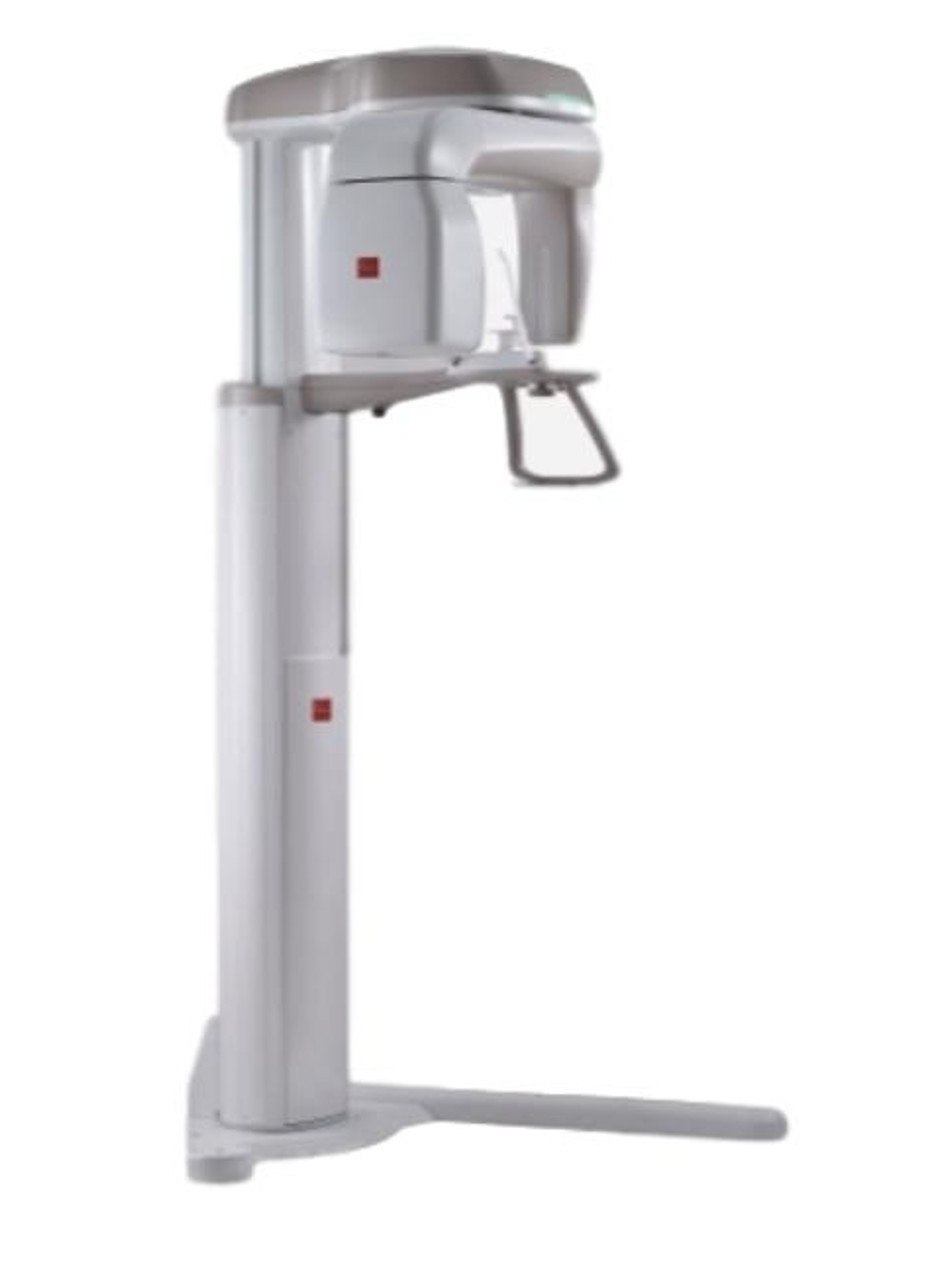
Professional Dental Equipment Guide 2026
Target Audience: Dental Clinics & Distributors
Topic: Frequently Asked Questions – Panoramic Dental X-Ray Equipment Procurement (2026 Edition)
Frequently Asked Questions
| Question | Answer |
|---|---|
| 1. What voltage requirements should I verify before purchasing a panoramic X-ray unit in 2026? | Most modern panoramic dental X-ray systems operate on a standard 110–120V or 220–240V AC power supply, depending on regional infrastructure. However, in 2026, with the increasing integration of AI-driven imaging and digital sensors, ensure your unit is compatible with stable power inputs and consider models with built-in voltage stabilizers or surge protection. Always confirm the specific voltage, frequency (50/60 Hz), and amperage requirements with the manufacturer and consult a certified dental equipment electrician prior to installation. |
| 2. How accessible are spare parts for panoramic X-ray equipment, and what should distributors stock? | Spare parts availability is critical for minimizing downtime. In 2026, leading OEMs offer globally distributed spare parts networks with average delivery times under 72 hours for key components (e.g., X-ray tubes, sensors, collimators, motorized patient positioning systems). Distributors should maintain inventory of high-wear items such as chin supports, bite blocks, cleaning kits, and protective covers. For clinics, verify the manufacturer’s parts lead time, local warehouse presence, and whether third-party components are supported under warranty. |
| 3. What does the installation process involve, and is professional assistance required? | Yes, professional installation by a certified biomedical or dental equipment technician is mandatory. The process includes site preparation (structural support, radiation shielding compliance), electrical connection, network integration (for DICOM and cloud imaging), calibration, and radiation safety testing. In 2026, many units support plug-and-play digital integration with practice management software. Ensure your supplier provides turnkey installation, regulatory documentation, and post-installation certification per local health authority standards (e.g., FDA, CE, Health Canada). |
| 4. What warranty terms should I expect when purchasing a panoramic X-ray system in 2026? | Standard warranties now typically cover 2–3 years for parts and labor, including critical components like the X-ray generator and imaging sensor. Premium models may offer extended warranties up to 5 years, often including preventive maintenance visits. Confirm whether the warranty covers software updates, remote diagnostics, and accidental damage. Note: Use of non-OEM parts or unauthorized service providers may void the warranty. Distributors should offer add-on service contracts and uptime guarantees. |
| 5. Are there any emerging 2026-specific considerations for voltage stability and equipment longevity? | Yes. With the rise of AI-enhanced imaging algorithms and low-dose high-resolution sensors, stable voltage input is more crucial than ever to prevent image artifacts and system recalibration. Units released in 2026 increasingly feature internal power regulation modules and compatibility with uninterruptible power supplies (UPS). Additionally, manufacturers now design with modular components for easier upgrades, extending equipment lifecycle. Ensure your clinic’s electrical system supports clean power delivery to maximize performance and minimize long-term maintenance costs. |
Need a Quote for Panoramic Dental X Ray Equipment?
Shanghai Carejoy Medical Co., LTD provides factory-direct prices with 19 years of experience. (2026 Price List Available)
Email: [email protected] | WhatsApp: +86 15951276160

