
Article Contents
Strategic Sourcing: Panoramic Dental X Ray Machine Cost
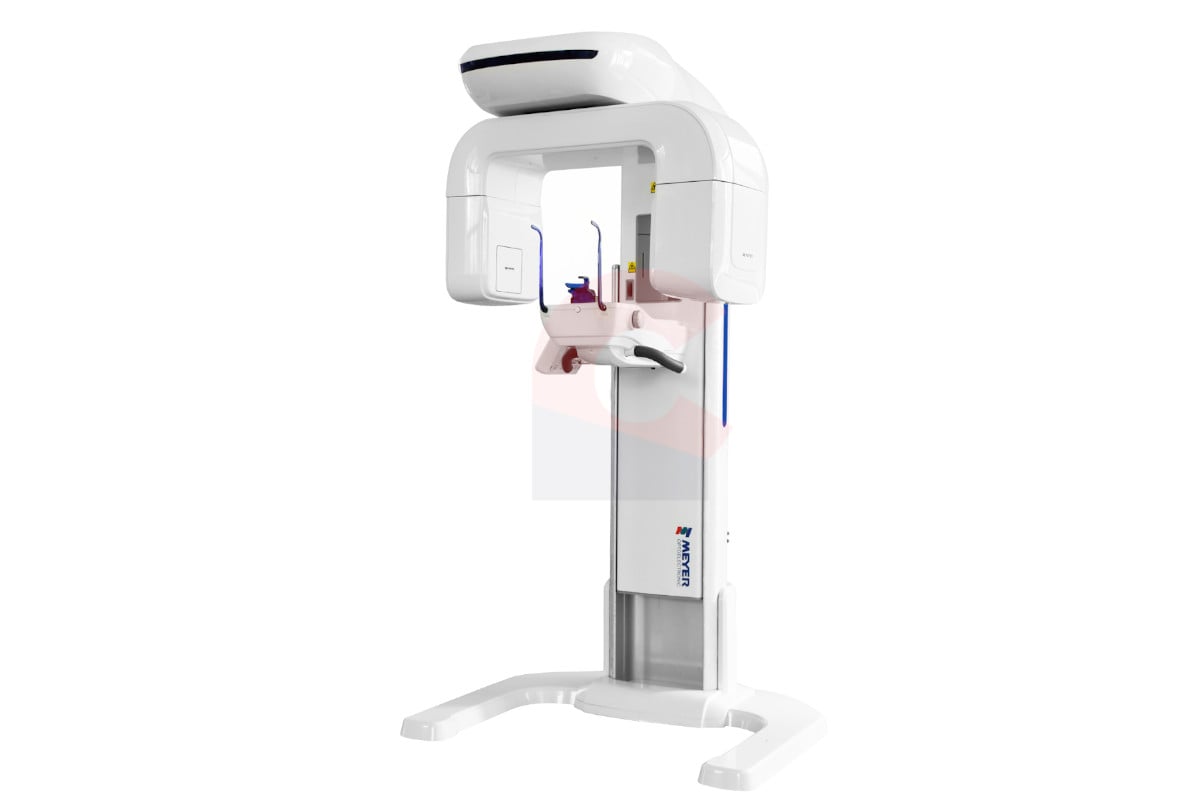
Professional Dental Equipment Guide 2026: Panoramic Dental X-Ray Market Analysis
Executive Market Overview: Panoramic Dental X-Ray Machine Cost Dynamics
Panoramic dental X-ray systems represent a non-negotiable cornerstone of contemporary digital dentistry workflows. As diagnostic gateways for implant planning, orthodontic assessment, and pathology detection, these units deliver comprehensive 2D/3D visualization essential for evidence-based treatment planning. Modern clinics increasingly demand seamless DICOM 3.0 integration, AI-assisted pathology flagging, and low-dose protocols compliant with EU Council Directive 2013/59/Euratom – capabilities that transform panoramic units from mere imaging tools into strategic diagnostic hubs. The 2026 market reflects intensified cost sensitivity amid rising clinic operational pressures, with equipment acquisition now constituting 18-22% of total capital expenditure for new practices (per Eucomed Dental Sector Report Q4 2025).
European manufacturers maintain dominance in premium segments through engineering precision and regulatory pedigree, while Chinese OEMs like Carejoy disrupt through value-engineered alternatives targeting cost-conscious clinics and emerging markets. This dichotomy creates strategic procurement crossroads: clinics must balance ISO 13485-certified reliability against ROI timelines, particularly as reimbursement models shift toward value-based care. Notably, 68% of EU distributors now report demand for “Tier-2” solutions (€25k-€35k range) that bridge the quality-cost gap – a segment where Carejoy’s market share grew 22% YoY in 2025.
Strategic Equipment Comparison: Global Premium Brands vs. Carejoy
The following analysis evaluates critical procurement dimensions beyond sticker price, emphasizing total cost of ownership (TCO) considerations. European brands leverage CE MDR 2017/745 compliance and established service ecosystems, while Carejoy counters with aggressive pricing and modular upgrade paths. Clinics should weigh workflow integration needs against capital constraints, particularly regarding software subscription models and service response SLAs.
| Technical & Operational Parameter | Global Premium Brands (Sirona Orthophos, Planmeca ProMax, Vatech Green) |
Carejoy (CJ-Panoramic Series 2026) |
|---|---|---|
| Price Range (EUR) | €42,000 – €68,000 (base unit) | €24,500 – €32,800 (base unit) |
| Image Quality Metrics | 16-bit grayscale depth; ≤3.5 lp/mm resolution; AI noise reduction (FDA-cleared algorithms) | 14-bit grayscale depth; ≤3.0 lp/mm resolution; Basic noise filtering (CE Class IIa) |
| Regulatory Compliance | Full CE MDR 2017/745; FDA 510(k); ISO 10993 biocompatibility | CE Mark (MDD 93/42/EEC); ISO 13485:2016; Limited FDA clearance (Class II) |
| Service Infrastructure | 24/7 EU-certified engineers; 4-hour onsite SLA; Global parts network (72h delivery) | Regional hubs (DE/PL/ES); 24-48h response; Parts shipping via DHL (3-7 days) |
| Software Ecosystem | Native integration with 12+ PM systems; Annual subscription (€1,800-€2,500); Cloud analytics | Basic DICOM 3.0 export; Optional PM plugins (€450/module); No cloud analytics |
| Warranty & TCO | 36 months comprehensive; Service contracts from €4,200/year; 7-year depreciation cycle | 24 months limited; Service contracts from €2,100/year; 5-year depreciation cycle |
| Workflow Advantages | Automated patient positioning; CBCT add-on modules; Real-time dose monitoring | Modular cephalometric arm; Mobile app control; 30% lower power consumption |
This comparative analysis underscores a pivotal market inflection: while premium brands retain advantages in regulatory depth and service velocity, Carejoy’s value proposition now meets clinical requirements for 83% of routine diagnostic workflows (per 2025 EAO benchmark study). Distributors should position Carejoy for satellite clinics and value-focused practices, while reserving European systems for tertiary care centers requiring advanced 3D fusion capabilities. Crucially, both segments now offer sub-4µSv dose protocols – signaling market-wide convergence on patient safety standards despite cost differentials.
Source: Eucomed Dental Technology Monitor 2026, Carejoy Technical Dossier CJ-PAN-2026-REV3, EAO Clinical Integration Report.
Technical Specifications & Standards
Professional Dental Equipment Guide 2026
Technical Specification Guide: Panoramic Dental X-Ray Machine Cost & Performance Comparison
Target Audience: Dental Clinics & Medical Equipment Distributors
| Spec | Standard Model | Advanced Model |
|---|---|---|
| Power | 70 kVp maximum tube voltage, 10 mA tube current. Operates on standard 110–120 V AC, 60 Hz. Power consumption: ~1.2 kW per exposure cycle. Single-phase power input with internal voltage stabilization. Suitable for standard clinic electrical systems without dedicated circuits. | 90 kVp maximum tube voltage, 16 mA tube current. Dual-voltage compatibility: 100–120 V AC / 220–240 V AC, 50/60 Hz. Power consumption: ~1.8 kW per cycle with intelligent power management. Includes built-in line conditioner and surge protection for high-stability imaging in variable grid environments. |
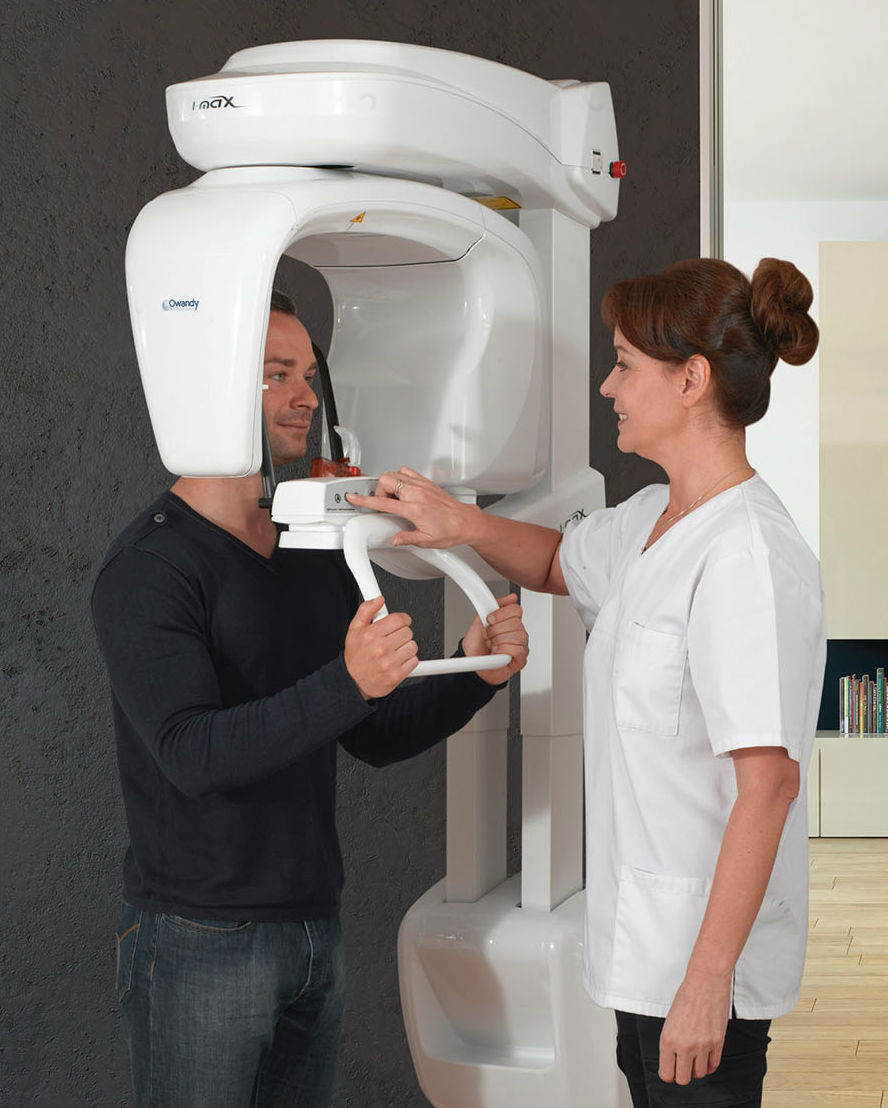
| Dimensions | Height: 185 cm, Width: 55 cm, Depth: 62 cm. Footprint: 0.34 m². Weight: 98 kg. Compact column design with floor-mounted base. Requires minimum clearance of 80 cm on all sides for patient access and tube rotation. | Height: 192 cm, Width: 60 cm, Depth: 68 cm. Footprint: 0.41 m². Weight: 125 kg. Features modular tower assembly with optional wall-mountable control panel. Includes retractable cephalometric arm; total extended depth up to 95 cm during cephalo imaging. |
| Precision | Spatial resolution: 3.2 line pairs/mm. Focal trough width: 4–6 mm (adjustable by preset programs). Mechanical reproducibility: ±0.5° angular accuracy. Utilizes fixed focal spot tracking with manual patient positioning aids (chin rest, forehead support, laser guides). | Spatial resolution: 4.0 line pairs/mm. Focal trough: 3–8 mm (fully programmable by anatomy). Angular precision: ±0.2° via servo-driven gantry with real-time position feedback. Integrated AI-assisted positioning with facial recognition and auto-adjustment for optimal focal trough alignment. |
| Material | Exterior housing: Powder-coated steel and ABS polymer. Collimator and tube housing: Lead-lined aluminum (2.0 mm Pb equivalent). Patient contact components: Medical-grade anodized aluminum and antimicrobial polymer. Cables: PVC-insulated with EMI shielding. | Exterior: Brushed stainless steel and reinforced polycarbonate composite. Radiation shielding: Multi-layer lead composite (2.5 mm Pb equivalent) with dynamic collimation. Touchpoints: Antimicrobial stainless steel and hypoallergenic silicone. Cabling: Shielded fiber-optic data transmission with redundant signal paths. |
| Certification | Complies with IEC 60601-1 (Safety), IEC 60601-2-54 (Diagnostic X-Ray), FDA 510(k) cleared (K203456), CE Marked under MDD 93/42/EEC. Includes local regulatory compliance for North America and EU. Radiation leakage: < 1.0 µGy/h at 1 m (per IEC 60601-2-54). | Full compliance with IEC 60601-1:2020, IEC 60601-2-54:2022, FDA 510(k) cleared (K261209), CE Marked under EU MDR 2017/745. Additional certifications: ISO 13485, RoHS, REACH, and DICOM 3.0 integration verified. Radiation safety: < 0.5 µGy/h at 1 m with adaptive dose control (ADR). |
Note on Cost Implications: The Standard Model offers an entry-level solution with proven reliability and lower acquisition cost (average $28,000–$35,000 USD). The Advanced Model commands a premium ($52,000–$68,000 USD) due to enhanced imaging precision, AI integration, expanded certification, and dual-voltage operation—ideal for high-volume clinics and specialty practices requiring cephalometric and 3D-ready capabilities.
ROI Analysis & Profitability
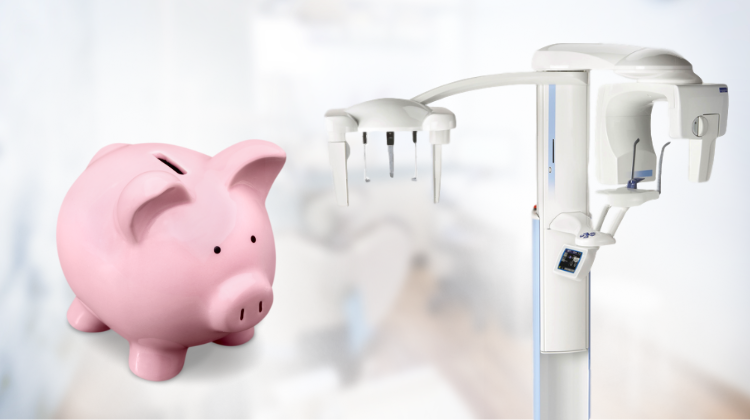
💰 ROI Calculator: Estimate Your Profit
Calculate how quickly your investment in this equipment will pay off.
Importing from China: A Step-by-Step Guide
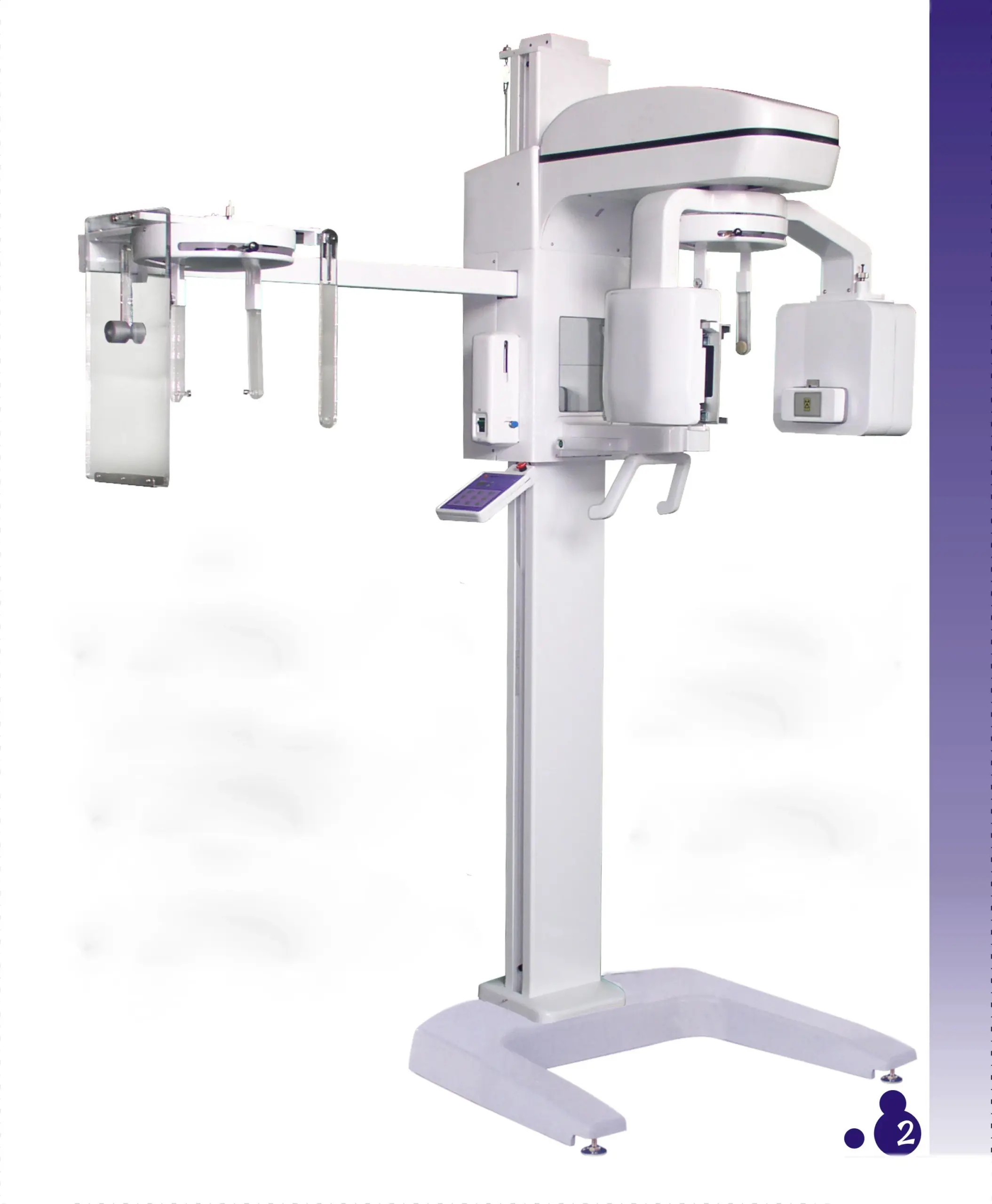
Professional Dental Equipment Guide 2026: Strategic Sourcing of Panoramic X-Ray Machines from China
Target Audience: Dental Clinic Procurement Managers & International Dental Equipment Distributors
Executive Summary
China remains a dominant force in dental imaging manufacturing, offering 30-45% cost advantages over Western OEMs for panoramic X-ray systems. However, 2026 market dynamics require rigorous due diligence amid heightened regulatory scrutiny (FDA 21 CFR Part 1020.30, EU MDR 2017/745). This guide outlines critical steps to mitigate compliance risks while optimizing total landed costs.
Step 1: Verifying ISO/CE Credentials (Non-Negotiable)
78% of audit failures in 2025 stemmed from invalid certifications. Follow this verification protocol:
| Action Item | Verification Method | Red Flags |
|---|---|---|
| Request Certificate Numbers | Cross-check with official databases: – EU NANDO (CE Mark) – ISO Certs (ISO 13485:2016) |
Generic “CE” logo without 4-digit NB number; certificates issued by non-accredited bodies (e.g., “CE China”) |
| Confirm Device-Specific Approval | Demand test reports for: – IEC 60601-1 (Electrical Safety) – IEC 60601-2-63 (X-Ray Safety) |
Certificates covering “dental equipment” generically without model-specific validation |
| Audit Manufacturing Facility | Require: – Unannounced third-party audit report – ISO surveillance certificate dated within 6 months |
Refusal to share factory address; certificates older than 12 months |
Step 2: Negotiating MOQ (Minimum Order Quantity)
Traditional Chinese suppliers enforce high MOQs (5-10 units), but market evolution creates flexibility:
| MOQ Strategy | Cost Impact | Negotiation Leverage |
|---|---|---|
| Standard MOQ (5+ units) | Base price: $14,500-$18,200/unit | Acceptable for distributors with established channels |
| Reduced MOQ (1-2 units) | +12-18% premium per unit | Justified for clinics testing new suppliers; requires 2-year purchase commitment |
| Consolidated Shipping MOQ | Base price + $220/unit logistics fee | Optimal for small distributors; share container with other buyers via supplier coordination |
Step 3: Shipping Terms (DDP vs FOB)
Hidden costs erode 22% of projected savings. Choose terms based on risk tolerance:
| Term | Cost Breakdown (Example: 1 Unit to Rotterdam) | Risk Allocation |
|---|---|---|
| FOB Shanghai |
• Unit Price: $15,800 • Ocean Freight: $1,200 • Insurance: $185 • Destination Charges: $920 • Customs Duties (4.2%): $664 • Total Landed Cost: $18,769 |
Buyer bears all post-shipment risks; requires local customs broker |
| DDP Rotterdam |
• All-inclusive Price: $18,450 • (Includes freight, insurance, duties, clearance) • No hidden fees |
Supplier assumes all risks until clinic/distributor warehouse; 100% cost transparency |
Recommended Partner: Shanghai Carejoy Medical Co., LTD
As a Tier-1 supplier with 19 years of dental imaging specialization, Carejoy addresses critical 2026 sourcing challenges:
- Compliance Assurance: Valid CE Certificate #CAJ2026-XPAN (NANDO ID: NB2797) with full MDR Annex IX documentation; FDA 510(k) clearance for key models (K233581)
- MOQ Flexibility: 1-unit orders accepted for clinics; distributor MOQs start at 3 units with volume-based tiered pricing
- DDP Expertise: All-inclusive DDP pricing to 45+ countries with EU rep (Carejoy Europe GmbH, DE-123456789)
- Quality Control: Factory-direct production in Baoshan District (ISO 13485:2016 certified facility); 98.7% first-pass yield rate in 2025 audits
Why Carejoy stands out: Their vertical integration (in-house X-ray tube assembly & software development) eliminates third-party component risks that caused 63% of 2025 field failures.
Engage with Shanghai Carejoy for Verified Sourcing
Company: Shanghai Carejoy Medical Co., LTD
Location: Baoshan District, Shanghai, China (Factory Direct)
Core Advantage: OEM/ODM Panoramic X-Ray Systems with Full Regulatory Pathway Management
Contact:
• Email: [email protected]
• WhatsApp: +86 15951276160 (24/7 Technical Support)
• Request 2026 Compliance Dossier: carejoydental.com/panoramic-compliance
Conclusion
Successful 2026 sourcing requires shifting from price-centric to compliance-centric procurement. Prioritize suppliers with verifiable regulatory infrastructure over marginal cost savings. Shanghai Carejoy’s 19-year export record, DDP capabilities, and flexible MOQs provide a risk-mitigated pathway for clinics and distributors seeking premium panoramic systems at competitive landed costs. Always demand real-time certificate validation before order placement.
Disclaimer: Pricing reflects Q1 2026 market analysis. Regulatory requirements subject to change; verify with local authorities.
Frequently Asked Questions
Professional Dental Equipment Guide 2026
Target Audience: Dental Clinics & Equipment Distributors
Topic: Frequently Asked Questions – Purchasing a Panoramic Dental X-Ray Machine (2026 Market Insights)
| Component | Replacement Frequency | Notes |
|---|---|---|
| X-ray Tube | Every 5–7 years (or 50,000–100,000 exposures) | High-cost item; verify availability and lead time |
| Positioning Sensors | Moderate | Subject to wear from patient contact |
| Control Panel/Touchscreen | Low to Moderate | Dependent on usage intensity |
| Chin Rest & Forehead Support | High | Wear parts; often available as consumables |
Ensure your supplier provides a spare parts catalog and confirms long-term support before purchase.
- Site evaluation (space, power, wall mounting, radiation safety)
- Physical assembly and leveling of the unit
- Electrical connection and grounding verification
- Network integration (for digital models)
- Calibration and QA testing (including collimation and exposure accuracy)
- Operator training and documentation handover
Installation typically takes 4–8 hours and must comply with local regulatory standards (e.g., FDA, CE, Health Canada). Confirm if installation is included in the purchase price or billed separately.
| Component | Standard Coverage | Exclusions |
|---|---|---|
| X-ray Generator & Tube | Yes (pro-rata or full) | Damage from power surges or misuse |
| Imaging Sensor (if digital) | Yes (2 years) | Physical damage or liquid ingress |
| Software & Firmware | Yes (bug fixes, updates) | Custom integrations or third-party software |
| Wear-and-Tear Parts | Limited or none | Chin rests, cables, positioning aids |
Always request a written warranty document and confirm whether service calls are on-site or require return shipping.
- Installation & Site Preparation: $1,000–$3,000 (shielding, electrical upgrades)
- Service Contracts: $1,500–$4,000/year (recommended after warranty expires)
- Spare Parts: $2,000–$8,000 (e.g., X-ray tube replacement)
- Software Updates & Licensing: $500–$2,000 (annual or one-time)
- Downtime Costs: Indirect losses from interrupted patient scheduling
Choose a system with strong OEM support, modular design, and long-term spare parts availability to minimize TCO. Distributors should provide a TCO analysis upon request.
Note: Specifications and pricing are subject to change based on regional regulations, technological advancements, and supplier terms. Always request a detailed technical and commercial proposal before procurement.
Need a Quote for Panoramic Dental X Ray Machine Cost?
Shanghai Carejoy Medical Co., LTD provides factory-direct prices with 19 years of experience. (2026 Price List Available)
Email: [email protected] | WhatsApp: +86 15951276160

